
AC Replacement in Amlin, OH
Air conditioning replacement in Amlin, OH: learn when replacement is best, compare options, and schedule a professional installation today for energy savings.

Air Conditioning Replacement in Amlin, OH
When your air conditioner struggles to keep your Amlin home comfortable during humid Ohio summers, the choice between repair and replacement matters.
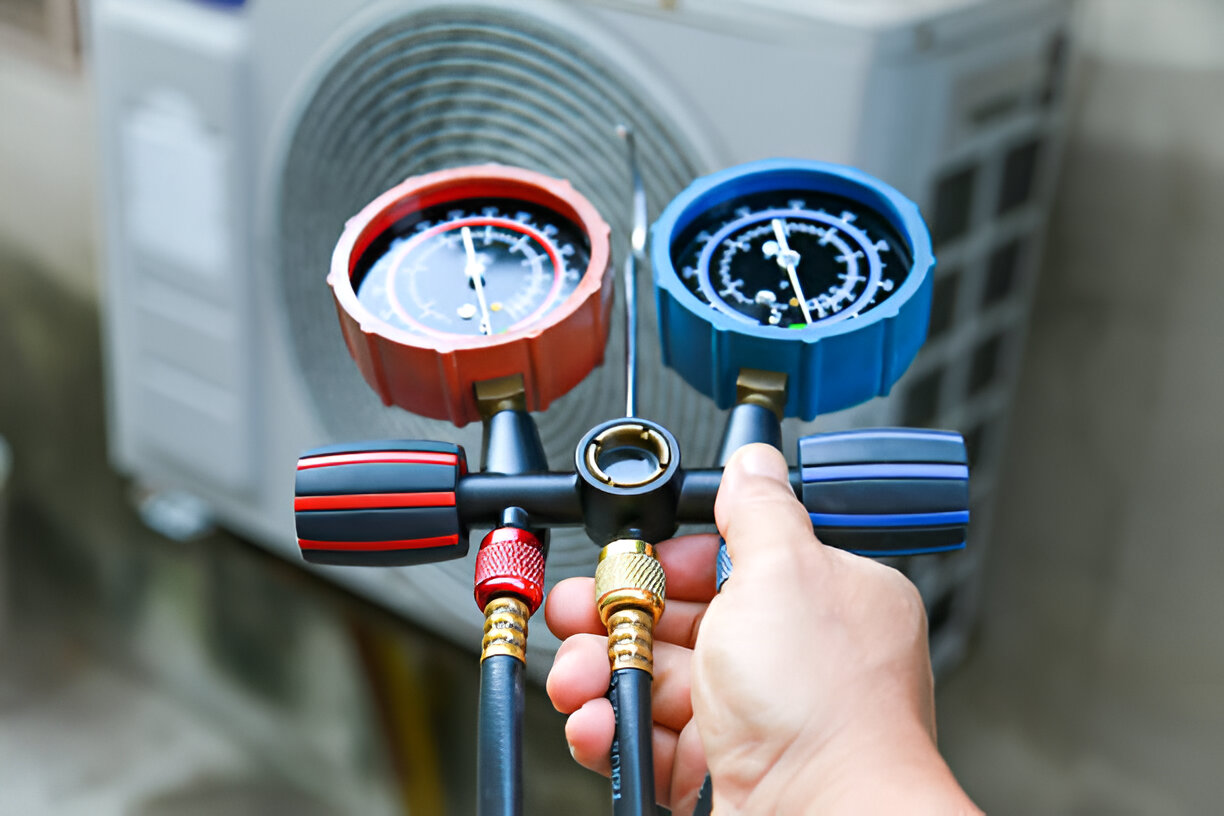
When to Replace vs. Repair: practical decision points
Deciding to repair or replace depends on age, performance, refrigerant type, and repair frequency.
- Age: Most central air systems last 12 to 18 years. If your unit is older than 12 years, replacement is often more cost-effective than repeated repairs.
- Repair frequency: Two or more significant repairs in a single season or recurring failures indicate declining reliability.
- Efficiency gap: If your system has a SEER in the single digits or early teens, a modern system (14–20+ SEER) can meaningfully reduce energy bills.
- Comfort issues: Uneven cooling, constant cycling, or inadequate humidity control despite proper maintenance can mean the system is undersized or failing.
- Refrigerant phase-out: Units that use R-22 refrigerant are increasingly expensive to service. Replacement avoids future refrigerant availability and cost problems.
- Ductwork and home upgrades: If you’re sealing ducts, adding insulation, or remodeling, replacing the condenser and matching coil can produce better overall results.
If one or more of these points apply in your Amlin home, replacement is often the best long-term investment.
System comparisons: efficiency, capacity, and features
Choosing the right replacement requires matching capacity and features to your home’s load and lifestyle.
- Efficiency (SEER): Higher SEER ratings reduce energy use. Typical upgrades move homes from 10–12 SEER to 14–20+ SEER models. In Amlin’s humid summers, variable-speed compressors and two-stage units improve comfort and dehumidification while saving energy.
- Capacity (tons): Proper sizing is critical. An HVAC professional will perform a Manual J load calculation to avoid undersizing or oversizing, both of which reduce comfort and efficiency.
- Compressor types:
- Single-stage: On/off operation; lower upfront cost, less precise temperature control.
- Two-stage: Better efficiency and comfort; handles partial-load conditions more quietly.
- Variable-speed: Best for humidity control, quiet operation, and highest efficiency.
- Additional features:
- Advanced coils and improved refrigerant circuits for better heat transfer.
- Smart thermostats and zoning options for targeted comfort and greater savings.
- Compatible air handlers or heat pump options for homes considering winter efficiency.
The replacement process: assessment to final startup
A standard replacement follows clear steps to ensure compliance, safety, and performance.
- Initial assessment and load calculation
- Inspect existing equipment, ductwork, electrical, and refrigerant type.
- Perform Manual J/Manual D as needed to size the new system and check duct adequacy.
- System selection and planning
- Recommend models and configurations (condenser, coil, air handler, thermostat).
- Identify any required duct modifications, electrical upgrades, or permit needs.
- Removal and responsible disposal
- Recover refrigerant per EPA requirements and recycle or reclaim it when necessary.
- Remove old condenser, coil, air handler, and associated components.
- Recycle metals and properly dispose of nonrecyclable materials in line with local regulations.
- Installation
- Set new condenser pad and line set, replace coil and air handler if needed.
- Make any needed ductwork, electrical, or condensate modifications.
- Install or configure a modern thermostat and controls.
- Startup and testing
- Evacuate and charge refrigerant to manufacturer specs, verify airflow and static pressures.
- Test system performance, thermostat programming, and safety controls.
- Walk through operational details and warranty information with the homeowner.
Expected timeline and site preparation
- Like-for-like replacement (same location and minimal duct work): typically completed in one business day.
- Replacements requiring duct repair, electrical upgrades, or change of equipment location: 1–3 days.
- Permits and city inspections (if required) can add a few days depending on scheduling.
Preparing a clear work area, ensuring access to outdoor units, and making arrangements for children or pets will help projects proceed smoothly.
Cost considerations and financing options
Replacement cost varies with equipment efficiency, capacity, ductwork needs, and installation complexity. Key factors include:
- Equipment tier (basic vs. premium models) and SEER rating.
- Need for new coil, air handler, or duct repairs.
- Electrical service upgrades or permit fees.
- Optional features such as zoning, smart thermostats, or air quality accessories.
Financing options commonly available include flexible installment plans, low-interest manufacturer or third-party financing programs, and seasonal promotions. Pairing a higher-efficiency unit with a maintenance agreement usually yields better lifecycle value and can protect warranty eligibility.
Projected energy savings and payback
Energy savings depend on your existing system, usage patterns, and chosen replacement efficiency.
- Typical savings: Replacing an older 8–10 SEER unit with a modern 16 SEER system can reduce cooling energy use by roughly 30% or more under similar operating conditions.
- Payback estimate: Many homeowners see a payback period between 5 and 12 years when factoring energy savings, maintenance reduction, and improved comfort — shorter if electric rates are higher or if the existing system is particularly old or inefficient.
- Additional value: Improved humidity control, quieter operation, and longer equipment life add non-monetary benefits that enhance comfort and resale appeal in the Amlin area.
Warranties and maintenance
Manufacturer warranties commonly offer 10-year parts coverage on premium systems when registered promptly. Labor warranties vary; installers often provide limited labor coverage for a set period. Regular maintenance preserves warranty eligibility and improves performance.
A preventive maintenance plan that includes seasonal tune-ups, filter checks, and priority service typically extends equipment life, reduces emergency repairs, and maintains efficiency — an important consideration for homes facing warm, humid Ohio summers.
Customer examples and local case studies (Amlin, OH)
- Older ranch replacement: A 14-year-old single-stage 3-ton unit repeatedly failed mid-summer. After a proper load calculation, the home received a 3-ton variable-speed condenser, matched coil, and upgraded thermostat. Results: quieter operation, more consistent temperatures upstairs, and estimated annual cooling energy reduction of about 25–30%.
- Two-story colonial with duct issues: Homeowners experienced uneven cooling and high utility bills. Replacement included a high-efficiency two-stage condenser, duct sealing and minor rework to balance airflow. Outcome: increased comfort, better humidity control, and projected payback under 10 years due to reduced runtime and fewer repairs.
- Ductless alternative for an addition: A homeowner adding a second-floor addition in Amlin chose a ductless mini-split as the most cost-effective way to condition the new space. Benefits included targeted comfort, no major ductwork, and lower operating costs for that zone.
Replacing an air conditioner is a significant home investment. In Amlin, OH, where summers bring heat and humidity, the right replacement improves comfort, lowers operating costs, and reduces maintenance headaches. With proper load calculations, careful equipment selection, responsible removal and disposal, and ongoing maintenance, replacement delivers measurable value and dependable cooling season after season.
Hot Deals & Cool Savings

.webp)
New Service Agreement Membership
.webp)
Any New Client Service
Next Service for Referring a New Client
New Service Agreement Membership
Any New Client Service
Next Service for Referring a New Client
.webp)
.webp)

Service Areas
