
AC Repair in Lithopolis, OH
Air conditioning repair in Lithopolis, OH quickly restores cooling, diagnosing common symptoms and performing compressor, refrigerant, and motor repairs with clear timelines. Schedule service now.

Air Conditioning Repair in Lithopolis, OH
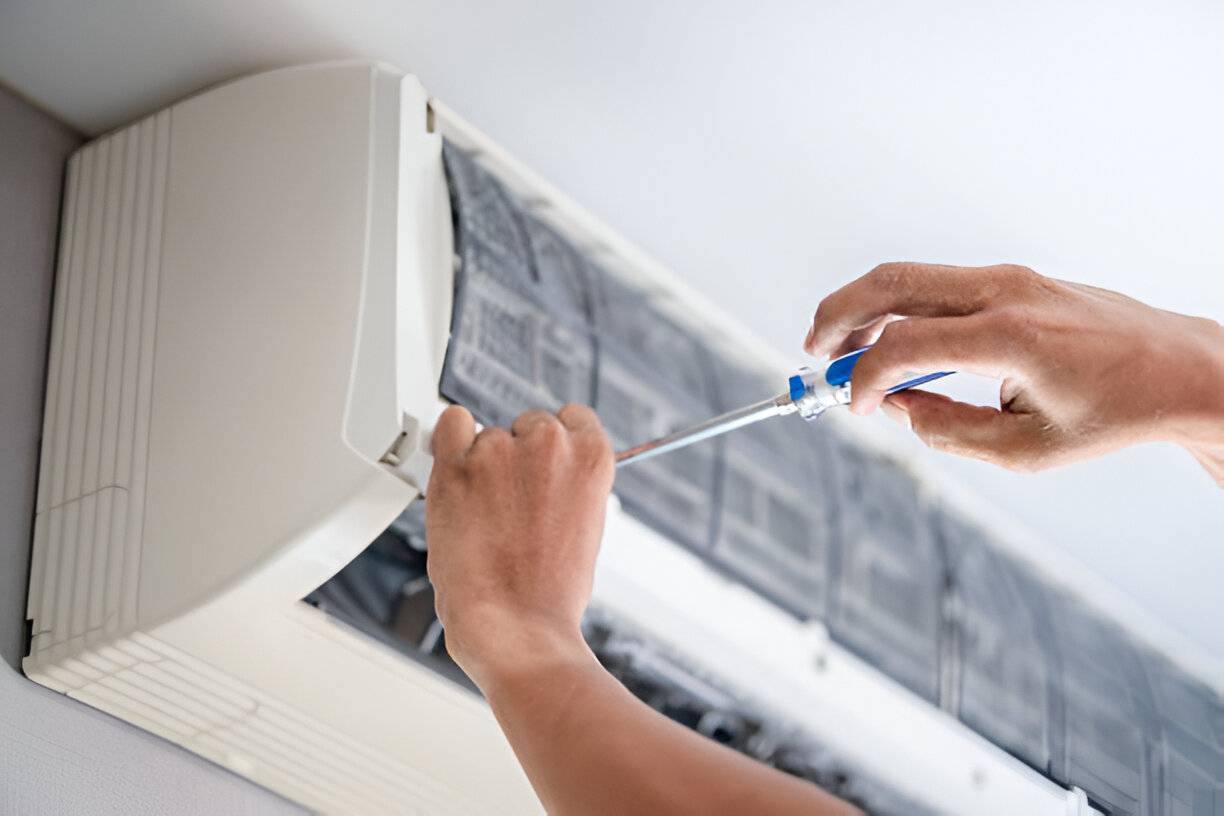
When your air conditioner struggles in the middle of a hot, humid Lithopolis summer, comfort becomes urgent. Air conditioning repair in Lithopolis, OH focuses on restoring reliable cooling quickly and safely while addressing root causes that can shorten equipment life or raise energy bills.
Why location matters: Lithopolis climate and home factors
Lithopolis experiences warm, humid summers and occasional severe heat, which puts extra load on AC systems. Many local homes are older or situated on larger lots, which can mean older ductwork, legacy equipment, or systems that have been patched. These regional conditions make timely AC repair important to prevent secondary damage, relieve high energy use, and maintain indoor comfort during peak months.
Common AC failure symptoms in Lithopolis
Recognizing symptoms early helps avoid bigger repairs. Typical signs homeowners report include:
- Weak or warm airflow from vents
- AC cycles on and off rapidly (short cycling)
- Unit fails to start or no power to the condenser
- Loud grinding, screeching, or rattling noises
- Frozen evaporator coil or ice on refrigerant lines
- Visible refrigerant oil or hissing noises indicating a leak
- Higher than normal electric bills despite similar use
- Frequent tripping of breakers
Types of AC repair services
Repairs fall into several common categories for Lithopolis homes:
- Electrical and control repairs: capacitors, contactors, relays, thermostats, breakers
- Compressor repairs or replacement: when compressor fails or is seized
- Refrigerant leak location and repair: welds, coils, or line faults plus reclaim and recharge
- Fan and motor replacement: condenser fan motors or blower motors
- Airflow and ductwork fixes: blocked return, dirty coils, filter issues, duct leaks
- System diagnostics and refrigerant balancing: performance tuning and testing
How technicians diagnose AC problems
A typical diagnostic process is systematic and aimed at identifying the underlying cause rather than just treating symptoms:
- Visual inspection: cabinet, wiring, condensate drain, refrigerant lines, filters, and access panels.
- Verify power and controls: check breakers, disconnects, thermostat and control signals.
- Measure airflow and temperatures: check supply and return temperatures and static pressures.
- Electrical testing: capacitors, contactors, motor windings, and compressor amperage.
- Refrigerant testing: pressure readings, subcooling and superheat, and leak detection with electronic detectors or dye when needed.
- Component testing: start relays, sensors, and blower operation.Accurate testing reduces repeat visits because the repair targets the component at fault.
Typical repairs explained
- Capacitor replacement: A failed start or run capacitor is a common cause of a unit not starting or noisy operation. Replacement is straightforward and often completed in 30 to 60 minutes.
- Contactor and relay replacement: These control the high-voltage switching to the compressor and fan. Symptoms include intermittent operation or clicking. Repairs are usually same-day.
- Compressor repair or replacement: Compressor failure is serious. In some cases a compressor can be rebuilt; most modern systems require compressor replacement and a full system evacuation and recharge. This job can take from several hours to a full day and may require ordering the correct replacement part.
- Refrigerant leak repair: Small leaks at service valves or line fittings can be fixed with a local repair and a refrigerant recharge. If the evaporator or condenser coil is leaking, coil replacement is often necessary. Leak detection and repair times vary widely based on location and accessibility.
- Fan or blower motor replacement: Failed motors cause noisy operation or no airflow. Motor swaps are commonly completed within a few hours, assuming replacement parts are on hand.
- Control board and thermostat repairs: Electronic control failures produce erratic behavior. Diagnostics isolate the board or sensor, and replacements are relatively quick when parts are available.
Estimated repair timelines
Timelines depend on part availability and severity, but typical on-site expectations for Lithopolis homes are:
- Diagnostic and minor repair (capacitor, contactor, thermostat): 0.5 to 2 hours
- Motor or fan replacement: 2 to 4 hours
- Refrigerant leak location and repair (simple): 1 to 3 hours; complex leaks or coil replacement: multiple hours to a day
- Compressor replacement and system evacuation/recharge: 4 to 8+ hours, possibly next-day if the correct compressor must be orderedKeep in mind that peak summer demand can affect same-day availability and parts sourcing.
Warranty and documentation to check before repair
Before proceeding with repairs, check available documentation:
- Manufacturer parts warranties often cover major components for a defined period; they do not always cover labor.
- Extended parts or labor warranties from installers may cover repairs for a stated period after installation.
- Maintenance agreements sometimes provide prioritization for emergency service and discounts on repairs.When arranging repairs, have the system make, model, serial number, and any prior service records available to help technicians verify warranty coverage and recommend the most cost-effective solution.
What to have ready when scheduling urgent repairs
If cooling is critical due to health concerns or extreme heat, be prepared with:
- System information: make, model, age, and any recent work
- A clear description of symptoms and when they began
- Whether the system ever worked the same day or completely failed
- Any unusual odors, smoke, or visible damage (these indicate safety risks)
- Access details for technicians (gates, pets, or locked areas)Communicating these details up front helps prioritize and route appropriate resources quickly.
Preventive steps and long-term benefits of timely repair
Addressing AC problems promptly avoids higher energy use, prevents secondary damage like frozen coils or motor burnout, and extends equipment life. Regular maintenance—filter changes, coil cleaning, and system tune-ups—reduces the chance of emergency failures during heat spells. In Lithopolis, where humidity increases corrosion risk, keeping coils and electrical connections clean and dry is especially important.
Hot Deals & Cool Savings

.webp)
New Service Agreement Membership
.webp)
Any New Client Service
Next Service for Referring a New Client
New Service Agreement Membership
Any New Client Service
Next Service for Referring a New Client
.webp)
.webp)

Service Areas
