
AC Installation in Lewis Center, OH
Air Conditioning Installation in Lewis Center, OH: get a precise, energy-efficient system installed by pros. Learn more about assessment, options, and next steps.

Air Conditioning Installation in Lewis Center, OH
Installing a new air conditioning system is one of the most impactful home upgrades you can make in Lewis Center, OH. With hot, humid summers and occasional heat waves, properly sized and installed cooling equipment keeps your home comfortable, controls indoor humidity, and reduces energy waste.
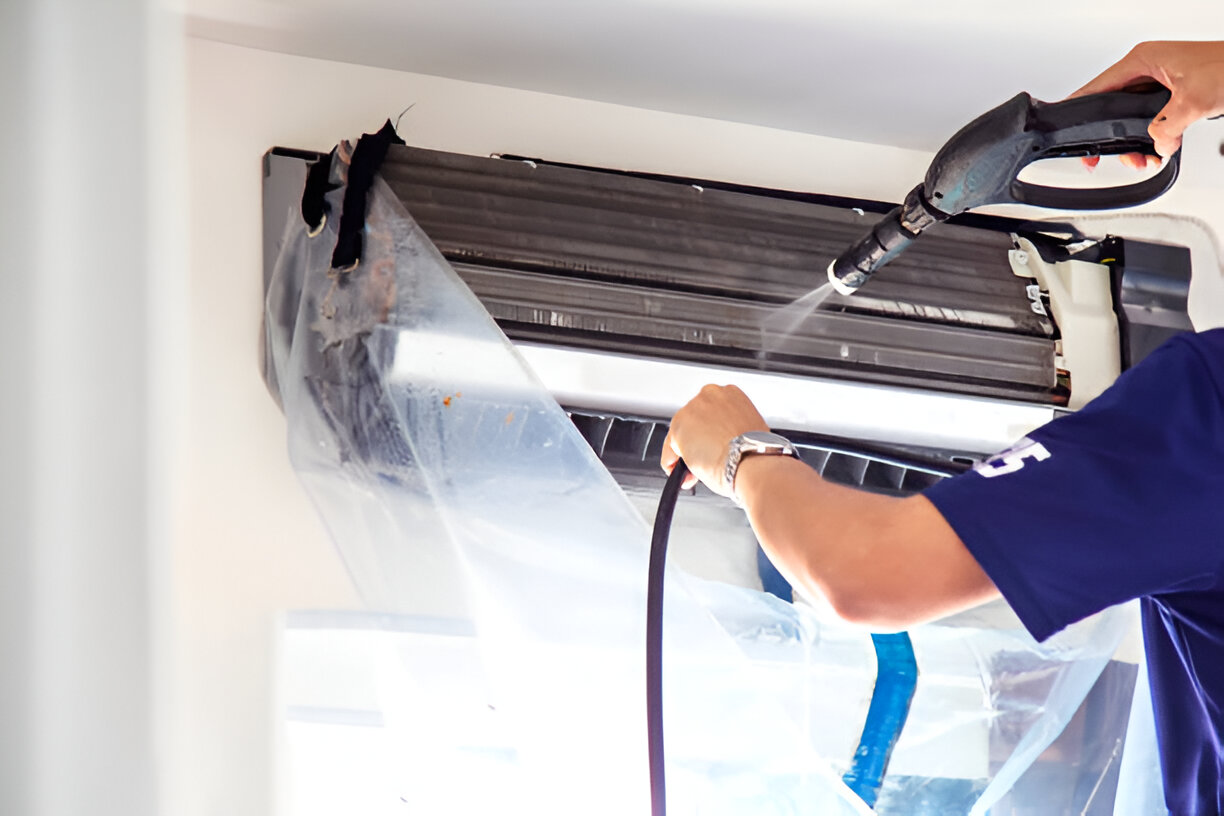
Why a tailored AC installation matters in Lewis Center, OH
Lewis Center sits on the northern edge of the Columbus metro area and experiences high humidity and warm summer temperatures that place prolonged strain on cooling systems. Oversized or undersized equipment, poor ductwork, and incorrect refrigerant charge are common causes of short cycling, uneven cooling, and high energy bills here. A professional installation that accounts for local climate, home construction and humidity control will extend equipment life, improve comfort, and lower operating costs.
Common AC installation needs in Lewis Center homes
- Full system replacement for aging or inefficient condensers and air handlers
- Upgrades to higher-efficiency equipment (higher SEER ratings) for lower operating costs
- Ductwork repair, replacement, or sealing to eliminate hot and cold rooms
- Ductless mini-split installations for additions, sunrooms, or homes without central ducts
- Heat pump installations for combined heating and cooling efficiency in moderate winters
- Humidity control upgrades and zoning for multi-level homes or open floor plans
Initial home assessment and load calculations
A reliable installation starts with a detailed home assessment. Technicians record:
- Square footage, ceiling heights, insulation levels, window types and sun exposure
- Number of occupants and typical thermostat settings
- Existing duct layout and any known airflow problems
From this data we perform a Manual J load calculation — the industry standard method for accurately determining the cooling capacity your home actually needs. Proper sizing prevents short cycling (from oversized units) and inadequate comfort (from undersized units). Duct testing and a Manual D evaluation determine whether the current duct system will deliver the airflow required.
Equipment selection and energy-efficiency considerations
Choosing the right equipment involves balancing upfront cost, long-term savings, and local performance:
- SEER ratings: Higher SEER means better seasonal efficiency. In Lewis Center’s climate, moving from mid-efficiency to high-efficiency units can reduce summer electric bills noticeably.
- Compressor type: Single-stage, two-stage, and variable-speed compressors offer increasing levels of comfort control and efficiency. Variable-speed systems maintain consistent temperatures and better dehumidification.
- System type: Central air conditioners are standard for homes with ducts; ductless mini-splits are ideal for additions or homes without ductwork; heat pumps offer efficient year-round climate control.
- Indoor coil and air handler: Proper coil-match, airflow capacity, and drainage are essential to prevent freeze-ups and control humidity.
- Thermostats: Smart or programmable thermostats improve efficiency by optimizing setpoints and scheduling.
Local factors such as higher summer humidity make systems with superior dehumidification and variable-speed fans especially valuable in Lewis Center.
Professional installation steps
A professional installation typically follows these steps:
- Pre-install inspection and permit pull - Confirm measurements and obtain required permits from local jurisdiction.
- Equipment staging - Deliver and prepare the condenser, air handler or furnace, and indoor coil.
- Ductwork modifications - Repair, replace, or seal ducts as needed; install new plenums or registers for balanced airflow.
- Refrigerant line and electrical work - Run properly insulated refrigerant lines, install disconnects, and integrate electrical service per code.
- System setup and charging - Evacuate lines, charge refrigerant precisely to manufacturer specifications, and start the system.
- Controls and thermostat integration - Install and program thermostats, zoning controls, and any smart integration.
- Clean up and protection - Protect floors and landscaping, and remove installation debris.
Most typical residential installations are completed in one to two business days, though duct-heavy jobs or complex retrofits may take longer.
Ductwork and system integration
Duct condition has a major impact on performance. Common duct issues in older Lewis Center homes include leaks at joints, poor insulation in unconditioned attics, and undersized runs to second floors. Proper integration includes:
- Sealing and insulating ducts, especially in attics and crawl spaces
- Rebalancing registers and dampers to ensure even airflow
- Reconfiguring return paths to avoid negative pressure and reduce dust infiltration
- Using appropriately sized plenums and transition pieces for efficient airflow
Correct integration reduces energy waste, improves comfort, and helps maintain indoor air quality.
Permits, inspections, and code compliance
Residential AC installation in Lewis Center requires compliance with local and state codes. Licensed contractors typically handle permit applications and scheduling of required inspections with local building departments or county offices. Inspections confirm correct refrigerant handling, safe electrical connections, proper equipment placement, and compliance with mechanical and energy codes. Keeping records of permits and inspection approvals also preserves warranty and resale value.
Warranty, maintenance recommendations, and longevity
New equipment comes with manufacturer warranties that cover major components; installers often provide a labor warranty for a defined period. To protect both warranties and performance:
- Replace air filters regularly and use the MERV rating appropriate for your system
- Enroll in an annual maintenance plan for preseason inspections and tune-ups
- Schedule refrigerant and airflow checks during the first year to confirm stable operation
- Keep outdoor units clear of debris and maintain proper drainage
Routine maintenance reduces breakdowns, preserves efficiency, and helps systems reach or exceed their expected service life.
Financing options and incentives
Financing options are commonly available for AC installations and can include low-interest plans, deferred payments, or flexible loan terms through third-party lenders. Additionally, Lewis Center homeowners should check for local utility rebates, manufacturer incentives, and applicable federal tax credits for high-efficiency equipment or heat pump systems. A financing plan can make higher-efficiency equipment affordable and deliver faster payback through lower monthly energy costs.
Post-installation performance testing and handover
After installation is complete, professionals perform a series of performance tests to confirm proper operation:
- Airflow and static pressure measurements to verify duct delivery
- Refrigerant charge verification and superheat/subcooling checks for efficiency and longevity
- Temperature differential (supply vs return) and humidity checks to confirm comfort and dehumidification
- Electrical load and safety checks for reliable operation
- System control tests to ensure thermostats, zoning, and safety controls function correctly
Technicians should review system operation and maintenance basics with homeowners, including filter replacement schedules and thermostat settings optimized for Lewis Center conditions.
Long-term benefits and maintenance tips
A properly installed air conditioning system brings consistent comfort, better humidity control, quieter operation, and lower utility bills. To protect that investment:
- Keep vegetation and debris away from the outdoor unit
- Change or clean filters monthly during heavy use seasons
- Schedule annual preseason inspections to catch small issues before they become costly repairs
- Consider zoning or smart thermostats to reduce energy usage in unused spaces
For Lewis Center homes, paying attention to humidity control and proper duct sealing yields the biggest comfort gains during our humid summers.
This overview covers the essential steps and considerations for professional air conditioning installation in Lewis Center, OH. A correctly sized, efficiently installed, and well-maintained system will provide reliable comfort and energy savings for years.
Hot Deals & Cool Savings

.webp)
New Service Agreement Membership
.webp)
Any New Client Service
Next Service for Referring a New Client
New Service Agreement Membership
Any New Client Service
Next Service for Referring a New Client
.webp)
.webp)

Service Areas
