
AC Installation in Franklinton, OH
Air conditioning installation in Franklinton, OH with precise load calculations, duct sealing, and expert commissioning. Schedule your installation today for reliable comfort.

Air Conditioning Installation in Franklinton, OH
A properly sized, professionally installed air conditioning system keeps your Franklinton home comfortable, efficient, and reliable through hot, humid Central Ohio summers. Whether you live in a vintage bungalow near the Scioto or a newer infill development, the installation process matters: the right equipment, accurate load calculations, properly sealed ductwork, and careful commissioning all determine comfort, utility costs, and the life of the system.
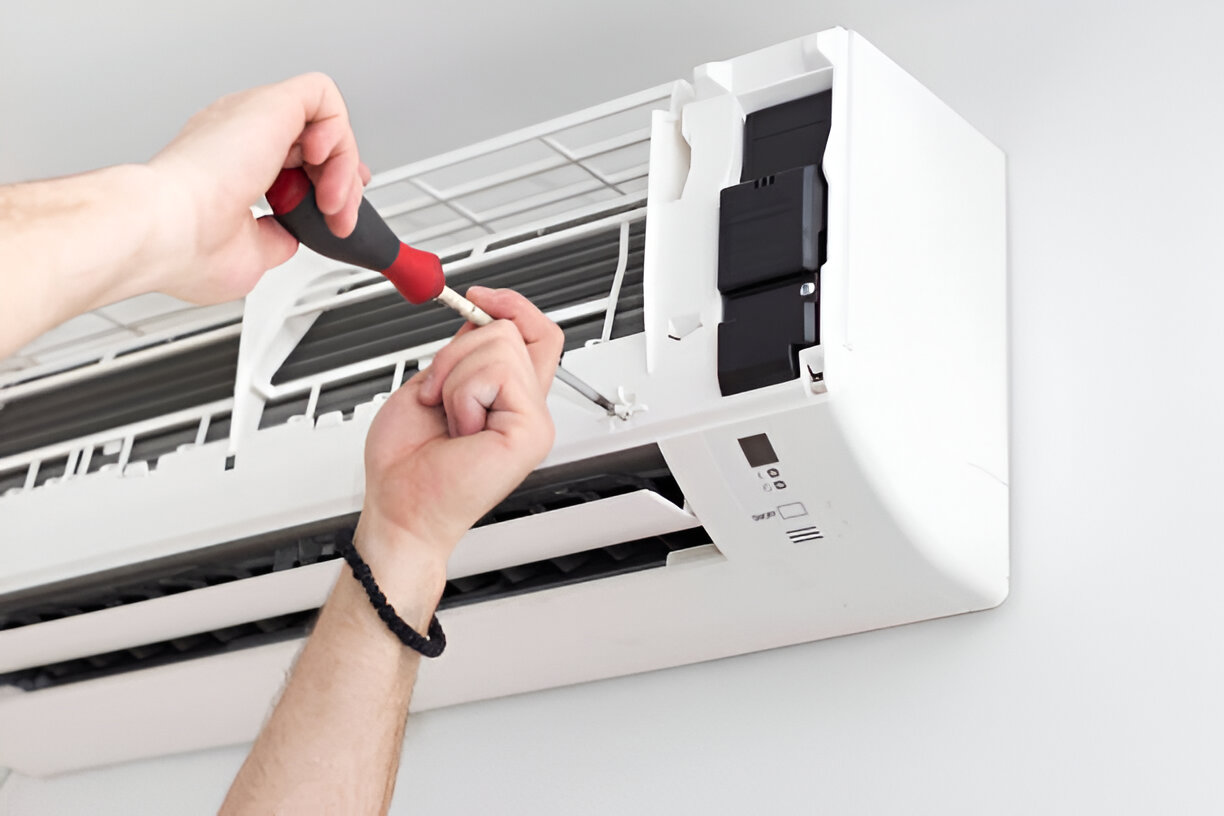
Why a tailored installation matters in Franklinton, OH
- Franklinton experiences warm, humid summers that demand effective dehumidification as well as cooling. Oversized systems short-cycle and do not remove humidity well; undersized systems run constantly and fail to reach set temperatures.
- Many homes in Franklinton are older with unique layouts, limited attic or crawlspace access, and older duct runs. These factors affect equipment location, duct modifications, and installation complexity.
- Floodplain and property access constraints in parts of Franklinton can influence outdoor condenser placement and drainage routing.
Common air conditioning installation types for Franklinton homes
- Central split systems (standard furnace/air handler with outdoor condenser)
- Heat pump systems (efficient for both cooling and heating in mild winter years)
- Ductless mini-split systems (for homes with little or no existing ductwork or for room additions)
- Packaged rooftop units (for certain multifamily or commercial properties)
Typical problems homeowners face before replacing or installing AC
- Inaccurate system sizing based solely on square footage rather than a load calculation
- Undersized or leaky ductwork reducing capacity and efficiency
- Inappropriate equipment selection for home layout or local climate
- Poor refrigerant charging, airflow imbalances, or incorrect thermostat placement after installation
- Permitting or inspection delays when local code requirements are not followed
The installation process: step by step
- Initial home assessment and detailed load calculation
- A professional assessment begins with a room-by-room load calculation (commonly Manual J). This accounts for home size, orientation, insulation levels, window types, occupancy, and local climate factors like humidity.
- Inspectors will note attic and crawlspace access, existing duct layout, electrical capacity, and possible outdoor condenser locations considering setbacks and flood risk.
2. Equipment selection: efficiency and sizing
- Equipment is chosen based on the load calculation, not just family preferences. Key factors include SEER (seasonal energy efficiency ratio), HSPF for heat pumps, and matched system components.
- For Franklinton, higher efficiency ratings and enhanced dehumidification performance are often recommended to control humidity and lower summer electric bills.
- Considerations include energy star-rated units, inverter-driven compressors, and variable-speed air handlers for better comfort and dehumidification.
3. Ductwork evaluation and necessary modifications
- Inspecting and testing ducts for leaks, insulation, and proper sizing is critical. Leaky ducts can waste significant cooling energy and reduce comfort.
- Upgrades may include sealing and insulating ducts, resizing or adding returns, and installing zoning dampers where different parts of the house have different cooling needs.
4. Permits and local code compliance
- Most installations require mechanical permits and inspections through Columbus/Franklinton building authorities. Permits ensure safe electrical connections, proper refrigerant handling, and adherence to local codes.
- Installers should schedule required inspections and provide documentation for equipment specifications and refrigerant type.
5. Professional installation steps
- Remove old equipment and safely dispose of refrigerant and components according to regulations.
- Set and secure outdoor condenser with proper pad or platform, ensuring elevation considerations in flood-prone areas.
- Install indoor air handler or evaporator coil, sized refrigerant lines, condensate drainage, and electrical connections to code.
- Balance airflow with proper duct transitions, filters, and return paths. Install or program modern thermostats as required.
6. Post-install testing and commissioning
- Verify refrigerant charge and system pressures for optimal performance across operating conditions.
- Measure airflow, static pressure, and temperature splits to confirm correct capacity and airflow balance.
- Test safety controls, condensate drainage, and electrical loads. Confirm thermostat calibration and system response.
- Provide a homeowner orientation that explains system operation, filter replacement, and basic troubleshooting.
What to expect after installation
- Immediate improvements in temperature control and humidity when the system is correctly sized and commissioned.
- Lower energy bills over time with higher-efficiency equipment and properly sealed ductwork.
- Recommended follow-up includes an initial seasonal check and regular preventive maintenance to preserve efficiency and warranty coverage.
Permits, codes, financing, and rebates
- Columbus/Franklinton mechanical and electrical permits are typically required. Proper permitting ensures the work meets local safety and environmental standards and simplifies future property transactions.
- Financing options and rebates may be available through federal, state, or local programs and utility incentives. Certain high-efficiency equipment or heat pump conversions often qualify for energy rebates or tax credits; check current program eligibility and documentation requirements when planning your installation.
- Proper professional documentation and permit records make it easier to apply for rebates and to demonstrate compliance for future home sales.
Maintenance and long-term considerations
- Routine maintenance extends life and preserves efficiency: seasonal filter changes, annual tune-ups, coil cleaning, refrigerant checks, and duct inspections.
- Consider a maintenance plan that includes priority seasonal service and system performance checks to avoid emergency failures during peak summer.
- Upgrades like programmable or smart thermostats, improved insulation, and attic ventilation complement a new AC system and increase overall comfort and savings.
Final notes on choosing the right installation
Selecting the right system for a Franklinton home is a technical decision that depends on accurate load calculations, duct condition, and local site constraints. A structured installation process that includes proper permitting, careful ductwork work, and thorough commissioning delivers the comfort, efficiency, and reliability homeowners expect in Central Ohio’s climate.
Hot Deals & Cool Savings

.webp)
New Service Agreement Membership
.webp)
Any New Client Service
Next Service for Referring a New Client
New Service Agreement Membership
Any New Client Service
Next Service for Referring a New Client
.webp)
.webp)

Service Areas
