
AC Installation in Blacklick, OH
Air conditioning installation in Blacklick, OH. Learn the end-to-end process and financing options; schedule installation today.

Air Conditioning Installation in Blacklick, OH
Installing a new air conditioning system is one of the most impactful upgrades you can make for comfort and energy savings in Blacklick, OH. With hot, humid summers and occasional heat waves, properly designed AC installation protects your home from high indoor humidity, uneven cooling, and skyrocketing energy bills.
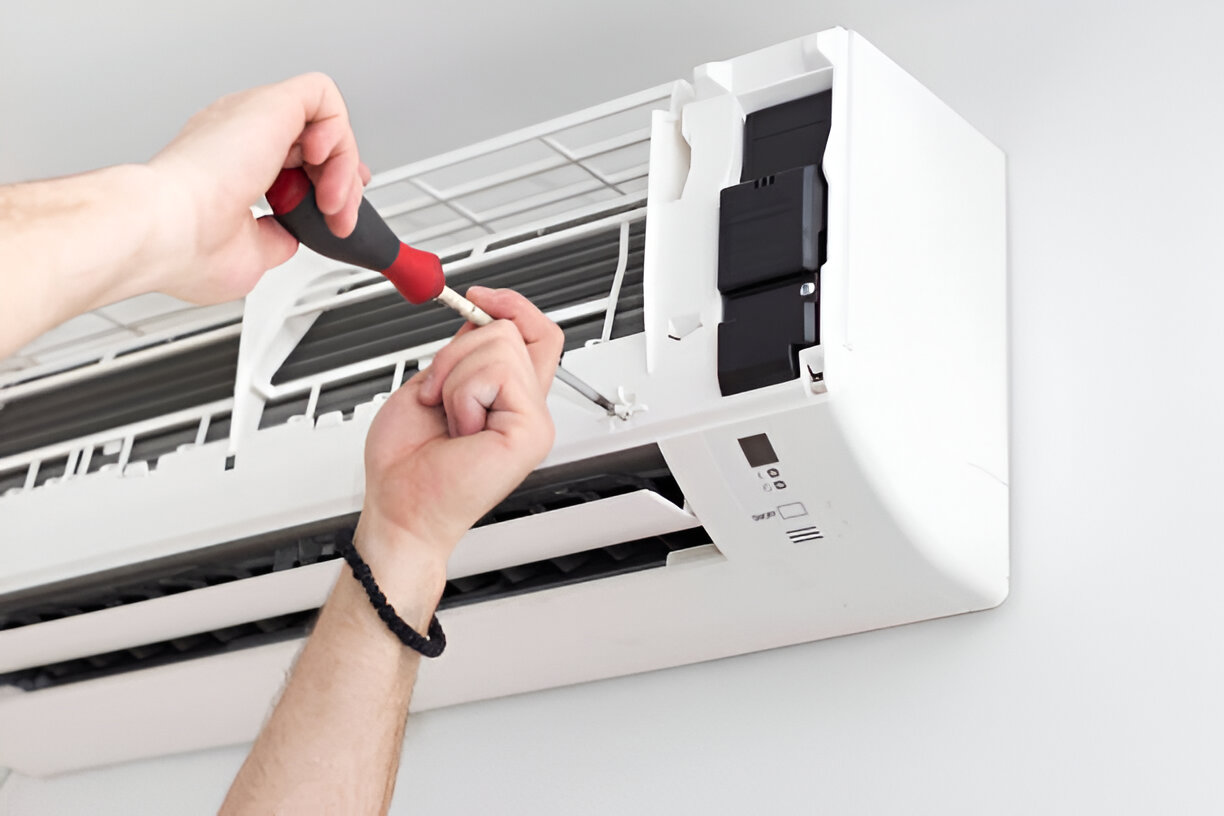
Common AC installation needs in Blacklick, OH
Homeowners in Blacklick typically look for:
- Full central air conditioning installation for older homes without modern cooling
- Replacement of aging or failing systems with higher-efficiency units
- Ductless mini-split installs for additions, garages, or rooms without ducts
- Ductwork replacement or sealing when existing ducts are undersized or leaky
- Electrical service upgrades for modern AC condensers and compressors
- Zoning and thermostat upgrades to improve comfort in two-story or open-plan homes
These needs reflect the local housing stock and climate: higher humidity, attic heat gains, and mixed-age neighborhoods mean sizing, air distribution, and humidity control are top priorities.
Accurate home assessment and load calculations
A professional AC installation begins with a comprehensive home assessment and load calculation. This is not a guess based on square footage. The process includes:
- A Manual J load calculation to determine the exact heating and cooling load of the home
- Evaluation of insulation levels, window type and orientation, attic ventilation, and building envelope tightness
- Assessment of existing duct layout, insulation, and leakage
- Identification of high-heat areas such as sun-facing rooms or poorly insulated attics
Accurate load calculations prevent common problems like undersized systems that run constantly or oversized units that short-cycle, both of which increase energy costs and shorten equipment life.
Selecting a properly sized, energy-efficient system
Choosing the right equipment balances efficiency, capacity, and indoor comfort:
- Efficiency: Look at SEER ratings and energy-saving features. Higher SEER improves seasonal efficiency, which matters with Blacklick’s long cooling season.
- Capacity: Systems sized to the calculated load control temperature and humidity more effectively than oversized units.
- Type: Central split systems are common for whole-home cooling; ductless mini-splits work well for rooms or homes without ducts. Heat pumps can be an efficient option for both cooling and heating in the local climate.
- Indoor air quality features: Consider advanced filtration, humidity control, and ventilation options to manage Blacklick’s humid summers and improve overall comfort.
Ductwork and electrical considerations
A new AC install often requires addressing hidden but critical systems:
- Ductwork: Properly sized and sealed ducts ensure balanced airflow. Common local issues include leaking joints, undersized returns, and poor attic duct insulation that reduce efficiency and comfort.
- Airflow testing: Measuring static pressure and airflow (CFM) verifies ducts and blower performance meet manufacturer specifications.
- Electrical: Many modern condensers require dedicated circuits, appropriate disconnects, and sometimes service panel upgrades. Proper wiring, surge protection, and code-compliant disconnects are essential for safety and reliability.
- Permits and inspections: Local codes may require permits and inspections for major HVAC work; professional installers handle these requirements to keep the job compliant.
Professional installation steps
A professional installation follows a methodical sequence to ensure safety and performance:
- Preparation and removal of the old system (when applicable) with proper disposal of components and refrigerant.
- Placement and level setting of the outdoor condenser on a pad or bracket with adequate clearance.
- Installation of the indoor coil or air handler and proper connection of refrigerant lines, condensate drain, and electrical wiring.
- Duct modifications or replacements as determined during the assessment, including sealing and insulating accessible duct runs.
- Thermostat and control installation, including zoning equipment if specified.
- System charging and balancing to manufacturer specifications.
Technicians complete each step to manufacturer tolerances to protect warranties and ensure long-term performance.
Post-install testing and commissioning
After installation, thorough testing confirms the system is operating correctly:
- Refrigerant charge verification and leak checks
- Airflow measurements and static pressure testing
- Temperature split and room-by-room comfort checks
- Safety checks for electrical connections, condensate drainage, and control operation
- Thermostat calibration and demonstration of system operation
A final walk-through explains basic operation and maintenance expectations so you understand how to keep the system performing well in Blacklick’s seasonal conditions.
Warranties and maintenance recommendations
New systems come with manufacturer warranties that typically cover major components for a specified time and may require professional installation to remain valid. Standard post-install recommendations include:
- Enrolling in a regular maintenance plan for annual tune-ups and priority service
- Scheduling the first maintenance visit within the first year to validate warranty conditions and optimize performance
- Keeping records of maintenance visits to support warranty claims
Maintenance plans often extend equipment life, improve efficiency, and reduce the risk of unexpected breakdowns during peak summer months.
Financing and long-term value
Financing options are frequently available to spread the cost of a new AC installation over time. Investing in a properly sized, high-efficiency system yields measurable long-term value through reduced energy bills, more consistent comfort, better humidity control, and fewer repair costs. When evaluating options, consider lifetime operating costs and comfort improvements, not just upfront price.
Post-install maintenance tips for Blacklick homeowners
Simple habits help protect your investment:
- Replace filters regularly and use higher-efficiency filters as recommended
- Keep the outdoor unit clear of debris, vegetation, and snow in winter
- Ensure condensate drains remain clear to prevent backups and indoor moisture problems
- Schedule annual HVAC tune-ups to verify refrigerant levels, clean coils, and inspect electrical connections
- Seal and insulate accessible ductwork in attics and crawlspaces to reduce energy loss
Proper maintenance maintains comfort and efficiency in Blacklick’s humid summers and variable seasonal temperatures.
Hot Deals & Cool Savings

.webp)
New Service Agreement Membership
.webp)
Any New Client Service
Next Service for Referring a New Client
New Service Agreement Membership
Any New Client Service
Next Service for Referring a New Client
.webp)
.webp)

Service Areas
