
Water Heater Replacement in Obetz, OH
Water heater replacement in Obetz, OH with expert installation, quick cost comparison, and proper disposal. Schedule installation today.

Water Heater Replacement in Obetz, OH
Replacing an aging or failing water heater is one of the most effective ways to restore reliable hot water, cut energy waste, and avoid damage from leaks or ruptures. For homeowners in Obetz, OH, local weather, water quality, and building styles influence the best replacement choice.
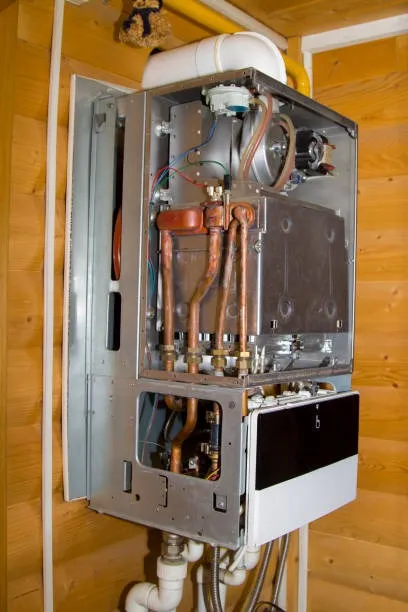
Common water heater issues in Obetz, OH
Homes in the Obetz area often face several recurring problems that signal replacement is the right course:
- Uneven or insufficient hot water and reduced capacity during cold months.
- Rusty or discolored water from a failing tank or corroded components.
- Loud popping, banging, or rumbling due to sediment buildup from moderately hard local water.
- Visible leaks or pooling around the tank, indicating imminent failure.
- Repeated repairs, rising energy bills, or a unit older than its expected service life.
Recognizing these signs early prevents emergency replacements and the secondary damage that leaking tanks can cause.
How we evaluate your existing system
A thorough evaluation guides a smart replacement decision. Key diagnostic steps include:
- Age and remaining service life assessment of the current unit.
- Inspection for corrosion, leaking, and tank integrity.
- Capacity needs analysis based on household size, peak demand, and fixtures.
- Fuel-source review (natural gas, electric, or propane) and existing venting or electrical capacity.
- Water quality check for sediment and hardness that affect tank longevity and efficiency.
- Site constraints such as basement clearance, attic placement, or exterior unit location.
This evaluation defines whether a like-for-like replacement makes sense or whether upgrading to a more efficient technology yields better long-term value.
Replacement options and energy-efficiency comparisons
Homeowners in Obetz have several suitable replacement paths. Each option balances upfront cost, operating expense, and performance in Ohio climate conditions.
- Standard tank water heaters (gas or electric)
- Pros: Lower initial cost, straightforward replacement in existing footprints.
- Cons: Higher standby heat loss and shorter lifespan compared with some alternatives.
- High-efficiency condensing gas tanks
- Pros: Better combustion efficiency for gas users, lower fuel costs for comparable capacity.
- Cons: Requires proper venting and may cost more up front.
- Heat pump (hybrid) water heaters
- Pros: Significantly lower electricity use for hot water in moderate-attic or basement locations.
- Cons: Performance can drop in very cold spaces; benefits are highest when installed in conditioned or semi-conditioned areas.
- Tankless (on-demand) water heaters
- Pros: Eliminates standby losses and provides continuous hot water; smaller footprint.
- Cons: Higher initial cost and may require upgraded gas line or electrical service for whole-home setups.
- Indirect-fired or solar-ready systems
- Pros: Works well with existing boilers or future solar thermal additions for households seeking renewable energy integration.
- Cons: More complex system design and higher initial investment.
Energy savings depend on your current system, household usage patterns, and Obetz heating fuel costs. In general, moving from an old conventional tank to a high-efficiency condensing gas unit, a heat pump, or a tankless solution reduces operating costs and carbon footprint over the unit’s service life. A lifecycle comparison during evaluation will estimate payback time and long-term savings.
Removal and disposal process
Safe removal and responsible disposal are part of professional replacement:
- Disconnect fuel and power sources and drain the old tank following safety procedures.
- Remove the unit while protecting floors and surrounding finishes.
- Inspect surrounding plumbing, venting, and substrates for water damage or code issues.
- Dispose of the old tank in accordance with local Obetz and Franklin County regulations; metal recycling and safe disposal of oil or other contaminants are included.
- Prepare the space for the new installation, addressing any required upgrades such as new venting, electrical circuits, or gas line sizing.
Documenting disposal and recycling helps with municipal compliance and warranty records.
Installation, testing, and commissioning
A correct installation ensures efficiency, safety, and longevity. Typical installation steps:
- Site preparation and secure mounting or placement for the new unit.
- Connect fuel or electrical service to meet manufacturer specifications and local code.
- Install or upgrade venting, combustion air, or exhaust as required for gas units.
- Connect cold and hot water lines, install a temperature and pressure relief valve, and include an expansion tank where required.
- Configure controls, temperature settings, and any recirculation or smart controls.
- Perform leak and pressure tests, and for gas units run combustion analysis to verify safe operation.
- Commissioning includes a full system test under load to confirm adequate hot water delivery and stable temperatures.
Proper documentation of settings and guidance on operation is part of final commissioning to ensure predictable performance in Obetz seasonal conditions.
Warranty, code compliance, and maintenance follow-up
Manufacturer warranties vary by product; replacements should include registration for warranty and clear documentation of installed components. Compliance with local building codes and permits is essential for safe operation and insurance considerations.
Recommended maintenance to preserve efficiency and avoid premature failure:
- Annual flush to remove sediment and reduce popping noises and heat transfer loss.
- Check and, if necessary, replace the sacrificial anode rod every few years in tank systems to slow corrosion.
- Test the temperature and pressure relief valve annually.
- For homes with hard water, consider a water softener or regular descaling to protect heat exchangers and tank interiors.
- Heat pump units benefit from periodic airflow and refrigerant checks; tankless units require descaling based on water hardness and usage.
A maintenance plan prolongs equipment life, preserves efficiency, and reduces the likelihood of emergency service calls.
Why timely water heater replacement matters for Obetz homes
Obetz homeowners face cold winters and variable water quality that can accelerate wear on water heaters. Replacing an aging or failing unit promptly restores reliable hot water, prevents the major property damage risk from tank leaks, and reduces ongoing energy costs with modern, more efficient technology. Selecting the right system for your home’s layout, fuel source, and long-term goals results in improved comfort, predictable operating costs, and a solution tailored to Obetz living conditions.
This overview guides decision-making for a full water heater replacement, focusing on practical evaluation, suitable energy-efficient options, safe removal, professional installation, and ongoing maintenance to protect your investment.
Hot Deals & Cool Savings

.webp)
New Service Agreement Membership
.webp)
Any New Client Service
Next Service for Referring a New Client
New Service Agreement Membership
Any New Client Service
Next Service for Referring a New Client
.webp)
.webp)

Service Areas
