
Water Heater Replacement in Berwick, OH
Berwick, OH water heater replacement guide: learn when to replace, installation options, costs, rebates, and energy savings. Learn more.

Water Heater Replacement in Berwick, OH
Replacing a water heater is a significant home investment. In Berwick, OH, where cold winters increase hot water demand and rising energy costs affect household budgets, choosing the right replacement matters.
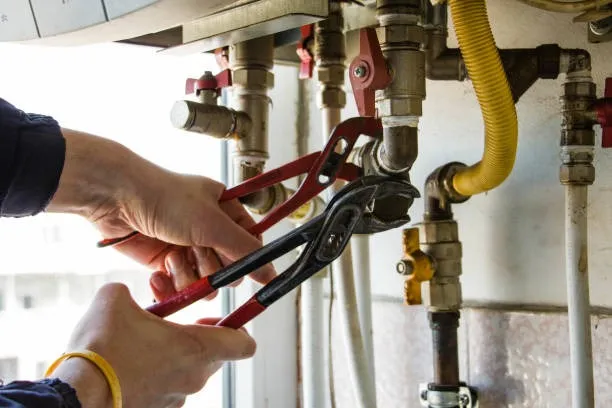
Why consider water heater replacement in Berwick, OH
- Ohio winters often mean extended runs for showers, dishwashers, and clothes washers, leading to accelerated wear on older units.
- Older tank water heaters lose efficiency and can rust from mineral buildup common in regional water chemistry, causing leaks and reduced capacity.
- Replacing an inefficient unit can reduce energy bills and improve hot water reliability, especially in homes with growing hot water needs.
Common water heater problems and when replacement is the better option
Repair is sometimes sufficient, but replacement is recommended if you experience:
- Recurrent leaks or visible corrosion on the tank
- Age greater than 10-15 years for tank models, or more than 10 years for conventional tankless systems depending on maintenance history
- Rusty or discolored hot water, or persistent sediment buildup affecting performance
- Reduced hot water capacity or long recovery times despite repairs
- Rising energy bills tied to declining efficiency
- Failed elements, burners, or heat exchangers that would cost a large percentage of replacement price to repair
These are common water heater replacement issues in Berwick, OH, driven by local climate stress and typical home usage patterns. When repair costs approach 50% or more of a new unit, replacement is usually the more economical choice.
Evaluation of your existing system
A thorough evaluation includes:
- Age and model assessment to estimate remaining service life
- Visual inspection for corrosion, leaks, and flue or venting integrity
- Measurement of incoming water hardness and sediment levels
- Performance check: temperature, recovery time, and flow rate at multiple fixtures
- Fuel type and availability check: natural gas, propane, electric, or hybrid options
- Review of installation location for ventilation, clearances, and code compliance
This diagnostic identifies whether targeted repairs can restore reliable service or replacement will deliver better long-term value.
Replacement options and long-term costs and benefits
Common replacement choices for Berwick homes:
- Conventional tank water heaters (gas or electric)
- Pros: Lower upfront cost, reliable supply for households with predictable demand
- Cons: Higher standby heat loss and shorter lifespan
- High-efficiency condensing gas tanks
- Pros: Better efficiency for homes with substantial hot water use
- Cons: Higher upfront cost, may need condensate drainage
- Tankless (on-demand) water heaters
- Pros: Reduced energy consumption for many households, virtually unlimited hot water, smaller footprint
- Cons: Higher initial cost, may need upgraded gas lines or electrical service, performance limited for simultaneous high-flow uses unless multiple units or larger models installed
- Heat pump water heaters (hybrid)
- Pros: Very high efficiency on electric systems, significant energy savings where space and ambient conditions permit
- Cons: Best in conditioned spaces with moderate ambient temperatures; less efficient in unheated garages in colder months
- Indirect water heaters (connected to boiler)
- Pros: Efficient where a high-efficiency boiler is already present
- Cons: Requires compatible boiler and system design
Long-term costs to consider: initial purchase and installation, fuel or electricity usage, maintenance, expected lifespan, and potential upsizing of home infrastructure. In Berwick, higher winter usage and local energy rates can make efficiency gains more impactful over the unit’s life.
Removal and disposal of the old unit
Proper removal includes:
- Safe disconnection of gas, electric, and water lines
- Drain and neutralize residual water, handling sediment safely
- Environmental disposal of the tank and recovery of refrigerants if applicable
- Recycling of metal components when possible
- Documentation of safe disposal per local regulations
Disposal practices in Berwick must comply with regional waste and environmental rules; responsible removal prevents contamination and frees up space for new equipment.
Replacement installation process and expected timeline
Typical steps:
- Site preparation and final system sizing based on household demand
- Permitting if required by local codes
- Removal of old unit and preparation of piping, venting, and electrical or gas connections
- Installation of new unit, including any necessary upgrades (venting, expansion tank, pressure relief, or condensate drainage)
- Startup, calibration, and safety checks (combustion analysis for gas units, leak tests, temperature settings)
- Short walkthrough on basic operation and maintenance recommendations
Expected timeline: most residential replacements are completed in one day for standard tank replacements. More complex installations (tankless, heat pump, gas line upgrades, or permits) may take 1-3 days depending on site conditions.
Guarantees, warranties, and service expectations
- New water heaters come with manufacturer warranties for parts and tanks or heat exchangers; read warranty terms and expected lifespan.
- Labor guarantees vary; confirm workmanship warranties covering installation-related issues for a defined period.
- Ensure venting, pressure relief, and expansion devices are installed to code to protect warranty validity and ensure safety.
Energy savings and rebate opportunities
- Upgrading to a high-efficiency tank, tankless, or heat pump model can reduce annual energy costs, with savings more noticeable in cold months.
- Federal, state, and utility rebates or tax incentives may apply for energy-efficient models or heat pump installations. Availability changes over time; local utility programs in Ohio sometimes offer rebates for qualifying high-efficiency units.
- Consider lifecycle cost comparisons: higher upfront cost vs projected annual energy savings over the unit’s expected life.
Choosing the right replacement for your Berwick home
Consider:
- Household hot water demand and peak simultaneous uses
- Fuel availability and local energy prices
- Space constraints and ventilation options in the mechanical area
- Water quality and hardness; hard water may favor easier-to-service tank systems or require water treatment to protect tankless heat exchangers
- Long-term plans: remodeling, adding bathrooms, or switching fuel sources
A properly sized, code-compliant installation matched to your usage patterns will deliver the best balance of performance, reliability, and operating cost in Berwick homes.
Maintenance tips after replacement
- Flush tank-type heaters annually to remove sediment and extend life
- Inspect pressure relief valves and anode rods every 1-3 years
- For tankless units, arrange periodic descaling if water hardness is high
- Keep vents and combustion air pathways clear, and monitor for unusual noises or performance changes
Replacing a water heater correctly improves comfort, safety, and energy efficiency. For Berwick, OH households facing frequent cold-season demand, mineral-related wear, or rising energy expenses, a thoughtful replacement strategy delivers reliable hot water and predictable long-term costs.
Hot Deals & Cool Savings

.webp)
New Service Agreement Membership
.webp)
Any New Client Service
Next Service for Referring a New Client
New Service Agreement Membership
Any New Client Service
Next Service for Referring a New Client
.webp)
.webp)

Service Areas
