
Water Heater Installation in Canal Winchester, OH
Water heater installation in Canal Winchester, OH helps ensure reliable hot water, energy efficiency, and code-compliant safety; schedule your assessment today.

Water Heater Installation in Canal Winchester, OH
Replacing or installing a water heater is one of the most impactful upgrades you can make for comfort, efficiency, and property reliability in Canal Winchester, OH. Whether you live in an older home near downtown or a newer subdivision on the city edge, the right water heater installation addresses year-round needs — reliable hot water in freezing winters, efficient operation in warm months, and code-compliant, safe installation that protects your home from leaks and venting issues.
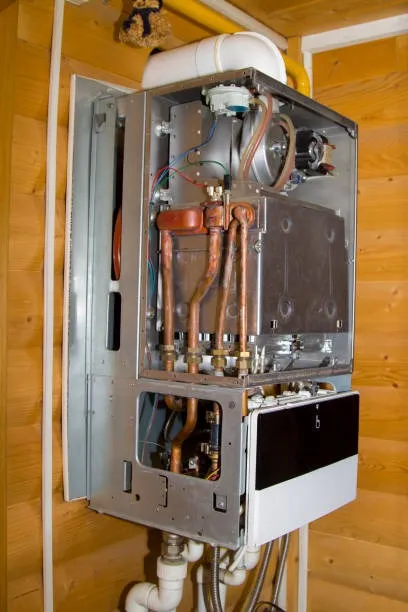
Common water heater issues in Canal Winchester homes
- Age-related failure: Many leaks and reliability problems come from units older than 10–15 years.
- Insufficient capacity: Homes with growing families or added bathrooms often run out of hot water during peak times.
- High energy bills: Older tanks and inefficient units drive higher utility costs, especially through cold Ohio months.
- Improper venting or combustion issues: Gas units with compromised vents or drafts can cause safety and efficiency problems.
- Freeze or exposure risks: Units located in garages, crawlspaces, or exterior closets need freeze protection and adequate insulation.
Site assessment and sizing recommendations
A professional installation begins with a thorough site assessment. For Canal Winchester properties this typically includes:
- Inspecting the proposed location (basement, utility closet, garage) for clearance, ventilation, and ease of access.
- Checking fuel type and supply: natural gas lines, high-voltage electric, or compatibility for heat pump units.
- Identifying existing venting, drain accessibility, and floor/structural constraints.
- Evaluating household hot water patterns to recommend capacity: tank sizes are usually selected by peak hour demand (gallons), while tankless systems are sized by simultaneous flow rate (gallons per minute).
- Noting local weather effects: exterior or partially exposed installations require extra insulation and condensation protection for Canal Winchester winters.
Sizing basics:
- For tank systems, choose a tank with first-hour rating that matches peak usage (family size, number of bathrooms).
- For tankless systems, select a unit that can deliver the required GPM at expected incoming water temperatures during Ohio winters. Cold groundwater lowers output; installers factor that in for Canal Winchester homes.
Tank vs tankless vs heat pump — what fits Canal Winchester homes
- Traditional tank heaters: Simple, lower upfront cost, reliable storage of hot water. Best for households with predictable peak demands.
- Tankless (on-demand): Provide continuous hot water and can be more efficient long-term, especially for households with staggered usage. Require correct sizing and often upgraded gas lines or electrical service. Performance can dip in very cold inlet temperatures unless sized appropriately.
- Heat pump water heaters (hybrid): Much higher efficiency in conditioned spaces; ideal for basements or mechanical rooms that stay above freezing. They save energy but need sufficient space and clearance.
Each option has trade-offs in installation complexity, space needs, and long-term energy costs. An installer familiar with Canal Winchester conditions will recommend the best match based on real usage and local climate.
Energy-efficiency and cost considerations
- Efficiency choices affect monthly utility bills and payback over time. High-efficiency tank and tankless models reduce energy consumption; heat pump models can deliver the largest savings in suitable locations.
- Insulation, pipe wrap, and smart controls increase efficiency regardless of unit type.
- Consider lifecycle costs: initial investment vs estimated energy savings and expected service life. Local fuel prices and seasonal usage patterns in central Ohio are part of that calculation.
Permit, inspection, and code compliance in Canal Winchester
Permits and compliance are an essential part of professional water heater installation. Typical requirements include:
- Permit filing with local building or plumbing authorities (Franklin and Fairfield county jurisdictions).
- Adherence to plumbing and mechanical codes for venting, combustion air, gas connections, electrical work, and seismic or strapping requirements if applicable.
- Installation of safety components: temperature and pressure relief valve, drain pan where required, proper discharge piping, and expansion tank for closed domestic systems.
- Final inspection and sign-off by municipal inspectors to confirm code compliance and safe operation.
Local installers are familiar with Canal Winchester permitting processes and inspection scheduling to ensure a code-compliant outcome.
Step-by-step installation overview
- Pre-install assessment and unit selection based on site and sizing.
- Secure necessary permits and plan for any utility upgrades (gas line, electrical service, venting).
- Old unit removal: safe drain, disconnect fuel/electrical, and remove according to local regulations.
- Install new unit: mount, connect water lines, install pressure relief and expansion devices, complete venting and combustion air provisions for gas units, connect electrical or gas, and install drain pan if needed.
- System startup and testing: pressure check, leak inspection, combustion analysis for gas units, and temperature verification.
- Final adjustments, documentation of work performed, and preparation for inspection.
Many straightforward residential installations are completed in a single day, while projects requiring utility upgrades, relocation, or structural changes may take longer.
Typical project timelines and pricing factors
- Timelines range from several hours for like-for-like replacements to multiple days for system upgrades or relocations. Seasonal demand (cold-weather months) can affect scheduling.
- Pricing varies by unit type, capacity, required utility upgrades, venting complexity, and permit/inspection needs. Additional factors in Canal Winchester include whether the unit location needs freeze protection, insulation upgrades, or structural modifications.
Warranty and maintenance plans
Manufacturers typically provide equipment warranties; installer workmanship warranties cover labor and installation-related issues. Recommended maintenance services available include:
- Annual inspections and tune-ups, including anode rod checks for tanks.
- Descaling or flushing to manage mineral buildup in hard water conditions common in the region.
- Combustion and venting checks for gas units and performance verification for tankless systems.
Regular maintenance extends equipment life, maintains warranty compliance, and prevents common failures.
Financing and rebates in central Ohio
Financing options are often available through installation providers or third-party lenders to spread upfront costs. Utility companies, state programs, and federal incentives occasionally offer rebates or tax credits for high-efficiency water heaters and heat pump systems. Availability can change, so installers working in Canal Winchester typically verify current local incentives and help identify eligibility during the assessment.
How estimates are prepared (what installers need)
To prepare an accurate, no-surprise estimate, installers generally gather:
- Current water heater type, age, and exact location.
- Household size and peak hot water usage patterns.
- Preferred fuel type (gas, electric, heat pump) and any constraints (panel capacity, gas line size).
- Access for equipment delivery and space measurements.
- Any desired upgrades: venting, seismic strapping, insulation, or relocation.
Providing these details during the assessment leads to a clear, itemized installation plan that reflects Canal Winchester-specific conditions.
Final considerations and maintenance tips
- Prioritize correct sizing over lowest upfront cost to avoid performance problems.
- Protect external or garage-located units from freezing with appropriate insulation and drain pan solutions.
- Schedule regular maintenance to prevent sediment buildup and maintain efficiency.
- Factor in permits and inspection timing when planning installations, especially in winter months when demand increases.
A properly planned and executed water heater installation in Canal Winchester, OH, improves home comfort, reduces energy waste, and safeguards the property. Choosing the right system and following local codes are the foundations of a reliable hot water solution for your home.
Hot Deals & Cool Savings

.webp)
New Service Agreement Membership
.webp)
Any New Client Service
Next Service for Referring a New Client
New Service Agreement Membership
Any New Client Service
Next Service for Referring a New Client
.webp)
.webp)

Service Areas
