
Water Heater Installation in Brice, OH
Professional water heater installation in Brice, OH: expert assessment, sizing, fuel options, permits, and energy-efficient choices. Schedule your installation today.

Water Heater Installation in Brice, OH
Replacing or installing a water heater is a major home improvement decision for Brice, OH homeowners. A properly sized, code-compliant unit reduces cold showers, energy waste, and costly emergency repairs.
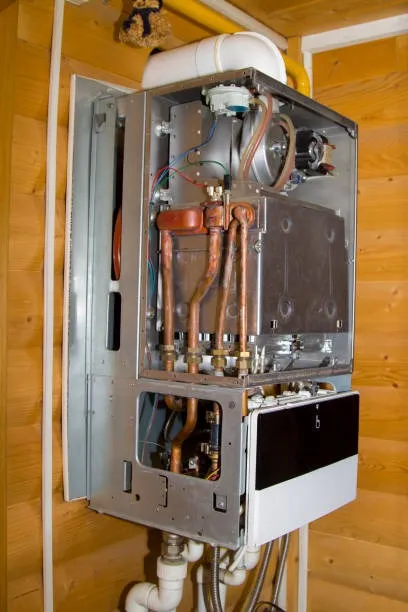
Why a professional pre-installation assessment matters
Before any installation, a technician conducts a detailed pre-installation assessment to match the system to your household needs and the site:
- Review household hot water demand (number of occupants, bathrooms, appliances, peak simultaneous use).
- Inspect the existing plumbing, gas or electrical service, and venting paths.
- Check for space constraints, structural access, and placement options (basement, garage, utility closet).
- Evaluate water quality (hardness and sediment) that affects lifespan and performance.
- Confirm local permit and inspection requirements with Brice/Franklin County jurisdictions.
This assessment prevents undersizing or mismatch of fuel type and reveals whether simple replacement or a conversion (electric to gas, tank to tankless, etc.) is needed.
Sizing and capacity recommendations
Sizing is about peak hour needs and recovery rate, not just tank volume.
- Conventional tank systems: Typical guidelines are 40 gallons for 1-2 people, 50-60 gallons for 2-4 people, and 75-100+ gallons for larger households or homes with high simultaneous demand.
- Tankless (on-demand) systems: Choose based on flow rate (gallons per minute) and temperature rise required in winter. A whole-house unit often ranges from 6 to 10+ GPM depending on simultaneous fixtures.
- Hybrid heat pump water heaters: Best when basement or conditioned utility space offers moderate ambient temperatures to maximize efficiency.
Technicians will calculate estimated daily use and peak hour demand to recommend a proper capacity and model with an appropriate Uniform Energy Factor (UEF) rating.
Fuel-type options and what fits Brice homes
- Gas (natural gas or propane): Fast recovery and lower operating cost for many homes. Requires proper venting and gas-line sizing.
- Electric resistance: Simple installation with no venting; may require electrical panel or circuit upgrades.
- Hybrid heat pump: Highly efficient for average climates; extracts heat from surrounding air for substantial energy savings.
- Tankless (gas or electric): Endless hot water with smaller footprint and lower standby losses; may require upgrades to gas line or electrical service.
In Brice, OH, cold winter temperatures increase the benefit of higher recovery rates and better insulation. Professionals often recommend insulating inlet/outlet piping and considering a hybrid or tankless solution for energy savings over time.
Site preparation, venting and plumbing requirements
Proper site preparation protects the home and ensures code compliance:
- Clear access to the installation area, including a stable, level surface for the unit.
- Adequate venting for combustion appliances: direct venting, power venting, or standard atmospheric venting per the model and local code.
- Gas line sizing and shutoff valve placement for gas units; proper electrical circuit and breaker capacity for electric or heat pump units.
- Drain pan with a dedicated drain or pump if the unit is in a finished area.
- Proper installation of temperature and pressure relief valve (TPR) with safe discharge termination point per local code.
- Condensate drainage for high-efficiency condensing units.
Technicians will document required modifications and permit needs identified during the assessment.
Professional installation steps and timeline
Typical professional installation flow:
- Arrival and safety setup: isolate utilities, confirm work plan.
- Old unit removal: drain tank, disconnect fuel/electrical, and safely remove the existing heater.
- Site preparation: make any plumbing, electrical, or venting adjustments; install drain pan or line modifications as needed.
- New unit placement and connections: install unit, connect gas/electric, venting, and water lines.
- Startup and testing: fill system, purge air, check gas connections, ignite pilot or start electric, verify proper operation.
- Final inspection and cleanup: ensure leak-free connections, secure vent terminations, and remove debris.
Typical durations:
- Like-for-like tank replacement: usually 3 to 6 hours.
- Switches (electric to gas, tank to tankless, or moving location): can take a day or longer depending on required plumbing, gas line, or electrical work.
- Hybrid or heat pump installs: 4 to 8 hours depending on electrical upgrades.
Install day includes safety checks and an overview of operation, temperature settings, and maintenance tips.
Permits, code compliance and inspections
Permits are commonly required for water heater installations to verify safety and compliance with Ohio plumbing and mechanical codes and local Brice/Franklin County requirements. Inspections ensure:
- Proper venting and combustion air for gas appliances.
- Correct electrical connections and breaker sizing.
- Safe discharge for TPR valves and condensate if applicable.Licensed professionals handle permit submission and coordinate inspections with local authorities to meet code and insurance standards.
Post-installation testing and warranty information
After installation, expect thorough testing:
- Leak checks on all connections.
- Combustion and CO testing on gas units.
- Verification of thermostat operation and safety controls.
- Hot water temperature verification and pressure relief function testing.
New units come with manufacturer warranties on the tank, parts, and components. Installers typically provide documentation of warranties, operation manuals, and recommended maintenance schedules. Keeping records of permit and inspection documentation is important for resale or warranty claims.
Energy-efficiency options, rebates and financing
Energy-efficient choices reduce long-term operating costs:
- High-efficiency condensing gas units and heat pump hybrids deliver superior efficiency.
- Tankless options eliminate standby losses and can be more efficient in households with lower continuous demand.
- Insulating pipes and setting appropriate thermostat temps further reduce energy use.
Homeowners in Brice may qualify for utility rebates, state incentives, or federal tax credits for certain high-efficiency or heat pump water heaters. Financing options are frequently available through third-party providers to spread installation costs over time. Professionals will identify eligibility during the assessment and include efficiency comparisons in their recommendations.
Local considerations for Brice, OH homes
Brice experiences cold winters and warm, humid summers. Cold inlet water raises the required temperature rise for tankless systems in winter, affecting unit sizing. Ohio water can be hard in many areas, so scale buildup is a common cause of reduced efficiency and shortened equipment life. Where hard water is present, scale management—either softening, scale inhibitors, or more frequent maintenance—will improve performance and longevity.
Maintenance and lifespan expectations
With proper installation and routine maintenance (annual inspections, flushing tanks where applicable, and addressing scale), tank water heaters typically last 8 to 12 years; tankless and heat pump units often last longer with proper care. Regular maintenance protects warranties and maintains efficiency.
This overview gives Brice homeowners a clear, expert roadmap for water heater installation in Brice, OH: from assessment and sizing through permits, installation day, testing, efficiency choices, and local considerations that affect performance and costs over time.
Hot Deals & Cool Savings

.webp)
New Service Agreement Membership
.webp)
Any New Client Service
Next Service for Referring a New Client
New Service Agreement Membership
Any New Client Service
Next Service for Referring a New Client
.webp)
.webp)

Service Areas
