
Tankless Water Heater in Reynoldsburg, OH
Learn how tankless water heater installation in Reynoldsburg, OH delivers on-demand hot water, proper sizing, and professional setup for reliable, efficient operation.

Tankless Water Heater in Reynoldsburg, OH
Upgrading to a tankless water heater in Reynoldsburg, OH gives homes and businesses on-demand hot water with smaller footprint, longer equipment life, and the potential for lower energy use. For local property owners dealing with limited utility room space, hard water, and seasonal temperature swings, a properly sized tankless (on-demand) system can solve persistent hot water problems while fitting into existing layouts.
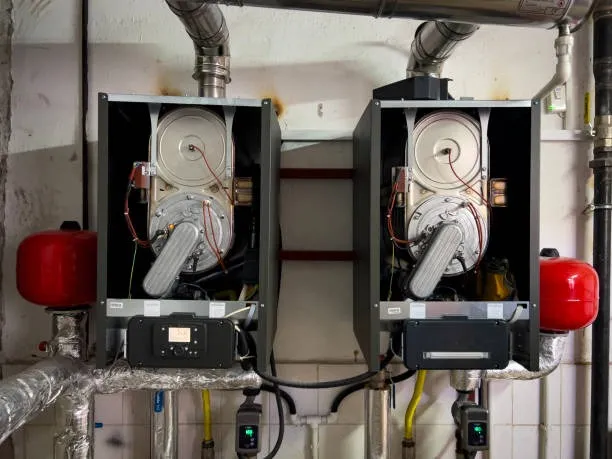
How tankless water heaters work
Tankless water heaters heat water only when you need it rather than storing heated water in a tank. When a hot water tap opens, cold water passes through a heat exchanger where a gas burner or electric element raises the temperature to the set point. Because they heat water on demand:
- You get continuous hot water for long showers or back-to-back uses.
- There is no standby heat loss from stored water.
- The unit size is compact and can be wall-mounted to free up floor space.
Why tankless is a good fit for Reynoldsburg homes
Reynoldsburg sits in central Ohio where winters are cold and groundwater temperatures drop substantially. That affects the temperature rise a unit must provide. Local homes also frequently encounter hard water that accelerates scale buildup inside heat exchangers. Key local considerations:
- Climate means you will need a unit sized for higher temperature rises in winter months.
- Hard water in the Columbus metro area increases the need for descaling or water treatment.
- Older Reynoldsburg homes may require gas line upgrades, improved venting, or electrical panel capacity increases before a tankless installation.
Common tankless water heater applications and issues
Typical reasons homeowners and businesses choose tankless:
- Desire for continuous hot water for multiple simultaneous uses.
- Need to free up mechanical room or basement space.
- Long-term replacement of aging tank-style water heaters.
Common service issues that come up in this area:
- Reduced flow or fluctuating temperature caused by scale buildup.
- Insufficient gas supply or undersized ventilation in older homes.
- Electrical service limitations for high-capacity electric tankless units.
- Incorrect unit sizing leading to inadequate flow at the required temperature rise.
Suitability assessment for your home or business
A proper suitability check includes:
- Determining available fuel: natural gas, propane, or electric. Natural gas remains the most common and cost-effective option for whole-home tankless units where gas service is available.
- Verifying gas line capacity and pressure for gas-fired models.
- Checking electrical service and breaker capacity for electric units or controls.
- Evaluating venting routes and whether existing chimney or direct-vent options meet code.
- Testing incoming water temperature and hardness to calculate required temperature rise and estimate scale risk.
A professional assessment will combine these elements to recommend whether a tankless unit is appropriate and what upgrades may be needed.
Selecting the correct capacity and model
Sizing a tankless unit focuses on two factors: required flow rate and temperature rise.
- Flow rate: Add up peak simultaneous fixture flow rates (for example, shower, faucet, dishwasher). Typical fixture flow estimates are:
- Shower: about 1.5 to 2.5 gallons per minute (gpm)
- Kitchen faucet: 1.0 to 1.5 gpm
- Dishwasher: 1.0 to 2.0 gpmAdd the fixtures you expect to run at the same time to get peak gpm.
- Temperature rise: Subtract the incoming groundwater temperature in winter from your desired outlet temperature (often around 110 degrees Fahrenheit for showers). In central Ohio, incoming water can be near 40 degrees in winter, so the required rise can be substantial.
Choose a tankless model rated to deliver your peak gpm at that required temperature rise. Manufacturers publish performance curves showing gpm vs temperature rise. When in doubt, select a unit with a little extra capacity to handle colder months and future demand.
Model selection considerations:
- Fuel type and efficiency ratings.
- Condensing vs non-condensing designs (condensing units are more efficient but require corrosion-resistant venting and condensate management).
- Warranty terms and expected lifespan.
- Anti-scale features or compatibility with external water treatment.
Installation requirements and typical upgrades
Professional installation is important for safe, reliable operation and code compliance. Typical installation tasks include:
- Proper venting design and installation, including termination clearances and condensate routing for condensing units.
- Gas line sizing and pressure adjustment for gas-fired units; possible line enlargement if existing piping is undersized.
- Electrical work for ignition controls, circulation pumps, or electric tankless units; this may include new breakers or panel capacity evaluation.
- Combustion air provisioning where required by code.
- Permits and inspections from local building authorities to ensure compliance with Franklin County and Reynoldsburg codes.
Skipping professional installation often leads to poor performance, safety risks, and warranty voids.
Maintenance and expected lifespan
Tankless water heaters require proactive maintenance to preserve efficiency and longevity, especially with hard water:
- Descale or flush the heat exchanger annually or per manufacturer recommendations to remove mineral deposits. Frequency depends on water hardness and usage.
- Clean or replace inlet strainers and water filters regularly.
- Inspect venting, condensate traps, and combustion components yearly.With routine maintenance, tankless units commonly last significantly longer than tank-style heaters, often well beyond a decade. Proper care minimizes service interruptions and keeps efficiency high over time.
Repair and troubleshooting overview
Typical repairs and service tasks include:
- Descaling and heat exchanger cleaning to restore flow and temperature consistency.
- Replacing ignition components, sensors, or control boards as they age.
- Fixing leaks or corrosion in water connections or condensate lines.
- Reconfiguring venting or gas supply if demand increases.
Prompt attention to fluctuating temperatures or reduced flow prevents larger failures and extends equipment life.
Long-term value and considerations
Tankless water heaters offer space savings, potentially lower energy use, and longer service life. The exact financial return depends on household hot water demand, local energy prices, fuel type, and the cost of any necessary upgrades (gas piping, venting, or electrical). For Reynoldsburg properties, consider:
- The impact of colder incoming water on required unit capacity.
- Costs and benefits of installing water treatment to reduce scale and maintenance.
- Whether a point-of-use unit or whole-home system is the best fit for the property layout and hot water usage patterns.
Choosing the right tankless water heater and maintaining it according to local water conditions ensures reliable performance and maximizes the investment for Reynoldsburg homes and businesses.
Hot Deals & Cool Savings

.webp)
New Service Agreement Membership
.webp)
Any New Client Service
Next Service for Referring a New Client
New Service Agreement Membership
Any New Client Service
Next Service for Referring a New Client
.webp)
.webp)

Service Areas
