
Tankless Water Heater in Blacklick, OH
Tankless water heater installation in Blacklick, OH delivers hot water on demand with energy savings. Learn more and schedule service.

Tankless Water Heater in Blacklick, OH
Switching to a tankless (on-demand) water heater is a common decision for Blacklick, OH homeowners who want continuous hot water, improved energy efficiency, and better use of limited utility space.
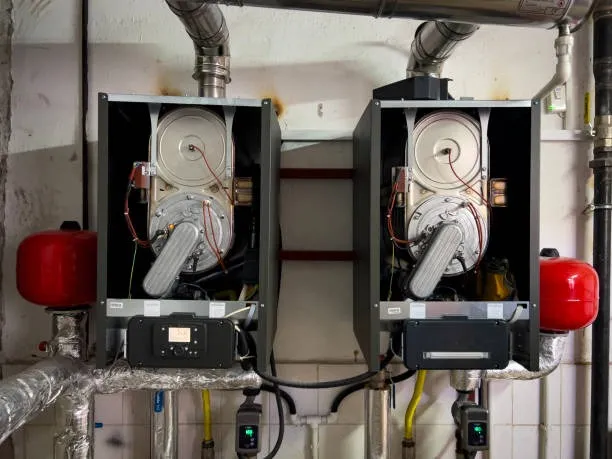
How tankless water heaters work
A tankless water heater heats water only when you open a tap. Instead of storing hot water in a tank, cold water flows through a heat exchanger and is heated immediately by a gas burner or electric element. That process means:
- Continuous hot water for showers, appliances, and simultaneous fixtures within the system limits.
- Lower standby energy loss compared with traditional tanks because there is no stored hot water to cool down.
- Smaller footprint — units are wall mounted and free up utility closet or basement space.
Why tankless water heaters make sense in Blacklick, OH
Blacklick experiences cold winters that lower incoming groundwater temperatures, which affects tankless performance and sizing. Many homes in the area are served by natural gas, making gas-fired tankless units a strong option for high flow and cold-weather performance. Key local benefits include:
- Better cold-weather performance with properly sized units to account for low inlet temperatures.
- Space savings for suburban homes where garage, basement, or utility closet space is valuable.
- Potential energy savings in a climate with significant heating demand where households want to reduce utility waste.
Common tankless water heater types and suitability
- Gas condensing units: High efficiency, capture exhaust heat for extra savings. Best for larger homes or where high simultaneous demand exists.
- Gas non-condensing units: Less expensive up front, good for moderate demand and simpler venting.
- Electric units: Easier to install in homes without gas lines, good for point-of-use or small households, but may struggle to meet whole-home demand without heavy electrical upgrades.
- Point-of-use units: Small units installed near a fixture to eliminate wait time and reduce water waste. Not typically used for whole-home hot water in cold climates.
Assessing suitability for your home
Use these factors to determine whether a tankless water heater is a good fit:
- Household hot water demand: Family size, number of bathrooms, and simultaneous appliance use. Determine peak gallons-per-minute need.
- Incoming water temperature: In Blacklick winters, incoming water can be much colder, which reduces the effective output of a tankless unit. Sizing must compensate for this.
- Fuel availability: Natural gas availability supports higher-capacity units; electric may require costly panel or service upgrades.
- Venting and space: Condensing models require PVC venting and a condensate drain, while non-condensing gas units need stainless steel venting and more clearance.
- Budget and long-term goals: Consider lifecycle cost, not just purchase price.
Installation requirements and process
A professional assessment will confirm what your home needs. Typical installation components include:
- Site evaluation for vent locations, clearance, and route for water, gas, and electrical lines.
- Gas line assessment to ensure adequate supply and pressure for gas-fired units. Upgrades may be necessary in older homes.
- Electrical requirements for electric or electronic ignition models. Some gas units need a 120V connection.
- Venting and condensate management. Proper venting prevents combustion issues and protects the unit. Condensing units need a floor drain or condensate pump.
- Water treatment considerations. Hard water common in central Ohio can increase scaling risk. A softener or scale management strategy helps maintain performance.
- Permits and inspections to meet local codes and safety standards.
Installation typically involves removing an existing tank if present, mounting the new unit, connecting gas and/or electrical, installing venting, and testing at various flow rates and temperatures.
Expected costs and long-term savings
Tankless systems generally have higher initial costs than traditional tanks but lower operating costs over time. Key financial considerations:
- Higher purchase and installation cost due to unit price, venting, and any necessary gas or electrical upgrades.
- Reduced energy use because of no standby loss. Savings depend on your household hot water habits.
- Longer expected lifespan, typically 15 to 25 years with proper maintenance, compared with 8 to 12 years for tank models.
- Reduced replacement frequency and potential lower lifecycle cost when factoring energy savings and longevity.
Maintenance and lifespan
Regular maintenance is essential, especially in areas like Blacklick where hard water and seasonal temperature swings can affect performance.
- Annual descaling or flushing is recommended to prevent mineral buildup and maintain heat exchanger efficiency.
- Cleaning or replacing filters and inlet screens every few months depending on water quality.
- Inspecting venting and condensate drains annually to prevent blockages or corrosion.With routine care, tankless units commonly reach 20 years of service or more. Neglect can dramatically shorten lifespan and void warranties.
Model comparisons and warranty information
When comparing models, consider:
- Flow rate (GPM) at the temperature rise needed for Blacklick winters. Look for manufacturer specifications that show GPM at specific inlet temperatures.
- Energy factor or thermal efficiency rating to estimate operating savings.
- Condensing vs non-condensing: Condensing units cost more up front but recover more heat and can be more efficient long term.
- Warranty coverage: Heat exchanger warranties vary and are a key indicator of manufacturer confidence. Typical warranties range from 5 to 15 years on major components; parts and labor coverage can differ.
- Certifications: Look for EPA or ENERGY STAR designations where applicable for proven efficiency.
Choosing the right unit for Blacklick homes
To select the right tankless water heater in Blacklick, OH:
- Calculate peak hot water demand in gallons per minute and account for simultaneous uses.
- Estimate required temperature rise by subtracting expected inlet water temperature in winter from the desired hot water temperature.
- Choose a unit with sufficient GPM at that temperature rise, with some margin for future increases or simultaneous usage.
- Decide between gas or electric based on fuel availability, cost, and household electrical capacity.
- Factor in local water hardness and plan for water treatment to preserve the unit.
- Compare warranties and service networks to ensure reliable parts availability and support in the region.
Final considerations
A correctly sized and installed tankless water heater can provide reliable, continuous hot water, lower energy waste, and a long service life for Blacklick homeowners. Proper assessment of local winter inlet temperatures, fuel supply, venting options, and water quality will determine the right system type and size. Regular maintenance and attention to manufacturer guidelines will protect your investment and keep performance high for many years.
Hot Deals & Cool Savings

.webp)
New Service Agreement Membership
.webp)
Any New Client Service
Next Service for Referring a New Client
New Service Agreement Membership
Any New Client Service
Next Service for Referring a New Client
.webp)
.webp)

Service Areas
