
Whole House Air Filtration in Obetz, OH
Discover whole-house air filtration options for Obetz, OH homes using MERV, HEPA, and activated carbon. Learn more about installation and maintenance.

Whole House Air Filtration in Obetz, OH
Breathing clean air at home matters, especially in Obetz where seasonal pollen, humid summers, cold winters, and nearby traffic or light industrial emissions can raise indoor particle levels. Whole house air filtration systems treat the air that circulates through your HVAC system so every room benefits.
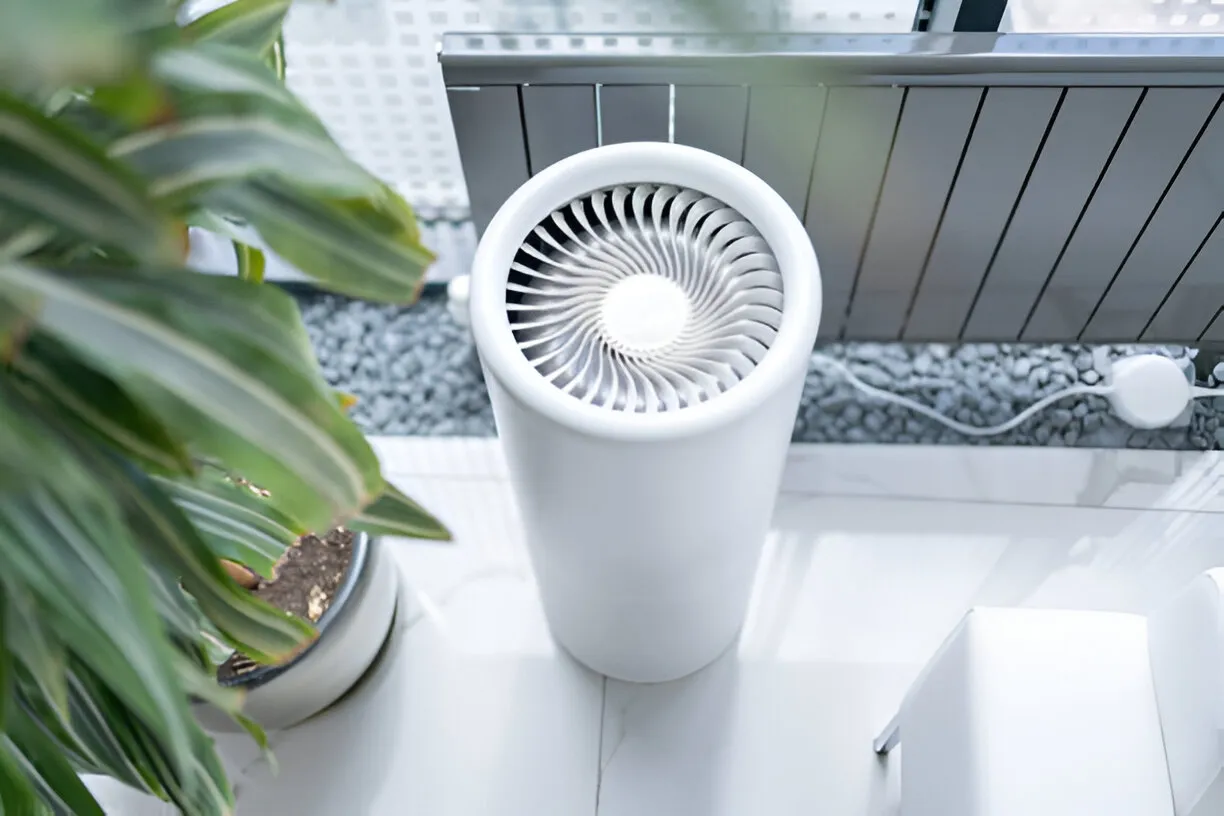
Common whole house filtration options and what they remove
- MERV-rated media filters - Frame-mounted pleated filters rated MERV 6 to MERV 13 are the most common in-duct option. Lower MERV values stop larger particles like dust and lint; MERV 11 to MERV 13 also remove fine pollen, pet dander, and some smoke particles. These are low-cost and simple to install in most furnaces and air handlers.
- True HEPA (in-duct or bypass) - True HEPA captures 99.97 percent of particles at 0.3 microns. In-duct HEPA requires either a dedicated HEPA cabinet with its own fan or an HVAC system designed to handle the higher static pressure. Best for severe allergy or asthma cases and for homes concerned with very fine particulates and wildfire smoke.
- Electronic filters and electrostatic precipitators - These use charged plates or fibers to capture fine particles. They often offer high efficiency without frequent disposable filters, but they require regular cleaning and some models can produce low levels of ozone. Good for homeowners wanting reusable filtration with periodic maintenance.
- Activated carbon and specialty media - For odors, VOCs from cleaning products, or nearby vehicle exhaust, add activated carbon stages. These target gases and smells that particle filters do not remove.
How to interpret filter ratings and pick the right efficiency
- MERV ratings and particle sizes - MERV measures efficiency across a range of particle sizes. MERV 8 is adequate for basic dust and pollen. MERV 11 to MERV 13 balances particle removal with typical HVAC airflow and is often recommended for residential allergy control. MERV 14 and above approach HEPA performance but increase air handler strain unless the system was built for high-efficiency filters.
- True HEPA when you need it - Choose true HEPA when health concerns are acute, or if wildfire smoke and fine PM2.5 are recurring problems. Ensure your HVAC can handle HEPA, or use a dedicated HEPA module with its own blower.
- Match efficiency to local contaminants - In Obetz, expect seasonal tree and grass pollen in spring and summer, mold spores during humid months, and occasional vehicular or industrial particle spikes. For typical Obetz homes with allergy concerns, MERV 11 to MERV 13 with an activated carbon stage covers most issues. For severe sensitivity or frequent smoke, consider HEPA.
Integration with HVAC systems and impacts on airflow
- Static pressure and blower load - Higher-efficiency filters create more resistance to airflow. That increases static pressure and can reduce system airflow or stress the blower if the system is not sized for the filter. Professionals measure static pressure and recommend filter grades that maintain safe airflow.
- Options to avoid performance loss - Use larger surface area filters, a filter cabinet with deeper media, or a bypass/hepa cabinet with its own fan to preserve HVAC performance. Proper sealing at filter frames and return grilles prevents bypass that nullifies filtration benefits.
- Duct condition matters - Older or leaky duct networks common in many Ohio homes can undermine filtration performance. Addressing duct leaks and adding properly sized returns improves the effectiveness and distribution of filtered air.
Installation and retrofit considerations for Obetz homes
- Assess existing equipment - A qualified technician evaluates furnace/air handler capacity, available filter slot size, and duct layout. Some retrofits are straightforward; others require a cabinet for larger media or a dedicated HEPA module.
- Space and access - Many central furnaces accept a single filter slot. When a higher-efficiency solution is needed, look for space to add a larger media housing or an in-duct module near the air handler.
- Electrical and control integration - Electronic filters and HEPA modules may need a power supply and control logic. Integrating these into existing thermostats or home automation systems ensures they run when the HVAC circulator is on.
Maintenance schedules, cleaning, and replacement expectations
- Media filters - Replace disposable MERV filters on a schedule based on efficiency and home conditions. Higher-MERV media loads faster, so expect more frequent changes in homes with pets or heavy pollen. Check filters visually and replace when visibly dirty or according to the seasonal load.
- HEPA systems - True HEPA elements have a long service life but require pre-filter replacement more often. HEPA housings should be inspected annually to confirm seals and differential pressure remain within design limits.
- Electronic filters - Clean electronic collector plates on a monthly to quarterly cadence depending on load. Failure to clean reduces effectiveness and may produce odors or ozone in some older designs.
- Activated carbon - Replace carbon cartridges based on odor breakthrough and manufacturer guidance; heavy VOC exposure shortens service life.
- Cost note - Filter and maintenance needs differ by technology. Disposable media filters are lower initial cost but recurring purchases; HEPA and electronic systems have higher initial cost and different long-term maintenance profiles.
Performance testing and indoor air quality metrics
- Particle counts and PM2.5 reductions - Use a particle counter to compare indoor versus outdoor concentrations and to quantify PM2.5 reductions after installation. A robust system should significantly reduce indoor PM2.5 and visible dust.
- Air changes and CADR - Evaluate air changes per hour (ACH) in rooms and the Clean Air Delivery Rate (CADR) equivalent achieved by the whole-house system. These metrics show how quickly the system cleans the living space.
- Static pressure and airflow tests - Technicians measure static pressure before and after upgrades to ensure filters are not restricting airflow beyond safe limits.
- Baseline and follow-up testing - Establish baseline indoor air quality and retest after filtration installation and during seasonal peaks to confirm ongoing performance.
Health and home benefits for Obetz residents
- Reduced allergy and asthma triggers - Fewer pollen grains, pet dander, and mold spores in the air can reduce symptoms and medication reliance for sensitive residents.
- Cleaner home surfaces - Effective whole-house filtration lowers settled dust and extends time between cleaning tasks.
- HVAC longevity and efficiency - When matched correctly, high-quality filtration reduces dust accumulation on coils and fans. However, if filters are too restrictive for the system, they can increase energy use or equipment wear. Proper design prevents that.
- Improved comfort during smoke events - During regional wildfire or wood smoke episodes, whole-house filtration with HEPA or high-MERV media plus carbon can measurably improve indoor air quality.
Whole house air filtration is a technical decision that balances target contaminants, HVAC capability, and maintenance willingness. For Obetz homes dealing with seasonal pollen, humidity-related mold spores, pet dander, or occasional fine-particle events, selecting the right combination of MERV-rated media, HEPA, and activated carbon stages delivers measurable improvements to health and indoor cleanliness while preserving HVAC performance. Regular testing and routine maintenance keep systems operating as intended and ensure long-term benefits.
Hot Deals & Cool Savings

.webp)
New Service Agreement Membership
.webp)
Any New Client Service
Next Service for Referring a New Client
New Service Agreement Membership
Any New Client Service
Next Service for Referring a New Client
.webp)
.webp)

Service Areas
