
Whole House Air Filtration in Linden, OH
Improve Linden, OH indoor air quality with whole-house filtration. Learn options, installation tips, and maintenance for cleaner air.

Whole House Air Filtration in Linden, OH
Whole house air filtration is a long-term solution for families in Linden, OH who want cleaner indoor air, fewer allergy flare-ups, and lower dust loads throughout their homes. With central Ohio’s seasonal pollen, temperature swings, and summer humidity that can encourage mold growth, a properly designed whole-house filtration system improves comfort and indoor health more effectively than standalone room units.
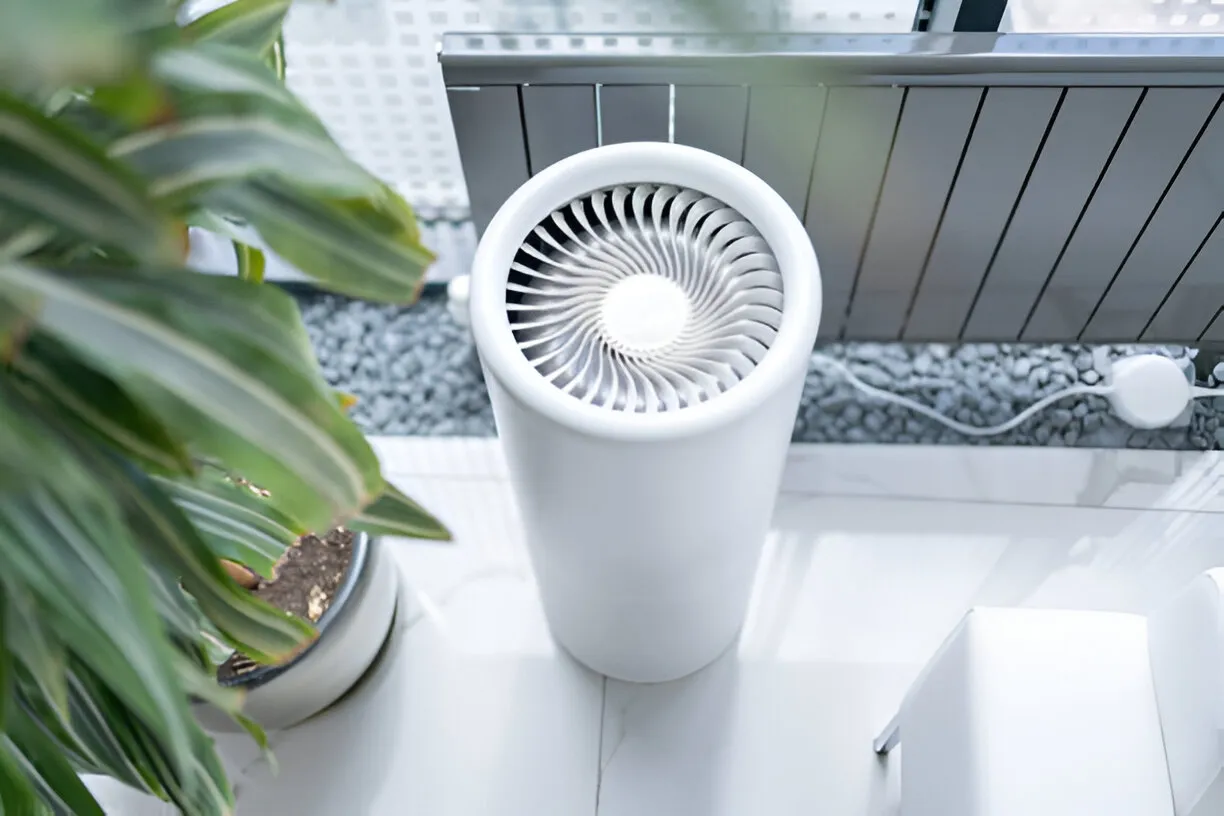
Why Linden, OH homes benefit from whole house air filtration
- Spring and early summer bring tree and grass pollen that infiltrate homes and settle in carpets and HVAC systems.
- Hot, humid summers increase the risk of mold and microbial growth in ducts and HVAC components.
- Winter heating cycles draw indoor air through furnaces and heat pumps frequently, circulating trapped dust, pet dander, and combustion particulates.
Installing whole-house filtration reduces airborne contaminants at the system level so every room receives cleaner air without moving individual purifiers.
Common whole house air filtration options
- High-efficiency media filters (pleated): These are installed in the HVAC return cabinet and come in MERV ratings from about MERV 8 to MERV 13. They balance particle removal and airflow and are the most common retrofit for existing systems.
- High-MERV options (MERV 13 and above): Capture much smaller particles including many fine aerosols and some smoke particles. These require HVAC compatibility checks because denser media increases static pressure.
- True HEPA whole-house solutions: When paired with a dedicated bypass or duct-mounted HEPA unit and compatible blower, true HEPA offers superior fine-particle removal for those with serious sensitivity. Retrofitting a whole-house HEPA system often needs larger housings and fan upgrades.
- Electronic air cleaners (electrostatic/ionizing): These use charged plates to capture particles and can be effective for fine particulates. They require regular cleaning of collection cells and may generate negligible ozone if not properly designed.
- Multi-stage systems: Combine a washable pre-filter, a high-MERV pleated filter, and optional electronic or UV stages to address a range of particulates, microbes, and some odors.
Performance against particulates and allergens
- Filters rated MERV 8 remove larger particles like dust, pollen, and lint, reducing visible dust and allergy triggers.
- MERV 11 to MERV 13 captures smaller particles such as fine dust, many smoke particles, pet dander, and a larger share of pollen and mold spores. These ratings materially reduce reported allergy symptoms for sensitive occupants.
- True HEPA and high-efficiency electronic systems capture the smallest particles, including many ultrafine particulates; however, no filtration system removes 100 percent of airborne contaminants, and gases and volatile organic compounds (VOCs) require separate adsorption or ventilation strategies.
Selection criteria for Linden homes
Consider these factors when choosing a whole-house air filtration approach:
- Household sensitivities: asthma, severe allergies, young children, elderly or immunocompromised residents require higher-efficiency solutions.
- Home size and HVAC capacity: larger homes and older furnaces may need different housings or fan upgrades to maintain airflow with high-MERV filters.
- Existing duct condition: leaky or undersized ducts reduce filtration effectiveness; sealing and balancing is often needed first.
- Local air quality drivers: if your Linden home is near busy roads, agricultural areas, or experiences seasonal smoke/pollen, prioritize higher-efficiency filtration.
- Energy and airflow trade-offs: denser filters restrict airflow; choose filters and system modifications that preserve system efficiency.
Installation and ductwork considerations
A professional installation covers several critical steps to ensure filtration works as intended:
- Evaluate your HVAC blower and static pressure limits before upgrading to high-MERV or HEPA media.
- Inspect and seal ductwork to minimize bypass and ensure all return air passes through the filter.
- Install a properly sized filter housing or dedicated in-duct unit; some solutions require a bypass or booster fan to maintain airflow.
- Place returns strategically so the system treats the whole home rather than creating dead zones.
- Coordinate with HVAC maintenance: filtration upgrades often pair best with routine tune-ups, coil cleaning, and insulation repairs.
Filter replacement and maintenance schedules
Maintenance depends on filter type and household conditions:
- Pleated media filters (MERV 8-13): check every 1 to 3 months; many homes change them every 3 months, but homes with pets or high pollen may need replacement every 1 to 2 months.
- High-MERV media: expect more frequent checks and likely replacement every 1 to 3 months to avoid excessive pressure drop.
- Electronic cleaners: clean collection cells every 1 to 3 months and perform a deep wash annually. Follow manufacturer instructions to preserve performance.
- Pre-filters and washable filters: inspect monthly and clean as needed; replace disposable pre-filters according to usage.
- Duct inspection and cleaning: evaluate every 2 to 5 years or sooner if visible mold, odor, or heavy dust buildup is present.
Expected efficiency improvements and what to expect
- Upgrading from basic fiberglass filters to a high-efficiency pleated filter typically reduces visible dust and allergens noticeably within days to weeks.
- High-MERV or HEPA-class systems capture a much larger share of pollen, pet dander, and fine particulates, leading to measurable reductions in allergy symptoms and less frequent surface dusting.
- Filtration does not replace proper ventilation for controlling VOCs and humidity; combine filtration with adequate ventilation and humidity control for best indoor air quality results.
Ongoing maintenance and long-term benefits
Regular maintenance preserves filtration performance and the longevity of your HVAC system:
- Keep replacement and cleaning on a calendar tied to seasonal changes (high pollen seasons and winter heating cycles).
- Maintain indoor relative humidity near 30 to 50 percent to reduce mold growth on ducts and filters.
- Schedule professional HVAC inspections annually to monitor static pressure, fan performance, and duct integrity.
Long-term, whole-house filtration improves indoor health, reduces household cleaning, and can extend HVAC component life by keeping coils and blower components cleaner.
Whole house air filtration in Linden, OH is a practical, effective step to reduce allergens, manage seasonal pollen and mold risk, and improve year-round indoor comfort. Selecting the right technology and committing to proper installation and maintenance are the keys to consistent, system-wide improvements in air quality for your home.
Hot Deals & Cool Savings

.webp)
New Service Agreement Membership
.webp)
Any New Client Service
Next Service for Referring a New Client
New Service Agreement Membership
Any New Client Service
Next Service for Referring a New Client
.webp)
.webp)

Service Areas
