
Ventilation in Harrisburg, OH
Explore Harrisburg, OH ventilation options—ERV/HRV and exhaust systems—and learn how better air quality, moisture control, and energy savings. Learn more

Ventilation in Harrisburg, OH
Proper whole-home ventilation in Harrisburg OH is the simplest long-term solution to stale air, excess humidity, and indoor pollutant buildup in modern homes. With Harrisburg's humid Ohio summers, cold winters, and strong pollen seasons in spring, balanced mechanical ventilation not only improves indoor air quality but also protects building materials and helps control moisture problems that lead to mold and odors.
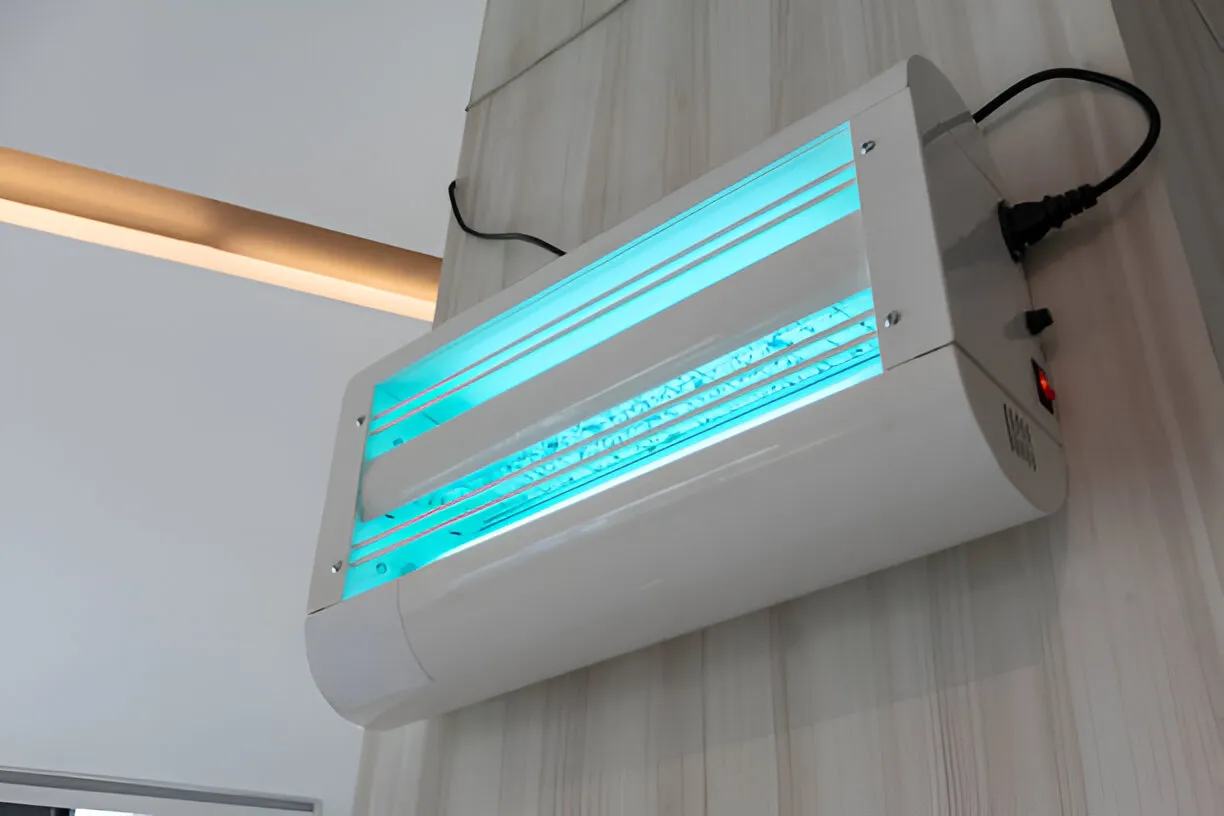
Why ventilation matters in Harrisburg, OH
Harrisburg experiences humid summers and cold winters. Summers raise indoor humidity and promote mold and dust mite growth; winters increase the risk of indoor pollutant buildup when windows remain closed. Local housing stock includes older homes with inconsistent airflow and newer homes sealed for efficiency. Both situations benefit from a correctly designed mechanical ventilation approach that controls moisture, reduces allergens and VOC levels, and helps meet modern ventilation standards.
Common ventilation issues in Harrisburg, OH
- High indoor humidity and visible condensation in summer months
- Mold or mildew in basements, bathrooms, and crawlspaces
- Stale or musty indoor air after long periods with windows closed
- Cooking and bathroom odors that linger despite exhaust fans
- Uneven airflow or pressure imbalances causing drafts or backdrafting of combustion appliances
- Increased allergy or asthma symptoms due to indoor pollutants and pollen infiltration
Types of ventilation systems and when to use them
- Balanced ventilation (ERV / HRV)
- Heat Recovery Ventilator (HRV): transfers heat between incoming and outgoing air; effective in colder seasons.
- Energy Recovery Ventilator (ERV): transfers both heat and a portion of moisture; typically preferred in humid climates like Ohio summers because it helps control humidity while recovering energy.
- Use when continuous, controlled fresh air is desired without significant energy penalty. Works well for tightly sealed or recently weatherized homes.
- Exhaust-only systems
- Simple bathroom or kitchen exhaust fans that expel indoor air to the outside.
- Effective for spot ventilation but can create negative pressure, potentially pulling outdoor air through unwanted paths or affecting combustion appliances.
- Supply-only systems
- Introduce filtered outdoor air into the home under positive pressure.
- Can be useful where outdoor air quality is good and targeted filtration is needed, but may cause moisture ingress in certain seasons.
- Hybrid or demand-controlled mechanical ventilation
- Uses sensors (CO2, humidity, VOC) to run ventilation as needed rather than continuously, balancing indoor air quality with energy use.
Health, comfort, and energy benefits
- Moisture control: Reduces condensation, mold growth, and structural moisture damage common during humid Harrisburg summers.
- Pollutant removal: Lowers levels of VOCs, cooking particulates, allergens, and other household pollutants.
- Comfort: Balances indoor humidity and makes temperature distribution more effective when combined with HVAC.
- Energy efficiency: Heat/energy recovery (HRV/ERV) minimizes heating and cooling losses that occur with simple exhaust ventilation, reducing the energy cost of bringing in fresh air.
- Safety: Properly balanced systems reduce risks of backdrafting from combustion appliances by avoiding large negative pressures.
Code and energy considerations
- Ventilation must meet applicable ventilation rates and safety rules outlined by modern building codes and industry standards (for example, ASHRAE 62.2 guidance for residential ventilation). Compliance affects ventilation rate, location of intake and exhaust, and measures to prevent cross-contamination.
- Energy considerations include selecting ERV/HRV units sized for the home, specifying efficient fans (low SFP – specific fan power), and integrating controls so ventilation runs only as needed or with heat recovery to minimize load on heating and cooling systems.
- For combustion appliances, ensure ventilation design does not compromise safe operation; testing and pressure balancing are standard parts of compliant installations.
Assessment and installation process
Initial inspection and data collection
- Walk-through inspection of the building envelope, existing ventilation and HVAC equipment, moisture or mold problem areas, and combustion appliance locations.
- Review occupant schedules and air quality concerns (allergies, pet dander, smokers).
Measurement and diagnostic testing
- Optional blower door test to determine airtightness.
- Moisture and temperature mapping in problem areas; baseline CO2 or VOC measurements if required.
System selection and design
- Choose balanced ventilation (ERV vs HRV), exhaust-only, or hybrid solution based on climate, humidity levels, and home airtightness.
- Size the unit and ductwork to meet ventilation rate requirements and minimize noise.
Installation and integration
- Install ERV/HRV core, ducts, dedicated supply/exhaust points, and electrical connections.
- Integrate controls with existing HVAC or building automation when requested (timers, humidity sensors, demand control).
- Perform airflow balancing, commissioning, and safety checks on combustion appliances and pressure levels.
Post-installation verification
- Measure airflow, confirm recovery efficiency, and provide documentation of ventilation rates and operating advice.
Typical timelines: assessment and design often take a few days to a week; straightforward installations can be completed in a day or two, while more complex ducted systems or multi-story homes may require several days.
Integration with HVAC and controls
- Balanced ventilation pairs well with central HVAC: the ERV/HRV preconditions fresh air before distribution through the HVAC return or a dedicated ducting system.
- Controls options:
- Continuous low-level operation with boost modes for kitchens and bathrooms.
- Demand-controlled ventilation using CO2 or humidity sensors to increase air exchange only when needed.
- Integration with thermostats or home automation for scheduling and energy-optimized operation.
- Properly integrated systems minimize simultaneous extreme loads on heating/cooling equipment and maintain indoor comfort while preserving energy.
Maintenance tips and expected outcomes
Maintenance (annual to semi-annual)
- Replace or clean filters every 3–12 months depending on use and indoor air quality.
- Clean the ERV/HRV heat-exchange core per manufacturer guidance (typically yearly).
- Check and clean intake/exhaust grilles and condensate drains seasonally.
- Verify fan operation and duct sealing; ensure no blockages in supply or exhaust paths.
- Test controls and sensors annually to confirm proper operation.
Expected outcomes after a properly designed ventilation retrofit or installation
- Noticeably fresher air and reduced odors.
- Lower relative humidity and fewer condensation issues through summer months.
- Reduced mold growth and improved comfort in basements and bathrooms.
- Reduced complaints about dust, cooking smells, and allergy symptoms.
- Modest increase in energy use for fans, largely offset by heat or energy recovery; overall home comfort and indoor air quality improvements typically justify the investment, especially where moisture and pollutant control are priorities.
In Harrisburg homes, the right ventilation strategy accounts for seasonal humidity swings, older construction details, and occupant needs. A balanced system with energy recovery often delivers the best combination of air quality, moisture control, and energy performance for local conditions. Regular maintenance and proper integration with HVAC and controls ensure sustained performance and healthier indoor environments year-round.
Hot Deals & Cool Savings

.webp)
New Service Agreement Membership
.webp)
Any New Client Service
Next Service for Referring a New Client
New Service Agreement Membership
Any New Client Service
Next Service for Referring a New Client
.webp)
.webp)

Service Areas
