
IAQ Products in Franklinton, OH
Discover IAQ products for Franklinton homes—from purifiers to monitors. Learn sizing, installation basics, and maintenance to improve indoor air quality.

roducts in Franklinton, OH
Indoor air quality matters in Franklinton, OH. Older housing stock, recent renovations, seasonal humidity and flooding risk along the Scioto corridor, and urban pollution mean many homes face persistent airborne particles, moisture-driven mold, and VOCs from building materials.
Common IAQ issues in Franklinton, OH
- Elevated dust and renovation debris from remodeling and older homes.
- Mold and mildew risk after heavy rains or seasonal basement moisture.
- Seasonal pollen and outdoor particulate matter from urban streets and nearby green space.
- Cooking and pet odors, smoke from occasional regional wildfire smoke or outdoor burning.
- Indoor VOCs from paints, adhesives, and new flooring in renovation-heavy areas.
- Potential radon exposure in some Ohio homes (testing recommended separately).
IAQ product types and how they work
Whole-house air purifiers and filtration
- Integrated with your HVAC system to treat air for the entire home.
- Use high-efficiency filters (HEPA-equivalent or high MERV) plus optional activated carbon stages for gases and odors.
- Best when you want consistent, low-maintenance control across multiple rooms and when the home’s ductwork is in good condition.
Point-of-use (portable) air purifiers
- Standalone units for bedrooms, living rooms, or work areas.
- Ideal for people with allergies or respiratory conditions who need targeted air cleaning.
- Look at CADR (Clean Air Delivery Rate) and coverage area to size units correctly for each room.
Filters: HEPA and MERV ratings
- HEPA (true HEPA H13/H14) captures 99.95%+ of particles down to 0.3 microns — best for allergy, asthma, and immune-compromised concerns.
- MERV ratings (typically MERV 8–16 for residential): higher MERV captures smaller particles but increases HVAC pressure drop; confirm HVAC compatibility before upgrading.
- Activated carbon layers remove odors and many VOCs but have limited lifetime depending on pollutant load.
UV-C and bipolar ionization
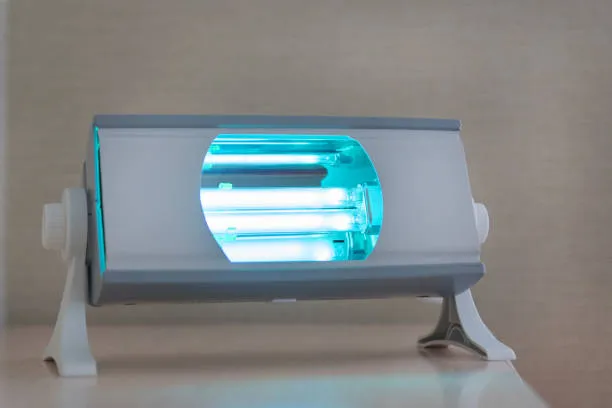
- UV-C lamps target microorganisms on coils or in airflow; effective when properly sized and shielded to avoid occupant exposure. UV is supplementary and works best with good filtration and ventilation.
- Bipolar ionization produces charged ions that can help clump particles and reduce some microbes. Note: effectiveness varies by product and independent testing; ensure devices are certified safe and do not produce harmful ozone.
Air quality monitors and sensors
- Track PM2.5, PM10, CO2, total VOCs (TVOCs), temperature, and humidity.
- Useful for identifying when filtration should run, confirming improvements after installations, and detecting moisture conditions that promote mold.
- Choose monitors with clear numeric readouts and data logging for trend analysis.
Selecting the right IAQ products for your home and health needs
- For allergy or asthma: Prioritize true HEPA portable units in sleeping and living areas and a HEPA-capable whole-house filter if integrating with HVAC. Add activated carbon if odors or VOCs are a problem.
- For mold-prone basements or post-flood remediation: Combine dehumidification (keep relative humidity below 50%), local HEPA filtration while drying, and a professional inspection before long-term solutions.
- For general urban/renovation dust control: High-MERV whole-house filters plus point-of-use HEPA in high-use rooms.
- For immunocompromised household members: Seek medical-grade HEPA (H13/H14) with higher air changes per hour (ACH) targets and validated performance metrics.
- Sizing rule of thumb for portable purifiers: calculate room volume (sq ft × ceiling height) then use CADR formula: required CADR = room volume × desired ACH ÷ 60. Example: 300 sq ft room × 8 ft ceiling = 2400 cu ft. For 4 ACH: CADR = 2400 × 4 ÷ 60 = 160 CFM (choose a unit with CADR ≥ 160).
Installation and maintenance expectations
- Whole-house installations usually require a professional HVAC technician to confirm duct compatibility, static pressure limits, and safe integration of UV or ionization devices.
- Portable units are plug-and-play but should be placed away from walls, not behind furniture, and sized to the room.
- Filter replacement intervals:
- Standard pleated filters: every 3 months or per manufacturer guidance (more often with heavy dust or pets).
- High-efficiency or HEPA pre-filters: check every 3–6 months; some HEPA units have multi-stage filters with staggered replacement schedules.
- Activated carbon cartridges: replace as odors return or per usage guidance.
- UV lamps typically need annual replacement and periodic cleaning for sustained germicidal output.
- Sensors and monitors may need occasional calibration or insurance that firmware is updated; replace low-cost sensors every few years for accuracy.
Certifications and performance metrics to check
- CADR (AHAM Verifide): independent measure for particulate removal rate — higher is better for larger rooms.
- HEPA H13/H14 or true HEPA designation: look for particle capture percentage and test standards.
- MERV rating for whole-house filters: ensure HVAC system can handle the chosen MERV without losing airflow.
- CARB compliance (for ozone emissions) and UL safety listings: especially important for ionizers and UV systems.
- Independent lab test results or third-party verification add credibility; manufacturers should provide clear efficiency numbers and testing methods.
Practical recommendations for Franklinton homes
- For rowhouses, loft conversions, and basement dwellings in Franklinton, prioritize a combination of moisture control, true HEPA filtration, and VOC removal if renovations are recent.
- In flood-prone or humid periods, pair dehumidification with IAQ filtration to prevent mold recurrence.
- For homes near busy streets or during seasonal smoke events, portable HEPA units in living and sleeping spaces provide quick, measurable reductions in PM2.5.
- Use air quality monitors to track improvement after any upgrade — local monitoring can confirm benefits and help time filter replacements.
This overview gives the decision-stage details homeowners in Franklinton need to compare IAQ products effectively: understand types, match features to health and house conditions, verify certified performance, and plan for installation and maintenance to keep indoor air consistently healthier.
Hot Deals & Cool Savings

.webp)
New Service Agreement Membership
.webp)
Any New Client Service
Next Service for Referring a New Client
New Service Agreement Membership
Any New Client Service
Next Service for Referring a New Client
.webp)
.webp)

Service Areas
