
HVAC Tune-up in Westerville, OH
HVAC Tune-Ups in Westerville, OH boost efficiency, reliability, and safety. Schedule now for seasonal maintenance and fewer mid-season repairs.

A seasonal HVAC tune-up in Westerville, OH is one of the most effective steps you can take to protect comfort, control utility costs, and reduce the chance of emergency service calls. Best Service Heating & Cooling brings decades of local experience to each inspection and maintenance visit, focusing on reliability and efficiency for homes in and around Westerville.
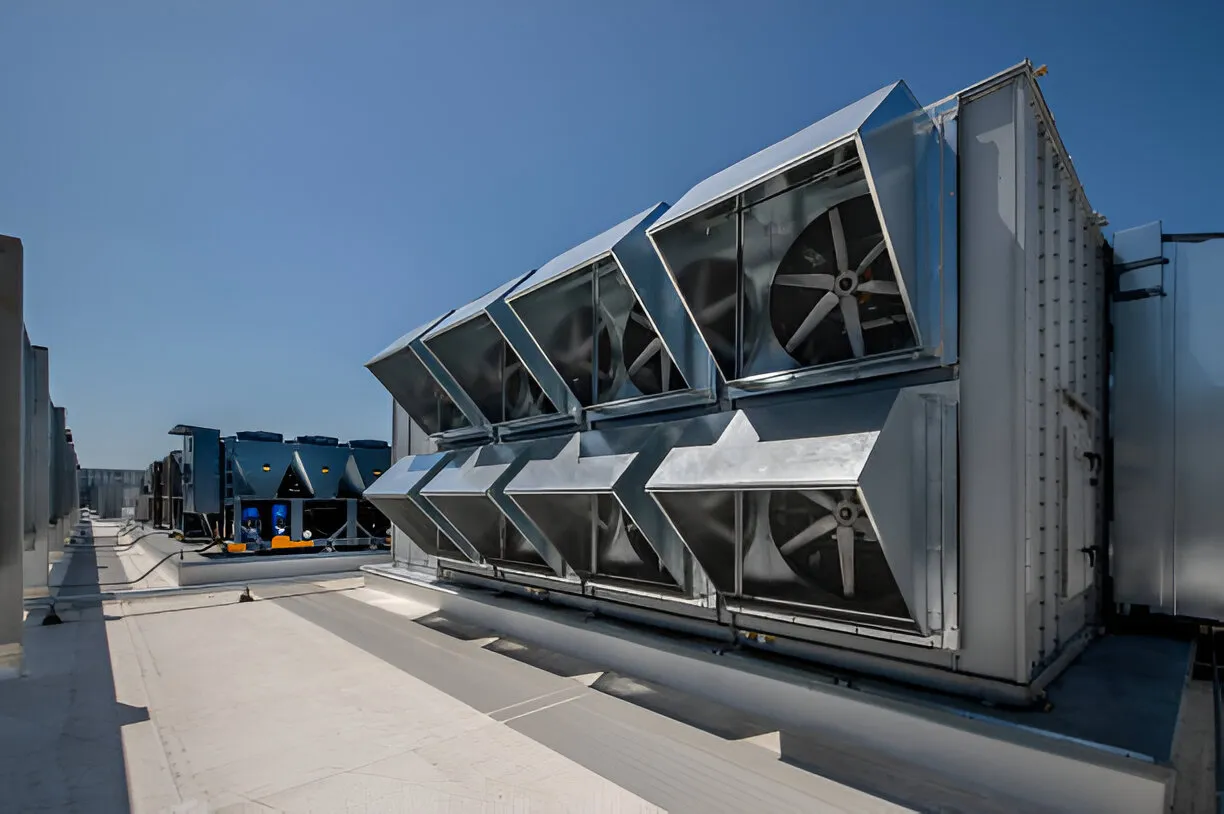
Why a seasonal HVAC tune-up matters in Westerville, OH
Westerville experiences hot, humid summers and cold winters with occasional freeze-thaw cycles. Those seasonal extremes place cyclical stress on heating and cooling equipment:
- Spring pollen and summer humidity mean your air conditioner works harder to remove moisture and keep indoor air comfortable.
- Fall cooling-off periods and winter cold snaps force furnaces and heat pumps into extended operation, and ignition or combustion issues are more likely to surface.
- Older Westerville homes with mature trees can have increased outdoor debris around condensers and higher indoor dust loads, impacting filters and coils.
A tune-up ahead of the heavy-use season lowers the risk of mid-season failures, improves energy efficiency, preserves indoor air quality, and helps ensure equipment operates safely. Best Service Heating & Cooling recommends seasonal tune-ups timed for spring for cooling systems and fall for heating systems for most Westerville homes.
What a comprehensive HVAC tune-up includes
A professional tune-up is more than swapping a filter. Here’s a typical checklist of inspections, cleaning, calibration, and tests performed on most residential systems:
Inspection items
- Filters: Check type, condition, and fit; recommend replacement frequency.
- Coils: Inspect evaporator and condenser coils for dirt, corrosion, and airflow restrictions.
- Burners and combustion components (furnaces and boilers): Inspect for proper ignition, flame quality, and combustion safety.
- Refrigerant levels: Measure pressures and temperatures to verify correct refrigerant charge.
- Belts and pulleys: Check tension, wear, and alignment on belt-driven components.
- Blower motor and wheel: Inspect motor condition, wheel balance, and airflow performance.
- Electrical components: Test contactors, relays, capacitors, and wiring for proper function.
- Thermostat: Test accuracy, calibrate settings, and verify proper communication with system.
- Ductwork and airflow: Visual inspection for disconnections, leaks, and obstructions. Measure static pressure when needed.
- Safety controls: Test limit switches, safety shutoffs, and carbon monoxide risk indicators on combustion systems.
- Drain pans and condensate lines: Clear and test for proper drainage to prevent water damage and microbial growth.
Cleaning and calibration tasks
- Clean or blow out coils when accessible to restore heat transfer efficiency.
- Vacuum and wipe accessible interior cabinet surfaces to remove dust and residue.
- Clean condensate drains and traps, and flush with appropriate cleaners to prevent clogs.
- Lubricate bearings and moving parts where manufacturer guidelines require it.
- Tighten electrical connections and secure loose components.
- Calibrate thermostat and control settings to match homeowner preferences and seasonal needs.
- Adjust expansion valves or metering devices as necessary for optimal cooling performance.
Testing and verification
- Run system through complete heating or cooling cycle and measure temperatures, pressures, and run times.
- Verify proper airflow by measuring return and supply temperature differentials.
- Confirm refrigerant charge and look for signs of leaks or inefficiencies.
- Capture a service report summarizing observations, actions taken, and recommended follow-up items.
Typical time for a tune-up
- Most single-system tune-ups in single-family homes take between 60 and 90 minutes when performed thoroughly. Complex systems, older equipment, or multiple systems can extend the visit. The focus is on completing a full inspection and leaving detailed notes rather than rushing through a checklist.
Note: This page explains the expected scope and duration; actual time can vary by system condition and access.
Common HVAC issues caught during tune-ups in Westerville
A tune-up is designed to find small problems before they become large, costly failures. Common issues Best Service Heating & Cooling technicians find during seasonal tune-ups in Westerville include:
- Dirty filters and clogged coils: Reduced airflow and heat transfer which leads to longer run times and higher utility bills.
- Low refrigerant or slow leaks: Reduced cooling capacity and increased compressor stress, often causing premature compressor failure if left unchecked.
- Ignition and combustion problems: Dirty burners, inconsistent flame quality, or faulty ignition components that can cause heating interruption and safety concerns.
- Worn belts and bearings: Noisy operation, reduced blower performance, and potential motor overload if belts fail.
- Failing capacitors and contactors: Electrical components that degrade over time causing hard starts or intermittent operation.
- Thermostat miscalibration: Incorrect setpoints or communication issues that cause short cycling or uneven comfort.
- Restricted condensate drains: Water leaks or secondary damage and indoor humidity problems.
- Duct leaks and obstructions: Uneven heating or cooling and lost efficiency from conditioned air escaping into unconditioned spaces.
- Carbon monoxide or combustion safety concerns: Poor combustion or venting issues discovered during furnace tune-ups that require immediate correction.
Catching these issues early reduces emergency repairs and improves the odds of equipment lasting to or beyond its expected service life.
Diagnostic and service process: what to expect during a Best Service tune-up
Best Service Heating & Cooling follows a methodical approach that balances thorough inspection with clear communication:
Initial system walkthrough
- Technician confirms system type, age, and model and asks about recent symptoms or concerns specific to the homeowner and the Westerville home.
Safety checks
- For gas furnaces and boilers, safety checks include gas valve inspection, combustion analysis where appropriate, proper venting, and carbon monoxide screening.
Electrical and mechanical inspection
- Visual and hands-on inspection of relays, capacitors, wiring, motors, belts, and fasteners. Loose or corroded electrical connections are tightened or flagged for replacement.
Airflow and duct assessment
- Measure supply and return temperatures and static pressures when needed. Visually inspect accessible ducts for disconnections or major gaps.
Refrigeration system evaluation
- Check refrigerant pressures and superheat/subcooling to confirm correct charge. Inspect the condenser fan and compressor performance.
Cleaning and lubrication
- Clean coils and cabinet interiors as accessible, lubricate motors and linkages if applicable, and clear condensate lines.
Thermostat calibration and control checks
- Verify thermostat settings, sensors, and control logic. Update or correct programming for seasonal settings and setbacks.
Performance run and verification
- Run a full cycle and measure results. Document temperatures, pressures, runtime, and any irregularities.
Service documentation
- Provide a written service report that lists what was inspected, what was adjusted or cleaned, any parts recommended for replacement, and suggested next steps.
Technicians carry diagnostics equipment to measure electrical characteristics, refrigerant pressures, airflow, and combustion safety. The focus is on repair where required, and on clear explanations so homeowners understand condition and priorities.
Repairs and solutions commonly recommended after a tune-up
When a tune-up reveals issues, repairs or follow-up actions typically fall into these categories:
- Immediate repairs for safety: Faulty gas valves, severe combustion issues, or carbon monoxide risk require immediate correction before normal operation resumes.
- Efficiency restorations: Cleaning coils, replacing air filters, and correcting refrigerant charge to return systems to nominal efficiency and comfort.
- Component replacements: Worn capacitors, failing contactors, or motors that show signs of imminent failure are often recommended as replacements to avoid an out-of-service situation.
- Duct sealing or insulation: Address significant duct leaks or poorly insulated runs that reduce efficiency and comfort in Westerville homes.
- System upgrades or modernization: When equipment is aged or repeatedly requires repairs, recommendations may include component upgrades or system replacement to achieve long-term reliability and improved efficiency.
Best Service Heating & Cooling technicians explain the relative urgency of each recommendation so homeowners can prioritize repairs according to safety, comfort, and budget.
Recommended maintenance intervals for Westerville homes
A consistent maintenance schedule tailored to your equipment and usage patterns keeps systems performing optimally. Typical recommendations include:
- Air filters: Check monthly; replace every 1 to 3 months for standard filters. High-efficiency filters or homes with pets may need more frequent changes.
- Cooling system tune-up: Annually in spring before heavy cooling season.
- Heating system tune-up: Annually in fall before heating season.
- Coils: Inspect annually and clean every 1 to 2 years, or more often if dirty.
- Refrigerant check: Annually; any persistent low-pressure condition should be addressed immediately.
- Belts and pulleys: Inspect annually and replace as signs of wear appear.
- Ductwork inspection: Every 2 to 3 years or sooner if comfort problems or reduced airflow are present.
- Combustion appliance safety checks: Annually for gas-fired furnaces and boilers, with carbon monoxide detectors tested routinely.
Many homeowners opt for a two-visit annual plan: one pre-season visit for the air conditioner in spring and one for the furnace or heat pump in fall. This approach aligns with the seasonal demands Westerville homes experience and prevents the majority of mid-season failures.
Signs your Westerville home needs a tune-up now
If you notice any of the following, schedule a professional inspection sooner rather than later to avoid breakdowns and higher energy use:
- Reduced airflow from vents, or rooms that will not reach the thermostat setpoint.
- Unusual noises such as grinding, squealing, or hissing from the air handler or outdoor unit.
- System short-cycling: frequent on/off cycles with little run time.
- Increased energy bills without a change in usage patterns.
- Visible ice buildup on refrigerant lines or evaporator coil in cooling season.
- Yellow or irregular flame inside a gas furnace (indicates combustion or venting issue).
- Odors from vents such as musty or burning smells.
- Water or moisture stains near indoor units or ductwork indicating condensate issues.
Addressing these symptoms during a tune-up often prevents a complete failure during a heat wave or cold snap.
Homeowner maintenance you can do between professional tune-ups
Regular homeowner attention helps protect equipment and extends the time between major repairs:
- Replace or check the air filter monthly and follow the replacement schedule recommended by the manufacturer.
- Keep at least two feet of clearance around outdoor condensers and keep leaves and lawn debris away during spring and summer.
- Keep supply and return vents unobstructed and clean vent registers regularly.
- Check thermostat batteries and programming seasonally.
- Inspect visible duct runs for disconnected or crushed sections and clear any large obstructions.
- Flush condensate drains periodically with manufacturer-specified cleaners or a modest bleach solution if recommended for your equipment type.
- Monitor and record unusual symptoms so you can report them to the technician on the next visit.
These tasks are safe for most homeowners and reduce the chance of preventable problems.
Benefits of regular tune-ups for Westerville homeowners
- Improved reliability: Scheduled maintenance finds and corrects faults before they turn into emergency repairs.
- Lower energy bills: Clean, well-calibrated equipment uses less energy to maintain comfort.
- Longer equipment life: Proper lubrication, calibration, and cleaning reduce wear on critical components.
- Better indoor air quality: Clean filters and coils and a functioning condensate system reduce dust and biological growth.
- Safety: Annual combustion and safety control checks reduce carbon monoxide and gas-related risks.
- Warranty compliance: Many manufacturer warranties require regular maintenance to remain valid; documented tune-ups support warranty claims.
- Priority service and discounts: Maintenance plan members often receive additional service benefits and scheduling priority, which can be particularly valuable during extreme weather events in Westerville.
Best Service Heating & Cooling has been serving Central Ohio since 1992 and emphasizes these outcomes through thorough seasonal service.
How Best Service Heating & Cooling approaches HVAC maintenance
Best Service Heating & Cooling combines local knowledge of the Central Ohio climate with trained technicians to deliver practical, long-term value for Westerville homeowners. The company emphasizes:
- Skilled technicians trained to inspect, calibrate, and diagnose a range of makes and models.
- Clear documentation of findings and recommended actions so homeowners can make informed decisions.
- Attention to safety and combustion analysis for gas-fired equipment.
- An emphasis on preventive care that aligns with manufacturer guidance and local conditions in Westerville.
The company offers maintenance agreements that outline scheduled visits and typical benefits of regular service. These programs are designed to help homeowners keep systems running efficiently, reduce emergency repairs, and receive consistent documented maintenance.
What to expect after a professional tune-up
After service you should receive a report summarizing:
- Components inspected and results of those inspections.
- Cleaning and adjustments performed.
- Any safety checks completed and their outcomes.
- Recommended repairs or upgrades prioritized by urgency.
- Suggested follow-up interval and homeowner maintenance steps.
Following a tune-up, most homeowners notice improved temperature stability, quieter operation, and more efficient runtime. If a technician identifies a safety concern, that will be made clear and handled according to urgency.
Choosing the right frequency and scope for your home
System age, home occupancy, pet ownership, indoor air quality needs, and thermostat habits all affect how often you should schedule service. General guidance:
- Newer systems with warranty requirements should follow manufacturer-prescribed maintenance intervals, typically annual service.
- Older equipment or systems with chronic issues benefit from more frequent inspections and may be evaluated for long-term replacement planning.
- Homes with pets, smokers, or high allergen loads will usually need more frequent filter changes and may benefit from additional indoor air quality solutions.
Technicians will tailor a recommended schedule during the tune-up based on observed conditions and homeowner priorities.
Hot Deals & Cool Savings

.webp)
New Service Agreement Membership
.webp)
Any New Client Service
Next Service for Referring a New Client
New Service Agreement Membership
Any New Client Service
Next Service for Referring a New Client
.webp)
.webp)

Service Areas
