
HVAC Repair in Westerville, OH
Westerville HVAC Repair Service provides expert diagnosis, fast fixes, and transparent pricing for homes and small businesses. Learn more today.

When your home or small business in Westerville, OH needs dependable HVAC repair, timely diagnosis and skilled repairs are essential to restore comfort, protect equipment, and keep energy costs under control. Best Service Heating & Cooling brings decades of local experience to residential and light-commercial systems across neighborhoods from Uptown Westerville to the newer subdivisions and older historic homes.
Why professional HVAC repair matters in Westerville, OH
- Westerville has hot, humid summers and cold winters with periodic freeze-thaw cycles. These seasonal extremes place heavy demands on air conditioners, heat pumps, and furnaces.
- High summer humidity increases AC runtime and stress on compressors and coils. Winter cold increases furnace cycling and raises the risk of heat exchanger stress in older units.
- Many Westerville homes are older or have mixed ductwork; uneven airflow, aging components, and compromised insulation can mask system issues until they escalate.Timely, professional repair prevents small problems from becoming major failures, improves indoor comfort, and reduces the risk of emergency breakdowns during heat waves or cold snaps.
Common HVAC repair types and issues in WestervilleBelow are the repair categories and the typical problems Best Service Heating & Cooling addresses in Westerville homes and light-commercial properties.
Air conditioning and heat pump problems
- No cooling or reduced cooling capacity
- Short cycling (system turns on and off frequently)
- Weak airflow from vents
- Frozen evaporator coils or refrigerant loss
- Compressor not running or hard-starting
- Strange noises from condenser or indoor unit
- Thermostat communication or control failures
- Condensate overflow and drain blockages
Furnace and heating issues
- Furnace will not ignite or stays off
- Frequent shutdown on limit or safety switches
- Uneven heating between rooms
- Pilot or electronic ignition problems
- Blower motor not running or running intermittently
- Carbon monoxide concerns and combustion issues
- Heat exchanger cracks or corrosion in older units
Electrical and control system faults
- Tripped breakers and blown fuses related to HVAC
- Defective contactors, capacitors, transformers, or relays
- Control board failures or intermittent electronic faults
- Wiring degradation, rodents, or moisture-related shorts
Ductwork and airflow problems
- Leaky or disconnected duct segments causing pressure loss
- Dirty or collapsed ducts restricting airflow
- Poor return air design leading to negative pressure and dust
- Inadequate insulation around ducts in crawlspaces or attics
Light-commercial system-specific issues
- Rooftop unit failures and economizer malfunctions
- Commercial thermostats and zoning control failures
- Refrigerant management and legal compliance for larger systems
- Service coordination for businesses during operating hours
How a professional diagnostic process worksEffective repair begins with a structured diagnostic approach. Best Service Heating & Cooling technicians follow methodical steps to find the root cause, not just the symptom.
Customer intake and problem triage
- Collect system history: age, previous service, recent changes, and symptoms
- Ask about environmental factors: recent power outages, construction, pets, or water intrusion
- Triage for safety: carbon monoxide risk, gas smell, or electrical hazards are treated immediately as priority
Visual inspection and simple checks
- Inspect the outdoor condenser/heat pump and indoor air handler or furnace for obvious signs of damage, rust, oil or refrigerant staining, and debris
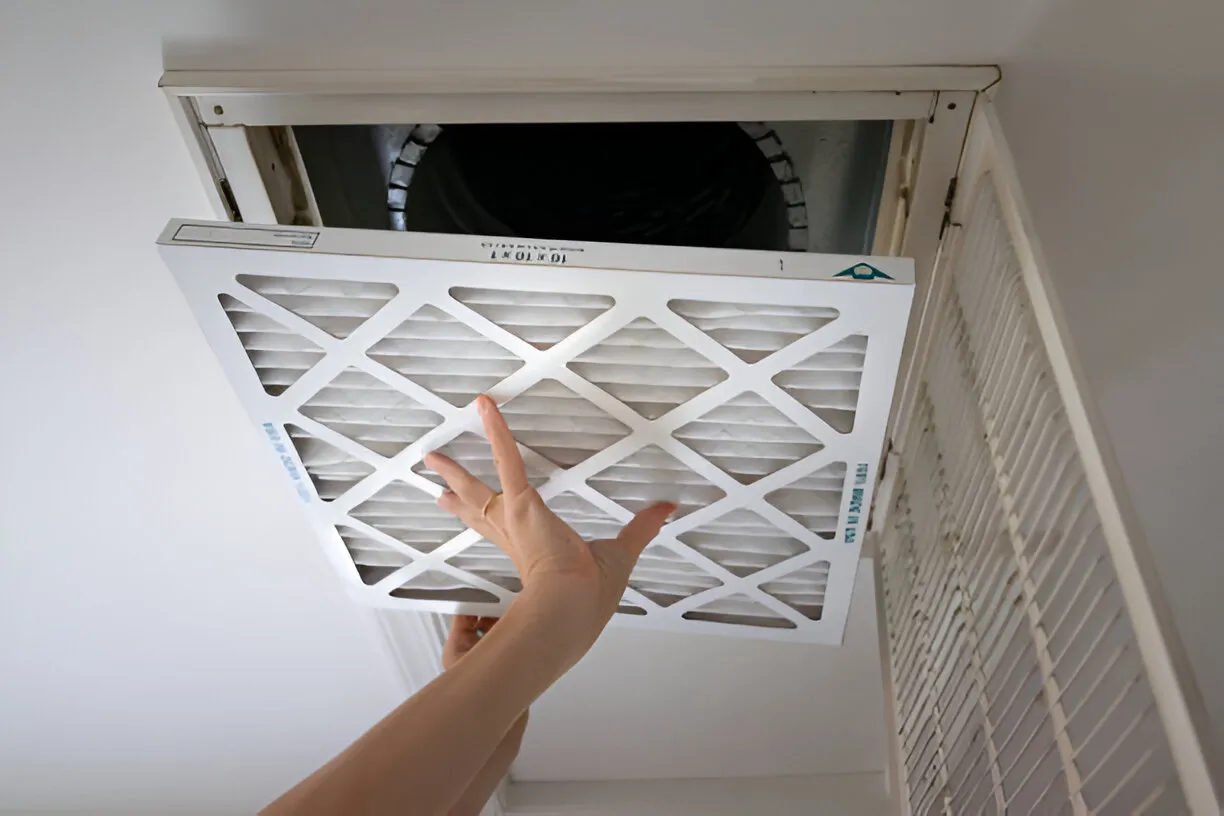
- Check air filter condition and basic airflow at vents
- Confirm thermostat settings, batteries, and wiring connections
Operational testing
- Start the system and observe startup sequence, sound, and immediate behavior
- Measure temperature split across the evaporator coil for AC performance
- Observe fan and compressor operation, and check for short cycling
Electrical and component testing
- Use a multimeter to check voltage, current draw, and continuity on motors, contactors, capacitors, and control circuits
- Test safety switches, flame sensors, and limit switches in furnaces
- Inspect and test relays, transformers, and control boards
Refrigerant and pressure diagnosis
- Attach refrigerant gauges to check pressures and compare to manufacturer specifications and ambient conditions
- Look for signs of leaks: oil stains, hissing, UV dye, or low-side pressure anomalies
- Evaluate the evaporator and condenser coils for restrictions and airflow problems
Combustion and safety checks (for gas furnaces)
- Conduct combustion analysis and check venting for proper exhaust flow
- Test for carbon monoxide risks and gas leaks with appropriate detectors
- Inspect heat exchanger condition for cracks or severe corrosion
Ductwork and airflow assessment
- Assess static pressure, supply and return balance, and isolated airflow problems in specific rooms
- Inspect duct joints, insulation, and accessible returns for leakage
Compile findings and produce a clear, written estimate
- Provide a line-item diagnostic report showing failed components, safety issues, recommended repairs versus replacement options, expected outcomes, and warranties for parts and labor
Common HVAC repairs and realistic solutionsThis section describes typical repair actions and what homeowners and small business owners in Westerville can expect as solutions.
Air conditioner and heat pump repairs
- Refrigerant leak repair and recharge: Locate leak source, repair by brazing or replacing affected components, evacuate and recharge to correct levels, then test for proper pressure and temperature.
- Compressor or condenser motor replacement: When the compressor or outdoor fan motor fails, technicians replace the failed unit with a properly sized component and verify starting capacitors and contactors.
- Capacitor and contactor replacement: These small, inexpensive parts frequently cause hard-start or no-run conditions. Replacing them often restores reliable operation.
- Refrigerant metering device repair: Replace malfunctioning TXV or piston metering device to restore correct refrigerant flow and superheat.
- Coil cleaning and access panel repair: Dirty evaporator or condenser coils reduce heat transfer. Professional cleaning and restoring proper airflow can recover efficiency and capacity.
- Reversing valve or defrost control fixes on heat pumps: Correcting defrost circuit issues prevents excessive frost buildup and loss of heating performance.
Furnace and heating repairs
- Ignition system repair or replacement: Replace malfunctioning ignitors, flame sensors, or gas valves to restore reliable ignition.
- Blower motor and belt repairs: Replace worn motors, bearings, or belts and balance blower assemblies to restore airflow and reduce noise.
- Limit switch or control board repair: Replace failed safety switches or control boards that cause nuisance shutdowns.
- Heat exchanger evaluation and replacement recommendations: If a crack or irreparable corrosion is found in the heat exchanger, replacement of the furnace is typically the recommended safety action.
Electrical and control repairs
- Replace failing capacitors, contactors, and relays
- Repair/replace thermostat wiring and digital controls, including programmable and smart thermostats
- Repair transformer failures and correct low-voltage circuit issues
Ductwork and airflow repairs
- Reseal or reconfigure duct joints to recover lost static pressure and improve balance
- Add or repair return grills and pathway improvements for better airflow
- Recommend improvements like additional returns, upgraded insulation, or localized dampers for zoning
Parts replacement, warranties, and quality considerations
- Parts selection: Technicians use manufacturer-recommended parts or equivalent OEM-quality components to ensure compatibility and longevity.
- Warranties: Repairs typically come with documented warranties on parts and workmanship. Best Service Heating & Cooling documents warranty terms and registers manufacturer warranties when applicable.
- When to replace instead of repair: If repairing an older system will not provide satisfactory efficiency, safety or lifecycle value, technicians present replacement options with comparisons between repair cost, estimated remaining life, and long-term operating costs.
Safety and performance checks included with repairSafety and proper system performance are verified before any job is considered complete. Standard checks include:
- Carbon monoxide testing for combustion appliances and verification of proper venting
- Gas line leak checks and gas pressure validation
- Electrical safety checks: correct breaker sizing, secure wiring, and proper grounding
- Temperature split and airflow verification for cooling systems
- Refrigerant pressure, superheat, and subcooling checks for performance confirmation
- Static pressure assessment for ducts to ensure the system operates within safe limits
- Condensate drain and pan checks to prevent water damage and microbial growth
Emergency HVAC repair response in WestervilleRapid response is critical when systems pose safety risks or when extreme weather threatens comfort. Typical emergency handling includes:
- Triage: Technicians prioritize calls involving carbon monoxide, gas leaks, loss of heat during cold snaps, or conditions that present immediate health or property risks.
- Safety-first approach: If a dangerous condition is suspected, systems are shut down safely and temporary measures (such as portable heaters or ventilation recommendations) are discussed until permanent repair is completed.
- After-hours and weekend protocols: Emergency dispatching often follows a tiered approach where life-safety issues receive immediate attention and non-life-threatening calls are scheduled according to urgency and availability.
Scheduling service appointmentsScheduling a repair generally follows these practical steps without unexpected surprises:
- Provide system details such as equipment type, brand, age, and symptoms when requesting service. This helps technicians come prepared with likely parts and tools.
- Appointments are offered during regular business hours with designated arrival windows. For urgent or emergency situations, a triage helps determine priority and possible same-day dispatch.
- On arrival, technicians will re-confirm the symptoms, perform the diagnostic process, and explain findings with a written estimate before beginning non-emergency repairs.
- If parts need to be ordered, technicians will outline the estimated lead time and any temporary measures to keep the property safe and relatively comfortable until repairs are completed.This scheduling overview helps property owners plan for technician arrival, set expectations about diagnostics, and understand the workflow once a problem is identified.
Transparent pricing and estimatesMany homeowners and small businesses want clear, predictable pricing. Transparent repair pricing typically includes:
- A documented diagnostic fee or service call line item that covers time, testing, and a written assessment
- Clear line-item pricing for parts and labor so you can see what you are paying for each component
- Options when multiple repair strategies exist: repair-only, repair with recommended follow-up, or replacement with replacement benefits and tradeoffs explained
- Warranty terms and any applicable manufacturer coverage included in documentationTransparency means little to no surprise charges after the repair is complete. Technicians explain when additional work is required and why, and provide alternatives when repairs approach replacement thresholds.
Light-commercial HVAC repair nuances in WestervilleFor local businesses, repair considerations differ slightly from residential work:
- Rooftop units and packaged systems: These require safe rooftop access, adherence to building codes, and sometimes coordination with building management to schedule service outside of peak business hours.
- Economizer and ventilation systems: Proper operation is critical to maintain indoor air quality in workplaces and retail spaces. Faulty economizers can lead to excessive energy use or inadequate fresh air.
- Refrigerant handling and reporting: Larger systems may require specific refrigerant handling protocols and regulatory documentation.
- Minimizing operational disruption: Repairs are planned to reduce business impact, with technicians often using temporary measures or working during off-hours for more involved fixes.
Preventive maintenance and long-term benefitsRegular maintenance is the most effective way to reduce HVAC repairs and extend equipment life. Benefits include:
- Improved efficiency resulting in lower energy bills during Westerville summers and winters
- Reduced risk of emergency breakdowns during extreme weather
- Cleaner indoor air through regular filter changes and coil cleaning
- Early detection of failing components before they cause cascading damage
- Extended equipment life and better resale value for the home or commercial propertyBest Service Heating & Cooling has a structured approach to preventive plans that emphasizes inspection, cleaning, and minor repairs intended to keep systems operating reliably and efficiently.
Documentation and post-repair verificationA professional repair includes clear documentation so property owners know exactly what was done:
- Written diagnostic report detailing findings, parts used, and why repairs were made
- Before-and-after performance readings such as temperature splits, refrigerant pressures, and electrical measurements
- Warranty documentation for parts and labor
- Recommendations for follow-up maintenance or further upgrades to improve performance or efficiency
Hot Deals & Cool Savings

.webp)
New Service Agreement Membership
.webp)
Any New Client Service
Next Service for Referring a New Client
New Service Agreement Membership
Any New Client Service
Next Service for Referring a New Client
.webp)
.webp)

Service Areas
