
HVAC Tune-up in Lancaster, OH
Lancaster OH HVAC tune-up ensures safety, efficiency, and comfort with a thorough inspection, cleaning, and performance verification. Schedule your service today.

An HVAC tune-up is the single most effective preventive step a homeowner can take to keep heating and cooling systems running safely, efficiently, and reliably throughout the year. In Lancaster, OH, where humid summers and cold, damp winters place heavy seasonal demands on HVAC equipment, a professionally performed tune-up protects comfort, reduces energy costs, and lowers the risk of mid-season breakdowns. Best Service Heating & Cooling brings decades of local experience to every tune-up, combining safety inspections, efficiency adjustments, refrigerant checks, filter and coil cleaning, thermostat calibration, and a full performance verification so your system performs the way it should when you need it most.
Why a tune-up matters in Lancaster, OH
- Lancaster experiences hot, humid summers that force air conditioners and heat pumps to work hard to control temperature and indoor humidity. Dirty coils, low refrigerant, or poor airflow make these systems less effective and more expensive to operate.
- Winters in Lancaster are cold and sometimes unpredictable. Furnaces and boilers that have not been inspected can develop safety problems or fail when temperatures drop, resulting in discomfort and emergency service needs.
- Seasonal pollen, agricultural dust, and household particulates in the Lancaster area increase filter load and reduce system airflow and indoor air quality if not addressed regularly.
A tune-up tailored to Lancaster homes and local conditions minimizes these climate-related stresses and preserves system life while helping keep utility bills under control.
What a comprehensive HVAC tune-up includesA complete tune-up is more than a quick visual check. Best Service Heating & Cooling follows a methodical, documented process to inspect, clean, adjust, and verify system performance. Typical tune-up tasks include:
Safety and visual inspections
- Check for gas leaks, inspect combustion components and the heat exchanger on gas furnaces for cracks or signs of failure, and verify proper combustion and venting where applicable.
- Inspect electrical wiring, terminals, fuses, breakers, and safety controls to reduce the risk of shorts, arcing, or component failure.
- Examine ducts and vents for obvious damage, disconnections, or obstructions that could reduce airflow and cause uneven heating or cooling.
Airflow and filtration
- Replace or inspect air filters and recommend the correct MERV rating for your home's needs. Filters are the first defense against dust, pollen, and other contaminants common in Lancaster.
- Measure airflow and inspect the blower assembly, motor, belts, and pulleys to ensure proper movement of conditioned air. Restricted airflow reduces efficiency and stresses components.
Coil and condenser cleaning
- Clean evaporator and condenser coils to restore heat transfer efficiency. Dirty coils force the system to run longer and increase energy use during Lancaster summers and winters.
- Clear debris from outdoor condensers, including leaves, grass clippings, and pollen build-up, to maintain unrestricted airflow.
Refrigerant system check
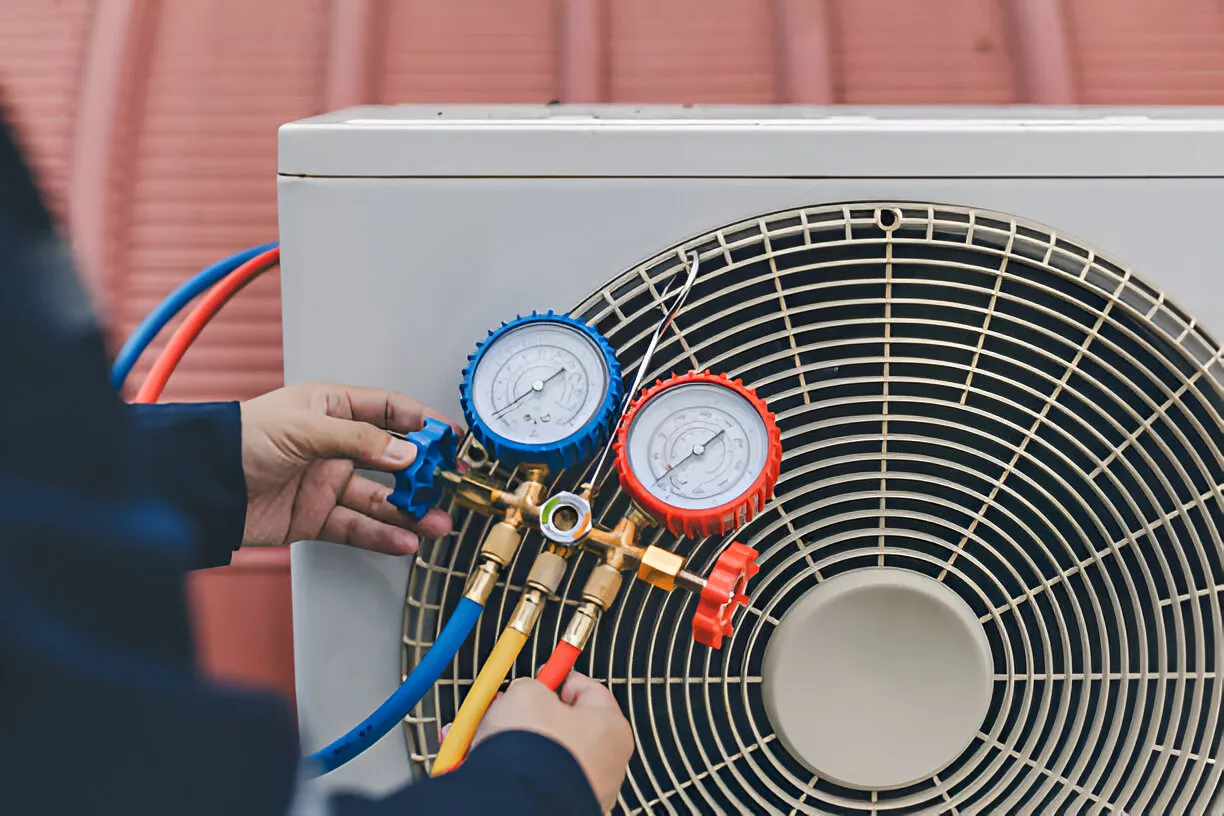
- Check refrigerant charge and look for signs of leaks. Both undercharge and overcharge of refrigerant reduce cooling efficiency and can damage compressors.
- Inspect refrigerant lines and fittings for corrosion or wear. Technicians do not add refrigerant without diagnosing and addressing leaks, consistent with safety and environmental standards.
Electrical and component testing
- Test capacitors, contactors, relays, and motor amp draws to identify weak or failing components before they cause a breakdown.
- Tighten electrical connections to prevent voltage drops and premature component failure.
Thermostat calibration and control verification
- Calibrate and test thermostats, including programmable and smart thermostats, to ensure accurate temperature control and proper staging of heating and cooling cycles.
- Evaluate control settings for optimal comfort and efficiency given Lancaster’s seasonal patterns.
Performance verification and system tuning
- Measure temperature split across the evaporator coil and compare against manufacturer specifications to confirm proper operation.
- Confirm proper cycling behavior, evaluate run times, and verify that safety controls and limits are functioning.
- Provide recommendations for small adjustments that improve efficiency, such as fine-tuning fan speeds or scheduling parameters on smart thermostats.
Drainage and humidity control
- Inspect and clear condensate drains and pans to prevent water damage and microbial growth.
- Check humidifier or dehumidifier components if installed, and advise on optimal indoor humidity setpoints for Lancaster’s seasonal humidity swings.
Documentation and recommendations
- Provide a written summary of findings, including any parts that show wear, safety issues, and prioritized recommendations for repairs or replacements.
- Explain energy-saving opportunities or upgrades that make sense for your system and home.
Common HVAC problems uncovered during tune-upsA tune-up often uncovers issues in their early stages when they are cheaper and easier to fix. Common findings include:
- Dirty or clogged filters and coils that reduce efficiency and cause freeze-ups.
- Low refrigerant levels due to leaks, which reduce cooling capacity.
- Loose electrical connections or failing capacitors that lead to intermittent operation or complete failure.
- Worn blower motors or belts that reduce airflow and increase energy use.
- Improper thermostat calibration leading to temperature swings and unnecessary runtime.
- Cracked heat exchangers or blocked flues in gas furnaces that pose safety risks.
- Clogged condensate drains that cause water damage or system shutdowns.
How tune-ups improve safety and reliabilitySafety is a core reason to schedule regular tune-ups. On fuel-burning systems, a thorough inspection of combustion components and the heat exchanger can detect conditions that could lead to carbon monoxide leakage. Electrical inspections reduce the risk of fires and component damage. Routine mechanical checks reduce the chances of catastrophic failures such as compressor burnout or motor seizure. For Lancaster homeowners, where extreme weather means systems are relied upon for extended periods, that reliability is critical.
Energy savings and efficiency benefitsA small investment in a professional tune-up can translate into meaningful energy savings and lower monthly costs. Typical efficiency benefits from a properly performed tune-up include:
- Restoring lost cooling or heating capacity by cleaning coils and ensuring proper refrigerant charge.
- Improving airflow by replacing filters and cleaning blowers, which helps the system reach set temperatures faster and run shorter cycles.
- Reducing electrical waste by tightening connections, replacing weak capacitors, and ensuring motors draw correct amperage.
- Enabling accurate thermostat control so the system does not overwork or run unnecessarily.
Over time, better efficiency reduces wear-and-tear and helps the system maintain manufacturer-rated performance, which often keeps energy bills lower across Lancaster’s hot summers and cold winters.
Recommended tune-up frequency for Lancaster homes
- Split annual checks: For most Lancaster homes, the best preventive strategy is two focused tune-ups per year. Schedule an air conditioning tune-up in early spring and a heating system tune-up in early fall. This ensures each system is fully prepared before the season of heaviest use.
- Systems used year-round: Heat pumps that run for both heating and cooling may benefit from two inspections annually to maintain performance across seasons.
- Older equipment: Systems older than 10 to 15 years should be inspected more frequently, as aging components wear faster and small issues escalate more quickly.
- New systems: Newer systems should still receive annual maintenance to preserve warranties and to keep them performing at design efficiency.
How tune-ups fit into maintenance plansA tune-up is a key component of a structured maintenance plan. Best Service Heating & Cooling offers preventive maintenance memberships designed to make tune-ups regular and accountable. Benefits of including HVAC tune-ups in a maintenance plan include:
- Scheduled, documented inspections twice per year to keep equipment in seasonal readiness.
- Priority scheduling to reduce downtime during Lancaster’s peak weather periods.
- Discounted parts and labor for qualifying repairs, which helps control repair costs over time.
- Consistent service records that support warranty claims and equipment resale value.
Maintenance plans create a predictable maintenance rhythm, which reduces emergency calls, extends equipment life, and helps households budget for system care rather than reacting to failures.
What to expect during a professional tune-up visitA professional tune-up visit by a certified technician typically follows a predictable sequence so that every critical area is covered:
- Pre-service review: Technician reviews system history and recent performance notes, plus any homeowner concerns.
- Safety checks: Inspect combustion, venting, and electrical systems first to identify immediate hazards.
- Airflow and filtration: Check or replace filters and inspect blower components.
- Coil and condenser cleaning: Clean indoor and outdoor coils and clear debris from the outdoor unit.
- Refrigerant and electrical testing: Measure refrigerant charge, test electrical components, and check amp draws.
- Thermostat calibration: Verify thermostat operation and reprogram if necessary for correct staging and schedules.
- Drain and humidity check: Clear condensate drains and test related components.
- Performance test and verification: Run the system and measure temperature splits, cycling, and runtime to confirm performance.
- Documentation: Provide a written report describing the condition of the system, recommended repairs, and energy-saving suggestions.
Homeowner responsibilities to maximize tune-up benefits
- Change or check basic filters between professional tune-ups. Many homes in Lancaster benefit from monthly or quarterly filter checks depending on usage and local pollen levels.
- Keep outdoor condensers free from leaves, grass, and debris. Trim vegetation at least two feet away from the unit to ensure airflow.
- Note any unusual noises, odors, or performance changes and record when they occur. This helps technicians diagnose intermittent problems more quickly.
- Maintain clear access to indoor equipment and thermostats so technicians can perform comprehensive checks efficiently.
Signs you need a tune-up now
- A sudden increase in energy bills without changes in usage.
- Inconsistent temperature distribution or frequent short cycling.
- Unusual noises such as grinding, banging, or high-pitched squealing.
- Visible debris or ice on the outdoor condenser in summer, or frost in colder months on heat pumps.
- Older equipment that has not been inspected in the last 12 months.
Special considerations for Lancaster, OH
- Humidity control: Lancaster summers can be humid. Tune-ups should include checks on dehumidification performance or the operation of whole-house dehumidifiers to limit mold and discomfort.
- Agricultural dust and pollen: Homes near fields or rural sections of Lancaster may collect more dust and pollen. This increases filter loading and necessitates more frequent filter maintenance and attention to coil cleanliness.
- Seasonal transitions: Rapid temperature swings between seasons can stress equipment. Scheduling tune-ups before the heavy use months helps prevent mid-season failures.
- Energy programs and incentives: Periodic maintenance helps you qualify for manufacturer warranties and local energy efficiency programs. Keep documentation of tune-ups for any utility or rebate programs that require proof of regular maintenance.
Upgrades and efficiency options often recommended during tune-upsDuring a tune-up, technicians may recommend practical upgrades that deliver ongoing savings and improved comfort:
- Upgrading to a higher-efficiency air filter or whole-house media filter for better indoor air quality.
- Installing or calibrating a programmable or smart thermostat to reduce runtime during unoccupied hours.
- Adding zoning controls or dampers in larger Lancaster homes to address uneven heating and cooling.
- Replacing old, inefficient components such as motors, capacitors, or compressors when repair costs approach replacement value.
Why professional tune-ups are preferable to DIY checks
- Safety: Fuel-burning appliances and refrigerant handling carry risks that require professional training and certified procedures.
- Diagnostic tools: Professional technicians use calibrated instruments to measure pressures, amp draws, and temperature differentials. These measurements provide actionable data rather than guesswork.
- Warranty compliance: Many manufacturers require documented annual maintenance by a licensed technician to keep warranties valid.
- Long-term savings: Professional tune-ups catch problems early, reducing emergency repair costs and extending system life.
How Best Service Heating & Cooling approaches tune-ups for Lancaster homeownersBest Service Heating & Cooling brings a family-owned perspective and decades of experience to tune-ups in Lancaster and surrounding central Ohio communities. Our approach emphasizes:
- Thorough, documented inspections that prioritize safety and efficiency.
- Clear explanations in plain language so homeowners understand any findings and recommended next steps.
- Practical advice tailored to Lancaster’s climate and local conditions, drawing from experience serving the community since 1992.
- Integration with maintenance plans to provide predictable service, documentation, and long-term equipment care.
Maintenance plan alignmentTune-ups are central to the company’s preventive maintenance program, which is designed to provide regular seasonal service and added value such as extended equipment life and reduced utility costs. When tune-ups are performed as part of a maintenance plan, homeowners benefit from systematic care, documented records, and planned upkeep rather than reactive repairs.
Measuring tune-up effectivenessA successful tune-up shows measurable improvements:
- Reduced run times to reach the same indoor setpoint.
- More stable indoor temperatures and fewer short cycles.
- Lower electricity or fuel consumption compared to pre-tune-up months.
- Elimination of abnormal noises or warning lights.
If a tune-up reveals worn parts or safety issues, technicians will document each item clearly and provide a prioritized plan for repair or replacement so homeowners can make informed decisions.
Hot Deals & Cool Savings

.webp)
New Service Agreement Membership
.webp)
Any New Client Service
Next Service for Referring a New Client
New Service Agreement Membership
Any New Client Service
Next Service for Referring a New Client
.webp)
.webp)

Service Areas
