HVAC Replacement in Lancaster, OH
Lancaster, OH HVAC replacement delivers energy savings, expert sizing, and a smooth installation. Learn more about timelines, financing, warranties, and maintenance options.
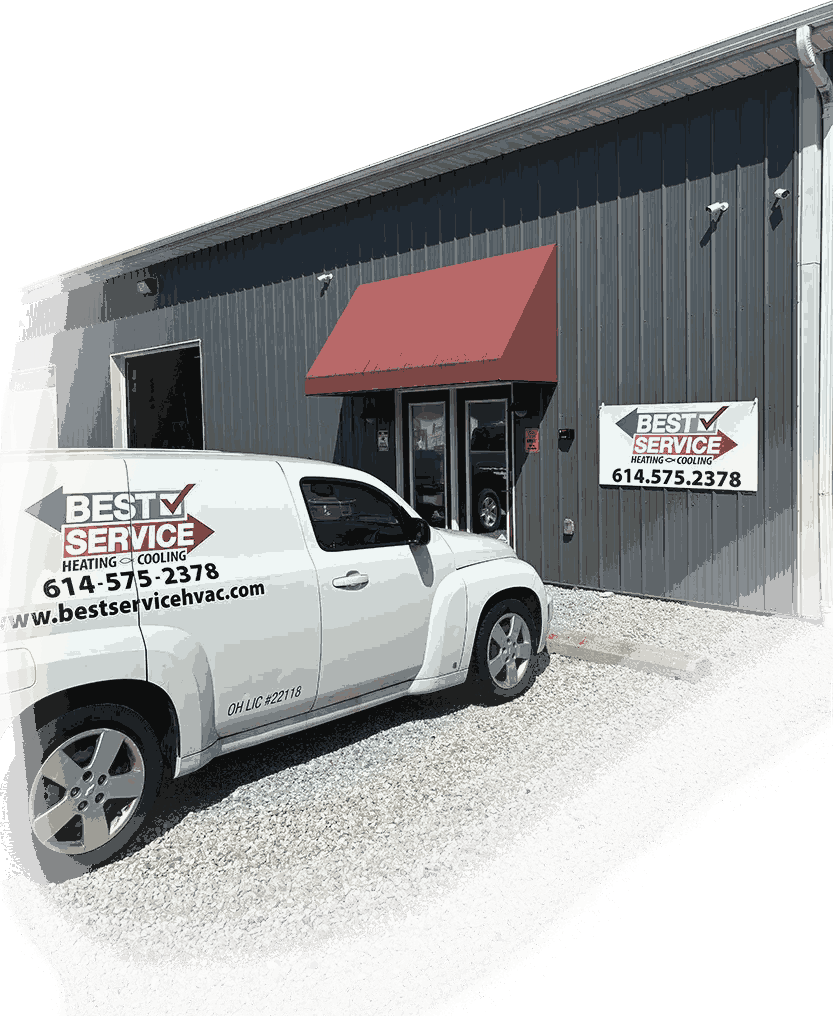
Replacing an HVAC system is one of the most important decisions a homeowner can make for year round comfort, energy efficiency, and indoor air quality. In Lancaster, OH, where humid summers and cold, damp winters place heavy demands on heating and cooling equipment, choosing the right replacement system matters for monthly utility costs, long term reliability, and overall comfort. Best Service Heating & Cooling brings decades of local experience to HVAC replacement in Lancaster, OH, helping homeowners move from repeated repairs to a correctly sized, energy efficient system that fits the home and the local climate.
Why replace your HVAC system now (instead of repairing)?
Many Lancaster homeowners delay replacement because a repair is cheaper in the short term. That can make sense in some cases. However, frequent breakdowns, rising repair costs, poor efficiency, uneven comfort, and outdated equipment are strong indicators replacement will save money and headaches over the next 5 to 15 years.
Common reasons Lancaster homeowners choose replacement:
- System age 12 years or older for air conditioners and 15 years or older for furnaces and heat pumps.
- Increasing repair frequency or a single repair that costs more than 50% of a new system.
- Rising energy bills despite routine maintenance.
- Poor humidity control during hot summers or inadequate heat on cold nights.
- R-22 refrigerant equipment (most systems using R-22 are now obsolete and parts are scarce).
- Desire for improved indoor air quality, zoning, or quieter operation.
- Home renovations or additions that change heating and cooling loads.
Common HVAC replacement issues in Lancaster, OH
Lancaster homes present some recurring patterns that influence system life and performance:
- High humidity stress during summer leads to extended runtimes and accelerated coil corrosion if equipment is undersized or airflow is restricted.
- Cold, wet winters increase furnace runtimes and can reveal combustion or venting issues on older equipment.
- Older duct systems with leaks and poor insulation are common in older Lancaster houses and reduce effective capacity.
- Attic and crawlspace insulation levels vary widely and change load calculations significantly.
- Seasonal pollen and indoor humidity can exacerbate indoor air quality complaints without proper filtration and humidity control.
Repair vs replacement: How to decide
Evaluate these factors together rather than relying on a single rule:
- Age: If the system is beyond its expected service life (air conditioner 12-15 years, furnace 15-20, heat pump 12-15) replacement is usually best.
- Repair history: Multiple repairs within 2-3 years indicate rising risk of failure.
- Repair cost: Repairs that exceed 50% of a comparable new system are usually not cost effective.
- Efficiency: New systems often deliver 15 to 40 percent energy savings over 10 to 15 year old models.
- Comfort: Persistent hot or cold spots, poor humidity control, and noise are quality of life indicators that replacement can fix.
- Home changes: Additions, finished basements, or remodels often require resizing.
Best Service Heating & Cooling uses a holistic approach: we review age, repair history, energy use, and a professional load calculation to recommend repair only when it makes sense and replacement when it provides measurable benefits.
System sizing and load calculations for Lancaster homes
Proper sizing is critical. Oversized or undersized systems both cause problems:
- Oversized equipment cycles on and off frequently, reducing dehumidification and increasing wear.
- Undersized equipment runs constantly, shortens component life, and may not achieve setpoint on the hottest or coldest days.
Industry standard Manual J load calculations determine heating and cooling requirements by evaluating:
- Square footage and room-by-room layout
- Insulation levels in walls, attic, and floors
- Window types, orientation, and shading
- Air infiltration and duct leakage
- Occupant behavior and internal heat gains (appliances, lighting)
- Local climate data (peak outdoor design temperatures for Lancaster, OH)
For Lancaster, OH, load calculations must account for humid summer peaks and winter lows. Best Service Heating & Cooling performs Manual J and ductwork assessments on every replacement to select appropriately sized equipment, recommend duct sealing or modification if needed, and ensure balanced airflow.
Energy-efficient model options and what they mean for you
When replacing, homeowners can choose from multiple equipment types and efficiency tiers. Matching the right technology to your needs and budget delivers long-term savings.
Key options:
- High efficiency air conditioners (SEER ratings): Modern systems range from 14 SEER to 26 SEER. Upgrading from an older 10 SEER unit to a 16 SEER model can reduce cooling energy use by approximately 20 to 40 percent depending on use patterns and duct losses.
- Heat pumps: Cold-climate heat pumps provide both heating and cooling efficiently and perform well in Lancaster when sized correctly. They can reduce winter heating costs compared to older gas furnaces in many scenarios.
- High AFUE furnaces: New gas furnaces with 95 AFUE convert more fuel into heat than older 80 AFUE units, reducing fuel consumption by roughly 10 to 18 percent for similar operating hours.
- Variable speed and two-stage systems: These improve comfort, reduce short cycling, and offer better humidity control by modulating output to match load.
- Ductless mini splits: Ideal for additions, finished basements, or homes with limited ductwork. Provide room-by-room control and high efficiency.
- Smart thermostats and zoning: Offer better control, programmable schedules, and potential energy savings when combined with appropriate system selection.
- Advanced filtration and ventilation: Improve indoor air quality and can be integrated with replacement systems to address pollen, dust, and humidity issues common in Lancaster.
Selecting a higher efficiency system typically increases upfront cost but reduces operating cost. Payback periods vary depending on fuel type, local energy costs, and usage patterns.
Removal and disposal of old equipment
A professional replacement includes safe removal and responsible disposal:
- Refrigerant recovery: Licensed technicians recover and recycle refrigerants per federal and state regulations to prevent environmental release.
- Proper disposal: Compressors, coils, and other components contain metals and oils that must be handled at certified recycling facilities.
- Gas and electrical disconnect: Certified procedures ensure safe disconnection of gas lines, electrical service, and venting before removal.
- Site cleanup: Technicians protect floors, landscaping, and leave the work area clean.
- Documentation: Disposal and refrigerant recovery records are typically provided to satisfy warranty and regulatory requirements.
Best Service Heating & Cooling follows all EPA and Ohio guidelines for refrigerant handling and disposal and documents these steps for homeowner peace of mind.
Typical installation timeline and what to expect
Installation duration depends on system complexity and necessary modifications:
- Straight swap (same location, similar equipment): often completed in one day.
- New equipment with minor duct modifications: 1 to 2 days.
- Major changes (new ductwork, zoning, changing fuel type, or multi stage systems): 2 to 4 days or more.
Typical steps:
- Pre-install inspection and load calculation.
- Delivery and staging of new equipment.
- Removal of old system and refrigerant recovery.
- Install new equipment, duct modifications, electrical and gas connections.
- System charging and controls setup.
- Post-install testing and homeowner orientation.
- Final cleanup and paperwork.
Expect some noise and workers in the home during installation. Professional teams protect floors and furniture, secure work areas, and complete final testing before leaving.
Financing and rebate information for Lancaster homeowners
Replacing HVAC equipment is an investment and financing options help spread cost. Best Service Heating & Cooling can help educate homeowners about typical financing pathways without endorsing specific programs.
General financing and rebate considerations:
- Contractor financing: Many HVAC companies work with financing partners offering fixed monthly payments for qualified applicants. Terms vary by lender and credit.
- Home equity or personal loans: Homeowners sometimes use home equity lines of credit or personal loans for lower interest rates if available.
- Utility rebates: Local utilities may have rebates for high efficiency equipment, heat pumps, or duct sealing. Availability and amounts change frequently.
- Federal incentives: From time to time, federal energy programs provide tax credits or incentives for energy-efficient equipment. Eligibility depends on equipment type and installation details.
- Manufacturer promotions: Seasonal manufacturer offers or extended warranties sometimes accompany new equipment purchases.
Best Service Heating & Cooling reviews eligibility and documentation for rebates and tax credits and advises on the financing routes commonly available for Lancaster homeowners. We provide the necessary equipment specifications and paperwork typically required to apply for incentives.
Expected lifecycle and long term cost savings
Typical equipment lifespans:
- Central air conditioner: 12 to 15 years
- Gas furnace: 15 to 20 years
- Heat pump: 12 to 15 years
- Ductless mini split: 12 to 20 years depending on use and maintenance
How replacement pays off:
- Reduced energy bills: A modern, high efficiency system can cut cooling and heating costs significantly versus older units. For example, replacing a 10 SEER system with a 16 SEER unit commonly yields 20 to 35 percent cooling cost reduction. Upgrading a furnace from 80 AFUE to 95 AFUE can lower heating fuel use by 10 to 20 percent.
- Lower repair bills: New equipment typically reduces annual repair spending in the early years.
- Increased resale value: Buyers value newer, efficient HVAC systems as part of overall home condition.
- Improved comfort and health: Better humidity control, even temperature, and improved filtration have non monetary benefits that are important to families.
Sample scenario:
- Older 12 year AC (10 SEER) replaced with 16 SEER AC:
- Cooling energy reduced by about 25 percent in many central Ohio homes.
- If cooling costs were 600 per cooling season, savings could be around 150 per year.
- Combined with fewer repairs, improved comfort, and potential rebates, payback typically occurs over several years depending on local rates and usage.
Exact savings vary by household. Best Service Heating & Cooling provides an equipment-level estimate based on your historical utility bills and the proposed system.
Post-installation testing and warranties
A professional replacement includes comprehensive testing and documentation:
- Refrigerant charge and superheat/subcooling checks to ensure optimal efficiency.
- Airflow measurements and balancing to confirm ductwork delivers design CFM to each space.
- Duct leakage testing or visual confirmation of sealant and insulation.
- Combustion analysis and venting checks for gas-fired equipment.
- Electrical safety and breaker checks.
- Thermostat calibration and control setup, including Wi Fi or zoned system programming if applicable.
Warranties:
- Equipment manufacturer warranties: typically 5 to 10 years parts, with extended warranties available on some models.
- Compressor warranties: often have longer terms (5 to 10 or more years) though terms vary.
- Labor and installation warranties: contractors often offer limited labor warranties for a set period after installation. Best Service Heating & Cooling documents warranty terms and required maintenance to keep warranties valid.
Registering equipment with the manufacturer and completing recommended maintenance visits preserves warranty coverage and protects your investment.
Maintenance and long term care after replacement
To protect the investment and maximize service life:
- Schedule annual tune ups: at minimum one annual visit for the component most in use (cooling tune up in spring, heating tune up in fall). Dual fuel or heat pump systems often benefit from two seasonal checks.
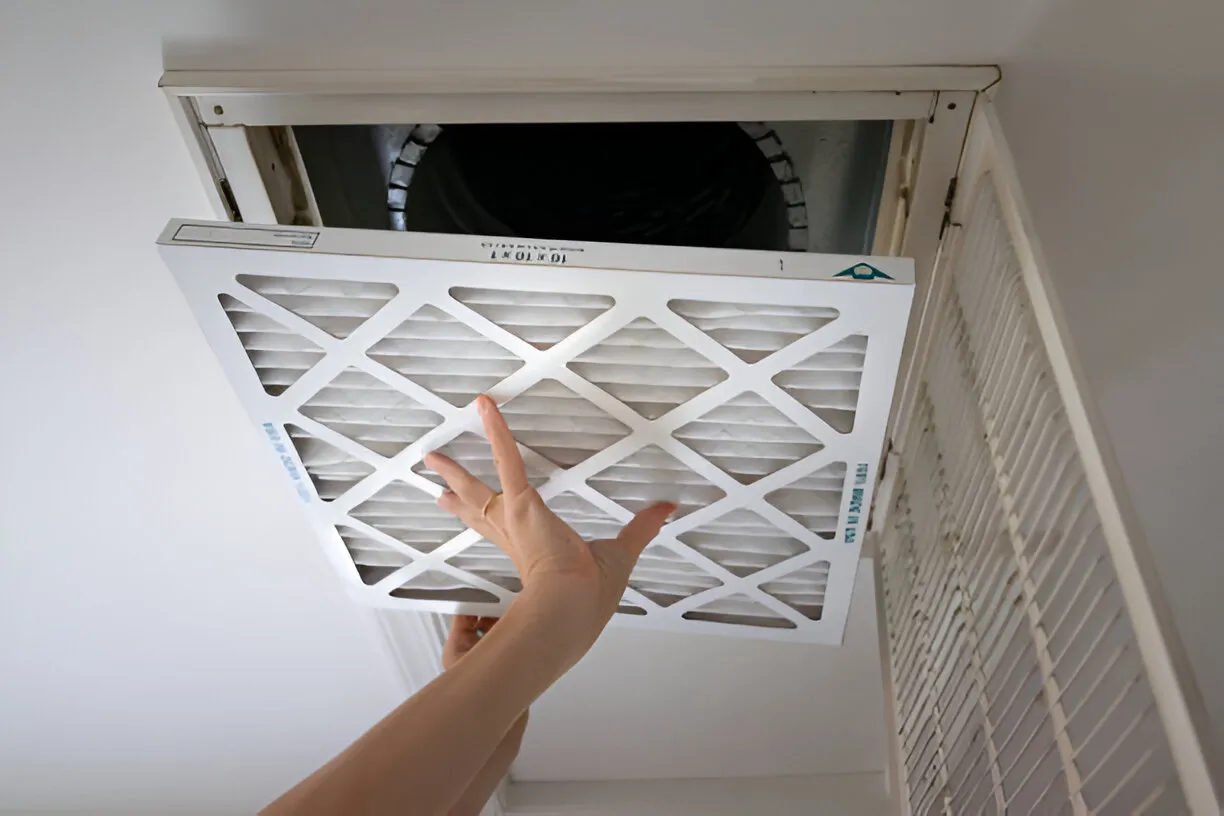
- Replace filters regularly: standard filters every 1 to 3 months, high efficiency filters per manufacturer guidance, and pleated or electronic filters maintained per their cycle.
- Keep outdoor condensing units clear: trim vegetation and clean debris to ensure proper airflow during the cooling season.
- Monitor for unusual noises, odors, or cycles and address promptly.
- Maintain proper thermostat settings and use programmable or smart thermostats to reduce unnecessary runtime.
- Consider a maintenance agreement that includes priority service, discounts, and inspections to extend life and efficiency.
Best Service Heating & Cooling offers preventive maintenance plans that reduce emergency repairs, extend equipment life, and keep performance at peak levels.
Broader benefits of professional HVAC replacement in Lancaster, OH
Replacing the HVAC system correctly delivers more than comfort. For Lancaster homeowners, the right system:
- Matches local weather demands, delivering reliable cooling during humid summers and efficient heating on cold nights.
- Reduces monthly operating costs through modern efficiency gains.
- Improves indoor air quality and humidity control for health and preservation of your home.
- Protects against unexpected failures and the expense of emergency repairs.
- Increases home value and improves marketability when selling.
Best Service Heating & Cooling combines local knowledge, certified testing (Manual J load calculations), proper installation practices, and ongoing maintenance recommendations to ensure replacements meet expectations and perform for years.
Hot Deals & Cool Savings

.webp)
New Service Agreement Membership
.webp)
Any New Client Service
Next Service for Referring a New Client
New Service Agreement Membership
Any New Client Service
Next Service for Referring a New Client
.webp)
.webp)
Service Areas