
HVAC Tune-up in Hebron, OH
Professional HVAC tune-ups in Hebron, OH keep systems safe and efficient with thorough inspection, cleaning, testing, and calibration. Schedule today.

Keeping your heating and cooling system running reliably and efficiently matters in Hebron, OH. Best Service Heating & Cooling provides seasonal HVAC tune-ups that go beyond a quick filter swap to deliver a thorough inspection, precision adjustments, and targeted cleaning so your system performs when you need it most. Whether you are preparing for hot, humid summers or cold, variable winters, a professional tune-up reduces unexpected breakdowns, improves comfort, and helps keep energy costs in check for homes throughout Hebron and the surrounding Licking County communities.
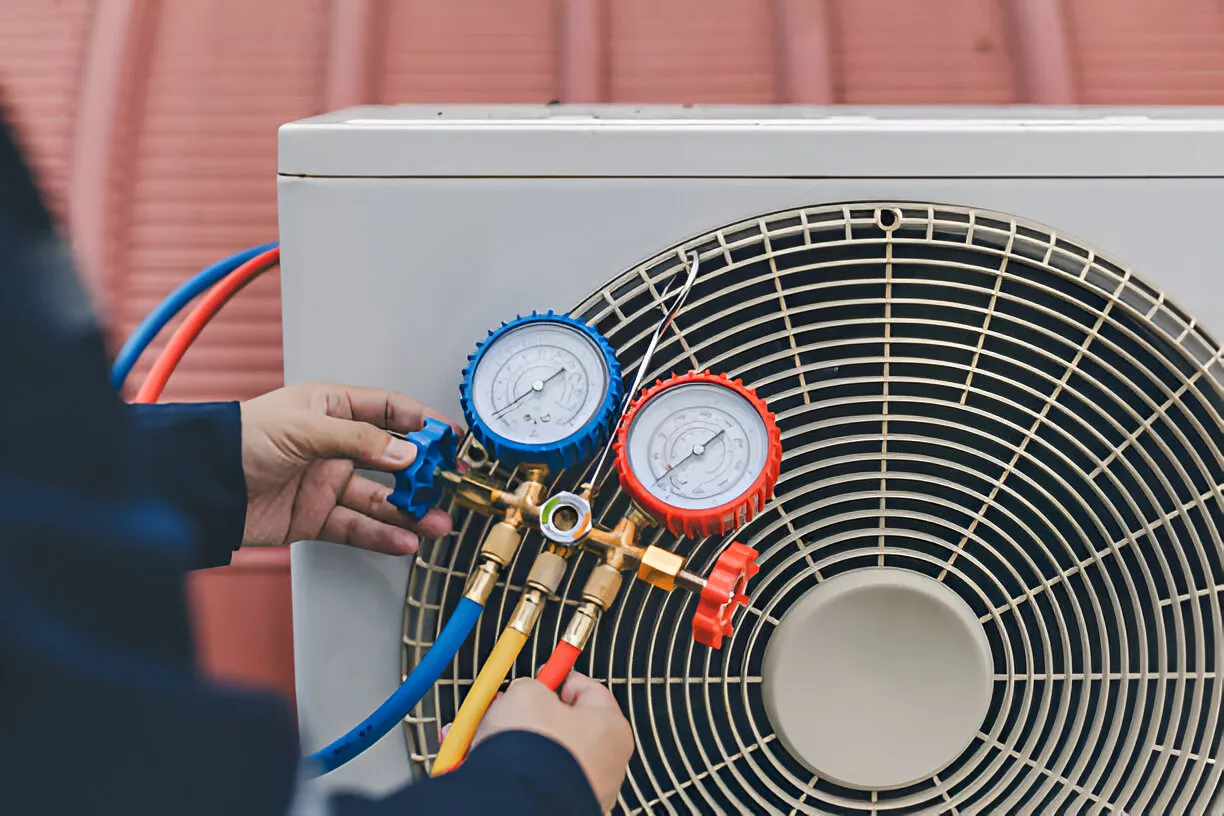
Why a seasonal HVAC tune-up matters in Hebron, OH
Hebron experiences warm, humid summers and cold winters with occasional snow and freezing conditions. These seasonal extremes place stress on HVAC equipment:
- Summer humidity increases run times for air conditioners, which leads to coil dirt buildup and condensate drain issues.
- Winter cold means furnaces and heat pumps cycle more frequently and combustion systems need proper inspection for safe operation.
- Pollen, dust, and seasonal debris typical to central Ohio can clog filters and reduce airflow year-round.
- Freeze-thaw cycles and storms can expose outdoor units to debris and physical wear.
A professional tune-up addresses these local stressors, keeping systems safe, efficient, and dependable. Best Service Heating & Cooling has served central Ohio since 1992 and brings long-term local experience to every service visit.
Common HVAC problems we prevent with a tune-up
Regular tune-ups detect and often prevent issues that lead to costly repairs or early system replacement. Common problems we identify and correct in Hebron homes include:
- Reduced cooling capacity and uneven cooling due to dirty evaporator or condenser coils
- High energy use from inefficient operation and poor airflow
- Short cycling or frequent on/off cycles that stress compressors and motors
- Drain clogs and condensate overflow that can cause water damage and mold risk
- Low refrigerant or hidden leaks that reduce cooling performance
- Ignition, burner, or heat exchanger issues in gas furnaces that could cause unsafe operation
- Faulty thermostat calibration causing incorrect temperature control
- Worn electrical connections, failing capacitors, or weak motors that threaten reliability
Addressing these items in a timely tune-up lowers the chance of emergency calls during heat waves or winter cold snaps.
What a comprehensive HVAC tune-up includes
Best Service Heating & Cooling follows a structured, checklist-driven process so every key component receives attention. A standard seasonal tune-up in Hebron, OH includes inspection, cleaning, testing, and calibration of both indoor and outdoor equipment. Technicians check safety systems and performance to give you confidence in system reliability.
Detailed checklist of tasks performed
- Visual inspection of entire HVAC system and accessible ductwork for obvious issues
- Replace or inspect air filter and recommend correct filter type and schedule
- Clean evaporator and condenser coils to restore heat-transfer efficiency
- Inspect and clean condensate drain lines, drain pan, and condensate pump; clear clogs and test drainage
- Check refrigerant levels and operate system to verify proper refrigerant charge; perform leak checks where indicated
- Measure system airflow and static pressure; verify proper blower operation and adjust fan speeds if needed
- Inspect and test thermostat operation and recalibrate or reprogram as needed for accurate control
- Examine electrical connections, fuses, contactors, relays, and capacitors; tighten and secure connections
- Inspect motors, belts, and pulleys; lubricate bearings where applicable
- Test start capacitors and hard-start components for air conditioners and heat pumps
- Inspect combustion components in gas furnaces: burners, ignition system, flame sensor, and heat exchanger for cracks or corrosion; perform combustion analysis when required
- Verify safety controls including limit switches, rollout switches, and pressure switches
- Check reversing valve operation on heat pumps and verify defrost cycle function
- Measure temperature split across the evaporator coil and record supply/return temperatures
- Perform system operation test through a full cycle to observe starting, run performance, and cycling behavior
- Inspect outdoor unit base and surroundings for debris, proper clearance, and signs of damage
- Inspect ductwork at accessible points for major leaks or disconnections and recommend duct cleaning if needed
- Provide a written report of findings, actions taken, and recommended repairs or upgrades
Each step is performed with the goal of restoring safe, efficient operation while documenting the system condition for future reference.
Diagnostic tests and what they reveal
During a tune-up, technicians run targeted diagnostics to find less obvious issues:
- Refrigerant pressure check: Confirms system has proper charge. Low pressure can indicate leaks or undercharge, reducing cooling capacity.
- Electrical load and amp readings: Highlights failing motors, hard-starting compressors, or overloaded circuits.
- Temperature split measurement: The difference between supply and return air indicates coil cleanliness and refrigerant status. Out-of-spec splits signal reduced performance.
- Combustion analysis (gas furnaces): Confirms efficient and safe combustion, detects carbon monoxide risk, and ensures proper venting.
- Static pressure and airflow measurement: Reveals blocked ducts, dirty filters, or undersized equipment that limit airflow.
- Leak detection for refrigerant: Identifies active leaks that should be repaired to prevent environmental harm and performance loss.
- Condensate drain test: Verifies the drain line and trap function to prevent backups and water damage.
By combining visual inspection with precise measurements, our technicians can recommend only the services that improve safety and performance.
Typical tune-up process and what to expect on service day
Technicians work efficiently while keeping homeowners informed of conditions and recommendations. A typical tune-up flow:
- Arrival and system history review: Technician notes recent problems, thermostat settings, and any known service challenges.
- Safety checks and shutdown: Systems are powered down safely for inspections that require access to internal components.
- Cleaning and replacement work: Coils are brushed or rinsed, drains cleared, and filters inspected/replaced. Electrical connections are tightened and components lubricated.
- Diagnostic testing with measurement: Refrigerant pressures, electrical readings, combustion (if applicable), and airflow are measured and recorded.
- Performance verification: System is run through a full heating or cooling cycle and observed for proper operation and normal cycling.
- Final report and recommendations: Homeowner receives an itemized report of what was performed and any recommended repairs or future attention items.
Expected duration
- Typical single-family home HVAC tune-up: 60 to 90 minutes for a focused seasonal service on one heating or one cooling system.
- Combined heating and cooling service on the same visit: 90 to 120 minutes, depending on system complexity.
- Older systems, systems with known issues, or multi-zoned setups may require additional time for thorough diagnostics.
These timeframes ensure technicians complete necessary inspections and tests without cutting corners.
Safety and efficiency testing explained in plain language
Safety and efficiency testing is about protecting your family while lowering operating costs:
- Safety controls: Technicians test limit switches, rollout switches, and carbon monoxide risks on combustion systems to ensure no dangerous conditions can develop.
- Electrical and startup testing: Properly functioning electrical components prevent overheating and reduce fire risk.
- Combustion efficiency: For gas furnaces, combustion testing makes sure fuels are burning cleanly and exhaust is vented safely.
- Efficiency testing: Measuring supply and return temperatures, refrigerant pressure, and amperage helps determine whether the system is operating near manufacturer specifications. When it is not, targeted maintenance often restores efficiency and reduces energy use.
Explaining these items to homeowners helps them understand why maintenance is a wise investment in safety and long-term savings.
Performance and reliability benefits of regular tune-ups
Scheduling seasonal tune-ups provides measurable benefits:
- Improved reliability: Routine maintenance reduces sudden failures during peak weather and extends the period between major repairs.
- Longer equipment life: Removing stressors like dirt and improper charges reduces wear and can add years to your system lifespan.
- Better comfort: A tuned system maintains steadier temperatures and reduces hot or cold spots.
- Lower energy consumption: Clean coils, proper refrigerant charge, and correct airflow restore efficiency so systems use less electricity or gas.
- Reduced risk of emergency repairs: Early detection of worn parts or failing components prevents breakdowns that occur at the worst possible times.
- Indoor air quality improvements: Clean coils, clear drains, and proper filtration reduce allergens and mold risk in your home.
- Warranty compliance: Many manufacturers require routine maintenance for warranty validity; professional tune-ups provide documented service records.
These benefits are especially important in Hebron where seasonal extremes can expose systems to heavy use and stress.
When to schedule tune-ups in Hebron
Because of Hebron's seasonal weather patterns, the recommended cadence is:
- Spring (April to May): Air conditioning tune-up to prepare for hot, humid summer conditions. This includes coil cleaning, refrigerant checks, and condensate drain service.
- Fall (September to October): Heating tune-up for furnaces and heat pumps to ensure safe combustion, clean burners, and proper operation before cold weather arrives.
Homes with high occupancy, pets, or indoor air-quality concerns may benefit from additional mid-season checks. Older systems or units with a history of issues should have closer monitoring.
How Best Service Heating & Cooling supports ongoing maintenance
Best Service Heating & Cooling offers systematic, checklist-based tune-ups performed by trained technicians familiar with central Ohio systems. Service includes clear documentation of work completed and recommendations for repairs or upgrades. In addition to one-off tune-ups, maintenance agreements are available that provide scheduled seasonal visits and priority service, helping homeowners stay ahead of problems and maintain documented service records for warranty purposes.
The company’s long-standing local presence since 1992 and an A+ BBB rating reflect experience and a focus on professional workmanship. Technicians bring knowledge of local installation practices, common equipment brands found in Hebron homes, and regional issues like humidity-driven condensate problems and pollen season impacts.
What we do not do during a standard tune-up
A standard tune-up focuses on inspection, cleaning, testing, and minor adjustments. It does not typically include:
- Major component replacements such as compressors, heat exchangers, or complete coil replacement
- Major ductwork alterations or full duct replacement
- Extensive refrigerant leak repair requiring replacement of sealed system components
- Full indoor air quality installations like whole-house humidifiers, UV lights, or complex filtration upgrades (though these can be recommended and scheduled separately)
If a tune-up reveals items requiring larger repairs, technicians will document findings and outline the recommended next steps for repair or replacement.
Hot Deals & Cool Savings

.webp)
New Service Agreement Membership
.webp)
Any New Client Service
Next Service for Referring a New Client
New Service Agreement Membership
Any New Client Service
Next Service for Referring a New Client
.webp)
.webp)

Service Areas
