
HVAC Replacement in Hebron, OH
Hebron, OH HVAC replacement guide: learn our assessment, right-sizing, installation process, and how to reduce long-term operating costs. Learn more.

Replacing an HVAC system is one of the most important home investments you can make in Hebron, OH. Seasonal extremes in central Ohio mean your system must perform reliably through humid, hot summers and cold, often unpredictable winters. Best Service Heating & Cooling brings local knowledge and decades of experience to full-system replacement projects, focusing on accurate home assessment, right-sized equipment, efficient installation, and long-term operating savings.
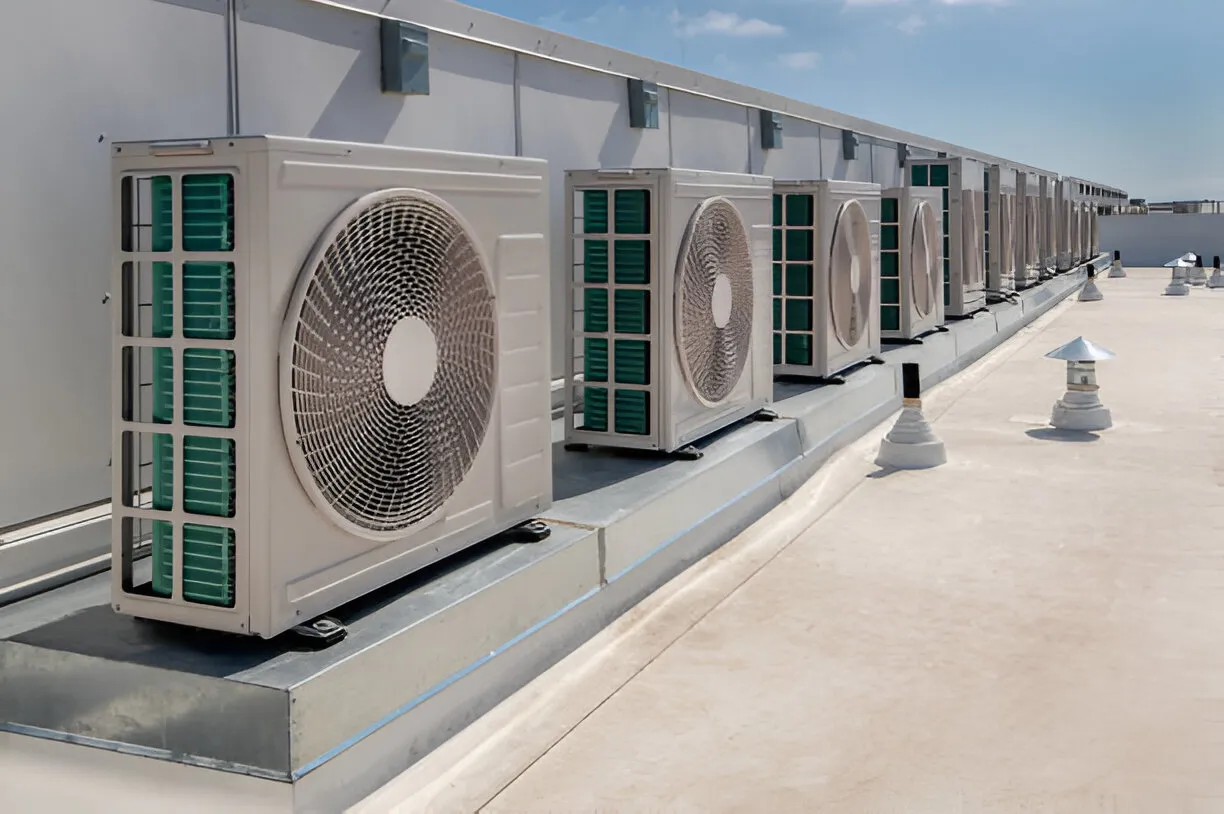
Why Hebron homeowners replace HVAC systems now
- Frequent breakdowns, rising repair bills, and reduced comfort are the most common triggers for replacement.
- Older systems lose efficiency over time. In Hebron, higher summer humidity and freezing winter temperatures make efficiency especially valuable for comfort and energy budgets.
- Upgrading to modern, high-efficiency equipment can improve indoor air quality and humidity control, which matters in a region with seasonal swings.
- Proper replacement gives an opportunity to correct duct problems, add zoning, or switch fuel types (for example from older electric-resistance or aging boilers to high-efficiency heat pumps or furnaces) to lower long-term operating costs.
Common HVAC replacement scenarios in Hebron, OH
- Permanently failing air conditioner or heat pump from frequent compressor or refrigerant issues.
- Furnace old enough that repairs approach the cost of replacement, or that can no longer meet AFUE expectations.
- Systems undersized or oversized for recent home renovations or additions, resulting in short cycling or uneven temperature.
- Homes with poor ductwork, chronic leaks, or inadequate insulation that need a whole-system approach rather than a simple unit swap.
- Desire to improve energy efficiency, switch to a variable-speed heat pump, or add smart zoning and humidity control for better year-round comfort.
Initial home and system assessment: what to expect
A thorough replacement begins with a full home and system assessment. Best Service Heating & Cooling follows a structured approach to understand how your home uses heating and cooling so we can recommend equipment that minimizes operating costs and maximizes comfort.
Key elements of the assessment:
- Visual inspection of existing equipment, ductwork, filters, vents, and thermostat locations.
- Review of past service history and current complaints about comfort, airflow, or noise.
- Measurement of living area, ceiling heights, insulation levels, window orientation, and major heat gains or losses.
- Inspection for combustion safety issues, venting, and any required code compliance or permits.
- Basic evaluation of electrical capacity and gas line sizing when applicable.
This assessment is not a guess. It forms the basis for accurate load calculations and equipment selection.
Load calculations and right-sizing your new system
Right-sizing is the most critical decision in a replacement. Too large a system causes short cycling, poor humidity control, and higher long-term costs. Too small a system struggles to meet comfort needs and runs constantly.
What we use and why:
- Manual J load calculation to determine precise heating and cooling requirements based on Hebron home specifics: square footage, insulation levels, window types and solar gain, occupancy, and appliances.
- Manual D for duct design when ductwork is being replaced or modified.
- Manual S to match equipment performance to the load and local design temperatures.
These calculations ensure your new system operates efficiently in Hebron weather. We base equipment recommendations on these numbers rather than rule-of-thumb sizing or simplified estimates.
Energy-efficient equipment options and comparisons
The right equipment depends on your priorities: lowest operating cost, best humidity control, quiet operation, or upfront budget. Below are common options and how they compare.
Central air conditioners and heat pumps
- Variable-speed heat pumps (cold-climate models available) provide efficient heating and cooling in one package. Modern heat pumps can be a cost-effective alternative to traditional furnaces in central Ohio, especially when paired with proper insulation and ductwork.
- Two-stage or variable-speed compressors offer gentler operation, improved comfort, and better humidity control than single-stage units.
- Compare SEER (cooling efficiency) and HSPF (heating efficiency for heat pumps). Higher ratings mean lower energy use but higher upfront cost.
Furnaces and hybrid systems
- High-efficiency gas furnaces with AFUE ratings in the high 90s provide reliable winter heat. Paired with an efficient air conditioner or heat pump, a hybrid system can optimize operating costs through seasonal switching.
- Modulating or two-stage furnaces run more quietly and provide steadier temperatures.
Ductless mini-splits
- Ideal for additions, garages turned living spaces, or homes without central ductwork. Ductless systems offer room-by-room control and high efficiency. Consider local winter performance when selecting a model.
Indoor air quality and ventilation
- Whole-home dehumidifiers, energy recovery ventilators (ERVs), and upgraded filtration systems can be installed during replacement to address Hebron humidity and pollen seasons.
- Smart thermostats and zoning systems help control energy use and improve comfort without oversizing equipment.
How Best Service compares options
- We present clear comparisons based on estimated annual energy use, expected lifespan, and how each option handles Hebron climate factors like humid summers and cold snaps.
- Recommendations include expected performance, warranty differences, maintenance needs, and how a choice integrates with existing ductwork or distribution systems.
Ductwork inspection, repair, and replacement
Duct performance has a direct impact on system efficiency and comfort. Before finalizing equipment, we evaluate:
- Duct leakage and pressure imbalances.
- Proper sizing, transitions, and insulation, especially if ducts run through unconditioned crawlspaces or attics.
- Return air pathways and balancing needs.
If ducts are salvageable, targeted sealing and insulation can dramatically improve system performance. If ducts are undersized, heavily damaged, or poorly located, coordinated replacement yields the best long-term results.
Removal, refrigerant handling, and disposal of old units
Responsible HVAC replacement includes proper removal and disposal of old equipment.
- Refrigerant recovery is performed by certified technicians and follows EPA regulations for safe handling and recycling.
- Old appliances are drained, disconnected, and removed with safety protocols for fuel lines, electrical, and venting.
- Metals and recyclable components are separated for proper recycling; hazardous fluids are disposed of in accordance with local and federal regulations.
This ensures safe, code-compliant disposal and reduces environmental impact.
Installation process and typical timeline
A full HVAC replacement is a multi-step project. Timeline varies by system complexity, permit requirements, and any necessary ductwork or electrical upgrades, but typical stages include:
Pre-installation planning (1 to 3 days)
- Final equipment selection, load calculation confirmation, permit preparation, and material ordering.
Site preparation (morning to a day)
- Protect flooring, establish staging areas, and ensure safe access to equipment locations.
Old equipment removal and duct prep (half day to a day)
- Recover refrigerant, disconnect and remove equipment, inspect and prepare duct openings.
New equipment installation (1 to 3 days)
- Set and fasten outdoor condensing units or heat pumps, install indoor air handler or furnace, connect refrigerant lines, ducts, and controls.
- Electrical and gas connections, combustion safety checks where applicable.
System commissioning and testing (half day)
- Evacuate and charge refrigeration circuits, balance airflow, verify thermostat operation, and run safety and efficiency checks.
- Demonstrate controls and basic maintenance tasks to homeowners.
Final inspection and paperwork (as required)
- Municipal inspections or permit sign-offs and final warranty registration.
Simple replacements for like-for-like systems can often be completed in a single day. More complex swaps that include new ductwork, zoning, or fuel conversion may take several days.
Warranty, maintenance plans, and financing options
Warranty types and maintenance impact long-term value.
Warranties
- Manufacturer warranties cover components like compressors, heat exchangers, and control boards. Duration and coverage vary by model and brand; many modern systems include 10-year limited parts warranties or more for higher-end models.
- Labor warranties protect against installation-related defects. Best Service Heating & Cooling documents workmanship coverage and clarifies what is included.
- Extended or enhanced warranties may be available for an additional period; understanding exclusions and maintenance requirements is critical to preserve coverage.
Maintenance plans
- Regular preventive maintenance preserves efficiencies claimed by warranties. Best Service offers maintenance agreements that include seasonal tune-ups, priority service, and discounts on repairs, which help prolong equipment life and sustain efficiency.
Financing
- Financing options can spread upfront investment into manageable payments so homeowners can choose the most efficient system rather than the lowest-cost equipment. Typical financing structures include fixed-term loans and special low-interest periods.
- Consider the financial trade-offs: higher-efficiency equipment increases upfront cost but typically lowers monthly utility bills and may qualify for local utility rebates or tax incentives when available.
Choosing the right system to reduce long-term operating costs
A replacement should be viewed as a long-term investment. The goal is to minimize total cost of ownership, not just upfront price. Key considerations include:
Correct sizing
- Load calculations prevent oversizing and the associated energy and comfort penalties.
System efficiency ratings
- Higher SEER and AFUE ratings generally mean lower annual energy use. Use estimated annual energy cost comparisons to evaluate payback time.
Duct and building envelope improvements
- Sealed, insulated ducts and better attic or wall insulation increase the efficiency benefits of new equipment.
Controls and zoning
- Smart thermostats, programmable controls, and zoning reduce wasted conditioning of unoccupied areas.
Matching components
- Matched outdoor and indoor units preserve rated efficiency. Mixing unmatched components often reduces performance and may void manufacturer warranties.
Local energy costs and usage patterns
- Consider winter heating fuel costs in Hebron and summer electricity rates; these factors influence whether a heat pump, furnace, or hybrid approach is most economical.
Future-proofing and flexibility
- Modern systems with variable speeds, smart controls, and compatibility with renewable sources offer more longevity and adaptability.
Code compliance, permits, and safety
Replacement work must comply with local and state codes. Necessary actions include:
- Obtaining permits for equipment changeouts where required by the jurisdiction.
- Ensuring combustion appliances, venting, and combustion-air provisions meet safety standards.
- Electrical and gas connections completed to code by qualified technicians.
- Documentation for inspections and warranty registration.
Best Service Heating & Cooling follows local code requirements for Hebron and central Ohio to ensure safety and compliance.
Common questions homeowners have during replacement
- How long will my home be without heating or cooling? Short, staged outages occur during equipment changeover. Most systems are swapped within a day or two; more extensive jobs have scheduled windows for disruption.
- Will I need new ductwork? Not always. After assessment, we advise whether targeted repairs suffice or full replacement is warranted to achieve the desired performance.
- Can I improve indoor air quality during this project? Yes. It is efficient to add whole-home filtration, UV germicidal lights, dehumidification, or ventilation upgrades at the time of replacement.
- What about refrigerant types? Newer equipment uses modern refrigerants with lower environmental impact. Handling and transition are performed according to EPA rules.
What makes a replacement successful in Hebron, OH
- Accurate load calculation and right-sized equipment selection that account for Hebron seasonal extremes.
- Attention to ductwork, airflow balance, and insulation to let new equipment deliver promised efficiency.
- Proper refrigerant recovery, safe removal, and responsible disposal of old equipment.
- Clear warranty documentation and a realistic maintenance plan to preserve performance over the system lifespan.
- Transparent comparisons of energy use, operating cost projections, and expected comfort improvements so homeowners can decide with confidence.
Long-term benefits include lower utility bills, fewer emergency repairs, improved comfort, and better indoor air quality. Homes with well-executed HVAC replacements often experience fewer temperature swings, better humidity control in summer months, and more consistent heating during Ohio winters.
Maintenance advice to extend system life and savings
- Seasonal tune-ups: Two inspections per year (one cooling, one heating) keep systems operating at peak performance and are often required to maintain warranties.
- Replace filters regularly: Clean filters improve airflow and efficiency and protect equipment from premature wear.
- Keep outdoor equipment clear: Maintain 2 to 3 feet of clearance around outdoor units and keep the area free of leaves and debris.
- Monitor thermostat settings: Use programmable or smart thermostats to minimize wasted runoff operation while away.
- Address duct leaks early: Sealing and insulating ducts reduces load on the system and improves comfort.
Best Service Heating & Cooling recommends a proactive maintenance approach to capture the full efficiency and lifespan benefits of a new system.
Hot Deals & Cool Savings

.webp)
New Service Agreement Membership
.webp)
Any New Client Service
Next Service for Referring a New Client
New Service Agreement Membership
Any New Client Service
Next Service for Referring a New Client
.webp)
.webp)

Service Areas
