
HVAC Tune-up in Grove City, OH
HVAC Tune-Up in Grove City, OH improves reliability and efficiency. Schedule a service today and learn more about maintenance plans.

An HVAC tune-up in Grove City, OH keeps your heating and cooling systems running reliably through hot, humid summers and cold, snowy winters. Best Service Heating & Cooling provides focused seasonal tune-ups that identify small problems before they become expensive emergencies, improve system efficiency, and help extend equipment life. If your priority is predictable comfort, lower utility bills, and fewer mid-season breakdowns in Grove City homes, a professional tune-up is the practical, preventative step to take.
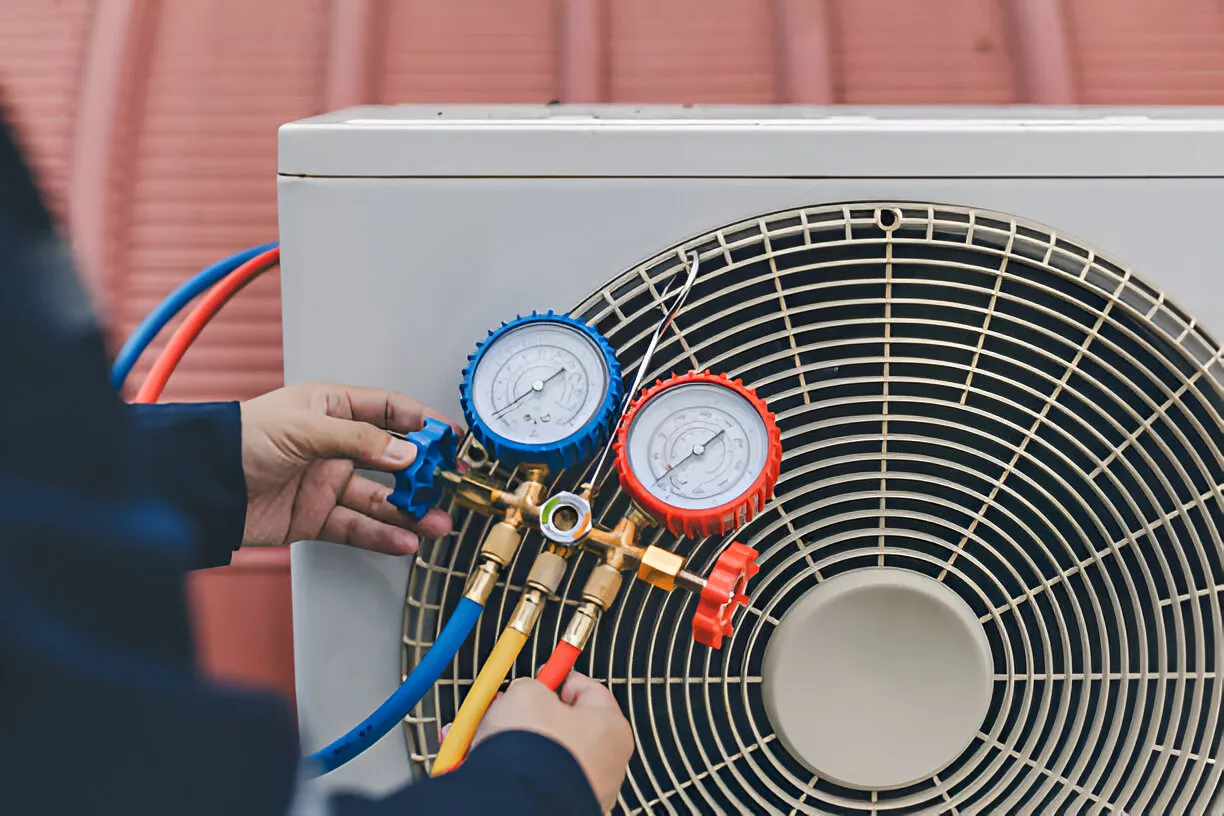
Why seasonal HVAC tune-ups matter in Grove City
Grove City experiences warm, humid summers and freezing winters with the occasional heavy snowfall. These seasonal swings place different demands on HVAC systems throughout the year:
- Summer: Air conditioners work harder to remove heat and humidity; pollen and airborne debris build up on coils and filters.
- Winter: Furnaces and heat pumps cycle more frequently and must operate reliably in subfreezing temperatures.
- Shoulder seasons: Rapid temperature changes and high pollen counts can stress controls and air handlers.
A seasonal tune-up accounts for these local conditions by preparing systems for their upcoming peak season. Routine maintenance reduces the risk of a breakdown on the hottest or coldest day of the year and helps systems run more efficiently when energy use is highest.
What a Grove City tune-up from Best Service Heating & Cooling includes
Best Service Heating & Cooling performs a comprehensive checklist of inspection and maintenance tasks designed to optimize performance and catch issues early. Every tune-up is conducted by trained technicians and tailored to the type of equipment in your home (central air conditioner, heat pump, furnace, or hybrid system).
Core tune-up tasks we perform:
- Cleaning coils (evaporator and condenser) to restore heat transfer efficiency and airflow.
- Checking and adjusting refrigerant charge and inspecting for leaks.
- Inspecting electrical connections, contactors, relays, and capacitors; tightening and testing as needed.
- Calibrating thermostats for accurate temperature control and proper cycling.
- Lubricating moving parts such as motors, bearings, and fan assemblies where applicable.
- Testing safety controls and limits (including pressure switches and float switches).
- Checking airflow across coils and through ducts; measuring static pressure when needed.
- Inspecting blowers, belts, and pulleys; adjusting or replacing worn belts.
- Cleaning and flushing condensate drains and checking pans to prevent clogs and water damage.
- Inspecting and testing the ignition system and heat exchanger on gas furnaces for cracks or signs of combustion issues.
- Verifying proper refrigerant pressures using manufacturer specifications.
- Measuring system voltage and amperage to identify electrical stress on motors and compressors.
- Replacing or recommending filter changes and noting indoor air quality concerns.
- Inspecting ductwork basics in accessible areas for disconnections, gaps, or visible damage.
- Advising on programmable thermostat settings and energy-saving schedules.
Each inspection is documented and explained in plain language so you understand the condition of your system and the recommended next steps.
Typical diagnostic process — what technicians do, step by step
A clear diagnostic approach during a tune-up helps pinpoint problems quickly and reduces guesswork:
- Pre-inspection walk-through: Technician confirms system model, age, recent repairs, and homeowner comfort complaints.
- Visual and safety inspection: Check for obvious hazards, gas leaks, water leaks, and unsafe wiring.
- System startup and baseline readings: Start the system and record temperatures, pressures, voltages, and airflow to compare with manufacturer specs.
- Component checks and cleaning: Clean coils and condensate lines, inspect and tighten electrical connections, examine motors and fans, and lubricate moving parts.
- Performance verification: Measure supply and return temperatures, check thermostat operation, and confirm proper cycling. For AC, verify evaporator and condenser delta-T and refrigerant pressures. For furnaces, verify safe ignition and combustion as applicable.
- Final recommendations and documentation: Provide a written summary of findings, any repairs performed, and recommended repairs or parts to address now or to watch for in the future.
Technicians follow industry best practices and manufacturer guidelines to protect equipment warranties and ensure safe operation.
How tune-ups improve reliability, efficiency, and safety
Routine tune-ups produce measurable, practical benefits for Grove City homeowners:
- Increased reliability: Tightened connections, cleaned components, and preemptive repairs lower the chance of unexpected failures at peak times.
- Improved efficiency: Clean coils, correct refrigerant charge, and proper airflow let systems reach setpoints faster and use less energy.
- Longer equipment life: Removing stress caused by poor airflow or electrical strain reduces wear on motors, compressors, and heat exchangers.
- Better comfort: Proper calibration and airflow balance deliver more consistent temperatures and humidity control.
- Fewer emergency repairs: Early detection of worn parts and small leaks prevents breakdowns that require urgent, costly repairs.
- Safety assurance: Combustion systems and electrical components are inspected to identify safety risks such as cracked heat exchangers or loose wiring.
These benefits translate into a more comfortable home, predictable utility costs, and lower long-term ownership costs for your HVAC equipment.
Common HVAC issues tune-ups prevent in Grove City homes
Seasonal maintenance addresses issues that frequently lead to breakdowns in central Ohio:
- Dirty coils and clogged filters that reduce cooling output and overheat compressors.
- Refrigerant leaks that cause short cycling and poor cooling performance.
- Worn capacitors and contactors that fail under high summer loads.
- Blower motor strain from dirty wheels or obstructed ducts, reducing airflow and increasing energy use.
- Clogged condensate drains leading to water damage and secondary system failures.
- Ignition problems and cracked heat exchangers in furnaces that can create safety hazards.
- Thermostat miscalibration leading to inefficient cycling or uneven temperatures.
- Loose electrical connections that increase resistance, heat, and risk of motor or control failure.
A tune-up is a targeted investment to avoid these common, and often preventable, conditions.
Recommended frequency for tune-ups in Grove City
For reliable year-round comfort, Best Service Heating & Cooling recommends a seasonal approach based on system type and local climate:
- Air conditioning systems: One full tune-up in spring before heavy cooling demand. A second mid-season inspection can be appropriate for older systems or high-use households.
- Heating systems (furnaces and heat pumps): One full tune-up in fall before the heating season. Heat pump systems should be inspected both in fall and spring to address both heating and cooling functions.
- High-use or aging equipment: Twice-yearly tune-ups give maximum protection for older systems, high-efficiency equipment where warranty requirements apply, or homes with specific indoor air quality needs.
Regular, scheduled maintenance also aligns with many manufacturer warranty requirements and helps qualify homeowners for membership program benefits.
Membership benefits and maintenance plans
Best Service Heating & Cooling offers a maintenance plan designed to keep Grove City systems on a consistent preventive schedule. Membership benefits include perks that make ongoing care more convenient and cost effective, such as:
- Priority scheduling for seasonal inspections.
- Regularly scheduled maintenance visits tailored to your system.
- Discounts on service calls and parts for members.
- Documentation that supports warranty compliance and resale value.
- Emergency service options for members.
The maintenance plan is structured to reduce long-term ownership costs by promoting regular care and early detection of issues.
Note: Specific membership terms and discount levels are provided as part of the maintenance plan documentation; membership details vary by plan.
How much time and what to expect during a tune-up visit
A standard residential tune-up typically takes between 60 and 120 minutes depending on system complexity, age, and whether repairs are needed. During the visit:
- The technician will inspect and service both indoor and outdoor units when accessible.
- You will receive a summary of findings in plain language with any recommended repairs prioritized by safety and system performance.
- If repairs are required beyond routine maintenance, technicians will explain the nature of the repair and the likely consequences of delaying action.
Technicians arrive prepared with basic diagnostic tools and common replacement items to address small failures immediately when appropriate.
How tune-ups help prevent emergency breakdowns — real-world scenarios
Preventing emergencies is one of the most valuable aspects of a tune-up. Examples of prevented emergencies include:
- A failing capacitor replaced during a tune-up avoids a mid-heatwave compressor lockup.
- A noticed refrigerant leak repaired early prevents compressor damage and complete system shutdown.
- A clogged condensate drain cleared during maintenance avoids an overflow that can shut down an AC unit or cause water damage inside the home.
- A loose electrical connection tightened during inspection prevents overheating that could lead to motor burnout or control board failure.
These are the kinds of failures that typically lead to emergency service calls, higher repair costs, and uncomfortable conditions in the home.
Indoor air quality improvements from tune-ups
Tune-ups are also an opportunity to address indoor air quality factors common in Grove City homes:
- Replacing or recommending higher-quality filters reduces dust and pollen circulation during the spring pollen season.
- Cleaning coils and condensate lines reduces microbial growth and the potential for mold or musty odors.
- Checking airflow and duct seals helps ensure balanced ventilation and reduces dust accumulation from leaks.
- Identifying humidity control issues and advising on humidifiers or dehumidifiers helps manage comfort and air quality across seasons.
A well-maintained system supports healthier indoor air and reduces allergens and irritants that affect comfort.
Common repairs identified during tune-ups (what we frequently fix)
During routine tune-ups, technicians commonly recommend or perform these repairs to restore safe, efficient operation:
- Replacing worn capacitors, contactors, and relays.
- Repairing or sealing refrigerant leaks and restoring proper charge.
- Replacing clogged or failing condensate pumps and clearing drain lines.
- Replacing drive belts and adjusting pulleys for proper blower operation.
- Tightening and, if necessary, replacing compromised electrical wiring and connections.
- Replacing dirty or damaged filters and recommending duct cleaning where airflow is restricted.
- Repairing or replacing thermostats and controls for better temperature management.
Addressing these items promptly after they are identified reduces strain on the system and prevents secondary failures.
Maintenance tips between professional tune-ups
Homeowners in Grove City can take simple steps between professional visits to support system performance:
- Check and change HVAC filters every 1 to 3 months depending on use and filter type.
- Keep outdoor units free of leaves, grass clippings, and debris, and maintain at least two feet of clearance around condenser units.
- Keep vents and returns unobstructed by furniture or curtains to support proper airflow.
- Use programmable or smart thermostat schedules to reduce unnecessary runtime while keeping comfort consistent.
- Monitor for unusual noises, odors, or rapid cycling and schedule an inspection if you notice these signs.
Small homeowner actions combined with professional tune-ups deliver the best outcomes for efficiency and reliability.
Warranty and resale considerations
Manufacturers often require proof of regular, professional maintenance to honor warranty claims. Seasonal tune-ups:
- Provide documentation of service dates and performed tasks that can support warranty coverage.
- Help maintain equipment performance and appearance, improving resale value for homes in Grove City.
- Identify potential code or safety issues a buyer might otherwise discover during inspections.
Keeping a documented maintenance history demonstrates responsible ownership and can be an advantage when selling a home.
Hot Deals & Cool Savings

.webp)
New Service Agreement Membership
.webp)
Any New Client Service
Next Service for Referring a New Client
New Service Agreement Membership
Any New Client Service
Next Service for Referring a New Client
.webp)
.webp)

Service Areas
