HVAC Installation in Grove City, OH
Professional HVAC installation in Grove City, OH ensures proper sizing, efficient operation, and lasting comfort. Learn more about our system solutions.
Upgrading or installing a new HVAC system is one of the most important home investments you can make for comfort, indoor air quality, and energy costs. For Grove City, OH homeowners, the choice matters more because of the area’s humid summers, cold winters, and a mix of older and newer housing stock. Best Service Heating & Cooling brings experienced, local-focused HVAC installation services that prioritize correct sizing, durable ductwork, and long-term performance so your home stays comfortable year round.
Why HVAC installation matters in Grove City, OH
Grove City experiences a wide annual temperature range and high summer humidity. That means an HVAC system must handle:
- Consistent cooling loads and dehumidification in summer.
- Reliable heating capacity and even distribution during subfreezing winter nights.
- Seasonal transitions that can stress improperly sized equipment.
- A variety of home styles from early 20th century houses with older duct systems to modern builds with compact attic or closet mechanical spaces.
Incorrectly sized or poorly installed systems cause short cycling, high energy bills, uneven temperatures, and premature equipment failure. Professional installation addresses all of these risks through thorough evaluation, precise calculations, and code-compliant execution.
Common HVAC installation needs and issues in Grove City homes
Many decisions start when homeowners notice problems or plan renovations. Typical scenarios include:
- Replacing an aging furnace or air conditioner nearing the end of its expected life.
- Converting from separate heating and cooling systems to a modern heat pump or ductless solution.
- Adding comfort for sunroom additions, finished basements, or second-floor overheating.
- Replacing inefficient single-stage equipment with multi-stage or variable-speed systems for improved comfort and lower bills.
- Addressing duct leakage, undersized ducts, or poor airflow causing hot and cold spots.
- Installing systems where older homes have space constraints or need structural duct modifications.
Understanding the root cause matters more than selling the biggest unit. The right system solves current problems while preventing new ones.
What a professional HVAC installation includes
Best Service Heating & Cooling follows a methodical installation workflow designed to minimize surprises and maximize long-term performance. Key components include:
Site evaluation and design
- Home inspection to identify existing equipment, duct layout, insulation levels, and mechanical space constraints.
- Assessment of attic, crawlspace, or basement access for new equipment and venting requirements.
- Consideration of lifestyle needs such as occupancy patterns, desired humidity control, and sound sensitivity.
Load calculations and proper sizing
- Detailed load calculation using industry standard methods to determine heating and cooling requirements for each room.
- Consideration of Grove City climate data, solar gain through windows, insulation values, and local construction types.
- Selection of equipment capacity and features that match calculated loads, avoiding oversizing or undersizing.
Ductwork inspection and modification
- Inspection of duct condition, leakage, insulation, sizing, and airflow paths.
- Recommendations for sealing, insulating, resizing, or adding ducts and returns where required.
- Options for boxed or flexible duct transitions, addressing tight spaces common in older Grove City houses.
Equipment selection and options
- Furnaces: high-efficiency gas or electric furnaces sized for home heating loads with proper venting and combustion safety.
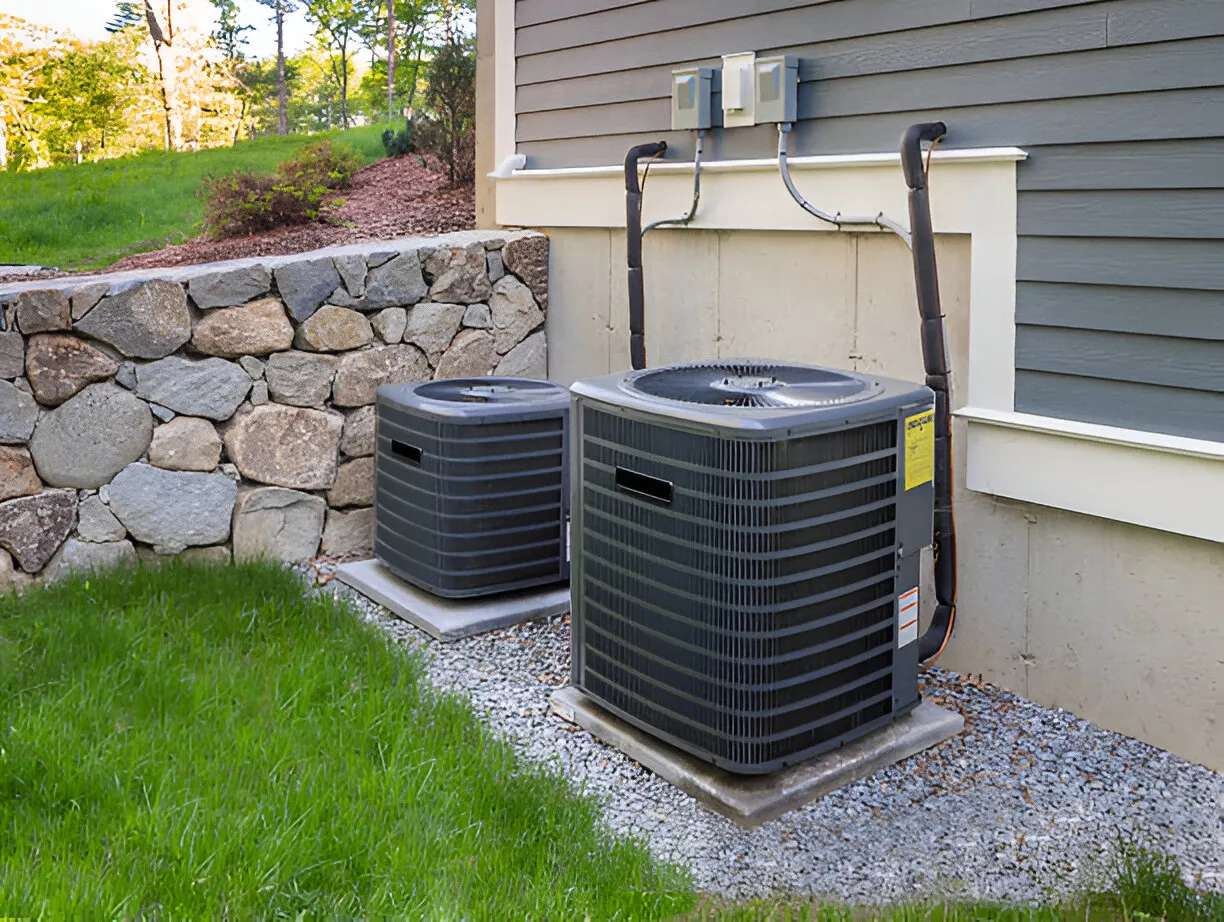
- Air conditioners: matched outdoor condensers with indoor coils sized to the load and air handler.
- Heat pumps: cold-climate or variable-speed options for efficient year round heating and cooling.
- Ductless mini-splits: zoned solutions for additions, garages, sunrooms, or homes without ductwork.
- Hybrid systems and zoning controls to balance efficiency and comfort.
Permits, inspections, and code compliance
- Handling of local permit applications and scheduling inspections per Grove City and Franklin County codes.
- Ensuring installations meet safety, mechanical, and electrical code requirements, including combustion air and venting for furnaces.
- Documentation provided for warranties and future service.
Installation process and timelines
A professional installation follows a planned sequence to reduce disruption and ensure quality. Typical phases include:
Pre-installation planning
- Final equipment selection, confirmation of measurements, and ordering required components, including any special transition pieces or replacement coils.
Site preparation
- Protection of floors and furnishings, retrieval of required permits, and on-site staging of tools and materials.
Equipment removal
- Safe disconnection and removal of existing systems, proper disposal of old refrigerant-containing components in compliance with regulations, and removal of debris.
Mechanical and ductwork work
- Installation or modification of ductwork, replacement of furnace or air handler platforms, and routing of refrigerant and condensate lines.
- Structural or framing adjustments if needed to accommodate new equipment footprints.
Installation of outdoor and indoor units
- Proper mounting, pad placement, vibration isolation for condensers, and secure indoor equipment installation with correct clearances.
- Electrical connections by licensed technicians and integration with existing service panels where possible.
Refrigerant charging and system commissioning
- Factory-recommended refrigerant charge verified under operating conditions.
- Airflow balancing, static pressure checks, and thermostat programming.
Final inspections and handoff
- Completion of permitting inspections and delivery of warranty documentation, system manuals, and basic operating guidance.
Timelines depend on the scope:
- Simple furnace or AC swap: typically one workday if no duct or coil changes are needed.
- Full system replacement with duct modifications: commonly two to five days depending on extent of ductwork, structural access, and permit schedules.
- Ductless or mini-split installations: usually one to two days per zone for a typical installation.
All work emphasizes minimizing dust and disruption to living spaces. Best Service Heating & Cooling technicians arrive trained to maintain cleanliness and protect finished surfaces.
Post-installation testing and commissioning
Proper commissioning is what separates a functional system from one that performs optimally. Key post-installation checks include:
- Refrigerant level and superheat/subcooling verification against manufacturer specifications.
- Measured airflow at supply registers and static pressure tests to confirm ductwork performance.
- Combustion and venting safety tests for gas-fired equipment.
- Electrical safety and amperage checks on motors and compressors.
- Thermostat calibration and zone control verification.
- Humidity and temperature verification during representative operating cycles.
Technicians will document system performance and provide a clear explanation of the results and any follow-up items. Commissioning not only ensures comfort but also protects manufacturer warranties.
Warranty, maintenance handoff, and long-term care
A quality installation includes clear expectations for warranty coverage and maintenance responsibilities:
- Manufacturer warranties for major components such as compressors, heat exchangers, and control boards, with guidance on required registration.
- Labor and workmanship warranty details for the installation itself.
- Recommended maintenance schedule to preserve warranty validity and efficiency, including annual tune-ups, filter changes, and visual inspections.
- Explanation of a maintenance plan covering seasonal preventive service. Regular maintenance reduces the likelihood of breakdowns and keeps systems operating at designed efficiency.
Best Service Heating & Cooling integrates warranty information and maintenance advice into the handoff so homeowners understand how to protect their investment.
Financing availability and project budgeting
Upfront HVAC projects can represent a significant expense. Financing options are commonly available to spread the cost over time. Typical financing considerations for Grove City homeowners include:
- Terms that align with equipment life and energy savings potential.
- Options for deferred payments or low-interest plans depending on credit and program availability.
- Comparison of financing cost versus expected energy bill reductions from higher efficiency systems.
- Assistance understanding potential utility rebates or tax incentives for high-efficiency equipment.
Financing availability makes it feasible to choose equipment that provides better comfort and long-term savings rather than deferring necessary upgrades.
How equipment choices affect performance in Grove City
Selecting the right type of equipment depends on the home layout, insulation, and owner priorities.
Furnaces
- Best for homes with existing duct systems designed for forced-air heat.
- High-efficiency condensing furnaces are recommended to reduce winter fuel costs in cold Grove City months.
- Proper venting and combustion air must be verified, especially in tightly sealed homes.
Air conditioners
- Matched indoor coils and properly sized condensers are essential to dehumidify effectively during humid summers.
- Variable-speed compressors and two-stage systems improve dehumidification and temperature control.
Heat pumps
- Modern cold-climate heat pumps provide efficient heating down to much lower temperatures than older models and can replace furnaces in many applications.
- A hybrid system pairing a heat pump and a high-efficiency furnace allows optimized efficiency and backup heat during extreme cold.
Ductless mini-splits
- Excellent for additions, homes without ductwork, or for creating zones to fix hot or cold rooms.
- Provide efficient, quiet operation with precise zone control.
Zoning and controls
- Zoning dampers and smart thermostats improve comfort and reduce wasted energy by tailoring conditions to occupied areas.
- Whole-home humidity controls are a major benefit in Grove City to manage summer comfort and indoor air quality.
Solutions to common installation challenges in Grove City homes
Older homes and local weather present specific installation challenges which need targeted solutions:
- Tight mechanical closets: Use compact high-efficiency units or convert to multi-split ductless solutions where necessary.
- Poorly insulated homes: Combine insulation upgrades with HVAC sizing adjustments to avoid oversizing.
- Mixed heating sources: Provide guidance on integrating new systems with existing boilers or radiators where partial HVAC upgrades are chosen.
- Limited outdoor space for condensers: Consider stacked or compact condenser options, or relocate to garages/side yards with attention to airflow and code.
Professional installers evaluate these constraints early in the process and present options that meet both performance and aesthetic needs.
Energy savings and comfort benefits of professional installation
A correctly installed, matched system delivers:
- Lower utility bills through improved efficiency and proper airflow.
- Consistent indoor temperatures and balanced humidity for health and comfort.
- Longer equipment life and reduced repair frequency when systems are commissioned and maintained properly.
- Improved indoor air quality when combined with filtration and ventilation upgrades.
In Grove City, where summers are humid and winters are cold, these benefits compound into significant year-over-year value.
Choosing the right installer: what to expect from a trusted team
When selecting an installation partner, look for:
- Licensed technicians with experience in local code requirements and climate-specific solutions.
- Evidence of careful load calculations and documented design work.
- Clear communication about timelines, permit handling, and what to expect on installation days.
- Transparent documentation of warranties and maintenance requirements at handoff.
Best Service Heating & Cooling offers experienced technicians familiar with Grove City properties, local permitting processes, and the types of systems that work best in central Ohio conditions.
Preventive tips after installation
To keep a new HVAC system performing:
- Replace filters on the manufacturer schedule and consider high-quality pleated filters for better indoor air quality.
- Keep outdoor condensers clear of vegetation and debris, ensuring 24 inch clearance where possible.
- Schedule annual heating and cooling tune-ups to maintain efficiency and catch issues early.
- Monitor for unusual sounds, odors, or cycling patterns and address them promptly.
- Maintain attic and crawlspace insulation and sealing to reduce load and system wear.
Regular preventive care protects warranties and sustains comfort and efficiency.
Hot Deals & Cool Savings

.webp)
New Service Agreement Membership
.webp)
Any New Client Service
Next Service for Referring a New Client
New Service Agreement Membership
Any New Client Service
Next Service for Referring a New Client
.webp)
.webp)
Service Areas