
HVAC Tune-up in Gahanna, OH
HVAC Tune-Up services in Gahanna, OH ensure efficient operation, better comfort, and lower energy bills. Schedule your next tune-up today for reliable performance.

Keeping your heating and cooling system running reliably and efficiently is one of the most cost effective ways to protect comfort and reduce utility bills in Gahanna, OH homes. Best Service Heating & Cooling provides targeted HVAC tune-up services that go beyond a quick checklist. Our seasonal tune-ups combine comprehensive inspections, cleaning, calibration, and performance optimization steps that address the specific stresses of central Ohio weather: hot, humid summers, variable shoulder seasons with high pollen counts, and cold winters that put furnaces and heat pumps under heavy load.
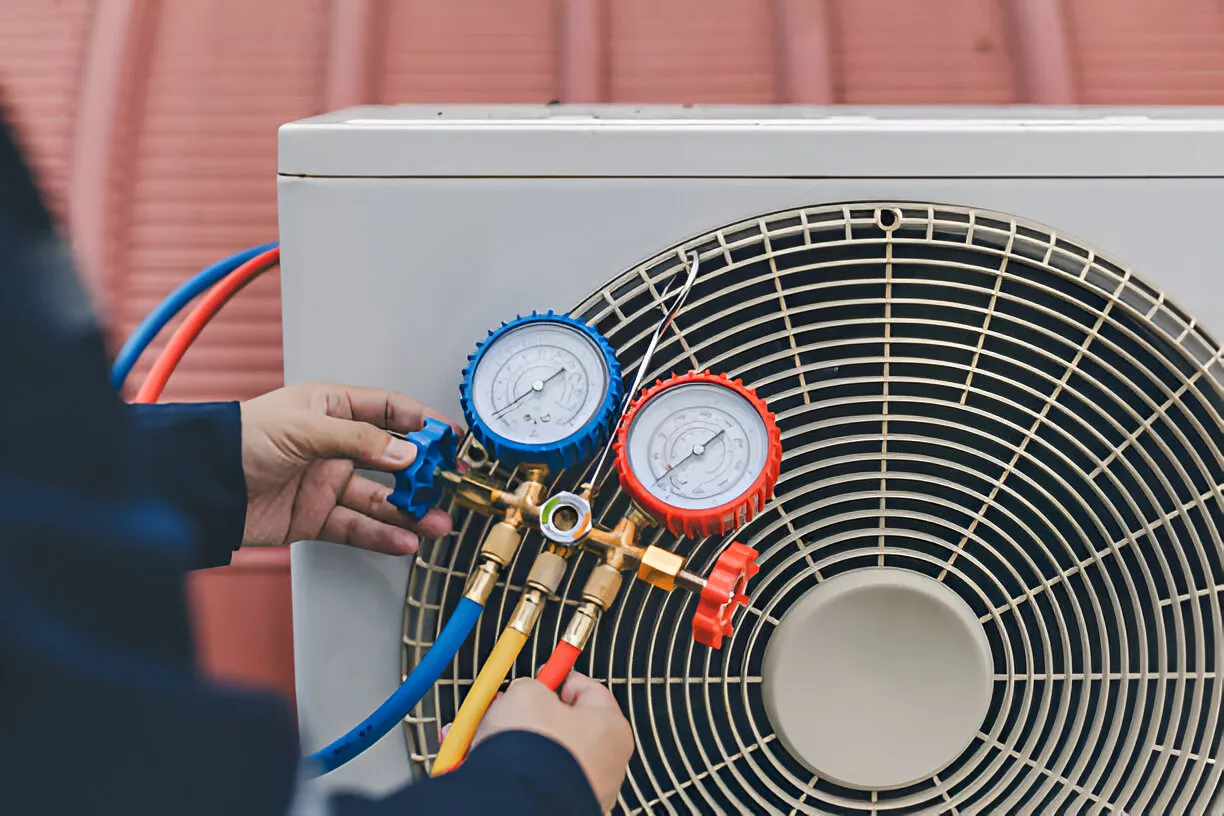
Why a professional HVAC tune-up matters in Gahanna, OHGahanna experiences large seasonal swings in temperature and humidity. Air conditioners must remove both heat and moisture from the home during humid July and August afternoons, while furnaces and heat pumps handle frequent start stops during cold snaps. These conditions accelerate wear, encourage coil fouling, and increase the chance of component failure. A professional HVAC tune-up targets the root causes of inefficiency and breakdowns by verifying system operation under real conditions, correcting small problems before they become costly repairs, and optimizing settings for comfort and energy use in local climates.
Common HVAC problems seen in Gahanna homes
- Weak cooling capacity on hot, humid days due to dirty coils or low refrigerant.
- Short cycling or poor heating performance during Ohio cold snaps from clogged filters, incorrect thermostat settings, or failing safety controls.
- High energy bills driven by restricted airflow, poor blower performance, or leaking ducts.
- System failures at peak demand times from worn capacitors, failing contactors, or neglected condensate drains.
- Indoor air quality complaints in spring from pollen and in winter from dry, stale air when systems are not balanced or humidification is not considered.
What a full HVAC tune-up includesBest Service Heating & Cooling performs a thorough seasonal inspection and service workflow tailored to your system type. Each tune-up follows industry best practices and uses diagnostic measurements when needed to verify performance.
System inspection and cleaning
- Visual system assessment: Inspect outdoor and indoor units, electrical components, access panels, mounting, and condensate lines for obvious issues or safety hazards.
- Clean evaporator and condenser coils: Remove dirt, pollen, and debris that reduce heat transfer and force longer run times. Clean coils can restore several percent of lost efficiency.
- Condensate drain and pan cleaning: Clear clogs, flush drain lines, and verify proper condensate flow to prevent overflow and water damage.
- Filter inspection and recommendation: Check existing filters, document MERV rating, and recommend or replace with a specified filter if included in the service. Restricted airflow from dirty filters is a leading cause of inefficiency and indoor air problems.
Refrigerant and compressor checks
- Refrigerant level assessment: Measure pressures and temperatures to detect undercharge or overcharge. Proper refrigerant charge is critical for peak cooling performance and compressor longevity.
- Compressor and reversing valve inspection (for heat pumps): Verify compressor operation and look for signs of overheating, oil leaks, or electrical issues.
Electrical and mechanical components
- Test capacitors, contactors, relays, and fuses: These small electrical parts fail under heavy cycling and are common points of failure in hot weather. Replacing marginal parts before failure reduces emergency repairs.
- Blower motor and belt inspection: Measure motor amperage and check belt tension and condition where applicable. Lubricate bearings if required by the motor type.
- Fan and condenser motor cleaning and testing: Ensure fans spin freely, check blade condition, and verify correct airflow.
Thermostat calibration and control verification
- Thermostat calibration: Confirm setpoint accuracy and proper sensor operation so the system runs only as needed.
- Sequence of operation and staging: Verify that multi-stage systems, heat pumps, or communicating controls operate in the intended sequence, providing precise comfort with minimal energy waste.
Safety controls and combustion inspection (furnaces and boilers)
- Heat exchanger inspection: Visual check for cracks or corrosion that could allow combustion gases to mix with indoor air, a critical safety step for gas furnaces.
- Ignition and flame sensor checks: Test electronic igniters, flame sensors, and gas valve operation for reliable and safe startup.
- Carbon monoxide risk indicators: Verify flue draft and exhaust paths are clear to reduce risk of dangerous backdrafting. Note: a tune-up is not a substitute for dedicated carbon monoxide testing if concerns exist, but it does reduce risk through proper inspection.
Performance testing and optimization
- Airflow and duct assessment: Measure static pressure and airflow where necessary to identify blockages or major duct leaks. Recommend solutions to restore balanced airflow.
- Superheat and subcooling measurement (AC systems): Use diagnostic readings to confirm correct refrigerant charge and detect subtle issues not visible during a visual inspection.
- Electrical load and efficiency measurements: Evaluate circuit amp draw and system output to identify inefficiencies or worn components that increase operating cost.
Documentation and recommendations
- Service report with actionable findings: Each tune-up concludes with a clearly written report showing observed issues, measured values, and prioritized recommendations for repairs or improvements.
- Life expectancy and replacement assessment: Based on age, condition, and measured performance, provide an honest appraisal of system remaining useful life and cost-benefit considerations for replacement versus repair.
Performance optimization steps that improve efficiency and reliabilityA tune-up is also an opportunity to optimize how your system operates in the real world. Best Service Heating & Cooling applies these steps during each visit to improve comfort and lower operating costs.
- Set fan and cycle controls for local climate: In humid months, ensure the system runs long enough to dehumidify; in winter, reduce short cycling to improve comfort and efficiency.
- Match filter type and change schedule to home conditions: Suggest higher MERV filters only when the system and static pressure allow. In pollen season, recommend more frequent changes to maintain airflow.
- Verify and balance supply and return registers where practical: Improved airflow distribution reduces hot and cold spots and reduces run times.
- Adjust outdoor unit placement and clearance: Trim vegetation and ensure adequate airflow around the condenser to maintain capacity and reduce compressor stress.
- Integrate smart or programmable thermostat settings: Where compatible, recommend control strategies that reduce wasted runtime without sacrificing comfort.
Recommended frequency for tune-upsFor most Gahanna homes the best maintenance cadence is seasonal, with two professional tune-ups per year:
- Air conditioning tune-up in late spring: Prepares the system for peak summer cooling demand. Includes coil cleaning, refrigerant check, motor and electrical checks, and condensate drain service.
- Heating tune-up in early fall: Prepares furnaces, boilers, or heat pumps for winter use. Includes heat exchanger and combustion checks, safety control testing, and blower inspection.
Two annual visits capture issues that only appear under season-specific stressors and align with the Service Agreement Membership Plan many homeowners choose. The SAM plan offered by Best Service Heating & Cooling is designed around twice-yearly visits and includes documentation, priority scheduling, and service discounts. Regularly scheduled tune-ups reduce emergency service calls and help protect the life of the equipment.
Measurable benefits of regular tune-ups in GahannaRegular, professional HVAC tune-ups produce tangible, measurable results homeowners can expect in central Ohio:
- Lower energy bills: Typical tune-ups improve system efficiency by 5 to 15 percent depending on the starting condition, translating to noticeable savings on summer cooling and winter heating bills. Exact savings depend on system age, local utility rates, and usage patterns.
- Fewer emergency breakdowns: Routine checks and early replacement of marginal components dramatically reduce the risk of system failure during extreme weather, when repair costs and discomfort are highest. Data from field service programs show well-maintained systems fail less often and have fewer high-cost repairs.
- Longer equipment life: Regular maintenance can extend the useful life of an HVAC system by several years by reducing wear on moving parts and maintaining proper operating conditions. This delays capital replacement and improves return on investment.
- Improved comfort and indoor air quality: Clean coils, proper airflow, and correctly installed filters reduce humidity issues and airborne contaminants that trigger allergies common in spring and fall in Gahanna.
- Safety assurance: Furnace inspections reduce risk of carbon monoxide exposure and unsafe combustion by identifying cracked heat exchangers, blocked flues, or malfunctioning safety controls.
Typical diagnostic steps we take during a tune-upA professional tune-up follows a methodical diagnostic flow so nothing is missed. Typical steps include:
- System history and homeowner notes: Review any recent issues, error codes, or comfort complaints.
- Visual safety and access check: Inspect electrical panels, wiring, and clearances, and open panels to inspect internal components.
- Filter and airflow check: Measure static pressure or at least confirm free airflow through the system and through the return paths.
- Electrical testing: Check voltages, currents, and condition of capacitors and contactors under load. Replace or flag compromised components.
- Refrigerant performance test: Use temperature and pressure readings to calculate superheat and subcooling. Identify undercharge, overcharge, or restriction.
- Combustion and venting check (gas systems): Inspect burner operation, flame quality, and flue draft to ensure safe venting.
- Calibration and controls: Calibrate thermostats, verify staging, and test safety controls like high limit and pressure switches.
- Final functional test: Run the system through a full cooling or heating cycle and record operating temperatures, pressures, and run times to confirm improvements.
Membership tie-ins and maintenance plansA structured maintenance plan is the most reliable way to ensure tune-ups occur at the right times and that service history is documented. Best Service Heating & Cooling offers a Service Agreement Membership Plan that packages two annual tune-ups with additional member benefits that align with long term cost savings and convenience. Typical membership features include scheduled seasonal visits, service discounts, priority scheduling during high demand, and a consistent service record that helps track system performance over time.
How tune-ups protect Gahanna home specificsGahanna homes often face common local influences that make tune-ups particularly valuable:
- High pollen and tree debris: Spring and early summer pollen can rapidly foul filters and coils. A spring tune-up addresses this immediate stress before hot weather hits.
- High summer humidity: Proper dehumidification and coil cleanliness are essential to maintain comfort without excessive runtime. Ensuring refrigerant charge and airflow are correct prevents short cycling and moisture issues.
- Winter freeze cycles: Cold weather stresses ignition systems and heat exchangers. A fall tune-up reduces the chance of heat loss or emergency repairs during cold snaps.
- Older housing stock and ductwork: Many local homes have legacy duct systems that benefit from airflow testing and targeted sealing recommendations to capture energy savings.
Homeowner maintenance tips between professional tune-upsRegular homeowner attention helps tune-ups deliver better results and stretch time between repairs. Keep these simple practices in Gahanna:
- Replace filters on the manufacturer recommended schedule, increasing frequency during high pollen season. Clean filters reduce strain on both AC and furnace.
- Keep outdoor condenser area clear of debris and plants to ensure proper airflow and avoid heat pump short cycling.
- Set a thermostat schedule that balances comfort and efficiency; use setback settings in winter and moderate setpoints in summer.
- Watch for early warning signs: unusual noises, higher utility bills, frequent short cycling, or water pooling near drain pans. Reporting these signs to a professional early prevents major repairs.
How to read a tune-up report and use it to planAfter a tune-up, you should receive a clear report with observed issues, measurements, and recommended next steps. Use this information to prioritize work:
- Safety items first: Anything affecting combustion, carbon monoxide risk, or major electrical hazards should be addressed immediately.
- Efficiency boosters next: Coil cleaning, refrigerant adjustments, and airflow fixes provide measurable bill savings.
- Preventive replacements: Components with declining test values, like capacitors or bearings, should be scheduled for replacement before they fail under demand.
Hot Deals & Cool Savings

.webp)
New Service Agreement Membership
.webp)
Any New Client Service
Next Service for Referring a New Client
New Service Agreement Membership
Any New Client Service
Next Service for Referring a New Client
.webp)
.webp)

Service Areas
