
HVAC Repair in Gahanna, OH
Gahanna residents get fast HVAC repair from Best Service Heating & Cooling, with expert diagnostics and on-site fixes. Schedule service today for reliable comfort.

When your home loses heating in January or the air conditioner struggles through a humid July day in Gahanna, swift, expert HVAC repair restores comfort and protects indoor air quality and energy bills. Best Service Heating & Cooling brings decades of residential HVAC experience to the Gahanna community, diagnosing problems accurately, making reliable on-site repairs, and helping homeowners decide when repair is the right choice versus replacement.
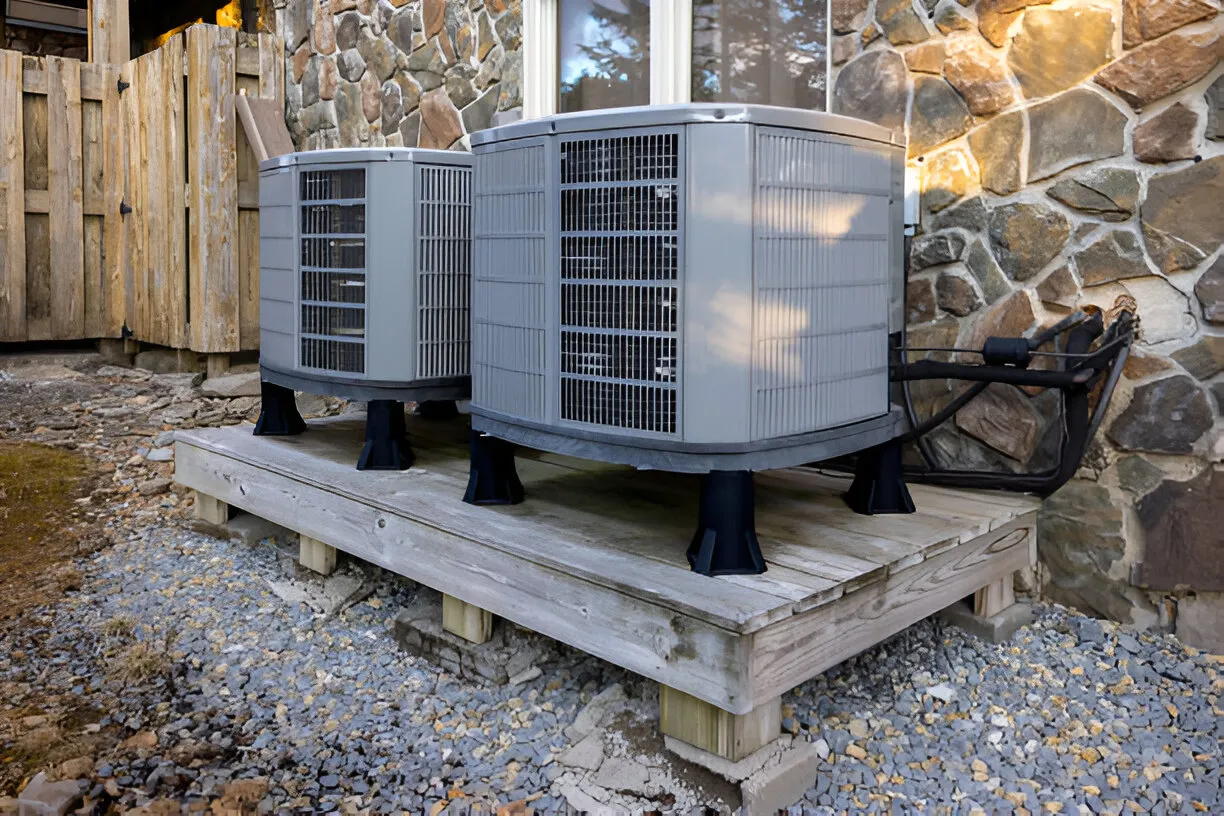
Why timely HVAC repair matters in Gahanna, OH
Gahanna experiences humid summers and cold winters that put systems under seasonal stress. High summer humidity increases run time for air conditioners and heat pumps, accelerating wear on compressors, capacitors, and fan motors. Winters with rapid temperature swings can reveal furnace ignition problems, cracked heat exchangers, and draft or ductwork issues. Delaying repairs can lead to higher energy bills, reduced indoor comfort, and safety risks such as carbon monoxide exposure from malfunctioning combustion equipment. Best Service Heating & Cooling understands these local patterns and focuses on repairs that restore system reliability and efficiency while minimizing repeat visits.
Common HVAC problems we see in Gahanna
- Air conditioning not cooling or short cycling (turning on and off frequently)
- Warm or uneven airflow from vents, reduced cooling capacity
- Frozen evaporator coils and icing on heat pumps
- Refrigerant leaks or low refrigerant pressure indicating a leak
- Compressor failure or electrical component burnout
- Furnace not igniting, pilot or ignition control failure
- Blower motor or fan issues causing weak airflow
- Thermostat malfunctions or incorrect thermostat calibration
- Heat pump reversing valve or defrost control faults
- Loud or unusual noises: banging, grinding, squealing, or rattling
- Odors from the system: musty, burning, or fuel-like smells
- Duct leaks, disconnected ducts, or blocked return vents
- Short cycling due to safety switches, limit switches, or clogged filters
Each symptom points to a small set of likely causes. Professional diagnosis isolates the root cause so repairs address the problem permanently rather than offering a temporary fix.
How a professional diagnostic works
An accurate diagnostic is the foundation of any effective HVAC repair. Best Service Heating & Cooling follows a consistent diagnostic workflow so repairs are targeted and transparent.
- Initial call history and symptom review
- The technician documents what you observed, how long the issue has been present, and any recent changes.
- Visual inspection
- A walkaround checks outdoor units, condensate lines, filters, visible wiring, panels, and duct connections.
- Electrical checks
- Voltage and amperage testing on motors, compressors, contactors, and control boards identify failing electrical components.
- Refrigerant and pressure testing (for cooling systems)
- Pressures, superheat, and subcooling readings identify refrigerant charge issues or leaks.
- Airflow and temperature measurements
- Supply and return temperatures, static pressure, and airflow readings reveal blower or duct problems.
- Combustion and safety inspection (for gas furnaces)
- Flame quality, heat exchanger condition, venting, and carbon monoxide risk are assessed.
- Component-level testing
- Capacitors, fan motors, relays, thermostats, and sensors are tested in situ.
- Diagnostic summary and repair plan
- The technician explains findings, lists recommended repairs or parts, and notes safety issues that must be addressed immediately.
This approach minimizes guesswork, prevents unnecessary part replacements, and provides homeowners with a clear path forward.
On-site troubleshooting and common component replacements
On arrival, technicians prioritize safety and containment, especially when dealing with refrigerants, gas lines, or electrical panels. Common on-site troubleshooting steps and repairs include:
- Replacing capacitors and contactors
- These are frequent failure points on outdoor condenser units and are often replaced the same day.
- Fan motor and blower motor repair or replacement
- Motors wear out from continuous operation, especially with dirty coils or restricted airflow.
- Thermostat recalibration or replacement
- Smart thermostat setup and compatibility checks are included when needed.
- Refrigerant leak repair and recharge
- Leak detection, brazing or component replacement, and refrigerant recharge follow EPA-compliant procedures.
- Compressor and reversing valve diagnosis
- Compressors are costly; technicians confirm whether a compressor failure is isolated or the symptom of another upstream issue.
- Control board and sensor replacement
- Electronic controls fail from surges, heat, or moisture. OEM or manufacturer-approved control boards are typically used.
- Ignition module, flame sensor, and pilot assembly repairs
- Common causes of furnace no-heat calls; cleaning sensors can sometimes restore normal operation.
- Heat exchanger inspection and furnace safety repair
- Cracked heat exchangers are a major safety concern; technicians will flag units needing immediate attention.
- Condensate drain cleaning and trap repairs
- Clogged drains can trigger safety switches and cause water damage; clearing and installing safety overflow measures are standard.
- Duct sealing and minor duct repairs
- Sealing obvious leaks, reconnecting collars, and adjusting dampers to restore balanced airflow.
Technicians carry commonly used replacement parts and diagnostic tools so many repairs are completed in a single visit. When larger components or special-order parts are required, a clear timeline and explanation are provided.
Estimated response times and emergency service options
Response times vary by season and workload, but reasonable expectations for Gahanna homeowners are:
- Same-day diagnostic visits during moderate load periods
- Next-business-day appointments during peak spring and fall demand
- Priority or emergency service options for no-heat in winter or no-cool in extreme summer conditions
- Evening or weekend emergency availability in certain situations, with technicians trained to perform temporary safe repairs until full parts are available
During heat waves or cold snaps, scheduling fills quickly. Technicians triage calls based on severity and safety risk, prioritizing situations that compromise occupant safety or risk system damage. Best Service Heating & Cooling has a long history serving central Ohio neighborhoods and plans staffing to respond efficiently to urgent needs.
Technician qualifications and training
Professional HVAC repair requires both technical expertise and safety compliance. Best Service Heating & Cooling technicians typically hold a combination of the following credentials and training:
- NATE certification or equivalent technician certification demonstrating core HVAC competence
- EPA Section 608 certification for refrigerant handling and leak repair
- Manufacturer-specific factory training for major brands and models
- Ongoing continuing education in newer technologies such as variable speed compressors, inverter-driven systems, and smart thermostat integration
- Background checks and professional conduct standards for technicians entering homes
- Field experience with both forced-air systems, heat pumps, ductless systems, and hydronic systems
This level of qualification supports accurate diagnosis, safe repairs, and compliance with federal and local regulations.
Warranty, parts, labor, and financing information
Homeowners should understand how warranties and financing affect repair choices:
- Parts and labor warranties
- Professional repairs typically include a workmanship warranty on labor and a parts warranty from the manufacturer or supplier. Terms vary by component and manufacturer.
- Manufacturer warranties
- Some components may still be covered under original equipment manufacturer warranties if registration and maintenance requirements have been met.
- Best Service maintenance benefits
- Regular maintenance plans often include perks such as discounted service calls, priority scheduling, and reduced labor rates which can lower lifetime ownership costs.
- Financing options
- For larger repairs or replacement projects, financing programs are commonly available through third-party lenders and can make necessary repairs financially manageable. Terms and approval criteria vary.
When considering repair, verify warranty coverage for the replaced part and clarify the duration of labor warranties. Proper documentation at time of service ensures warranty terms are honored.
Repair versus replacement: a practical decision guide
Deciding whether to repair a failing HVAC system or replace it depends on multiple factors. Use this practical framework in Gahanna homes to guide the decision:
- Age of the system
- Furnaces: 15 to 20 years is typical service life. Heat pumps and air conditioners: 10 to 15 years.
- As systems approach the upper end of their expected life, replacement often yields better value.
- Repair cost relative to replacement cost
- A common rule of thumb: if a single repair exceeds 50 percent of the replacement value, replacement is usually the better investment.
- Frequency of repairs
- Multiple repairs within a short timeframe indicate declining reliability and rising lifetime cost.
- System efficiency and utility costs
- Older equipment loses efficiency. New high-efficiency equipment can lower monthly energy bills enough to justify replacement in some cases.
- Safety concerns
- Cracked heat exchangers, repeated gas valve failures, or severe corrosion are safety triggers that favor replacement.
- Availability of parts and refrigerant
- R22 refrigerant is phased out and costly. Units requiring R22 may justify replacement.
- Home comfort goals and future plans
- If you plan to remodel, add space, or improve home insulation, a new properly sized system may be a better long-term fit.
- Environmental and code considerations
- New equipment meets current efficiency standards and may reduce refrigerant leak risk.
Technicians should provide a clear comparison of repair cost, expected remaining life, efficiency, and projected energy savings to help homeowners make informed choices.
Typical repair timelines and what to expect on site
- Diagnostic visit: 30 minutes to 1.5 hours depending on complexity
- Simple repairs (capacitor, contactor, thermostat, filter, drain cleaning): often completed the same day
- Component replacements (blower motor, fan assembly, control board): same-day if parts are on the service vehicle; otherwise next-day or scheduled follow-up
- Major component replacements (compressor, heat exchanger): may require ordering parts and scheduling a return visit; complex replacements may take several days
- Safety or temporary measures: When immediate replacement is not possible, technicians may implement safe temporary fixes to restore operation until permanent parts are available
Technicians will leave a written summary of work performed, parts replaced, and recommended next steps. Documentation helps track maintenance history and supports warranty claims.
Safety considerations and local code compliance
Safety is central to HVAC repair. Technicians follow established safety checks:
- Carbon monoxide testing for combustion appliances
- Heat exchanger inspection and combustion analysis for gas furnaces
- Proper ventilation and venting inspections to prevent backdrafting
- Correct electrical wiring, grounding, and breaker sizing
- Proper refrigerant recovery and disposal per EPA regulations
- Compliance with local building codes and permit requirements for significant replacements or modifications
When repairs uncover code violations or safety hazards, those items are documented and prioritized. A transparent explanation of safety risks and required corrective actions helps homeowners make safe choices.
Preventive maintenance and long-term benefits
Regular maintenance is the most cost-effective way to reduce emergency repairs and extend system life. Key preventive maintenance steps include:
- Twice-yearly tune-ups: one for cooling season and one for heating season
- Filter changes every 1 to 3 months depending on filter type and home conditions
- Condensate drain inspection and cleaning
- Coil cleaning and clearing of debris around outdoor units
- Checking refrigerant levels and electrical connections
- Lubrication of moving parts where applicable
- Thermostat calibration and control checks
- Inspection of ductwork and sealing where needed
Homes enrolled in maintenance plans generally see fewer emergency calls, improved efficiency, and a longer equipment lifespan. Best Service Heating & Cooling emphasizes preventative care that keeps systems running reliably through Gahanna summer humidity and Ohio winter cold.
What Best Service Heating & Cooling brings to Gahanna residents
Best Service Heating & Cooling combines long-term local experience with industry-standard diagnostic practices. With roots in central Ohio since 1992 and a focus on residential comfort systems, the company understands the unique stressors Gahanna homes face. Customers benefit from technicians who are trained in modern equipment, experienced in older system troubleshooting, and committed to clear explanations and honest recommendations. Service documentation, parts and labor warranty transparency, and alignment with maintenance plans make it easier for homeowners to protect their investment.
Hot Deals & Cool Savings

.webp)
New Service Agreement Membership
.webp)
Any New Client Service
Next Service for Referring a New Client
New Service Agreement Membership
Any New Client Service
Next Service for Referring a New Client
.webp)
.webp)

Service Areas
