
HVAC Tune-up in Brice, OH
HVAC tune-up in Brice, OH improves efficiency, safety, and system longevity. Learn more about our comprehensive Brice tune-up services for your home.

A seasonal HVAC tune-up is one of the most effective investments a homeowner in Brice, OH can make to protect comfort, indoor air quality, and equipment life. Best Service Heating & Cooling provides thorough HVAC tune-ups that follow a proven checklist of preventive tasks: filter changes, refrigerant checks, thermostat calibration, electrical and safety inspections, blower and motor servicing, and performance verification.
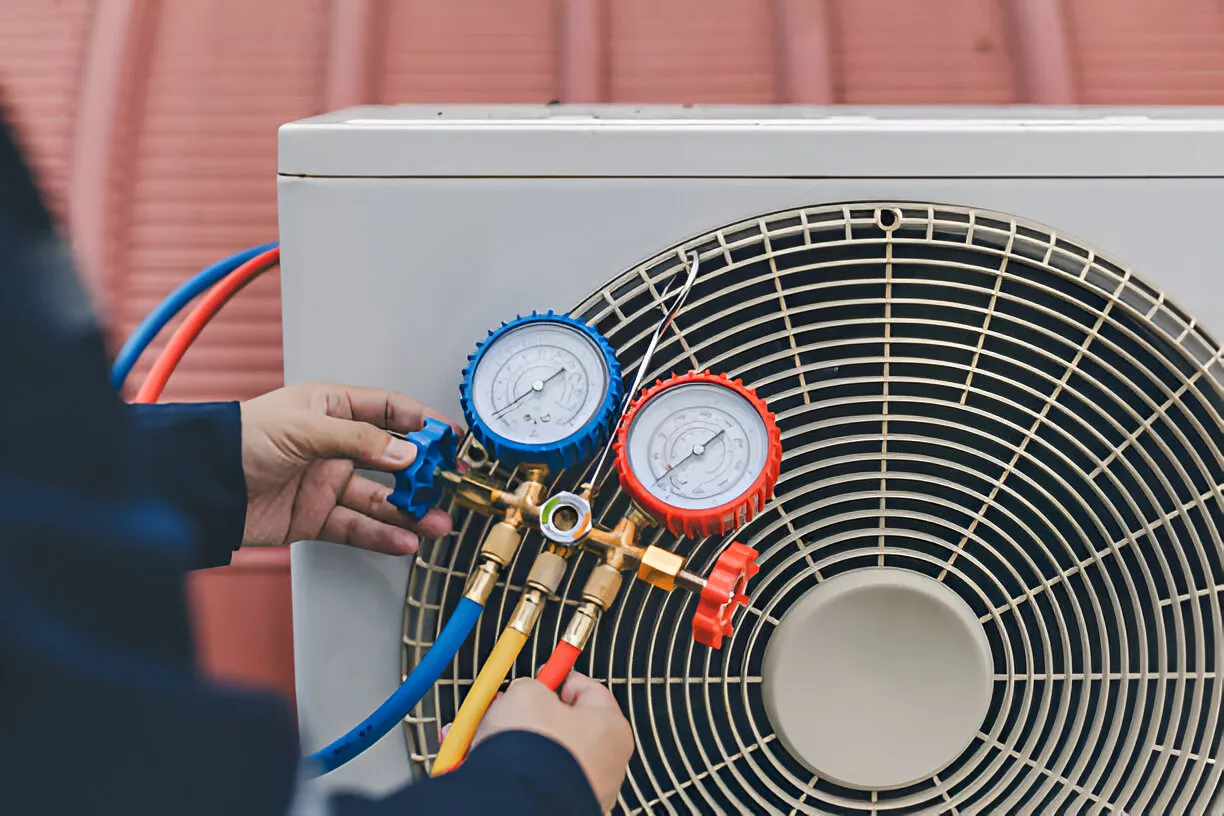
Why regular HVAC tune-ups matter in Brice, OH
Brice experiences a full range of seasons. Hot, humid summers and cold, snowy winters put different stresses on heating and cooling systems. High humidity increases cooling load and encourages mold and corrosion in drip pans and ductwork. Cold winters strain furnaces and heat pumps, and frequent cycling can accelerate wear. Seasonal pollen and household dust in spring and fall increase filter loading and reduce airflow. A comprehensive tune-up addresses these local challenges by restoring system efficiency, improving safety, and identifying small problems before they become disruptive failures.
Benefits of regular HVAC tune-ups for Brice homeowners
- Improved energy efficiency and lower monthly energy waste
- Fewer emergency repairs during extreme summer or winter days
- Better indoor air quality for households sensitive to pollen and humidity
- Extended equipment lifespan and maximized return on investment
- Verification of safe operation for gas furnaces and combustion appliances
- Documentation for warranty compliance and home resale value
Common HVAC issues in Brice, OH homes
During tune-ups, technicians often find recurring issues that are especially common in this region:
- Dirty or clogged filters from pollen and spring dust, reducing airflow and efficiency
- Low refrigerant or leaks on older air conditioning systems that reduce cooling capacity
- Thermostats with poor calibration or incorrect programming leading to comfort complaints
- Worn blower motors or belts on older systems causing weak airflow or noise
- Loose electrical connections that create ignition problems or intermittent failures
- Clogged condensate drains or pans causing water overflow and mold risk
- Ventilation and duct leaks exacerbating humidity and uneven heating or cooling
Understanding these common problems helps homeowners prioritize preventive care tailored to Brice climate impacts and local housing stock.
What a full HVAC tune-up includes: the preventive checklist
A professional tune-up follows a systematic checklist covering the whole system. Best Service Heating & Cooling performs each task with industry-standard tools and methods. The primary tune-up items include:
Filter and indoor air quality tasks
- Replace or clean filters according to system type and house conditions. We evaluate filter MERV rating and recommend options that balance filtration with airflow.
- Inspect return grills and supply vents for dust blockages and recommend cleaning or placement adjustments.
- Check and advise on filtration and whole-house humidity control options if indoor air quality is a concern.
Refrigerant and cooling system checks
- Inspect refrigerant charge and assess for leaks by measuring pressures and temperatures. Low charge is a leading cause of reduced cooling capacity.
- Check the outdoor condenser coil for dirt buildup, bent fins, and proper airflow. Clean coils as needed.
- Verify proper operation of the compressor and contactor.
Thermostat calibration and control verification
- Calibrate thermostat to ensure measured temperature matches room temperature sensors.
- Verify thermostat wiring and program settings. Check compatibility for heat pumps, multi-stage systems, and smart thermostats.
- Observe system control sequence to ensure heating and cooling stage transitions are correct.
Electrical and safety inspections
- Tighten electrical connections on control boards, contactors, and breakers. Loose connections cause heat buildup and premature failure.
- Test safety controls including limit switches, rollout switches, and high-pressure cutoffs.
- Inspect electrical service to the outdoor unit and check breakers and disconnects.
Blower, motor, and airflow servicing
- Inspect blower wheel and motor for debris, clean as necessary, and lubricate motors with serviceable bearings.
- Measure static pressure and airflow performance and compare to manufacturer specifications.
- Check belt tension and condition on belt-driven systems.
Combustion and furnace safety checks (for gas and oil systems)
- Inspect burner assembly and heat exchanger for cracks or corrosion. Cracked heat exchangers are a safety hazard.
- Conduct combustion analysis where applicable to verify proper burner operation and acceptable CO levels.
- Verify proper draft and venting.
Condensate and drainage
- Inspect condensate drains and pan for clogs and biofilm. Clear drains and verify trap seal.
- Recommend and install drain treatments or condensate safety switches when recurring clogs are present.
Performance verification and documentation
- Measure temperature split across the evaporator coil to verify cooling performance.
- Record system operating voltages and amperages and compare with acceptable ranges.
- Provide a written summary of findings and recommended repairs or improvements for homeowner review.
How technicians diagnose problems during a tune-up
A tune-up is both preventive maintenance and a diagnostic opportunity. Technicians use a combination of visual inspection, measurement tools, and operational tests:
- Visual inspection to spot corrosion, wear, debris, and improper installation.
- Measurement tools including manifold gauges, clamp ammeter, digital multimeter, and thermometer probes to quantify system performance.
- Operation under typical load conditions to verify normal cycling, consistent airflow, and temperature delivery.
- Diagnostic steps for refrigerant issues include pressure testing, checking compressor current draw, and inspecting for oil stains that indicate leaks.
- For heating systems, combustion analyzers and CO detectors ensure safe operation and correct fuel-to-air ratios.
This diagnostic discipline means tune-ups frequently report hidden issues early, such as failing capacitors, minor refrigerant leaks, or heat exchanger stress, allowing planned repairs instead of emergency calls.
Frequency recommendations for Brice, OH
Best Service Heating & Cooling recommends a tailored schedule that reflects Brice weather and typical usage:
- Air conditioning tune-up: Once per year in spring, before the first hot day. This ensures peak performance throughout the summer heat and humidity.
- Heating system tune-up: Once per year in fall, before the first cold snap. Preseason attention reduces the risk of winter breakdowns.
- High-use or older systems: Consider twice-yearly visits (spring and fall) if a system is over 10 years old or sees heavy seasonal use, such as homes without central humidity control.
- Filters: Replace or clean filters every 1 to 3 months depending on filter type, household occupancy, and presence of pets or allergies.
Regular scheduling aligned with seasonal shifts maximizes efficiency and reduces the chance of a mid-season failure.
What homeowners can expect during a tune-up visit
A typical professional tune-up includes:
- A pre-service conversation about comfort concerns or recent behaviors like uneven cooling, odd noises, or increased bills.
- A visual and operational inspection of both indoor and outdoor units.
- Filter replacement or cleaning, and basic housekeeping around condenser and furnace areas.
- Measurements and safety checks performed while the system is running.
- A summary report of work completed, data recorded, and any recommended repairs or upgrades.
Most tune-ups are completed in one to two hours for common split systems. The goal is to leave the system running safer, cleaner, and more efficiently than before.
Common repairs or adjustments identified during tune-ups
A tune-up often uncovers items that need attention. Typical recommendations include:
- Refrigerant leak repair and recharge if pressures and temperature split indicate low charge.
- Replacement of worn capacitors, contactors, or motor bearings that show signs of impending failure.
- Duct sealing or insulation where leaks or thermal losses are detected, improving efficiency and comfort.
- Replacing aged thermostats with properly calibrated controls or recommending smart thermostat upgrades for better scheduling and efficiency.
- Condensate drain repair or installation of safety switches to prevent water damage.
Identifying and addressing these items during a tune-up minimizes the chance of a catastrophic failure during extreme weather.
Safety, warranties, and longevity
A documented professional tune-up has advantages beyond immediate comfort and efficiency:
- Many manufacturers require regular maintenance for warranty coverage on major components. Professional documentation shows compliance with these requirements.
- Safety checks reduce the risk of carbon monoxide exposure from malfunctioning combustion appliances. Combustion analysis and CO testing are standard on gas-fired systems.
- Regular maintenance significantly extends equipment life. Preventive attention to motors, bearings, and electrical connections reduces heat and wear that lead to premature replacement.
Best Service Heating & Cooling documents each tune-up so homeowners have a record for warranty, insurance, and resale considerations.
Energy savings and performance verification
A well-executed tune-up restores system capacity and efficiency through:
- Optimized refrigerant charge and clean coils for improved heat transfer.
- Proper airflow for efficient heat exchange and lower energy draw.
- Correct thermostat calibration to avoid overcooling or overheating.
Performance verification includes measurable outcomes:
- Improved Delta-T or temperature split across the evaporator coil indicating effective cooling.
- Stable running amperage within manufacturer specifications that reduces electrical waste.
- Lower runtime and fewer cycles which reduce wear and energy cost.
These technical measurements translate into real-world benefits: more consistent comfort and often measurable reductions in seasonal energy use.
Practical maintenance tips between tune-ups
Homeowners can maximize the value of tune-ups with simple, regular actions:
- Change or clean filters every 1 to 3 months. Use the highest effective MERV rating your system can sustain without restricting airflow.
- Keep the area around the outdoor condenser free of debris, grass clippings, and vegetation. Maintain at least two feet of clearance.
- Ensure vents and returns inside the home are not blocked by furniture or rugs.
- Use programmable thermostat schedules to reduce runtime when no one is home.
- Check condensate drains visually for slow drainage or standing water and report any backups.
- Replace batteries in CO and smoke detectors and test them regularly, especially after furnace servicing.
These small steps reduce strain on the system and help your scheduled tune-up address higher-value technical items.
Selecting the right tune-up package for your home
Not all tune-ups are identical. Tailor service to system type and home needs:
- Standard split-system AC or furnace tune-up includes the checklist above and is sufficient for well-maintained modern systems.
- Heat pump tune-up includes reversing valve checks, defrost cycle verification, and refrigerant evaluation specific to heat pump operation.
- High-efficiency condensing boilers, modulating furnaces, and variable-speed systems require specialized diagnostics and sometimes manufacturer-specific calibration steps.
- Homes with indoor air quality needs may benefit from adding filtration upgrades, UV germicidal light checks, or humidifier/dehumidifier inspection to the tune-up.
Best Service Heating & Cooling evaluates system age, type, and your comfort concerns to recommend the appropriate level of service for Brice homes.
Long term value and planning
Think of tune-ups as part of a long-term equipment care plan:
- Keep a maintenance log noting work performed, dates, and readings. This helps track degradation over time and informs replacement planning.
- Plan for phased upgrades as systems age. Replacing a single failing component on an older system may not yield the efficiency or reliability of a newer, correctly sized unit.
- Consider seasonal timing for efficiency improvements. For example, upgrading insulation, sealing ductwork, or adding zoning can be coordinated with a tune-up to optimize results.
A proactive approach reduces total lifetime cost and prevents emergency replacements during peak seasons.
Hot Deals & Cool Savings

.webp)
New Service Agreement Membership
.webp)
Any New Client Service
Next Service for Referring a New Client
New Service Agreement Membership
Any New Client Service
Next Service for Referring a New Client
.webp)
.webp)

Service Areas
