
HVAC Installation in Brice, OH
Professional HVAC installation in Brice, OH tailored to your home. Our experts size, install, and commission systems for comfort, efficiency, and reliable performance. Learn more

An accurate, professionally managed HVAC installation is one of the most important investments you can make in your Brice, OH home. Properly sized and installed heating, ventilation, and air conditioning systems deliver reliable comfort throughout the year, better indoor air quality, and lower energy bills. Best Service Heating & Cooling brings local expertise to each installation, combining industry best practices with knowledge of how Ohio weather patterns and regional building characteristics affect system performance.
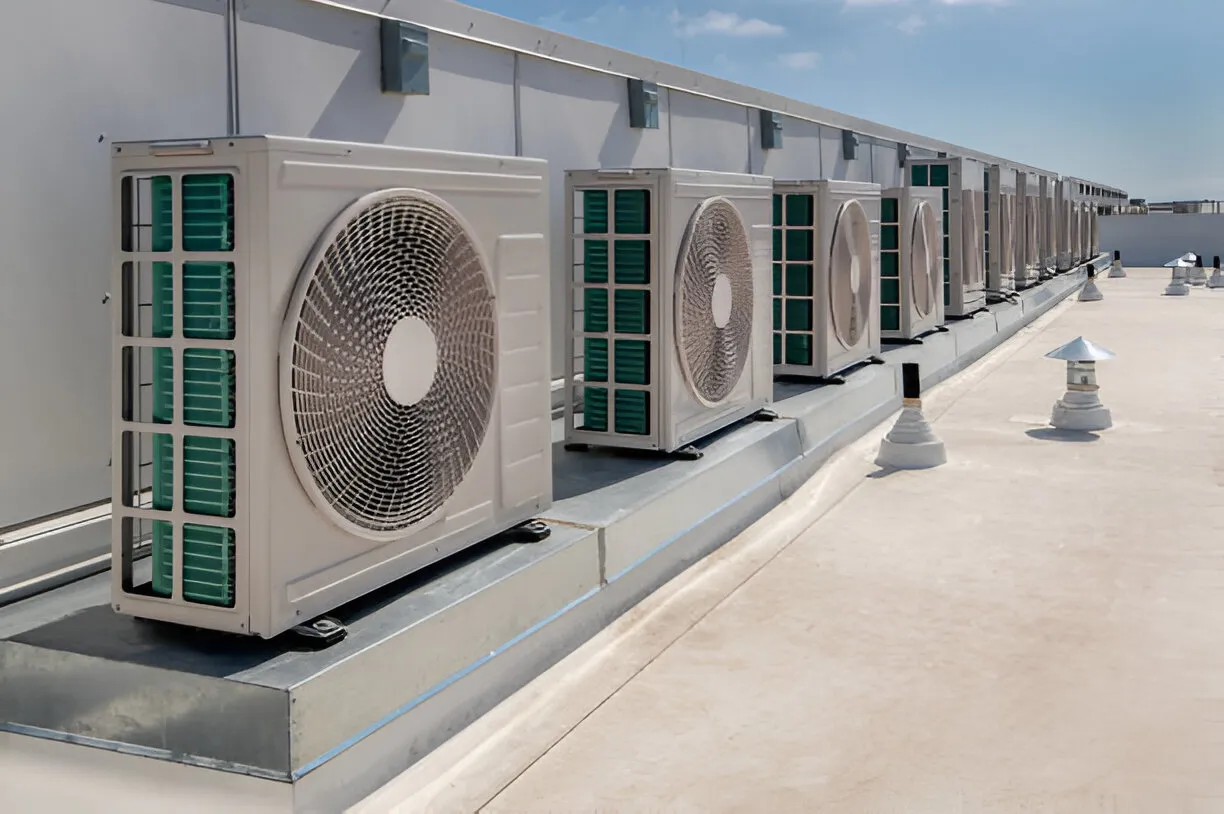
Why professional HVAC installation matters in Brice, OH
- Brice experiences hot, humid summers and cold, snowy winters. Systems that are not correctly sized or installed struggle to control humidity in summer or deliver dependable heat in winter.
- Improper installations cause common long-term problems: higher energy bills, frequent repairs, uneven temperatures, and shortened equipment life.
- Local permitting and inspection requirements can vary. A professional installer familiar with Franklin County and Brice guidelines reduces the risk of delays or code-related rework.
- Matching system components, correct refrigerant charge, balanced airflow, and proper ductwork sealing are technical tasks that materially affect comfort and efficiency.
Common HVAC installation needs and issues in Brice, OH homesMany Brice homes require one or more of the following at installation time:
- Replacement of aging systems nearing end of life
- Upgrades from single-stage to multi-stage or variable-speed equipment
- Replacement of inefficient furnaces with heat pumps for better summer performance
- New construction or major renovations requiring full system design and ductwork
- Ductwork repair or redesign to fix leaks, low airflow, or poor zoning
- Adding dehumidification or whole-home filtration because of summer humidity or pollen
- Thermostat upgrades and smart zoning for better comfort and efficiency
Typical symptoms indicating an installation or system selection problem
- Short cycling (system turns on and off frequently)
- Rooms that never reach setpoint or are noticeably different temperature than others
- High or rising energy bills after a system replacement
- Excessive humidity or condensation in summer months
- Loud mechanical noises or frequent service calls soon after replacement
How we evaluate your home and select the right systemBest Service Heating & Cooling uses a structured approach to system selection and installation design so your Brice home receives the proper solution.
Initial consultation and needs assessment
- We begin with a homeowner conversation about comfort priorities, household occupancy, allergies, and any existing complaints.
- We document existing equipment age, efficiency ratings, ductwork condition, and thermostat type.
- We consider local factors: Brice s humidity and heat load in July, heating load in January, local electricity and gas prices, and whether properties in your neighborhood have older insulation or drafty windows that affect system sizing.
Detailed load calculation and system matching
- A Manual J load calculation is performed to determine the heating and cooling required for your home based on square footage, orientation, insulation, window types, and air infiltration.
- Ductwork performance is evaluated with a Manual D design or duct testing as needed. Airflow requirements (CFM) are calculated for each supply and return location.
- Equipment is selected to match load results. This includes considering single-stage, two-stage, or variable-speed compressors, the proper furnace or heat pump capacity, and compatibility with coil and ductwork. Correct component matching prevents short cycling and efficiency loss.
Reviewing system options for Brice climates
- High-efficiency air conditioners with two-stage or variable-speed compressors manage humidity more effectively in hot, humid Ohio summers.
- Heat pumps, especially cold-climate models, can provide efficient heating through much of the winter while also delivering excellent cooling performance in summer.
- Dual-fuel systems pair a heat pump with a furnace and are a sensible option where low winter temperatures warrant backup gas heating.
- Whole-home dehumidifiers and MERV-rated filtration can be added to control summer humidity and reduce pollen and particulate levels common in the region.
Ductwork evaluation and when modifications are neededDuctwork is often the hidden determinant of a new system s success. Common duct issues we see in Brice homes include undersized runs, disconnected joints, lack of proper returns, and leaks where airflow is lost into unconditioned spaces.
- Visual inspection and pressure testing
- We visually inspect all accessible ducts, filter grilles, and boots, and we perform diagnostic pressure tests to quantify leakage and assess balance.
- Sealing and insulation
- Leaky ducts are sealed using mastic or UL-classified metallic tape, and ducts in unconditioned attics or crawlspaces are insulated to prevent thermal losses.
- Reconfiguration and balancing
- Sometimes the original duct layout does not meet calculated airflow requirements. We may add returns, increase register sizes, or reroute runs to achieve balanced air distribution.
- Transitioning from old systems
- If replacing an oversized or undersized system, matching the new equipment to the ductwork may require coil changes, motor upgrades for adequate static pressure, or complementary changes to maintain efficiency and prevent noise.
Step-by-step professional installation processA properly managed installation follows a clearly defined sequence. Below is the typical workflow used by Best Service Heating & Cooling for HVAC installation in Brice, OH homes.
Pre-install scheduling and permitting
- We confirm system specifications, obtain any necessary county or village permits, and schedule arrival times to respect homeowner availability and inspection windows.
Site preparation
- Protect floors, carpets, and landscaping where outdoor units are placed. Create safe access and staging areas for materials and equipment.
- Confirm electrical disconnects and gas shutoff availability if applicable.
Removal of old equipment (if applicable)
- The old system is safely disconnected, recovered for refrigerant according to EPA rules, and removed from the property. Debris and old components are hauled away in accordance with local disposal regulations.
Ductwork modifications and preparatory work
- Where ducts need repair or modification, that work is completed first to avoid rework. Register changes, return additions, and insulation are installed at this stage.
Equipment placement and mechanical connections
- Outdoor condenser or heat pump is set on a pad with correct clearances for airflow and service access.
- Indoor components are installed, including furnace, air handler, evaporator coil, or packaged unit. Refrigerant lines, condensate drains, gas connections, and combustion vents are routed and installed per code.
Electrical work and safety interlocks
- Wiring is run to install disconnects, safety interlocks, and control wiring. Breakers and wiring are sized to match manufacturer requirements and local code.
Refrigerant charging and system startup
- For systems requiring refrigerant, charge is applied precisely per manufacturer instructions and adjusted for line set length and operating conditions.
- Systems are evacuated, topped off, and verified for correct superheat and subcooling where applicable.
Controls and thermostat integration
- Thermostats are installed and configured. For multi-stage systems or integrated home automation setups, controls are programmed for staged operation, fan control, and any zoning features.
Commissioning and airflow balancing
- Airflow measurements, temperature split checks, and static pressure testing are performed. Vents are adjusted for proper distribution and comfort balance.
- Safety checks include combustion analysis for gas systems, carbon monoxide monitoring, electrical inspections, and verification of condensate management.
Final inspection and documentation
- Required permits are submitted for local inspection. We provide documentation of the installed equipment model numbers, efficiency ratings, startup readings, and maintenance guidance.
Start-up, commissioning and post-install testing explainedCommissioning is more than flipping a switch. It confirms the system will operate safely and efficiently under real conditions.
- Refrigerant and mechanical checks
- Proper refrigerant charge is confirmed by measuring line temperatures and pressures. Correct charge is critical to efficiency and compressor longevity.
- Temperature split and airflow verification
- Supply and return temperatures are checked to ensure the system produces the expected cooling or heating delta. Airflow is measured to confirm CFM per register.
- Electrical safety and breaker verification
- Voltage, amperage, and breaker sizing are checked to prevent nuisance trips and ensure long-term reliability.
- Combustion safety for gas systems
- Combustion analysis verifies safe burner operation, correct venting, and no backdrafting. Carbon monoxide is tested to ensure occupant safety.
- Performance under load
- The system is observed through a full cycle in both heating and cooling modes where applicable. Humidity control and system responsiveness are validated.
Permit handling and local inspection considerations in Brice, OHBest Service Heating & Cooling is experienced with the permitting and inspection procedures common to Brice and Franklin County. While specific requirements can change, typical considerations include:
- Submission of equipment and installation details for review
- County or village inspections for gas piping, electrical connections, and duct penetrations
- Documentation of combustion safety testing and refrigerant handling methods
- Coordination of final inspection to obtain the occupancy or completion sign-off
Working with an installer familiar with local inspectors expedites approval and helps avoid the need for remedial work after inspection.
Warranties, documentation and recommended maintenance
- Manufacturer warranties
- New equipment includes manufacturer warranties that vary by component and model. Best Service Heating & Cooling documents serial numbers, installation dates, and starts the warranty registration per manufacturer requirements when applicable.
- Workmanship warranty
- In addition to manufacturer protections, installations should carry a workmanship warranty. This covers the installer s responsibilities after the job is complete and provides peace of mind for early-life defects or installation-related issues.
- Post-install maintenance recommendations
- Regular maintenance is essential to protect the investment:
- Change or clean filters every 1 to 3 months depending on usage and filter type
- Annual professional tune-ups for both heating and cooling
- Duct inspection every 3 to 5 years or after significant home remodeling
- Immediate attention to unusual noises, short cycling, or persistent discomfort
Benefits of professional installation for Brice homeowners
- Long-term energy savings
- Correctly sized and tuned systems operate closer to rated efficiencies, using less energy for the same comfort.
- Improved indoor air quality
- Proper installation and balanced airflow reduce dust, mold risks, and humidity-related complaints, which is particularly important during Brice s high pollen and humid seasons.
- Reliable comfort year round
- With accurate load calculations and proper commissioning, your system will maintain consistent temperatures even during the most demanding heat or cold.
- Lower lifetime cost
- A professionally installed system avoids the cascade of repairs and premature replacements that arise from poor installation.
- Compliance and safety
- Proper permits, safe gas and electrical work, and combustion testing reduce safety and liability risks.
Maintenance schedule and homeowner checklistMaintaining your system after installation ensures peak performance and preserves warranty rights. A practical schedule for Brice homes:
- Monthly or every 1 to 3 months
- Inspect and change disposable filters. Check thermostat settings and observe system cycling.
- Annually (preferably before seasonal demand)
- Heating system tune-up in fall: burner inspection, heat exchanger check, combustion testing, and filter replacement.
- Cooling system tune-up in spring: coil cleaning, refrigerant check, blower inspection, drain line cleaning, and thermostat calibration.
- Every 3 to 5 years
- Ductwork inspection and sealing as needed. Evaluate airflow balance and register performance.
- As needed
- Address any unusual noises, increased run time without achieving temperature, excessive humidity, or uneven comfort. Early diagnosis prevents larger failures.
Energy efficiency considerations and incentivesWhile specific incentives change, homeowners in the Brice and Franklin County area sometimes qualify for utility rebates or state and federal efficiency incentives when upgrading to high-efficiency equipment. Factors to consider:
- Seasonal Energy Efficiency Ratio (SEER) and Annual Fuel Utilization Efficiency (AFUE) ratings for system comparisons
- Heat pump HSPF and cold-climate ratings if replacing a gas furnace
- Proper installation can be a requirement for certain rebates, so documentation and professional commissioning are often needed
- Energy savings estimates should be based on correct load-based sizing, not on oversized equipment assumptions
Common installation pitfalls to avoid
- Oversizing equipment to compensate for poor ductwork or insulation. This causes short cycling and humidity control problems.
- Skipping Manual J load calculations or assuming older system sizes are accurate.
- Failing to seal and insulate duct runs in unconditioned spaces.
- Improper refrigerant charge or not accounting for line set length.
- Using undersized electrical service or incorrect breaker sizing.
- Neglecting to register warranties or document startup data.
Hot Deals & Cool Savings

.webp)
New Service Agreement Membership
.webp)
Any New Client Service
Next Service for Referring a New Client
New Service Agreement Membership
Any New Client Service
Next Service for Referring a New Client
.webp)
.webp)

Service Areas
