
HVAC Replacement in Harrisburg, OH
HVAC replacement in Harrisburg OH explained with sizing, warranties, and financing - learn the right time to replace and schedule your installation today

Replacing a full HVAC system is one of the most important investments a Harrisburg homeowner can make for comfort, safety, and long term energy savings. Best Service Heating & Cooling provides full-system HVAC replacement in Harrisburg, OH with clear guidance on when replacement is the right decision, how to choose the right equipment and size it properly, what to expect during removal and installation, and the warranty and post-installation support that protects your investment.
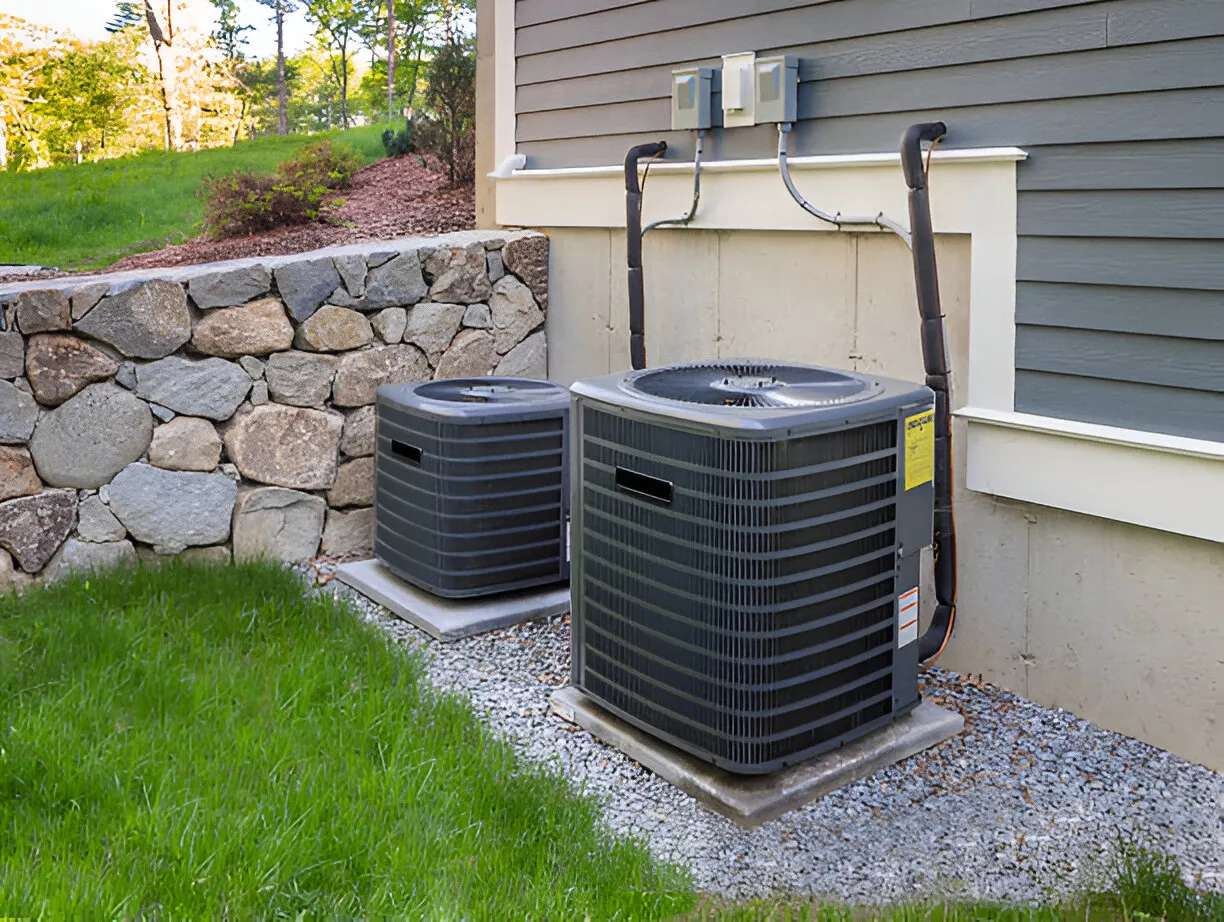
Why consider a full HVAC replacement in Harrisburg, OH
Harrisburg experiences hot, humid summers and cold, sometimes severe winters. That climate puts a lot of seasonal stress on heating and cooling equipment. Older systems that were sized or installed decades ago may struggle to maintain comfort, control humidity, or run efficiently. Common reasons to consider full replacement include:
- System age and diminishing reliability - Most gas furnaces, heat pumps, and air conditioners become less reliable after 12 to 15 years.
- Rising utility bills despite routine service - Wear and outdated efficiency ratings lead to higher energy use.
- Frequent or expensive repairs - Repeated component failures can justify replacement rather than continuing repairs.
- Uneven temperatures or poor humidity control - Overworked or improperly sized systems cannot maintain comfortable indoor conditions in central Ohio weather.
- Safety concerns - Cracked heat exchangers, repeated ignition faults, or suspected carbon monoxide risk require immediate evaluation and often replacement.
- Refrigerant phase-out or leaks - Older systems that use phased-out refrigerants may be costly to recharge and are better replaced with modern refrigerants.
- Desire for improved indoor air quality - New systems with better filtration, ventilators, and humidity control improve home comfort and health.
Signs that replacement is the better option than repair
Deciding between repair and replacement depends on the issue, system age, cost and frequency of repairs, and your long term comfort goals. Look for these red flags that tend to favor replacement:
- System age greater than 12 to 15 years
- Repeated breakdowns within a short period
- Major component failure such as a failed compressor or cracked heat exchanger
- A single repair that would cost a significant fraction of a new system
- Poor efficiency and comfort even after recent tune-ups
- Persistent short-cycling, which signals improper sizing or failing components
- Odors from the ductwork that suggest mold or irreparable contamination
A qualified technician will perform a full diagnostic and explain whether repair extends useful life at a reasonable cost or if replacement provides better long term value.
Choosing the right system for Harrisburg homes
System selection must balance initial cost, long term energy use, climate suitability, and home characteristics. Key choices include:
- Type of heating and cooling: gas furnace plus central air conditioning, heat pump (air source or ductless), boiler systems, or hybrid setups. Heat pumps are increasingly efficient for milder winters, but high-efficiency furnaces remain a reliable choice in colder Ohio winters.
- Efficiency ratings: SEER and SEER2 for cooling efficiency, AFUE for furnace heating efficiency, and HSPF for heat pump heating efficiency. Higher numbers mean better efficiency and lower operating costs.
- Single-stage, two-stage, or variable-speed equipment: Two-stage and variable-speed compressors/blowers deliver more consistent temperatures, better humidity control, and quieter operation than single-stage units.
- Indoor air quality options: upgraded filtration, whole-house humidifiers or dehumidifiers, and energy recovery ventilators improve comfort in Harrisburg's seasonal humidity and pollen conditions.
- Thermostat compatibility: programmable and smart thermostats enhance control and can help realize energy savings.
Best Service Heating & Cooling will recommend options that match your home size, insulation levels, window efficiency, and budget while taking into account Harrisburg weather patterns.
Proper sizing and design: Manual J, D, and S explained
Accurate sizing is essential. Oversized or undersized equipment causes problems such as short cycling, poor humidity control, higher utility bills, and premature wear. The professional approach includes:
- Manual J load calculation - Determines actual heating and cooling load based on house orientation, insulation, windows, occupancy, and local climate. This is the foundation of proper equipment selection.
- Manual D duct design - Ensures ducts are sized and balanced for proper airflow and efficient delivery of conditioned air throughout the home.
- Manual S equipment selection - Matches equipment capacity and efficiency to the calculated load and the desired performance.
Installing the correctly sized system protects comfort and efficiency. In Harrisburg homes, factors like older single-pane windows, uninsulated attics, or slab foundations can meaningfully change load calculations, so onsite evaluation is critical.
Energy-efficient models, incentives, and financing considerations
Upgrading to modern, energy-efficient equipment delivers real savings during Harrisburg summers and winters. Typical benefits of high-efficiency systems include:
- Lower monthly energy bills
- More consistent indoor temperatures
- Better humidity and indoor air quality control
- Quieter operation
- Longer expected equipment life when properly maintained
Efficiency metrics to compare:
- SEER and SEER2 for cooling efficiency
- AFUE for furnace heating efficiency
- HSPF for heat pump heating efficiency
In many cases, federal tax credits, state or local utility rebates, and manufacturer promotions apply to ENERGY STAR or high-efficiency installations. These incentives often require specific equipment efficiency thresholds and proof of installation by a licensed contractor, and they can significantly impact the financial value of an upgrade. Financing options are commonly available from lenders that specialize in home efficiency upgrades; terms vary and may include low monthly payments designed to make modern equipment accessible.
When evaluating offers, homeowners should request equipment specification sheets that show efficiency ratings and confirm whether the installation qualifies for any available rebates or credits. Proper paperwork, timely registration of the new equipment with the manufacturer, and keeping receipts are essential to secure incentives.
The removal and disposal process
Safe and compliant removal of your old HVAC system is a standard part of a full replacement. The process includes:
- System shutdown and disconnection - Certified technicians shut down electrical, gas, and refrigerant systems according to code and safety practices.
- Refrigerant recovery - Refrigerant is extracted with EPA-compliant recovery equipment and disposed or recycled per federal and state regulations.
- Safe handling of fuel lines and heat exchangers - Gas connections are properly capped or removed and checked for leaks; heat exchangers are handled carefully due to potential corrosion or cracks.
- Recycling and disposal - Metal, plastic, and electronic components are recycled when possible; hazardous materials are disposed of using approved procedures.
- Site cleanup - The work area is left clean, including removal of old concrete pads, insulation, or debris if included in the scope.
Proper disposal protects your property and ensures compliance with environmental laws. Ask for documentation of refrigerant recovery and disposal if desired.
Warranty details and protection for your investment
New HVAC systems carry several layers of warranty protection:
- Manufacturer warranty - Covers defects in equipment parts such as compressors, control boards, and heat exchangers. Typical lengths vary by component and model, often 10 years for major parts when properly registered.
- Labor warranty - Covers workmanship on the installation. Commonly offered by installers for a limited period, and may be extended with maintenance plans.
- Extended or enhanced warranties - Some manufacturers provide longer coverage for select components or offer prorated protection for additional years.
Important warranty considerations:
- Registration - Many manufacturer warranties require registration within a specified timeframe after installation to validate extended coverage.
- Proper installation - Manufacturer warranties can be voided by improper installation or the use of unapproved parts.
- Required maintenance - Regular, documented maintenance is often a condition to keep warranties valid, such as annual tune-ups.
- Transferability - Some warranties are transferable to a new homeowner if properly documented; others are not.
Best Service Heating & Cooling confirms warranty terms for both parts and labor, explains registration requirements, and provides a maintenance plan framework to help preserve warranty protections.
Typical timeline and what to expect during replacement
While each replacement project is unique, a general timeline and sequence of events helps homeowners plan and minimize disruption:
- Initial assessment and load calculation - Onsite evaluation and Manual J load calculation, typically taking 1 to 2 hours.
- Equipment selection and confirmation - Model selection and scheduling, including confirmation of ducts, electrical needs, and gas line adequacy.
- Permit acquisition - If required, permits are pulled by the installer and timelines vary based on local jurisdiction.
- Pre-installation preparations - Technicians confirm clear access, any required duct or sheet metal work, and that electrical and gas connections meet code.
- Day of installation - Typical residential replacements that are like-for-like usually take 6 to 10 hours. More complex jobs such as multi-zone systems, duct replacement, or structural modifications may take longer or require multiple days.
- Post-installation testing and cleanup - System commissioning, airflow and pressure verification, refrigerant charge validation, safety checks, and a full clean-up of the work area.
- Homeowner orientation and paperwork - Walk-through of the new system operation, thermostat programming, warranty registration details, and maintenance instructions.
During installation day expect technicians to protect flooring and belongings, to work methodically and safely, and to provide status updates. Weather, custom work, or needed electrical upgrades can extend timelines.
What will change in your home after replacement
After a properly installed replacement you should notice immediate and measurable improvements:
- More consistent temperatures room to room
- Reduced humidity in summer if a properly sized and staged cooling system is installed
- Quieter operation compared to older equipment
- Improved indoor air quality with upgraded filtration
- Lower energy bills relative to an older system with lower efficiency
- Smoother startup and shutdown cycles with fewer repairs in the near term
A new system also simplifies future maintenance because parts are current and designed to work together efficiently.
Post-installation support and maintenance
A new system performs best when maintained. Post-installation services that protect comfort and equipment include:
- Seasonal tune-ups - Inspect combustion, airflow, refrigerant levels, electrical connections, and controls at least once a year for each heating and cooling season.
- Filter management - Regular high-quality filter changes preserve airflow and indoor air quality.
- Duct inspection and sealing - Ensures the system circulates conditioned air efficiently without losses.
- Priority diagnostic service - Many installers offer priority scheduling for maintenance plan members for faster resolution of issues.
- Performance verification - Follow-up visits to check system operation under typical load conditions and to adjust settings for optimal comfort and efficiency.
- Documentation and reminders - Keeping a clear service history helps maintain warranty eligibility and tracks system health over time.
Best Service Heating & Cooling provides detailed orientation on maintenance intervals and recommended care for Harrisburg homes, including the importance of pre-season inspections to prevent peak-season failures.
Common replacement scenarios in Harrisburg homes
Understanding typical situations helps home and business owners see when replacement yields the most benefit:
- Old compressor failure in an aging central AC - When the compressor fails and the system is over a decade old, replacement often yields a better efficiency and reliability outcome than replacing just the compressor.
- Cracked furnace heat exchanger - This is a safety concern and typically triggers replacement rather than repair.
- Refrigerant leaks in R-22 systems - R-22 is phased out and costly to recharge, guiding the decision toward replacement with modern refrigerants.
- Homes with poor humidity control - Replacement with a variable-speed or two-stage system plus a dehumidification strategy significantly improves comfort in humid Ohio summers.
- Additions or remodeling - When adding conditioned space, the original system is often undersized and a system upgrade or replacement plus ductwork modifications is necessary.
Benefits of timely replacement
Replacing an aging or failing HVAC system at the right time produces tangible benefits:
- Lower utility bills through improved efficiency
- More reliable comfort and fewer emergency repairs
- Improved indoor air quality and humidity control
- Reduced noise and smoother operation
- Enhanced home value and marketability
- Compliance with modern safety and environmental standards
Delaying replacement often increases the risk of sudden failures, emergency service costs, and comfort interruptions at the worst possible times.
Planning your replacement in Harrisburg
Good planning reduces surprises. Typical planning steps include a professional home evaluation, load calculations, clear understanding of efficiency options and incentives, scheduling informed by equipment lead times, and planning for permit timelines where required. Local climate considerations such as summer humidity and winter cold are incorporated into equipment recommendations and controls.
Best Service Heating & Cooling brings local experience serving central Ohio neighborhoods and can explain how Harrisburg home construction types, insulation levels, and typical duct layouts affect replacement decisions. This local knowledge ensures better sizing and equipment selection that matches actual needs rather than generic rules of thumb.
Final thought on investing in an HVAC replacement
A full HVAC replacement is both a comfort and financial decision. When approached with accurate diagnostics, proper sizing, attention to local climate factors, and careful selection of energy-efficient equipment, a well-executed replacement provides years of reliable service, lower energy bills, and healthier indoor air. Best Service Heating & Cooling combines local experience with industry best practices to guide Harrisburg homeowners through replacement, warranty details, disposal compliance, and ongoing maintenance needs so the system delivers the promised performance.
Hot Deals & Cool Savings

.webp)
New Service Agreement Membership
.webp)
Any New Client Service
Next Service for Referring a New Client
New Service Agreement Membership
Any New Client Service
Next Service for Referring a New Client
.webp)
.webp)

Service Areas
