
HVAC Maintenance in Harrisburg, OH
HVAC maintenance service for Harrisburg, OH homes reduces breakdowns, extends equipment life, improves comfort, and saves energy with technicians.

Keeping your home comfortable year round in Harrisburg, OH starts with a proactive HVAC maintenance plan. Best Service Heating & Cooling brings decades of local experience to routine and preventative HVAC maintenance programs designed to reduce breakdowns, extend equipment life, and improve indoor comfort and energy efficiency. With Harrisburg experiencing humid summers, cold winters, and seasonal pollen and dust, regular system care is one of the most cost effective ways to protect your investment and avoid emergency repairs during extreme weather.
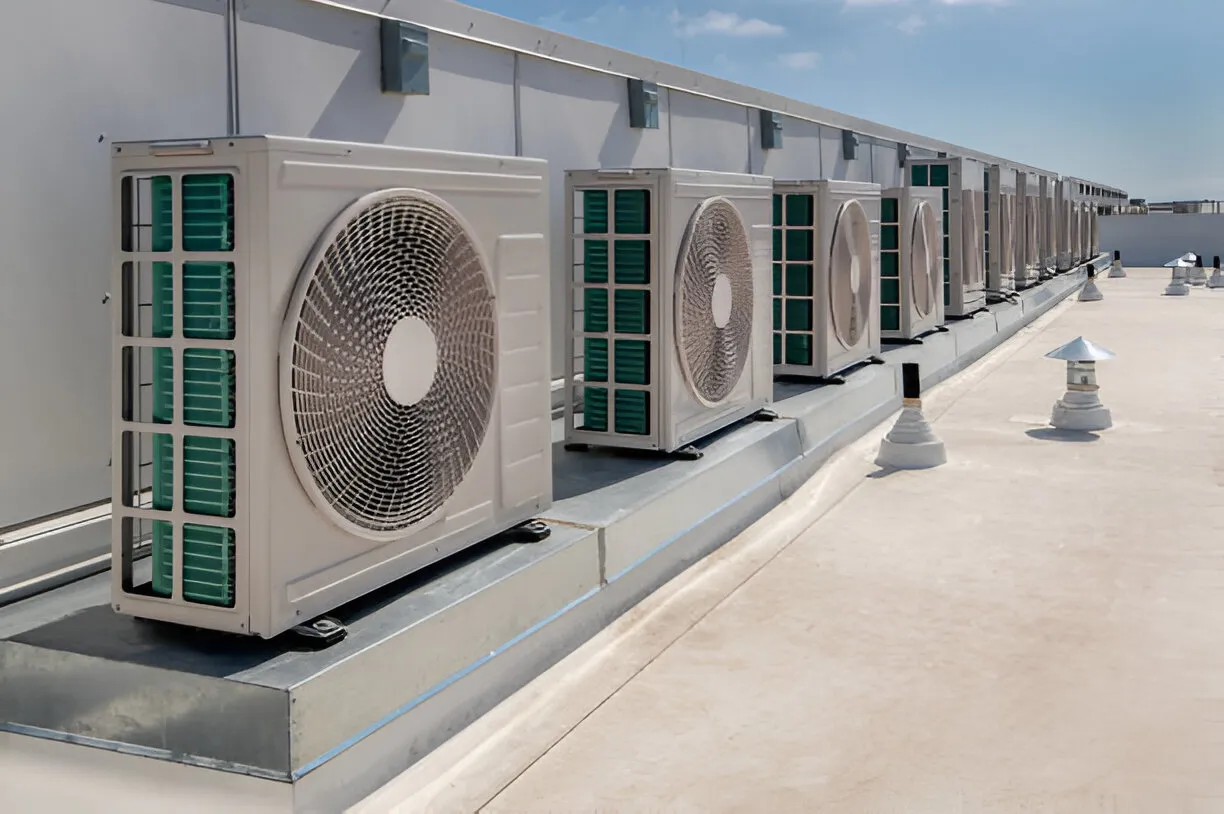
Why proactive HVAC maintenance matters in Harrisburg, OH
Homes in and around Harrisburg face a full range of seasonal stresses. High humidity in summer forces air conditioners and heat pumps to run longer to remove moisture. Cold winter nights require furnaces and boilers to cycle more frequently. Seasonal pollen, dust, and yard work increase filter loads and clog coils and ductwork. Those conditions accelerate wear on bearings, blower motors, compressors, and heat exchangers. Regular maintenance will:
- Keep equipment operating at manufacturer rated efficiency for lower utility bills
- Reveal small issues before they become costly failures
- Reduce the risk of midseason breakdowns when contractors are busiest
- Maintain indoor air quality for homes with allergies or respiratory concerns
- Preserve manufacturer warranties that require documented annual care
Best Service Heating & Cooling understands these local factors and structures maintenance programs to address the problems common to Harrisburg area homes.
Typical HVAC problems we prevent and correct
Routine maintenance is designed to catch and correct the most common failure points before they cause breakdowns. Typical issues our preventive programs reveal include:
- Restricted airflow from dirty filters, duct leakage, or blocked vents
- Refrigerant undercharge or leaks causing reduced cooling capacity and higher run times
- Worn capacitors and contactors on outdoor units leading to intermittent starts
- Dirty or corroded coils that lower heat transfer and increase runtime
- Ignition and burner inefficiencies in furnaces that raise fuel use and create safety risks
- Clogged condensate drains that create water damage and microbial growth
- Faulty thermostats and control issues producing uneven temperatures
- Loose electrical connections that cause high amp draw and component failure
- Cracked heat exchangers or venting issues identified during safety inspections
Regular inspection and tune up prevents many of these from progressing into complete system failures.
Maintenance program types and what to expect
Best Service Heating & Cooling offers staged maintenance programs to fit different homes and equipment types. Programs typically include:
- Annual heating tune up (furnaces, boilers, heat pumps in heating mode)
- Annual cooling tune up (air conditioners, heat pumps in cooling mode)
- Combined seasonal plan covering both heating and cooling inspections
- SAM service agreement membership for recurring, documented care and membership perks
Each service visit follows a checklist tailored to the equipment type and age to ensure consistent, repeatable maintenance that protects system performance.
Spring AC tune up checklist (typical)
A thorough cooling season inspection restores capacity and prevents summer failures:
- Clean and inspect outdoor condenser coil and fan assembly for debris and corrosion
- Inspect refrigerant lines and insulation for damage and proper routing
- Check refrigerant charge and evaluate system pressures for leaks or undercharge
- Test compressor start components including capacitors and contactors
- Clean and inspect evaporator coil; treat microbial growth if present
- Inspect and clean condensate drain and drain pan; confirm proper drainage
- Measure supply and return temperatures to calculate temperature split
- Inspect blower motor, wheel, and housing; lubricate bearings if applicable
- Verify thermostat calibration, program settings, and sensors
- Check electrical connections, voltage and amp draw on major components
- Inspect ductwork accessible for visible leaks and disconnected joints
- Document performance and recommend any repairs for optimal efficiency
Fall heating tune up checklist (typical)
Preparing your heating system before peak season preserves reliability and safety:
- Inspect burners and ignition system for proper operation and clean flame sensor
- Perform combustion analysis if applicable to verify safe, efficient combustion
- Inspect heat exchanger and flue/venting for cracks, corrosion, and proper draft
- Test safety controls and limit switches for correct operation
- Clean and inspect blower assembly and motor; check belts where applicable
- Inspect gas valves and connectors for leaks and proper operation
- Test thermostat accuracy and system cycling performance
- Inspect oil or fuel-fed equipment for filter and nozzle condition if applicable
- Verify secondary safety devices, such as pressure switches on boilers
- Check water levels and expansion control for hydronic systems
- Check electrical connections, contactors, and capacitors
- Provide written report and recommendations for any required repairs
Filter and component inspections: what we check and why
Filters are the first line of defense for system performance and indoor air quality. During every maintenance visit Best Service Heating & Cooling inspects and documents:
- Filter type and condition (1 inch disposable, pleated, high efficiency, washable, or media)
- Recommended replacement frequency based on filter MERV rating, household pets, occupants with allergies, and how dusty the environment is in Harrisburg
- Filter tracks or cabinets for proper sealing to prevent bypass
- Supply and return grille condition and pressure drop if parts are heavily restricted
Component inspections include:
- Evaporator and condenser coil condition and cleanability
- Blower wheel balance and motor amp draw
- Compressor health, oil levels where applicable, and vibration/noise checks
- Capacitors and contactors; measured values compared to manufacturer specs
- Refrigerant lines for oil stains or corrosion indicating leakage
- Condensate piping and traps to ensure no standing water
- Duct connections at plenums and main trunks for visible gaps or deterioration
- Thermostat placement and wiring
Recommended filter schedules for Harrisburg conditions
- Standard 1 inch pleated filters: inspect monthly; replace every 1 to 3 months
- 2 to 4 inch media filters: inspect every 3 months; replace or clean per manufacturer
- High efficiency or HEPA filters: inspect at least quarterly; change per manufacturer guidelinesHomes with pets, smokers, or heavy dust will need more frequent changes.
Performance and safety checks we perform
Beyond cleaning and inspection, accurate measurement and safety verification are essential. Typical diagnostic tests include:
- System airflow assessment and static pressure measurement across the system
- Temperature split measurement between supply and return to determine cooling or heating effectiveness
- Measurement of refrigerant pressures and temperatures to assess charge and superheat/subcooling
- Electrical testing for proper voltage and current draw to identify stressed components
- Safety control verification including high and low pressure cutouts, limit switches, and emergency switches
- Carbon monoxide checks for combustion appliances and proper venting evaluation
- Visual and mechanical inspection of heat exchangers where accessible for cracks or deformation
- Combustion analysis on gas-fired systems where indicated to verify safe operation
- Verification of thermostat performance including programmed setbacks and communication with zoning systems
Documenting these metrics preserves a performance baseline so changes can be tracked year to year. That tracking is essential for diagnosing gradual efficiency losses and planning equipment replacement at the optimal time.
Benefits of routine HVAC maintenance
Investing in preventive care returns measurable benefits for homeowners in Harrisburg:
- Extended equipment life: regular lubrication, filter changes, and minor repairs reduce wear and tear, typically adding years to system life
- Lower utility bills: clean coils, correct refrigerant charge, and efficient combustion reduce energy consumption
- Fewer emergency repairs: catching worn parts early prevents catastrophic midseason failures
- Improved comfort: consistent airflow and calibrated thermostats reduce hot and cold spots
- Better indoor air quality: clean filters and coils reduce dust, pollen, and microbial growth circulating in your home
- Safety assurance: combustion and venting checks protect against carbon monoxide and combustion hazards
- Warranty compliance: many manufacturers require annual documented maintenance for warranty protection
For many homeowners the yearly maintenance cost is small compared to the expense and inconvenience of a major repair or premature replacement.
SAM Service Agreement membership perks
Best Service Heating & Cooling offers the SAM service agreement to provide structured, recurring maintenance with member-only perks. Typical features of the SAM membership include:
- Scheduled seasonal tune ups to maintain optimal operation
- Priority scheduling for members during high demand periods such as heat waves or cold snaps
- 15 percent discount on qualifying service labor and parts as outlined in the agreement
- 24 hour emergency service access for covered issues
- Written maintenance records and performance metrics for warranty and resale documentation
- Reminder calls or emails for upcoming maintenance visits and recommended actions
- Potential waived or reduced trip fees on covered service calls depending on the agreement terms
- Free estimates on installations for members looking to replace or upgrade equipment
Membership creates predictable upkeep, documented care for warranty compliance, and tangible savings over unplanned service calls. It also ensures you are on a priority list when weather leads to widespread HVAC failures in the area.
How maintenance protects local homes specifically
Harrisburg area homes, whether older constructions with original ductwork or newer builds with tighter envelopes, share some local concerns:
- Seasonal pollen and yard work increase filter loading in spring and early summer
- Humidity spikes in summer create a higher condensate load and potential for coil microbial growth
- Freeze thaw cycles in shoulder months can damage exterior units without proper winterization
- Older duct systems in many central Ohio homes can be loose or disconnected, requiring attention to maintain airflow
- Gas furnaces in older houses can develop venting and draft issues that require periodic verification
Best Service Heating & Cooling technicians tailor maintenance to the age and construction of each home, addressing these local realities while following manufacturer recommended procedures.
Signing up for a maintenance plan: what the process looks like
Enrolling in a maintenance program or SAM service agreement is straightforward and designed to be transparent. Typical steps include:
- Identify equipment: provide make, model, and age of heating and cooling equipment so the plan can be matched to your systems
- Choose plan frequency: select single seasonal tune ups or a combined two visit plan covering both heating and cooling
- Review terms: receive a written outline of what is covered during each visit, membership perks, and billing options
- Schedule initial inspection: set an appointment for the first tune up during the appropriate season so baseline performance metrics are recorded
- Documentation: after the visit you receive a written report detailing findings, measurements, parts replaced, and recommended items
- Recurring reminders: the plan includes notifications for upcoming visits to maintain on schedule
- Ongoing service: members receive priority scheduling and applied discounts according to the membership terms
This structured enrollment keeps service predictable and makes it easy to maintain system reliability across seasons without guesswork.
What to expect during a maintenance visit
A professional maintenance visit is methodical and transparent. Technicians will:
- Confirm system operation and homeowner concerns
- Follow a written checklist appropriate to the equipment type
- Use diagnostic tools to measure temperature split, static pressure, voltages, and refrigerant pressures where applicable
- Clean accessible components such as coils, blower assemblies, and condensate lines
- Replace or recommend replacement of filters based on condition and type
- Tighten electrical connections and inspect wiring for deterioration
- Provide a written service report documenting performed tasks and suggested repairs or upgrades
Technicians document findings so you can see the value of the work and track equipment condition over time.
Simple homeowner maintenance between visits
Homeowners can help their HVAC run more reliably with a few simple habits:
- Check and change disposable filters monthly in peak seasons; note the filter size and MERV rating when replacing
- Keep outdoor condenser units clear of leaves, grass clippings, and debris, with at least 2 feet of clearance
- Vacuum supply and return grilles and keep furniture and drapes away from vents
- Maintain attic and crawlspace insulation and ventilation to reduce system heat loads
- Program thermostats for sensible setbacks and avoid frequent, large temperature swings that increase run time
- Monitor for unusual sounds, odors, water leaks, or uneven heating and cooling and document when they occur
These routines reduce strain on components and help technicians isolate issues during scheduled maintenance.
Maintenance records and resale value
Maintained and documented HVAC systems add value at resale. Buyers and home inspectors expect to see a history of regular care. SAM service agreement tracking and written reports from Best Service Heating & Cooling provide a verifiable maintenance record showing:
- Dates of service and types of work performed
- Measured performance metrics and any changes over time
- Parts replaced and recommended timing for future service or replacement
A well kept maintenance file supports a smoother sale and can be leveraged in negotiations when proving the home has been responsibly maintained.
Hot Deals & Cool Savings

.webp)
New Service Agreement Membership
.webp)
Any New Client Service
Next Service for Referring a New Client
New Service Agreement Membership
Any New Client Service
Next Service for Referring a New Client
.webp)
.webp)

Service Areas
