
Heat Pump Replacement in Obetz, OH
Heat Pump Replacement in Obetz, OH: Learn when to replace, how to choose the right unit, and what to expect from installation—learn more.

Heat Pump Replacement in Obetz, OH
Replacing a heat pump is a major decision for homeowners in Obetz, OH. With hot, humid summers and cold winters, the right replacement can improve comfort, reduce energy bills, and avoid frequent breakdowns.
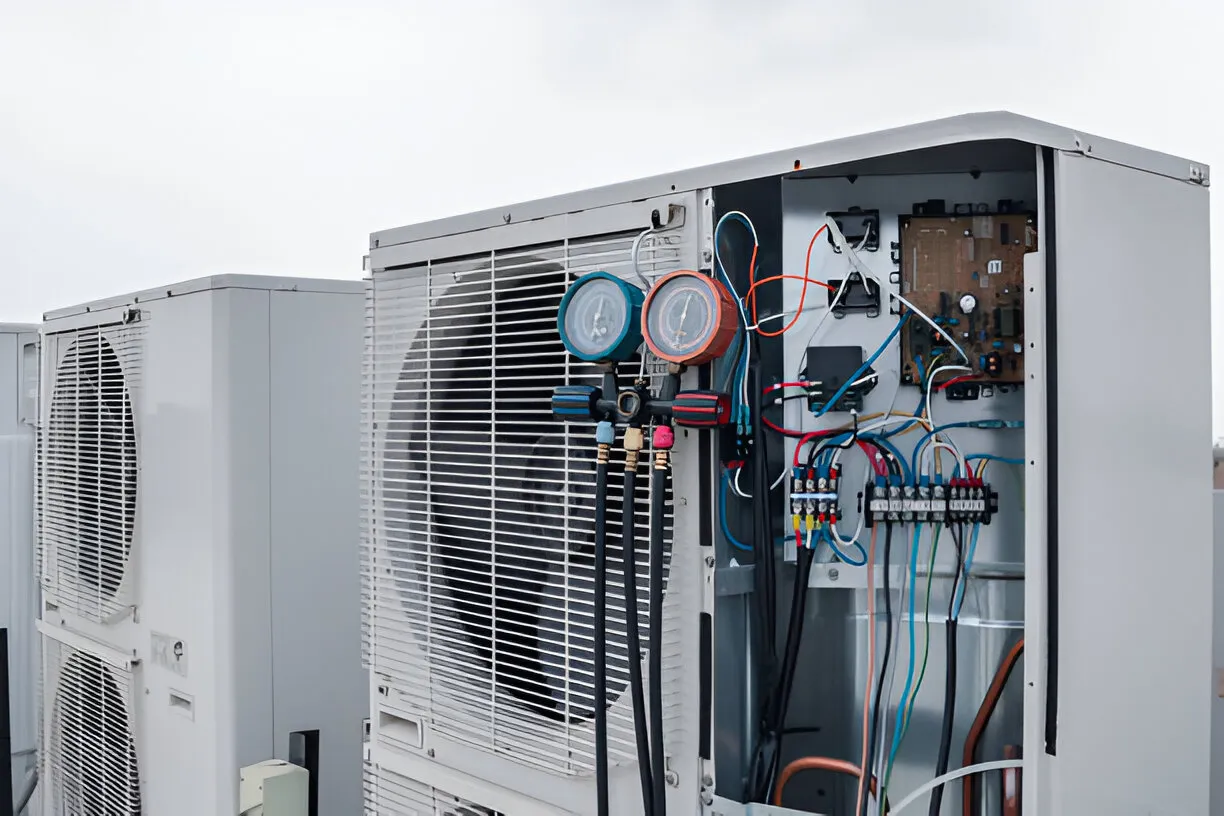
When to replace versus repair a heat pump
Knowing whether to repair or replace depends on age, symptoms, efficiency, and repair costs.
Common signs replacement is recommended:
- System age: most heat pumps older than 12 to 15 years are less efficient and nearing end of useful life.
- Frequent breakdowns: repeated compressor, reversing valve, or major component failures indicate looming larger failures.
- Major compressor failure or refrigerant issues: repairs to compressors and refrigerant systems can be costly and less efficient than a new unit.
- Rising energy bills: a steady increase in monthly heating and cooling costs despite regular maintenance suggests degraded efficiency.
- Inability to maintain comfortable temperatures: a system that struggles during Obetz’s cold snaps or humid summer peaks may be undersized or failing.
- Use of phased-out refrigerants: older units using legacy refrigerants may be expensive to service.
When to consider repair:
- Single, isolated issues like a failed capacitor, thermostat, or fan motor where the system is otherwise healthy and under 10 years old.
- When repair cost is a small fraction of replacement and the system still meets efficiency and comfort needs.A professional assessment that includes an efficiency evaluation and basic load analysis will clarify the best path.
Choosing the right heat pump for Obetz homes
Selecting the correct unit involves matching system type, size, and efficiency to your home and local climate.
System types to consider:
- Air-source heat pumps: the most common option for central ducted homes. Modern cold-climate models perform well in Ohio winters.
- Ductless mini-split systems: ideal for homes without ductwork, additions, or room-by-room temperature control.
- Hybrid (dual fuel) systems: pair a heat pump with a gas furnace for efficient heating when temperatures drop very low.
- Ground-source (geothermal) heat pumps: highly efficient long-term option, but higher upfront cost and site-dependent installation.
Sizing and load considerations:
- Proper sizing prevents short cycling, improves comfort, and maximizes efficiency. A qualified contractor will perform a Manual J load calculation considering Obetz’s local climate, home insulation, window types, and occupancy.
- Oversized units can cause humidity and comfort issues in summer; undersized units will struggle on the coldest winter days.
Efficiency ratings and what they mean:
- SEER (Seasonal Energy Efficiency Ratio) measures cooling efficiency; higher SEER means lower cooling energy use.
- HSPF (Heating Seasonal Performance Factor) or SEER2/HSPF2 newer metrics for heating efficiency. Look for higher HSPF for better winter performance.
- Cold-climate heat pumps and higher HSPF ratings are advisable in Obetz to maintain efficiency during freezing temperatures.
- Consider variable-speed compressors and inverter technology for better comfort, quieter operation, and tighter humidity control.
Ductwork and distribution:
- Evaluate existing ductwork for leaks, sizing issues, and insulation. Poor ducts can negate the efficiency of a new heat pump.
- For ductless systems, determine number and placement of heads for balanced comfort.
Typical replacement process
A clear, professional replacement follows defined steps to ensure safety, performance, and code compliance.
- Site assessment and load calculation
- Inspect home layout, insulation, ductwork, electrical service, and desired comfort outcomes.
- Perform Manual J load calculation and recommend system type and capacity.
- Permit, equipment selection, and scheduling
- Select appropriately sized and rated equipment.
- Confirm local permit requirements and schedule installation.
- Removal of old equipment
- Recover refrigerant safely, disconnect electrical and mechanical connections, and remove indoor and outdoor units for recycling.
- Installation of new system
- Install outdoor and indoor units or ducted components.
- Update or replace thermostat, electrical disconnects, and any required service panels.
- Make necessary ductwork repairs or modifications.
- Refrigerant charging, commissioning, and testing
- Charge with manufacturer-specified refrigerant, calibrate controls, verify airflow, perform leak checks, and test heating and cooling cycles.
- Provide startup documentation and basic homeowner orientation.
- Final inspection and paperwork
- Schedule any required municipal inspections and complete warranty registration and rebate paperwork as applicable.
Expected timelines
- Small to medium central replacements: typically 1 to 2 days for removal and installation, plus any additional time for permits or ductwork repairs.
- Ductless multi-zone installations: 1 to 3 days depending on number of indoor units and routing.
- Complex projects (electrical upgrades, major duct redesign, or geothermal): can take several days to weeks from permit to completion.Plan for contingencies during Obetz’s winter and summer peaks when scheduling demand is highest.
Financing, rebates, and incentives in Obetz, OH
Several funding paths commonly apply to homeowners replacing inefficient systems:
- Federal tax credits: credits or incentives for qualifying high-efficiency heat pumps have been available in recent programs; eligibility depends on equipment and filing rules.
- State and local incentives: Ohio programs or local utilities may offer rebates for energy-efficient heat pumps and duct improvements.
- Utility rebates: many electric utilities provide rebates for qualifying equipment or weatherization upgrades.
- Financing programs: many homeowners use energy-efficient home improvement loans or financing plans with deferred payments for HVAC replacements.
Eligibility varies and often requires pre-approval, specific equipment standards, and documentation such as invoices and model numbers. Confirm current programs before purchase.
Disposal and environmental considerations
Old heat pumps must have refrigerant recovered and be recycled responsibly to comply with regulations and reduce environmental impact. Scrap metal and electrical components are separated, and hazardous materials are handled per code. Proper disposal protects the environment and avoids potential fines.
Performance expectations and warranty
After replacement, expect:
- Noticeable improvement in temperature consistency and humidity control, especially with modern inverter-driven units.
- Reduced energy use compared with older, inefficient systems—savings depend on the new unit’s efficiency, usage patterns, and home envelope.
- Quieter operation and improved indoor air comfort.
Typical warranty landscape:
- Manufacturer warranties commonly cover the compressor and major components for 5 to 10 years; some parts may carry shorter terms.
- Extended warranties or enhanced coverage can be available from manufacturers or original installers.
- Labor warranties vary; confirm the length and what is covered (parts, labor, travel).
Plan for annual maintenance to preserve efficiency and warranty compliance: filter changes, outdoor coil cleaning, refrigerant level checks, and performance testing.
Final considerations for Obetz homeowners
Replacing a heat pump is as much about matching equipment to your home and local climate as it is about the unit itself. In Obetz’s mixed seasonal climate, prioritize properly sized cold-climate equipment, consider hybrid options if your home relies on gas heat in extreme cold, and address ductwork or insulation issues during replacement to maximize savings. A thorough site assessment, correct sizing, and professional installation are the most reliable ways to ensure long-term comfort and efficient operation.
Hot Deals & Cool Savings

.webp)
New Service Agreement Membership
.webp)
Any New Client Service
Next Service for Referring a New Client
New Service Agreement Membership
Any New Client Service
Next Service for Referring a New Client
.webp)
.webp)

Service Areas
