
Heat Pump Replacement in Minerva Park, OH
Heat pump replacement in Minerva Park, OH: learn when to replace, what to expect from install, and financing options. Get started today.

Heat Pump Replacement in Minerva Park, OH
Replacing a heat pump is a major decision for homeowners in Minerva Park, OH. With cold Ohio winters and hot, humid summers, your heating and cooling system needs reliable year round performance and strong cold-weather efficiency.
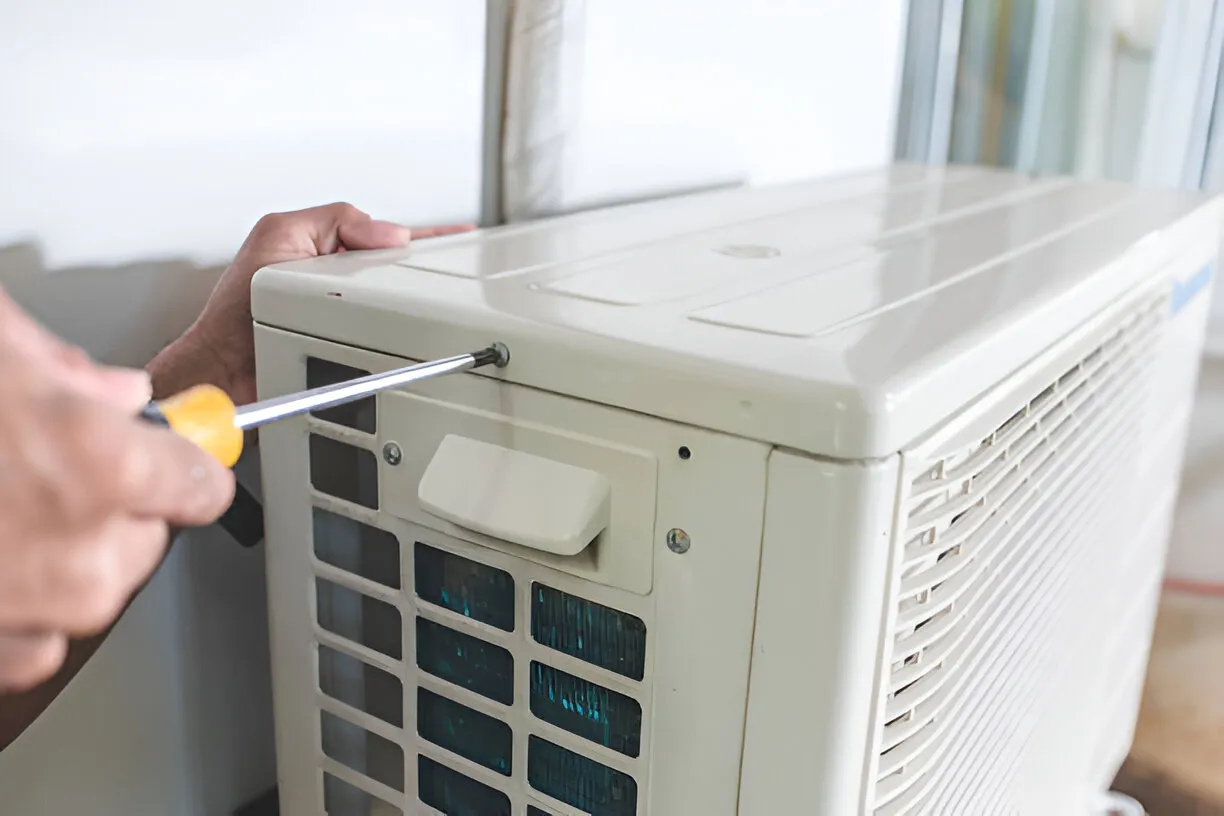
When to replace vs repair
Use replacement instead of repair when one or more of the following apply:
- Your heat pump is older than 10 to 15 years and efficiency has declined. Older units often lose significant capacity and cost more to operate.
- You face repeated repairs or a major failure such as a compressor burnout. Frequent service calls signal diminishing returns from repairs.
- The unit uses phased-out refrigerant (for example R22) or has major refrigerant leaks that are costly to remedy.
- Comfort issues persist after repairs: short cycling, uneven heating, or inability to maintain set temperatures in winter.
- The system is poorly matched to your home’s needs because of improper sizing or outdated ductwork. Replacing both the equipment and ductwork can resolve chronic comfort problems.
- You want materially lower utility bills and improved humidity control and noise levels. Modern heat pumps deliver better efficiency and variable-speed performance.
Evaluation and load-sizing process
A proper replacement begins with a full evaluation and load calculation to size the new system correctly.
- Home survey: inspect insulation, windows, air infiltration, duct layout, and any attic or crawlspace issues common in older Minerva Park houses.
- Manual J load calculation: this industry-standard calculation determines heating and cooling loads based on home size, orientation, insulation levels, and local climate data for central Ohio.
- Duct assessment: evaluate leakage, airflow, and static pressure. Many older homes need duct sealing or adjustments for optimal heat pump performance.
- Equipment selection (Manual S): choose a heat pump capacity and efficiency level that matches the calculated load and your comfort priorities.
- Electrical and site review: confirm service capacity and outdoor unit placement that avoids snow drifts, salt exposure, and poor airflow in freezing months.
Energy-efficient models and system types
Options commonly recommended for Minerva Park homes:
- Air-source heat pumps: modern split systems with inverter-driven compressors that vary speed for higher efficiency and quieter operation. Cold-climate models maintain capacity better in low temperatures common to Ohio winters.
- Ductless mini-splits: great for additions, finished basements, or homes without ducts. Provide individual zone control and high efficiency.
- Hybrid systems (dual fuel): combine a heat pump with a gas furnace. Useful when winter temperatures drop very low and homeowners want the efficiency of a heat pump with the backup power of gas.
- Geothermal heat pumps: very high efficiency and stable performance, but require more upfront site work. Suitable when long-term energy savings and low running costs are priorities.
When selecting a unit, consider HSPF and SEER ratings, variable-speed compressors, and low ambient performance for winter operation.
Removal and disposal of the old unit
Removal is performed to protect the environment and comply with regulations.
- Refrigerant recovery: certified technicians recover refrigerant into approved recovery cylinders, following EPA rules for disposal or recycling.
- Safe disconnection: disconnect electrical, refrigerant lines, and duct connections.
- Recycling and disposal: metal and components are separated for recycling when possible. Hazardous components such as capacitors and refrigerant are handled per local and federal guidelines.
- Site cleanup: remove pads, old mounting hardware, and abandoned lines if requested.
Replacement installation steps
A typical replacement follows these stages:
- Pre-install planning: finalize equipment, obtain permits, and schedule delivery. Confirm indoor unit, outdoor pad, and electrical needs.
- Removal day: old equipment is safely removed and disposed of as described above.
- Rough-in and ductwork: install or modify refrigerant lines, condensate drains, and any necessary duct sealing or balancing.
- Outdoor unit placement: set on a new pad or brackets with proper clearance for airflow and maintenance, and protection from seasonal snow.
- System charging and commissioning: technicians evacuate lines, charge to manufacturer specifications, configure controls, and test start/stop, defrost cycles, and safety interlocks.
- Balance and tune: airflow balancing, thermostat setup, and a performance walk-through to ensure even heating and cooling.
- Final inspection: complete paperwork, warranty registration, and any required municipal inspections.
Expected energy savings and comfort improvements
Replacing an older heat pump with a modern high-efficiency model typically yields:
- Energy savings commonly in the range of 20 to 40 percent compared with units over 10 years old, depending on local fuel costs, insulation, and system sizing.
- Improved comfort through better humidity control, more even temperatures, and reduced noise.
- Lower maintenance and reduced frequency of repairs.Exact savings vary by home, usage patterns, and the efficiency of the chosen equipment.
Rebates, incentives, and financing options
Homeowners in the Columbus/central Ohio region often have access to multiple incentive paths:
- Federal tax credits and energy efficiency incentives that reward qualifying heat pump installations.
- Local utility rebates or efficiency programs offered by regional electric providers that can reduce upfront cost for high-efficiency models.
- Manufacturer rebate programs for specific equipment lines.
- Financing options through HVAC lenders or home improvement loans that spread cost over months or years.During the evaluation, homeowners should receive a summary of likely incentives and financing structures available for their specific installation.
Warranty options and protections
Typical warranty components to review:
- Manufacturer compressor warranty: many modern heat pumps come with 10-year compressor warranties for parts replacement.
- Limited parts warranty: standard parts coverage often ranges from 5 to 10 years depending on the model.
- Labor warranty: dealer-installed labor warranties vary; ask for details on what is covered and the duration.
- Extended warranties and maintenance agreements: optional plans can extend labor and parts coverage and include routine maintenance to preserve performance.
Timeline expectations for Minerva Park homes
- Evaluation and load-sizing: 1 to 3 hours on site plus a short follow-up report.
- Permitting and scheduling: 1 day to 2 weeks depending on local permit cycles.
- Typical installation: 1 to 3 days for straightforward replacements. Complex projects with ductwork, electrical upgrades, or ground work for geothermal can take longer.
- Final commissioning and inspection: usually completed on the final installation day or within a few days.
Long-term benefits and maintenance tips
Replacing an aging heat pump improves year round comfort and lowers operating costs. To protect your investment:
- Schedule annual or biannual tune-ups, ideally before cooling and heating seasons.
- Replace filters regularly and keep outdoor coils clear of debris and snow.
- Address attic or basement air leaks and upgrade insulation where practical to maximize system efficiency.
For Minerva Park homeowners, a properly sized, cold-climate capable heat pump delivers reliable winter performance and efficient summer cooling, matching local weather demands and modern energy goals.
Hot Deals & Cool Savings

.webp)
New Service Agreement Membership
.webp)
Any New Client Service
Next Service for Referring a New Client
New Service Agreement Membership
Any New Client Service
Next Service for Referring a New Client
.webp)
.webp)

Service Areas
