
Heat Pump Replacement in Linden, OH
Learn what to expect from a Linden, OH heat pump replacement, including evaluation, sizing, installation, permits, and costs.

Heat Pump Replacement in Linden, OH
Replacing a heat pump is a major home investment that affects comfort, energy bills, and long-term reliability. For Linden, OH homes, where cold winters and humid summers place dual demands on HVAC equipment, a properly executed heat pump replacement ensures consistent indoor comfort, better efficiency, and compliance with local codes.
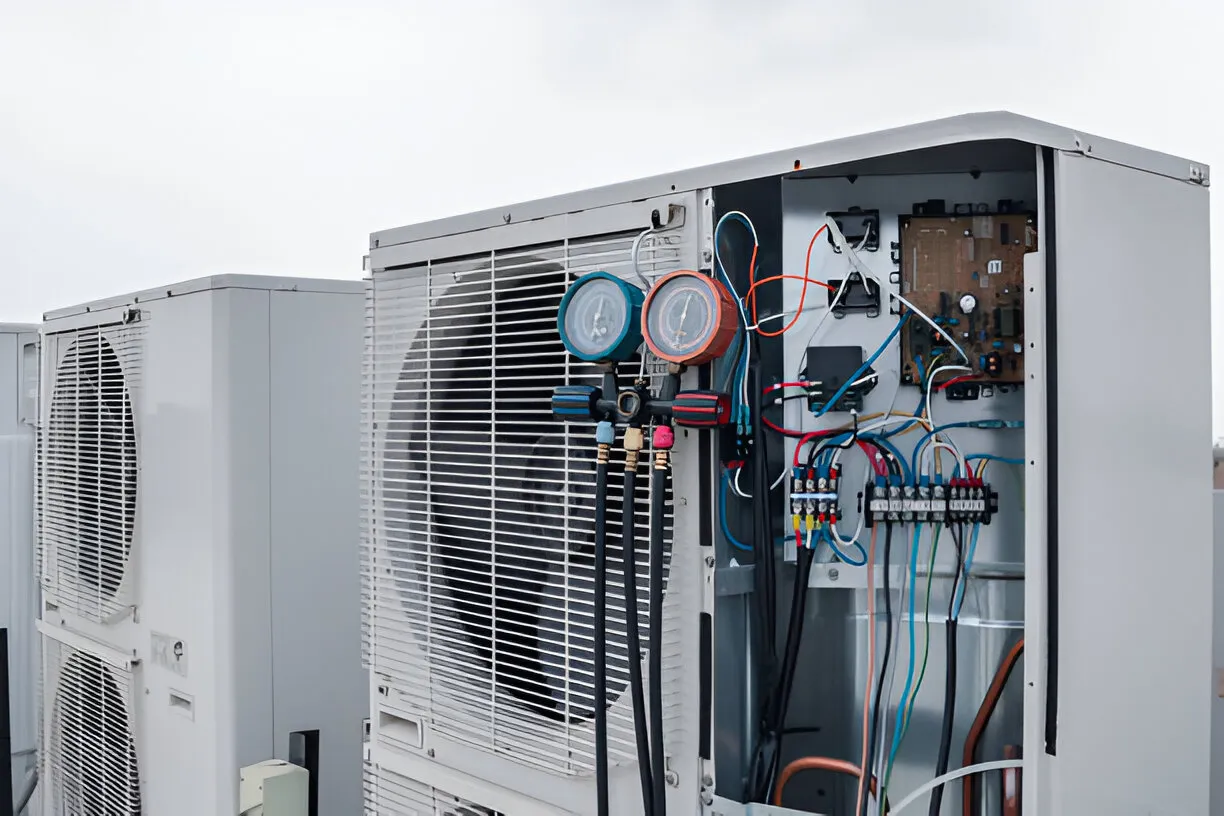
Why Linden, OH homeowners replace heat pumps
Common reasons homeowners in Linden consider replacement include:
- Age and reliability: Heat pumps older than 10 to 15 years typically lose efficiency and require more frequent repairs.
- Rising energy bills: Older or failing systems often use more electricity to maintain temperature.
- Insufficient heating in winter: Standard heat pumps can struggle in Ohio winters unless sized and selected for cold-climate performance.
- Refrigerant leaks or compressor failure: These can be signs that repair is no longer cost effective.
- Desire for better humidity control and quieter operation: Newer models with variable-speed compressors and advanced controls deliver improved comfort.
Common heat pump replacement issues in Linden, OH
- Undersized or oversized systems causing short cycling or inadequate comfort.
- Deteriorated ductwork or poor insulation increasing heat loss.
- Electrical panel limitations when upgrading to higher-efficiency equipment.
- Inadequate line set length or placement constraints for outdoor units in tight yards or snowy sites.
- Local weather impacts: freeze-thaw cycles, heavy snow loads on outdoor units, and high summer humidity influencing system selection and placement.
Comprehensive evaluation and right-sizing
A proper replacement starts with a thorough on-site evaluation:
- System evaluation: Inspect existing equipment, refrigerant lines, ductwork, electrical connections, thermostat, and condensate drains.
- Load calculations and right-sizing: Perform Manual J style load calculations to determine heating and cooling needs specific to the home. Right-sizing prevents short cycling, reduces wear, and optimizes efficiency.
- Ductwork assessment: Check for leaks, insulation levels, and airflow balance. Duct sealing or modifications are often recommended with a new system.
- Electrical review: Verify the electrical service and disconnects are adequate. Upgrades may be necessary to meet manufacturer requirements.
Choosing the right replacement system
Energy-efficient and durable choices for Linden include cold-climate heat pumps and variable-speed inverter models:
- Efficiency ratings: Compare SEER, HSPF, and cold-weather performance ratings. Higher ratings mean lower operating costs over time.
- Compressor type: Variable-speed compressors improve comfort and reduce energy use by modulating output to match demand.
- Backup heat: In colder climates, consider systems with integrated electric backup or hybrid options that pair with a gas furnace.
- Indoor unit compatibility: Evaluate air handlers and coil matches; some homes benefit from matched, single-manufacturer systems for warranty simplicity.
- Noise, size, and placement: Consider outdoor unit clearance, snow protection, and sound levels in a residential neighborhood.
Removal, disposal, and environmental compliance
Replacing a heat pump involves safe and compliant removal:
- Refrigerant recovery: Certified technicians recover refrigerant in accordance with federal and state environmental rules to prevent atmospheric release.
- Disposal of old equipment: Outdated units and components are disposed of per local regulations, with hazardous materials handled appropriately.
- Recycling: Where possible, metal and recyclable components are diverted from landfill.
Installation process and code compliance
A typical professional installation follows these steps:
- Final equipment selection and delivery scheduling.
- Disconnect and removal of old system, refrigerant recovery, and disposal.
- Prep work: duct modifications, pad or bracket installation, electrical upgrades.
- Installation of new outdoor and indoor units, and line set routing.
- System charge, startup, and performance testing (airflow, operating pressures, safety checks).
- Thermostat setup and homeowner guidance on operation and maintenance.Permits and inspections: Local building permits and inspections are often required in Linden to ensure installations meet mechanical, electrical, and safety codes. Professional installers coordinate permits and inspections to ensure code compliance.
Financing and rebate options
Replacing a heat pump can qualify for financial incentives that reduce upfront cost:
- Utility rebates: Local Ohio utilities and municipal programs often offer rebates for high-efficiency heat pumps or duct upgrades.
- State and federal incentives: Certain energy-efficiency tax credits or credits for qualifying systems may apply; eligibility varies by program year and equipment specifications.
- Financing: Many homeowners use home improvement financing or energy loan programs to spread payments over time.Homeowners should verify current incentive programs and documentation requirements before finalizing equipment choices.
Expected timelines
Project timelines vary by scope:
- Initial evaluation and load calculation: 1 to 3 business days, depending on scheduling.
- Permit processing: From a few days to a couple of weeks, depending on local agency workloads.
- Installation: A straightforward like-for-like replacement is often completed in 1 to 3 days. More complex jobs that require ductwork, electrical upgrades, or structural changes may take several days to a week.
- Final inspection: Scheduling for final inspection can add additional days to completion.
Warranty coverage and what to expect
Warranty types to review:
- Manufacturer parts warranty: Typical coverage ranges from 5 to 12 years on major components; some manufacturers offer extended parts warranties with product registration.
- Compressor warranty: Often longer than general parts coverage; check cold-climate compressor coverage.
- Labor warranty: Varies by installer; some installations include limited labor warranties for a specified period.Carefully read warranty documents for registration requirements, maintenance obligations, and transferability if you sell the home.
Long-term operating costs and maintenance guidance
To manage operating costs and preserve system life:
- Choose a unit with appropriate efficiency ratings for Linden climate to reduce winter heating and summer cooling costs.
- Regular maintenance: Schedule annual or bi-annual tune-ups for heating and cooling seasons to check refrigerant charge, clean coils, verify airflow, and test controls.
- Filters and airflow: Replace filters regularly and keep vents unobstructed to maintain efficiency.
- Thermostat and controls: Use programmable or smart thermostats to reduce runtime when the home is unoccupied.
- Duct sealing and insulation: Improving ductwork and home insulation reduces the load on the heat pump and lowers energy bills.Expected savings: Modern high-efficiency heat pumps can reduce energy consumption significantly compared with older systems, especially when paired with proper insulation and ductwork improvements. Exact savings depend on local energy rates, system efficiency, and household usage patterns.
Final thoughts on replacing a heat pump in Linden, OH
A well-planned heat pump replacement addresses current comfort issues, reduces long-term energy costs, and aligns with local climate challenges. Emphasizing accurate load calculations, proper right-sizing, compliance with permits and codes, and consideration of available incentives will help ensure a durable, efficient system tailored to Linden homes. Regular maintenance and careful operation will protect your investment and maintain comfort through Ohio winters and humid summers.
Hot Deals & Cool Savings

.webp)
New Service Agreement Membership
.webp)
Any New Client Service
Next Service for Referring a New Client
New Service Agreement Membership
Any New Client Service
Next Service for Referring a New Client
.webp)
.webp)

Service Areas
