
Heat Pump Repair in Blacklick, OH
Heat Pump Repair in Blacklick, OH, fast, reliable diagnostics, swift repairs, and clear estimates. Schedule your service today.

Heat Pump Repair Blacklick, OH
If your heat pump is underperforming, making unusual noises, cycling on and off, or failing to maintain comfort in your Blacklick, OH home, timely repair is essential. Blacklick experiences cold Ohio winters and humid summers, which place unique stresses on heat pumps.
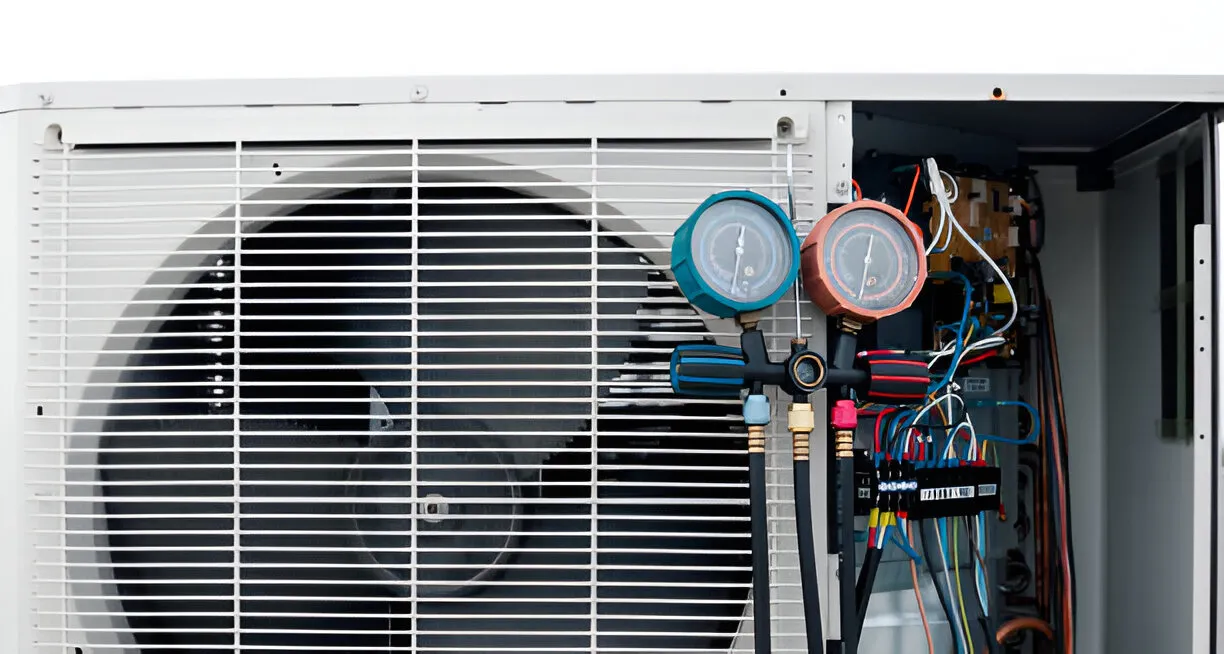
Why prompt heat pump repair matters in Blacklick, OH
Blacklick homes rely on steady heat during winter and efficient cooling in summer. A malfunctioning heat pump can raise energy use, create uneven comfort, and accelerate wear on components. Cold temperatures can cause defrosting or freezing problems on outdoor units, while humid summers increase load and can reveal airflow or refrigerant issues. Early repair preserves efficiency, prevents secondary damage to compressors and electrical components, and restores reliable comfort.
Common heat pump symptoms seen in Blacklick homes
- No heat or no cooling: The system runs but air is not warm or cool enough.
- Short cycling: Unit runs for a minute or two, then shuts off repeatedly.
- Strange noises: Grinding, buzzing, rattling, or hissing from indoor or outdoor units.
- Frost or ice buildup on outdoor coil: Visible icing even when system should be defrosting.
- Tripped breakers or blown fuses: Electrical faults causing power interruptions.
- High energy bills: Sudden increase in electric use without change in thermostat settings.
- Uneven heating or cooling: Some rooms are much hotter or colder than others.
- Weak airflow: Reduced air volume from vents indicating blower, filter, or duct problems.
Diagnostic procedures: what a technician will check
A systematic diagnostic process helps identify root causes rather than just symptoms. Typical steps include:
- Visual inspection: Outdoor unit, indoor air handler, visible wiring, filters, and thermostat.
- Thermostat verification: Confirm calibration, settings, and wiring integrity.
- Airflow assessment: Check filters, blower motor, return/supply vents, and duct restrictions.
- Electrical testing: Inspect capacitors, contactors, relays, fuses, breakers, and voltage to assess electrical health.
- Refrigerant check: Measure pressures and superheat/subcooling to detect leaks or incorrect charge.
- Compressor and reversing valve evaluation: Confirm proper cycling and operation in heat and cool modes.
- Defrost control and sensors: Test defrost cycle function and temperature sensors if frost is present.
- Leak detection and duct leakage testing where indicated: Identify refrigerant leaks or significant duct losses.
Diagnostics in Blacklick frequently include checking for frozen outdoor coils in winter and refrigerant leaks during shoulder seasons when temperatures are variable.
Typical repairs and parts replacement
Common repairs are focused on restoring proper refrigeration, airflow, and electrical operation:
- Refrigerant leak repair and recharge: Locate and repair leaks, then recharge to manufacturer charge.
- Capacitor replacement: Replace failing start or run capacitors that cause motors not to start or to hum.
- Contactor and relay replacement: Swap worn electrical switching components that cause intermittent operation.
- Fan or blower motor replacement: Resolve weak airflow or noisy operation by replacing motors or bearings.
- Compressor service or replacement: Repair or replace compressors showing signs of failure or seizing.
- Reversing valve or expansion device repair: Fix components that prevent switching between heat and cool modes.
- Thermostat or sensor replacement: Restore accurate system control and cycling.
- Controls and circuit board replacement: Address modern system failures with updated control components.
- Duct repairs and airflow balancing: Improve distribution and system efficiency when uneven comfort is present.
Parts are selected to match system models and local conditions. In Blacklick, technicians also consider corrosion-resistant hardware and weather protection for outdoor equipment exposed to freeze-thaw conditions and road treatments.
Repair timelines and what to expect
Repair timelines vary by diagnosis complexity and parts availability:
- Simple fixes: Thermostat adjustments, filter changes, capacitor or contactor swaps are often completed within a single visit.
- Moderate repairs: Refrigerant leak location and repair, blower motor replacements, and defrost control fixes generally take a day or two depending on parts.
- Major repairs: Compressor replacements or extensive refrigerant system overhauls can require longer lead times if special-order parts are needed.During any repair, expect a clear sequence: diagnosis, estimate, parts procurement (if required), repair work, and post-repair testing to confirm performance. In colder months, priority scheduling for systems that fail to provide heat is common in Blacklick due to demand.
Warranty and service guarantees
Heat pump repairs are typically covered by a combination of:
- Manufacturer parts warranties: Covers original equipment parts for a set period; remaining warranty varies by model and install date.
- Aftermarket or replacement part warranties: New parts installed often carry their own manufacturer warranty.
- Workmanship warranty: Local service providers commonly offer limited labor warranties for repairs they perform.When having a heat pump serviced, retain model numbers and warranty documentation. For older systems, some components may no longer be covered, and technicians will advise on viable repair options versus longer term replacement considerations.
Emergency versus routine repair visits and what to prepare
Emergency repairs are appropriate when the system is delivering no heat during cold weather, producing unsafe electrical smells, or showing signs of imminent failure (smoke, burning odor, or repeatedly tripping breakers). Routine repairs address persistent but non-emergency issues such as intermittent cycling, reduced efficiency, or noisy operation.
What to have ready for any visit:
- System model and serial numbers if available.
- Clear description of symptoms and when they started.
- Recent maintenance history and any parts recently replaced.
- Accessibility to indoor and outdoor units and clear area around outdoor unit to allow safe inspection.
Technicians in Blacklick will usually prioritize safety checks first, then address the most critical items to restore operation, followed by efficiency and longevity repairs.
Preventive maintenance and local tips for longer service life
Regular maintenance reduces the likelihood of emergency failures and extends efficiency:
- Seasonal filter checks and changes to maintain airflow.
- Annual or biannual tuneups before heating and cooling seasons to catch defrost, refrigerant, and electrical issues.
- Keep outdoor unit clear of debris, landscaping, and heavy snow or ice accumulation.
- Ensure proper thermostat calibration and consider programmable controls to reduce runtime.
- Address small issues early, such as unusual noises or modest increases in energy use, before they escalate.
Blacklick homeowners should also account for winter snow and ice management around outdoor units and consider protective covers that do not restrict airflow during operation.
Hot Deals & Cool Savings

.webp)
New Service Agreement Membership
.webp)
Any New Client Service
Next Service for Referring a New Client
New Service Agreement Membership
Any New Client Service
Next Service for Referring a New Client
.webp)
.webp)

Service Areas
