
Heat Pump Installation in Reynoldsburg, OH
Heat pump installation in Reynoldsburg, OH: expert consultation, precise sizing, permits, and post-install support for year-round comfort. Learn more.

Heat Pump Installation in Reynoldsburg, OH
Choosing the right heat pump and having it installed correctly is one of the most effective ways to lower energy bills and improve comfort year-round in Reynoldsburg, OH. With humid summers and cold winters, homes here benefit from heat pumps designed for both efficient cooling and reliable heating at lower outdoor temperatures.
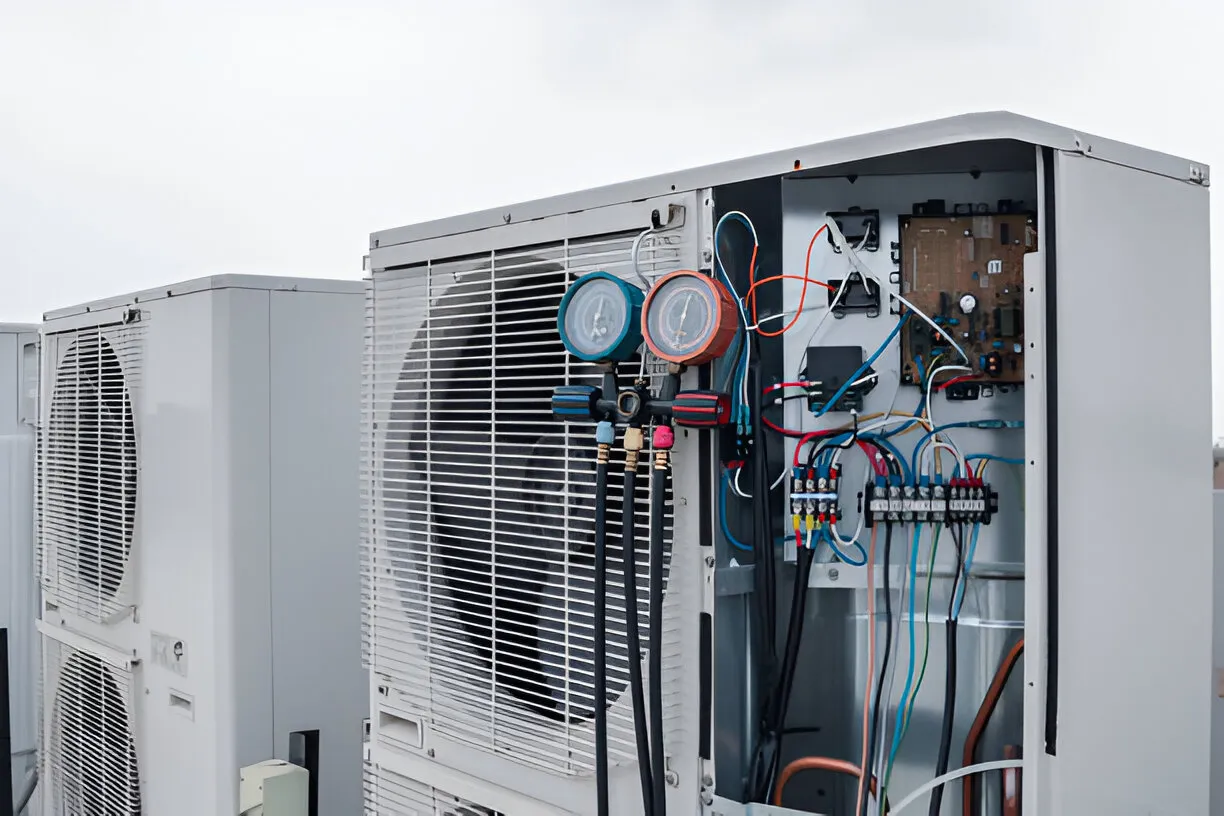
Why a heat pump makes sense in Reynoldsburg, OH
Reynoldsburg experiences hot, humid summers and winters that regularly dip below freezing. Modern heat pumps, especially cold-climate models, deliver efficient cooling in summer and maintain comfortable indoor temperatures in winter while using less electricity than many conventional electric-resistance systems. For many homes in Reynoldsburg, upgrading to a properly sized heat pump reduces HVAC costs, improves humidity control, and can integrate with existing ductwork or be installed as a ductless system where ducts are impractical.
Common heat pump types and common issues in Reynoldsburg homes
- Ducted split systems: Best for homes with existing ductwork. Common local issues: leaky or undersized ducts, uneven airflow, and insufficient insulation.
- Ductless mini-splits: Good for additions, older homes without ducts, or room-by-room control. Common local issues: improper placement of indoor units and undersized line sets.
- Cold-climate heat pumps: Designed to perform efficiently in below-freezing temperatures. Common local issues: lack of backup heat or inadequate defrost controls if the unit is undersized.
Common heat pump problems seen in the region include poor performance in extreme cold (when systems are undersized), high indoor humidity during late-summer heat, and lower efficiency from old or unsealed ductwork. Correct sizing and installation address most of these issues.
How we assess your home - consultation and load sizing
A reliable installation begins with a thorough consultation and site evaluation. Typical steps:
- Review of your home layout, insulation levels, window types, and existing heating/cooling equipment.
- Interior and exterior measurements and assessment of available mounting locations for outdoor and indoor units.
- Calculation of heating and cooling demand using a Manual J load calculation to determine the correct capacity and avoid oversizing or undersizing.
- Evaluation of ductwork condition (if applicable) or discussion of ductless options and recommended indoor unit placements.
Accurate load sizing is essential in Reynoldsburg where seasonal temperature swings require both adequate cooling capacity and the ability to sustain heat on cold days.
Recommended equipment options for local climate
For Reynoldsburg homes, technicians typically recommend:
- Cold-climate heat pumps with high HSPF and good low-temperature performance for reliable winter heating.
- Systems with variable-speed compressors and ECM blower motors for improved comfort and efficiency in humid summers.
- Ductless mini-splits for rooms without ductwork or for supplemental heating in basements and additions.
- Properly sized line sets, condensate drainage, and high-efficiency air handlers to match the outdoor unit.
Technicians will also consider refrigerant type and local code compliance when specifying equipment. Energy efficiency ratings (SEER for cooling and HSPF for heating) and sound levels are reviewed to align performance with comfort priorities.
Installation procedures (what to expect)
Professional installations follow a clear sequence to ensure safety and peak performance:
- Pre-install site preparation: confirming clearances, electrical capacity, and mounting locations.
- Mounting and securing the outdoor condenser and indoor air handler(s) or duct connections.
- Ductwork adjustments or sealing and insulation where needed to minimize energy loss.
- Electrical integration: installing disconnects, circuit breakers, and ensuring the panel can support the new system.
- Refrigerant connections and line-set routing, followed by vacuuming the system to remove moisture and air.
- Refrigerant charging to manufacturer specifications and balancing airflow through vents or indoor units.
- Thermostat wiring and controls integration, including smart thermostat options if requested.
Every step follows manufacturer guidelines and local codes to maintain warranty validity and system longevity.
Testing, commissioning, permits and inspections
After physical installation, technicians perform a structured commissioning process:
- Pressure and leak tests, superheat/subcooling checks, and airflow measurements.
- Functional tests of defrost cycles, reversing valves, and auxiliary heat operation.
- Indoor temperature and humidity verification under load conditions.
- Documentation of system settings and handoff information for homeowners.
Installers should handle permit submittal and coordinate any required municipal inspections in Reynoldsburg. Proper permitting ensures the installation meets city and state safety standards and preserves eligibility for manufacturer warranties and potential local incentives or utility rebates.
Warranty, post-installation support and maintenance
Manufacturer warranties typically cover compressors and sealed components for multiple years, while labor warranties vary by installer. Professional installers will outline:
- Manufacturer warranty durations and what they cover.
- Installer labor warranty for workmanship.
- Recommended maintenance schedule: seasonal filter changes, annual tune-ups before cooling and heating seasons, and periodic checks of refrigerant charge and electrical connections.
Post-installation support commonly includes a commissioning report, system operation walkthrough, and options for annual maintenance agreements to keep the system efficient and extend service life.
Typical timelines and cost considerations in Reynoldsburg
- Timeline: Most straightforward replacements or new installations take 1 to 3 days. Complex installs involving major ductwork, electrical service upgrades, or multiple indoor units may require up to 1 to 2 weeks from start to finish, including permit approvals.
- Cost factors: Equipment type (ducted vs ductless), capacity, efficiency rating, necessary duct repairs or replacement, electrical panel upgrades, and accessibility of installation locations all influence final costs. Additional costs can arise from required permits and inspection fees.
While exact pricing varies, homeowners should plan for a range depending on system scope and home specifics. Knowing the factors that drive cost helps prioritize upgrades that deliver the best return on investment in Reynoldsburg’s climate.
Long-term benefits and maintenance advice
A properly sized and installed heat pump brings:
- Year-round comfort with efficient heating and cooling.
- Better humidity control in humid summers.
- Lower operating costs compared with many older electric or fossil-fuel systems.
- Reduced maintenance headaches when routine service is performed.
For lasting performance in Reynoldsburg, maintain proper insulation and duct sealing, change filters regularly, and schedule annual professional tune-ups before peak cooling and heating seasons.
This overview outlines what to expect from professional heat pump installation in Reynoldsburg, OH, and highlights the technical and local considerations that ensure reliable comfort and efficiency throughout the year.
Hot Deals & Cool Savings

.webp)
New Service Agreement Membership
.webp)
Any New Client Service
Next Service for Referring a New Client
New Service Agreement Membership
Any New Client Service
Next Service for Referring a New Client
.webp)
.webp)

Service Areas
