
Heat Pump Installation in Hilliard, OH
Professional heat pump installation in Hilliard, OH. Learn about site assessment, sizing, permits, and commissioning for year-round comfort.

Heat Pump Installation in Hilliard, OH
Installing a heat pump in your Hilliard, OH home is a high-impact decision for year-round comfort and energy efficiency. With cold Ohio winters and humid summers, properly selected and professionally installed heat pumps provide reliable heating, cooling, and improved indoor humidity control.
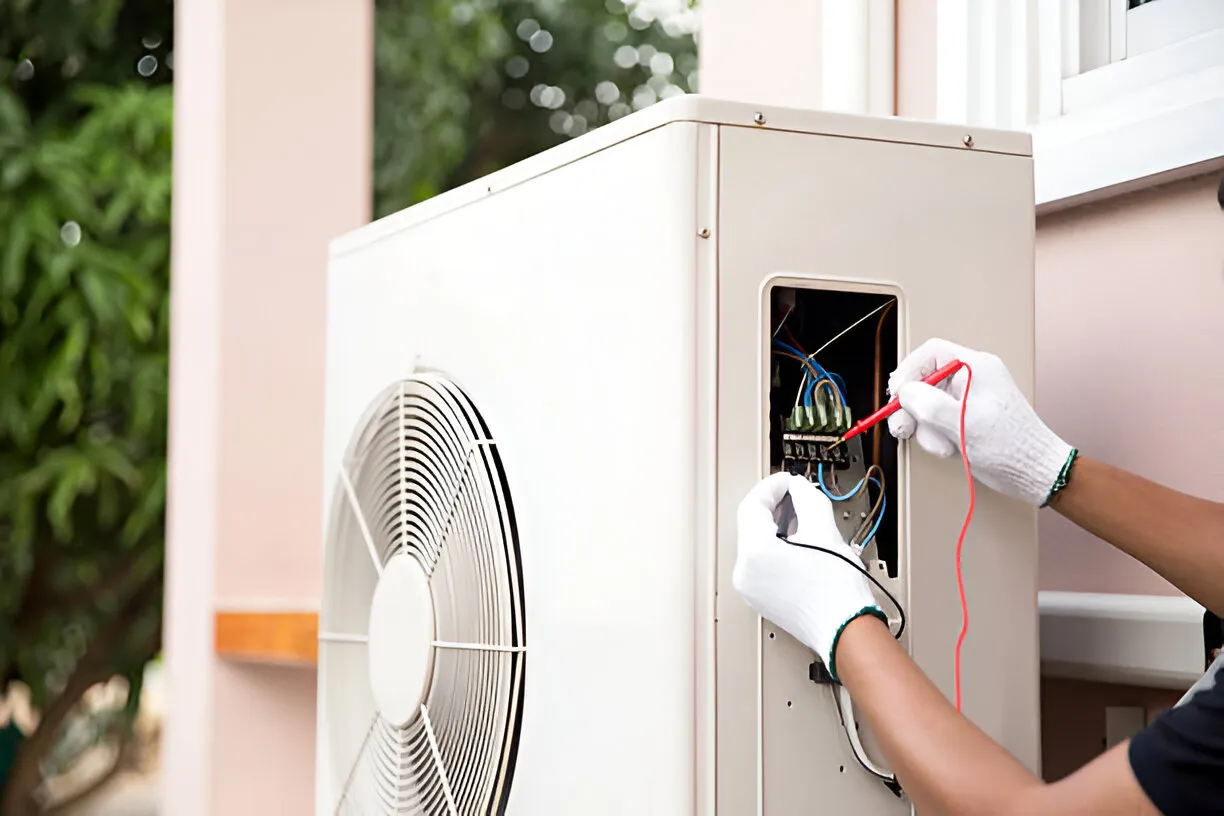
Why correct installation matters for Hilliard, OH homes
Hilliard experiences temperatures that require equipment to perform well in both subfreezing and humid summer conditions. Poor sizing, incorrect refrigerant charge, or inadequate airflow can lead to reduced comfort, shorter equipment life, and higher utility bills. A correctly executed installation optimizes system efficiency, reduces defrost cycle issues in winter, and ensures consistent cooling in summer.
Common heat pump types and common issues in Hilliard
- Air-source heat pumps (standard and cold-climate models)
- Ductless mini-split systems for room-level control
- Hybrid systems paired with existing furnaces
- Geothermal systems for highest efficiency where feasible
Common problems that professional installation prevents:
- Incorrect capacity leading to short cycling or insufficient heat
- Inadequate refrigerant charge or improper vacuuming
- Poor ductwork airflow or poorly matched indoor coils
- Electrical supply or capacity issues
- Inadequate clearance or improper outdoor unit siting causing ice and airflow problems
Initial site assessment: what professionals inspect
A detailed site assessment establishes a baseline for correct equipment selection and installation:
- Home load calculation (Manual J style) to determine accurate heating and cooling capacity needs
- Ductwork inspection: sizing, leaks, insulation, register placement, and airflow balancing
- Electrical panel capacity and breaker sizing for the new heat pump
- Location for outdoor unit: noise, clearance, sun exposure, frost runoff, and access for service
- Indoor unit placement and line set routing for ducted or ductless systems
- Insulation levels, window efficiency, and existing ventilation that affect system performance
- Local climate considerations including average winter low temperatures and humidity patterns
Equipment selection and sizing
Selecting the right heat pump is about more than brand. Key selection factors:
- Capacity matched to calculated load, not rule-of-thumb sizing
- Cold-climate performance ratings for reliable heating below freezing
- Efficiency ratings: SEER (cooling) and HSPF/COP (heating). Higher ratings usually mean lower operating costs
- Variable-speed inverter compressors for better comfort and dehumidification
- Matched indoor coil and blower assembly for ducted systems to ensure efficient heat transfer
- Proper refrigerant type and line set length considerations
Oversizing can cause short cycling and poor humidity control; undersizing will fail to meet comfort expectations on the coldest days. Professionals perform a detailed sizing calculation and recommend equipment that balances runtime, efficiency, and initial cost.
Permits and code considerations in Hilliard, OH
Residential mechanical and electrical permits are typically required for heat pump installations in Hilliard and Franklin County. Professional installers:
- Pull necessary permits and schedule inspections
- Ensure work complies with local building and mechanical codes
- Follow refrigerant handling regulations and EPA 608 certification requirements
- Meet electrical code for disconnects, breakers, and wiring
Adhering to code helps avoid inspection rejections, unsafe installations, and future issues when selling the home.
Step-by-step installation workflow
A professional installation follows a consistent, documented process:
- Finalize equipment selection and obtain permits
- Prepare site and protect floors, landscaping, and finished surfaces
- Remove existing equipment (if applicable) and prepare drain and electrical locations
- Install outdoor unit on a level pad with proper clearance and vibration isolation
- Install indoor unit(s) or connect to existing ductwork, including any necessary duct modifications
- Run refrigerant lines, electrical wiring, and condensate drains with proper supports and insulation
- Evacuate lines to required vacuum level and check for leaks using pressure testing
- Charge the system with correct refrigerant and adjust for line length and manufacturer specs
- Program controls and thermostats, set staging and defrost parameters for cold weather
- Perform airflow balancing and final electrical connections
- Clean job site and prepare documentation
Testing and commissioning procedures
Commissioning confirms the system performs to specifications and includes:
- Electrical checks: voltage, current draw, breaker sizing, and safety device operation
- Vacuum and leak check with documented pressure and hold times
- Accurate refrigerant charge and measure of superheat/subcooling where applicable
- Airflow measurement across the coil and static pressure checks
- Temperature split verification and delivered capacity checks
- Confirm defrost sequence performance for cold-weather reliability
- System safety tests and thermostat calibration
- Demonstration of system functions and controls
Technicians document results and address any discrepancies before handing over the system.
Warranty, documentation, and handover
At handover homeowners should receive:
- Manufacturer warranty details and registration instructions
- Installer workmanship warranty documentation
- Equipment manuals, wiring diagrams, and schematic labels
- A recorded commissioning report with measured values
- Recommended maintenance schedule and parts filter typesProviding this documentation protects warranty coverage and helps future service remain efficient.
Post-installation support and maintenance recommendations
Regular maintenance preserves efficiency and reduces repair risk:
- Change or clean filters every 1 to 3 months depending on use and filter type
- Annual or biannual tune-ups before cooling and heating seasons: clean coils, inspect refrigerant levels, check defrost operation, tighten electrical connections, and verify controls
- Keep outdoor unit clear of debris, snow, and vegetation; maintain 2 to 3 feet of clearance
- Monitor for unusual noises, reduced capacity, or frequent cycling and address promptly
- Seal and insulate ducts where leaks or cold spots are found to improve system performance
Because Hilliard experiences cold snaps, schedule a fall inspection to confirm defrost and low-temperature operation before winter.
Benefits and decision considerations for Hilliard homeowners
A professionally installed heat pump can deliver:
- Lower overall energy costs compared with older electric resistance or inefficient systems
- Year-round heating and cooling with improved humidity control
- Quieter operation and reduced maintenance compared to some traditional systems
- Reduced carbon footprint when paired with high-efficiency equipment
When choosing replacement or new installation, prioritize accurate load calculations, cold-climate performance, and a certified installer who documents permitting and commissioning. Timely, professional installation ensures your heat pump meets the demands of Hilliard winters and summers while protecting comfort, reliability, and long-term value.
Hot Deals & Cool Savings

.webp)
New Service Agreement Membership
.webp)
Any New Client Service
Next Service for Referring a New Client
New Service Agreement Membership
Any New Client Service
Next Service for Referring a New Client
.webp)
.webp)

Service Areas
