
Heat Pump Installation in German Village, OH
Heat pump installation in German Village, OH is explained, including site assessment, timelines, costs, and warranty options. Schedule your installation today.

Heat Pump Installation in German Village, OH
Upgrading to a modern heat pump can dramatically improve comfort, reduce energy use, and lower long-term heating and cooling costs in German Village, OH homes. Heat pump installation in German Village, OH requires attention to the neighborhood’s historic building stock, compact lot lines, and the region’s hot, humid summers and cold winters.
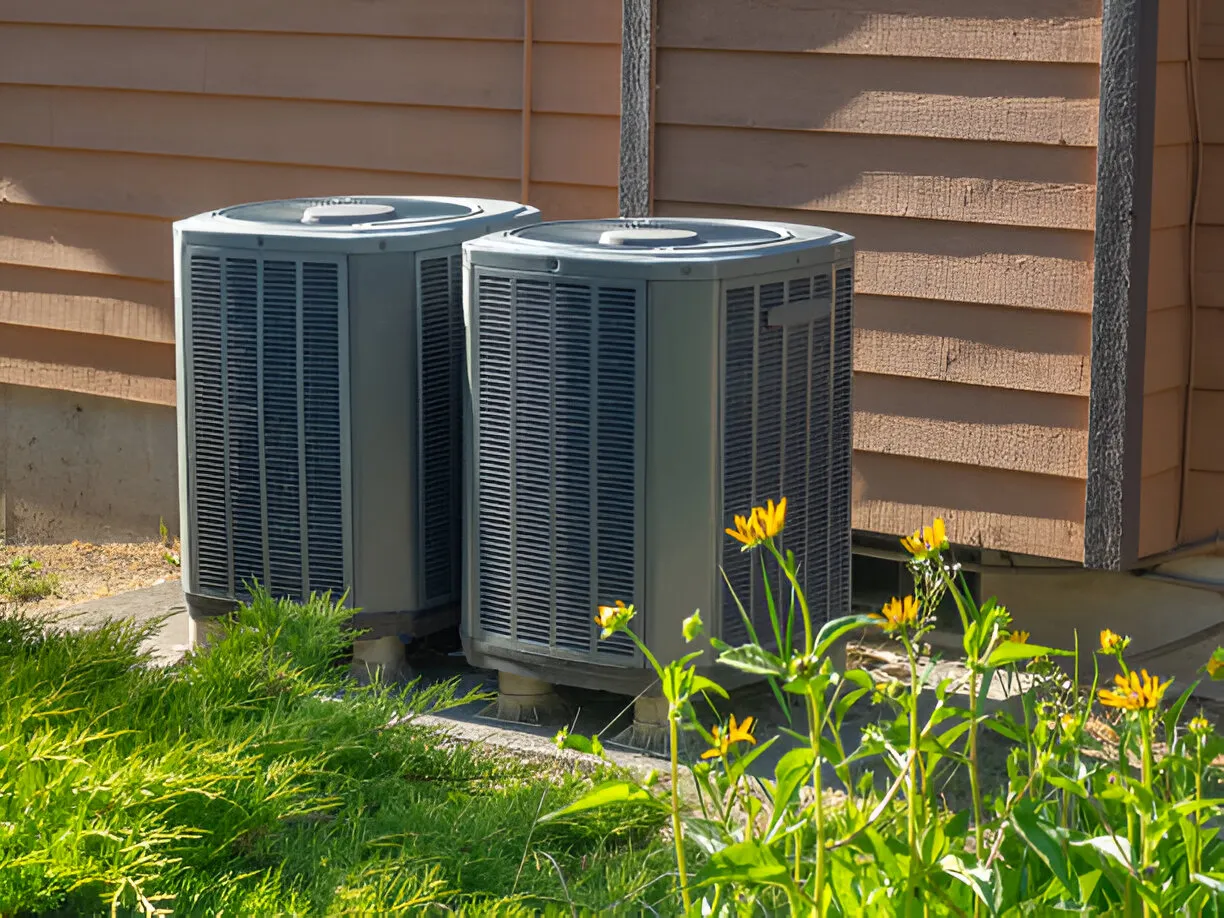
Why a heat pump makes sense in German Village homes
German Village sees four distinct seasons: humid summers, chilly winters, and freeze-thaw cycles. Modern cold-climate heat pumps and variable-speed inverter systems perform well across this range, providing efficient cooling in summer and reliable heating in winter. For older rowhouses and historic properties, heat pumps offer flexible options—ductless mini-splits, low-profile ducted systems, or hybrid solutions—that minimize invasive ductwork and preserve interior and exterior aesthetics common to the district.
Common heat pump types and issues for local homeowners
- Air-source heat pumps (ducted): Good for homes with existing ductwork that is in reasonable condition. Common issues include underperforming ducts and airflow imbalances.
- Ductless mini-splits: Ideal for homes without ducts or for room-by-room zoning. Common concerns are placement and visibility of indoor units in historic interiors.
- Hybrid systems (heat pump + furnace): Combine a heat pump for moderate conditions with a furnace backup for the coldest days—useful in neighborhoods with variable winter temperatures.
- Ground-source (geothermal): Highly efficient but typically requires more space and excavation, which can be challenging in tightly spaced lots.
Typical local problems that drive replacement include system age, rising heating bills, uneven room temperatures, noisy outdoor equipment, and homes undergoing renovation that need a modern, efficient HVAC solution.
Site assessment and equipment selection
A professional site assessment is the foundation of a successful heat pump installation in German Village, OH. The assessment should include:
- A load calculation (Manual J) to size the heat pump to your home’s actual heating and cooling needs.
- Inspection of existing ductwork, wall cavities, and attic space to determine whether ducted or ductless solutions are best.
- Electrical panel review to confirm sufficient capacity and identify needed upgrades.
- Exterior placement options considering limited yard space, sightlines in the historic district, and local noise considerations.
- Discussion of ventilation, insulation levels, and any structural constraints common in older German Village homes.
Equipment selection is guided by the load calculation, your comfort goals, zoning preferences, and aesthetic priorities. For German Village, many homeowners choose cold-climate air-source heat pumps or zoned mini-splits to balance efficiency and minimal visual impact.
Detailed installation steps and timeline — what homeowners should expect
Typical installation stages for a standard air-source or ductless heat pump system:
- Pre-install planning and permitting: finalize equipment, route lines, and secure any required permits and historic district approvals if applicable.
- Site preparation: protect floors and furnishings inside the home; prepare the exterior for outdoor unit placement.
- Removal and disposal of old equipment (if replacing): disconnect, remove, and responsibly dispose of the existing system.
- Installation of outdoor unit and indoor air handler(s) or wall-mounted units: mount and secure units, run refrigerant lines, condensate drain, and electrical connections.
- System integration: connect the thermostat or control interface, integrate with existing ductwork if applicable, and install any necessary electrical upgrades.
- Start-up and commissioning: charge refrigerant, balance airflow, and verify operation across heating and cooling modes.
Timeline expectations:
- Simple ductless multi-zone installations often complete in one to two days.
- Ducted replacements or full-system swaps typically take two to five days depending on duct repairs or modifications.
- Projects requiring permits, electrical upgrades, or historic approvals can extend the overall project timeline by days to weeks.
During installation expect moderate noise from tools and the outdoor unit placement activity, temporary interruption of heating or cooling, and crews working in living areas. Professionals should use dust protection and leave the site clean each day.
Post-installation testing and commissioning
Proper commissioning ensures the system performs to specification. Key checks include:
- Refrigerant charge and pressure validation.
- Airflow measurements and duct balancing where applicable.
- Thermostat calibration and zone operation verification.
- Electrical safety checks and verification of wiring and breaker sizing.
- Safety features and condensate drainage operation.
- Demonstration to the homeowner on system controls, filtration requirements, and seasonal modes.
You should receive documentation of equipment settings, serial numbers, final load calculations, and maintenance recommendations at handover.
Warranty and maintenance options
Manufacturers typically provide component warranties for compressors and major parts, while installers commonly offer labor warranties for the installation work. For German Village homes, confirm warranty terms related to outdoor unit placement and any accessory components used to meet historic guidelines.
Recommended maintenance for longevity and efficiency:
- Annual professional tune-up with refrigerant leak inspection, coil cleaning, and airflow checks.
- Regular filter replacement or cleaning on a quarterly or as-needed basis.
- Seasonal checks of condensate drains and outdoor unit clearance, especially after heavy leaf fall or snow.
- Prompt attention to unusual noises, odors, or performance drops to protect warranty coverage.
Maintenance plans that include annual inspections and priority service can preserve system efficiency and extend equipment life.
How cost estimates are determined (what impacts your final price)
Rather than fixed prices, installers base estimates on factors specific to your German Village home:
- System type and capacity required from the load calculation.
- Number of zones and indoor unit types (ducted vs ductless).
- Condition and complexity of existing ductwork or the need for new ducts.
- Electrical panel upgrades and the distance/complexity of refrigerant line runs.
- Site-specific constraints like limited exterior space, historic district requirements, or need for concealment and custom mounting.
- Permitting, inspections, and any required structural work or insulation improvements.
A thorough on-site assessment is the only way to produce an accurate cost estimate tailored to your home’s needs and constraints.
Final considerations and expected benefits
A correctly specified and professionally installed heat pump provides quieter, more consistent comfort, improved indoor air quality, and meaningful energy efficiency gains for German Village homes. With appropriate attention to historic preservation, site placement, and ongoing maintenance, a heat pump installation can be a durable, low-maintenance upgrade that aligns with both the architectural character of the neighborhood and modern comfort expectations. Regular commissioning, seasonal maintenance, and thoughtful system selection will help ensure reliable performance for years to come.
Hot Deals & Cool Savings

.webp)
New Service Agreement Membership
.webp)
Any New Client Service
Next Service for Referring a New Client
New Service Agreement Membership
Any New Client Service
Next Service for Referring a New Client
.webp)
.webp)

Service Areas
