
Heat Pump Installation in Gahanna, OH
Professional heat pump installation in Gahanna, OH ensures efficient heating and cooling. Learn more about the process, timelines, and available incentives.

Heat Pump Installation in Gahanna, OH
Installing a heat pump in Gahanna, OH is a high-value upgrade for year-round comfort and energy savings. With hot, humid summers and cold Ohio winters, properly sized and installed heat pumps provide efficient cooling and reliable heating while lowering utility bills compared with older electric resistance or aging fossil fuel systems.
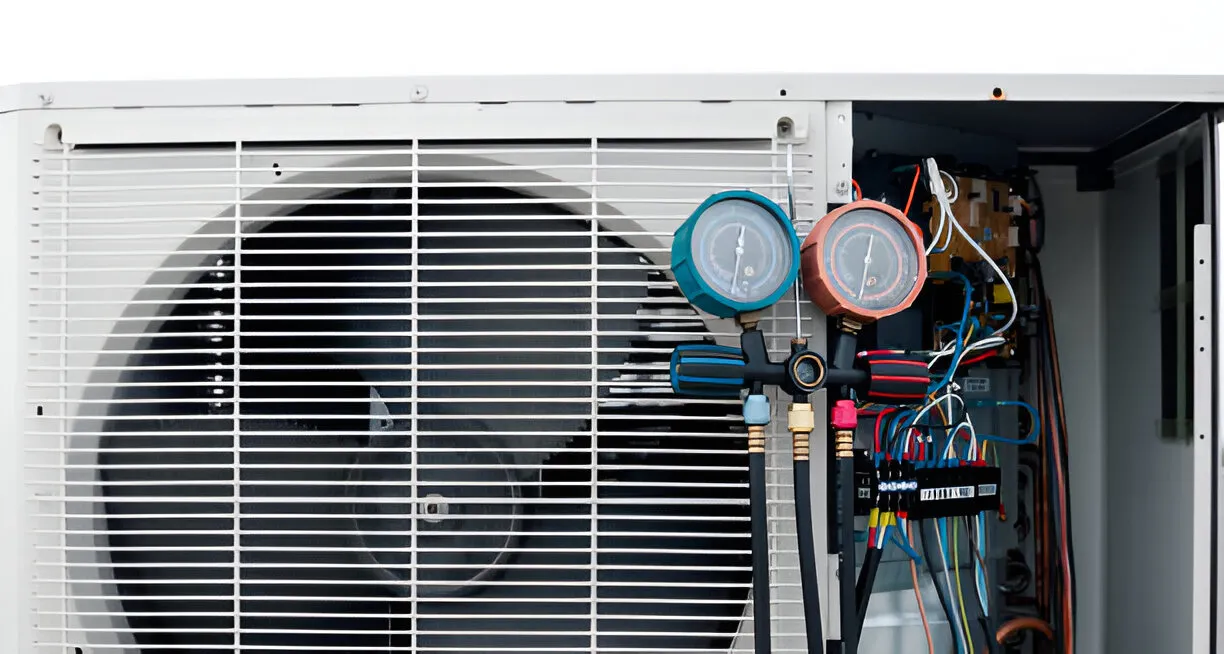
Why a professional heat pump installation matters in Gahanna
Gahanna’s seasonal climate puts specific demands on heat pump performance: the system must deliver efficient cooling during humid summer months and maintain capacity for heating during below-freezing winter periods. Many local homes also have older ductwork, mixed HVAC histories, or limited outdoor space, all of which affect system selection and installation approach. A professional installation minimizes common problems like short cycling, insufficient heating capacity, high energy use, and premature equipment failure.
Common heat pump types and which suits Gahanna homes
- Air-source heat pumps: The most common option. Modern cold-climate air-source models perform well through Ohio winters and offer excellent seasonal efficiency for both heating and cooling. Ideal for homes with existing ductwork in good condition.
- Ductless mini-splits: Best for homes without ducts, finished basements, additions, or rooms needing zoned temperature control. Installation is less invasive and effective for targeted comfort in older Gahanna homes.
- Geothermal (ground-source) heat pumps: Extremely efficient and durable, geothermal systems use stable ground temperatures. They require yard space or drilling for loops and have higher upfront cost but strong long-term savings—suitable for larger lots common in suburban Gahanna.
Typical problems addressed during installation in Gahanna
- Undersized or oversized equipment based on the home’s heat loss and gain
- Deteriorated or leaky ductwork reducing system efficiency
- Improper refrigerant charge or airflow leading to poor heating performance in cold weather
- Poor thermostat compatibility or lack of zoning for multi-level homes
- Inadequate outdoor clearances or vibration isolation in small yards
Site assessment and load calculations
A thorough site assessment is the first step. A qualified installer will:
- Inspect existing ductwork, insulation levels, windows, and the building envelope
- Check electrical service capacity and panel space for new equipment requirements
- Perform a Manual J load calculation (or equivalent) to determine accurate heating and cooling loads
- Recommend ductwork repairs or zoning options if needed
The Manual J calculation is essential: it prevents undersizing that leaves your home cold in winter or oversizing that causes short cycling and higher operating costs.
System selection and design
System selection balances performance, budget, and home constraints. Your installer will evaluate:
- Efficiency ratings (SEER and HSPF for air-source; COP for geothermal)
- Cold-climate performance specifications for reliable winter operation
- Indoor unit types (air handler vs. ductless heads) and zoning needs
- Duct modification or replacement needs for optimal airflow
- Noise and placement considerations for outdoor units in compact Gahanna yards
Recommendations will include options (air-source, ductless, geothermal), expected efficiency gains, and a plan for any necessary duct or electrical upgrades.
Professional installation steps
- Finalize equipment specification and obtain permits required by local and county codes.
- Prepare the installation area: level pad for outdoor unit, route refrigerant lines, and make duct or indoor unit preparations.
- Install indoor and outdoor components, including secure mounting, refrigerant piping, electrical connections, and drainage.
- Evacuate and charge the refrigerant system to manufacturer specifications.
- Configure and integrate the thermostat, controls, and any zoning dampers.
Installers follow manufacturer guidelines and industry best practices to ensure longevity and performance.
Code compliance and permits
Heat pump installations in Gahanna must comply with local building codes and Franklin County permit requirements. Common permit items include electrical upgrades, refrigerant handling, and HVAC replacement permits. Proper documentation ensures inspections are passed and that systems meet safety and energy code requirements.
Post-install commissioning and testing
Commissioning is a critical step that separates a competent installation from an average one. It includes:
- Verifying refrigerant charge and correct superheat/subcooling
- Measuring supply and return temperatures and airflow
- Confirming electrical loads and safe wiring
- Testing defrost cycles and cold-weather performance
- Calibrating thermostats and verifying zoning operation
Detailed commissioning ensures the system runs as intended from day one and maximizes efficiency during Gahanna’s seasonal extremes.
Expected timelines
- Site assessment and load calculation: 1 day to 1 week, depending on scheduling
- Permits and approvals: typically 1 to 3 weeks, depending on local backlog
- Installation: 1 to 3 days for most air-source or ductless systems; 3 to 7 days for larger or complex jobs
- Geothermal loop installation: additional days to weeks depending on drilling or trenching requirements
- Final commissioning and handover: same day as installation completion or within a few days
Timelines vary by project complexity, permit turnaround, and seasonal demand.
Warranty coverage and service expectations
Typical protections include:
- Manufacturer warranties on compressors and major components (vary by brand and model)
- Parts warranties covering other system elements
- Installer labor warranty covering workmanship for a defined period
Warranty durations and terms vary; confirm what is included for both parts and labor, and whether routine maintenance requirements affect coverage.
Incentives, rebates, and financing
Homeowners in Gahanna may qualify for federal tax credits, state energy programs, and local utility rebates that reduce net installation cost. Incentives often apply to high-efficiency heat pumps and qualifying installations. Financing options are commonly available through specialized lenders or environment-focused programs that spread upfront costs over time. Verify current program availability and eligibility based on system type and efficiency.
Maintenance and long-term benefits
- Schedule annual maintenance: clean coils, check refrigerant, verify electrical components, and test controls
- Replace filters regularly and maintain outdoor unit clearances
- Properly maintained heat pumps in Gahanna can deliver substantial energy savings, improved comfort, reduced carbon footprint, and reliable performance across seasonal extremes
A correctly specified and professionally installed heat pump delivers dependable heating in cold winters and efficient cooling in humid summers while maximizing lifecycle value.
Hot Deals & Cool Savings

.webp)
New Service Agreement Membership
.webp)
Any New Client Service
Next Service for Referring a New Client
New Service Agreement Membership
Any New Client Service
Next Service for Referring a New Client
.webp)
.webp)

Service Areas
