
Heat Pump Installation in Brice, OH
Heat pump installation Brice, OH delivers precise sizing, efficient performance, and professional commissioning with lasting comfort. Learn more today.

Heat Pump Installation in Brice, OH
An efficient, correctly sized heat pump is one of the best ways to reduce winter heating costs and improve year-round comfort in Brice, OH homes. Heat Pump Installation in Brice, OH covers full-service planning and execution: from the initial consultation and load calculations to commissioning, homeowner orientation, and long-term support.
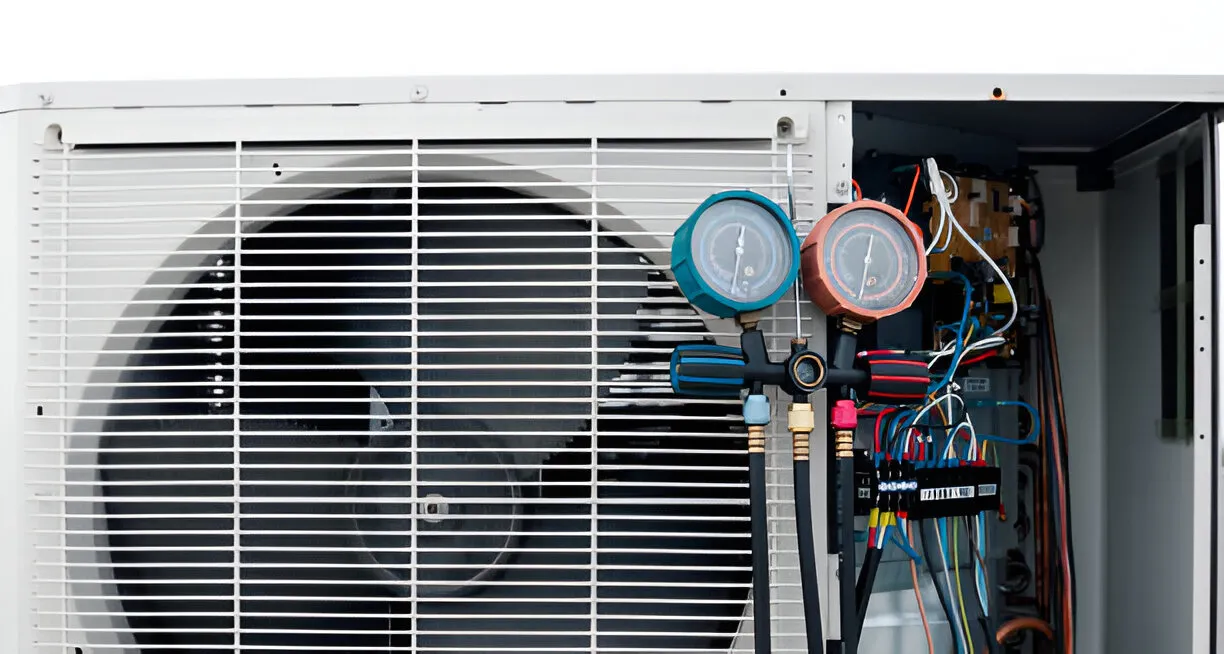
Why a professional heat pump installation matters in Brice, OH
Brice sits in a climate with cold winters and humid summers. That combination creates two requirements for successful heat pump performance:
- Reliable cold-weather capacity for January heating loads
- Good dehumidification and cooling efficiency in summer
A professional installation that includes accurate load calculations, proper system sizing, and selection of a low-temperature capable model ensures the heat pump will meet both heating and cooling needs without short cycling, excessive running time, or high energy bills.
Common heat pump types and what works best locally
- Ducted air-source heat pumps: Typical choice for homes with existing ductwork. Modern cold-climate air-source models handle Ohio winters better than older units.
- Ductless mini-splits: Ideal for room additions, older houses without ducts, or to provide zoning. They offer high efficiency and targeted comfort.
- Geothermal (ground-source) heat pumps: Extremely efficient long-term, particularly for homeowners planning a lasting investment and lower operating costs, but with higher upfront site work.
Choosing between these depends on your house layout, budget, and long-term goals. A professional evaluation in Brice will recommend the best option and explain tradeoffs.
Initial consultation and load calculations
A thorough installation begins with an on-site consultation and a Manual J style load calculation. Key steps:
- Inspect insulation levels, window types, orientation, and air leakage
- Measure conditioned square footage and analyze room-by-room loads
- Consider local climate data and the home’s historical energy useAccurate load calculation prevents undersizing (leading to insufficient heat) and oversizing (short cycles and reduced humidity control), both common problems in improperly designed systems.
System sizing and model selection
Selection is based on load results and homeowner priorities:
- Efficiency ratings (SEER for cooling, HSPF or HSPF2 for heating)
- Cold-climate performance and low-ambient heating capacity
- Noise levels, modulation (variable-speed compressors), and zoning options
- Ducted versus ductless configurationsProper model selection in Brice emphasizes units with reliable low-ambient heating performance and good coefficient of performance in Ohio winters.
Site preparation and permitting
Professional site prep includes:
- Locating outdoor units away from heavy snow drifts, roof run-off, and excessive shade that can cause icing
- Ensuring adequate clearance for airflow and maintenance access
- Preparing mounting pads, vibration isolation, and secure roof or ground mounts as needed
- For ground-source systems, evaluating yard space and soil conditions for loops
Permits and inspections: installations must comply with local codes. Coordinating permits with the Village of Brice and Franklin County inspectors avoids delays and ensures compliance with electrical, mechanical, and refrigerant handling regulations.
Professional installation steps
A high-quality installation follows a clear sequence:
- Protect the work area and coordinate access to attic, crawlspace, or mechanical rooms
- Install indoor and outdoor components, set up refrigerant lines, condensate drains, and electrical connections
- Properly size and tie into ductwork or mount indoor heads for mini-splits, sealing and insulating connections
- Evacuate and test refrigerant lines, charge the system per manufacturer specs, and verify correct airflow and static pressure
- Install and configure controls and thermostats, including zoning or smart controls if specified
Technicians must use calibrated tools and follow manufacturer procedures to preserve performance and warranty coverage.
Commissioning, testing, and homeowner orientation
Commissioning validates the system operates as intended:
- Measure superheat/subcooling and refrigerant charge
- Verify airflow, supply and return temperatures, and electrical performance
- Run both heating and cooling cycles and simulate defrost operation
Homeowner orientation covers:
- How to use the thermostat and any zoning or app-based controls
- Normal sounds and expected seasonal behavior, including defrost cycles
- Filter access and replacement schedule, and simple troubleshooting tips (reset procedures, what lights mean)A clear orientation reduces unnecessary service calls and helps homeowners maintain efficiency.
Permits, inspections, warranties, and documentation
Installations include:
- Submission and coordination of required permits and inspection scheduling with Brice and Franklin County officials
- Documentation of model numbers, serial numbers, refrigerant type and charge, and commissioning results
- Explanation of manufacturer warranties (parts and compressor) versus workmanship guarantees, and how to register equipment for full warranty benefits
Proper documentation is essential to validate warranty claims and future service.
Post-installation support and typical warranty considerations
Post-installation support usually includes:
- Short-term check-ins to confirm system performance after seasonal changes
- Options for maintenance plans that include annual tune-ups, filter replacement reminders, and priority serviceWarranty notes:
- Manufacturer warranties vary by component and may require registration
- Workmanship warranties cover installation defects for a defined period
- Proper maintenance and documented service can be a requirement to keep warranty coverage valid
Common installation issues and how the right process prevents them
- Undersized or oversized equipment: avoided by accurate load calculations
- Incorrect refrigerant charge: prevented by proper evacuation and charge measurements
- Poor airflow from duct issues or incorrect fan settings: addressed through duct testing and system balancing
- Improper siting leading to icing or noise complaints: mitigated by careful placement and vibration isolationFollowing industry best practices during installation eliminates these common pitfalls and extends system life.
Maintenance tips and long-term benefits for Brice homeowners
Regular maintenance keeps heat pumps efficient and reliable:
- Replace or clean filters every 1 to 3 months depending on use
- Schedule annual professional inspections before heating and cooling seasons
- Keep outdoor unit clear of leaves, snow, and debris; maintain a few feet of clearance
- Monitor thermostat set points and use setback strategies to reduce run time without compromising comfort
Long-term benefits include lower energy bills, improved year-round comfort, reduced carbon footprint compared to fossil fuel heating, and potential eligibility for rebates when choosing high-efficiency or cold-climate models.
Hot Deals & Cool Savings

.webp)
New Service Agreement Membership
.webp)
Any New Client Service
Next Service for Referring a New Client
New Service Agreement Membership
Any New Client Service
Next Service for Referring a New Client
.webp)
.webp)

Service Areas
