
Heat Pump Installation in Berwick, OH
Explore expert heat pump installation in Berwick, OH with on-site assessment, precise load calculations, and thorough commissioning. Schedule your installation today.

Heat Pump Installation in Berwick, OH
Installing a modern heat pump is one of the most effective ways to improve year-round comfort and reduce heating and cooling costs in Berwick, OH homes. With cold winters and humid summers typical of northeast Ohio, properly sized and installed heat pump systems deliver efficient heating down to low outdoor temperatures and reliable cooling in summer.
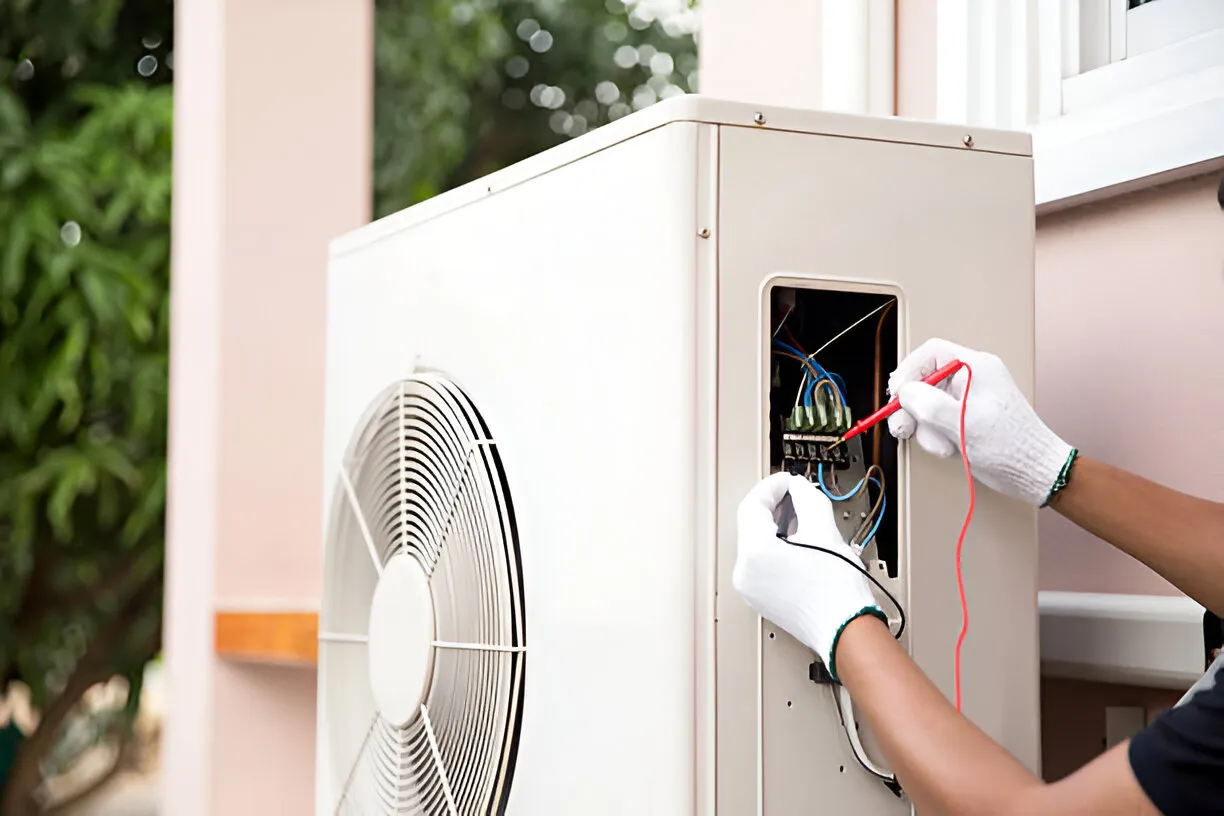
Why a properly installed heat pump matters in Berwick, OH
Berwick experiences a wide seasonal swing: subfreezing winter days, spring and fall temperature shifts, and hot humid summers. A correctly selected heat pump that is installed and commissioned to industry standards will:
- Maintain comfort through heating and cooling cycles without excessive cycling.
- Deliver predictable efficiency gains, especially with cold-climate models rated for low-temperature performance.
- Reduce fuel switching and utility costs compared with aging fossil-fuel or window-based systems when sized and integrated correctly.
- Reduce moisture issues in summer with appropriate dehumidification and ductwork balance.
Common heat pump types for Berwick homes
- Air-source heat pumps (ducted): Most common option for replacement or new HVAC systems. Modern cold-climate air-source units keep efficiency when temperatures drop.
- Ductless mini-split systems: Ideal for additions, homes without ducts, or to provide zoned comfort in older Berwick houses.
- Geothermal (ground-source) heat pumps: Highest efficiency and stable performance year-round but require larger upfront site work and ideal for properties with available land.
- Hybrid or dual-fuel systems: Combine heat pump with a gas or oil furnace for backup heat during extreme cold spells.
Typical local issues to address before installation
- Aging or leaky ductwork that reduces system performance and increases operating costs.
- Inadequate insulation or air sealing in older Berwick homes that inflate load calculations.
- Limited outdoor unit clearance in tight yards or shaded locations that affect airflow and defrost cycles.
- Electrical panel capacity for newer high-efficiency units requiring dedicated 240V circuits or upgrades.
- Local permitting and code compliance to ensure safe refrigerant handling and proper electrical work.
Consultation and site assessment
Installation begins with an on-site consultation and detailed assessment. Expect:
- Visual inspection of existing equipment, duct layout, attic and crawlspace access, and outdoor unit placement.
- Review of the home envelope: insulation levels, window types, and typical occupancy patterns.
- Discussion of comfort goals, noise preferences, and budget considerations.This visit establishes constraints and informs the next step: precise load calculations.
Load calculations and system sizing
Accurate heating and cooling load calculations (Manual J) are essential. Sizing is not based on square footage alone. Proper sizing considers:
- Insulation levels, window types, direction and shading, air infiltration, and occupancy.
- Desired indoor temperatures and distribution losses through ducts.Oversized equipment leads to short cycling and poor dehumidification; undersized equipment will not maintain comfort on the coldest days. Equipment selection follows the calculated loads and Manual S selection criteria.
Selecting models and efficiency ratings
Key performance metrics to compare:
- SEER2 and EER for cooling efficiency.
- HSPF2 and COP or low-temperature COP ratings for heating performance.
- Cold-climate performance reported at lower outdoor temperatures.When choosing refrigerant types, be aware of current regulations and manufacturer options. For Berwick conditions, prioritize models with strong low-temperature heating ratings and reliable defrost control.
Electrical and refrigerant considerations
- Electrical: Most heat pumps require a dedicated 240V circuit, appropriate breaker, and a local disconnect. Panel capacity checks are necessary, and upgrades may be required for older homes.
- Refrigerant: Technicians must be EPA 608 certified to handle refrigerants. Systems are charged to specification and tested for leaks. Newer refrigerants and phase-out rules may influence model availability.All electrical and refrigerant work must comply with National Electrical Code and local building codes enforced by the municipality.
Permitting and code compliance
Permits ensure the installation meets state and local building codes. Typical permit items:
- Mechanical and electrical permits for new equipment and wiring modifications.
- Inspection of refrigerant line sets, condensate disposal, and required safety controls.Permitting timelines and specific requirements can vary, so plan accordingly when scheduling.
Step-by-step installation and commissioning
A standard installation sequence includes:
- Site preparation and placement of outdoor pad or mounting to meet clearance requirements.
- Installation of indoor unit or air handler and any duct modifications or new ducts.
- Running refrigerant lines, condensate drain, and electrical conduit between indoor and outdoor units.
- Vacuuming the system, pressure testing, and charging refrigerant to manufacturer specification.
- Installing and wiring the thermostat and safety controls.
- Initial startup and commissioning checks: airflow measurements, temperature split, superheat/subcooling, defrost operation, and safety interlocks.
- Balancing the system and adjusting airflow to meet design conditions.
Commissioning is critical. Proper checks confirm the system operates to performance specifications and that controls and safety devices function correctly.
Post-installation testing and user orientation
After commissioning, a thorough orientation should cover:
- Thermostat operation, program schedules, and how to switch modes between heat, cool, and emergency heat.
- Explanation of defrost cycles, outdoor unit sounds, and what is normal versus problematic.
- Filter access and replacement schedule, condensate maintenance, and outdoor unit clearance recommendations.A final set of performance readings (temperature rise, amperage draw, refrigerant pressures) should be recorded and provided as part of system documentation.
Warranty and maintenance recommendations
- Manufacturer warranties vary by component; compressor warranties are often longer than parts coverage. Confirm warranty lengths and registration requirements.
- Recommended maintenance: at minimum, annual HVAC tune-ups before the heating and cooling seasons. These checks include refrigerant levels, electrical connections, coil cleaning, and airflow inspections.
- Ongoing tasks for homeowners: replace or clean filters regularly, keep the outdoor unit free of debris, and maintain proper airflow around vents and registers.Proper maintenance preserves efficiency, extends equipment life, and supports warranty claims.
Long-term benefits for Berwick homeowners
A professionally installed and commissioned heat pump tailored to local climate and home specifics delivers:
- Consistent comfort through Berwick winters and summers.
- Improved energy efficiency and predictable operating costs.
- Reduced system wear with correct sizing and airflow balancing.
- Better indoor air quality when paired with proper filtration and duct sealing.
Choosing a systematic, code-compliant installation path that emphasizes accurate load calculations, correct refrigerant handling, electrical safety, and comprehensive commissioning ensures your heat pump performs as expected and provides reliable comfort for years in Berwick, OH.
Hot Deals & Cool Savings

.webp)
New Service Agreement Membership
.webp)
Any New Client Service
Next Service for Referring a New Client
New Service Agreement Membership
Any New Client Service
Next Service for Referring a New Client
.webp)
.webp)

Service Areas
