
Heat Pump Installation in Amlin, OH
Professional heat pump installation in Amlin, OH guides you from assessment to commissioning with financing tips and maintenance support.

Heat Pump Installation in Amlin, OH
Installing a heat pump in Amlin, OH is an effective way to improve year-round comfort while lowering energy bills in central Ohio’s hot, humid summers and cold winters.
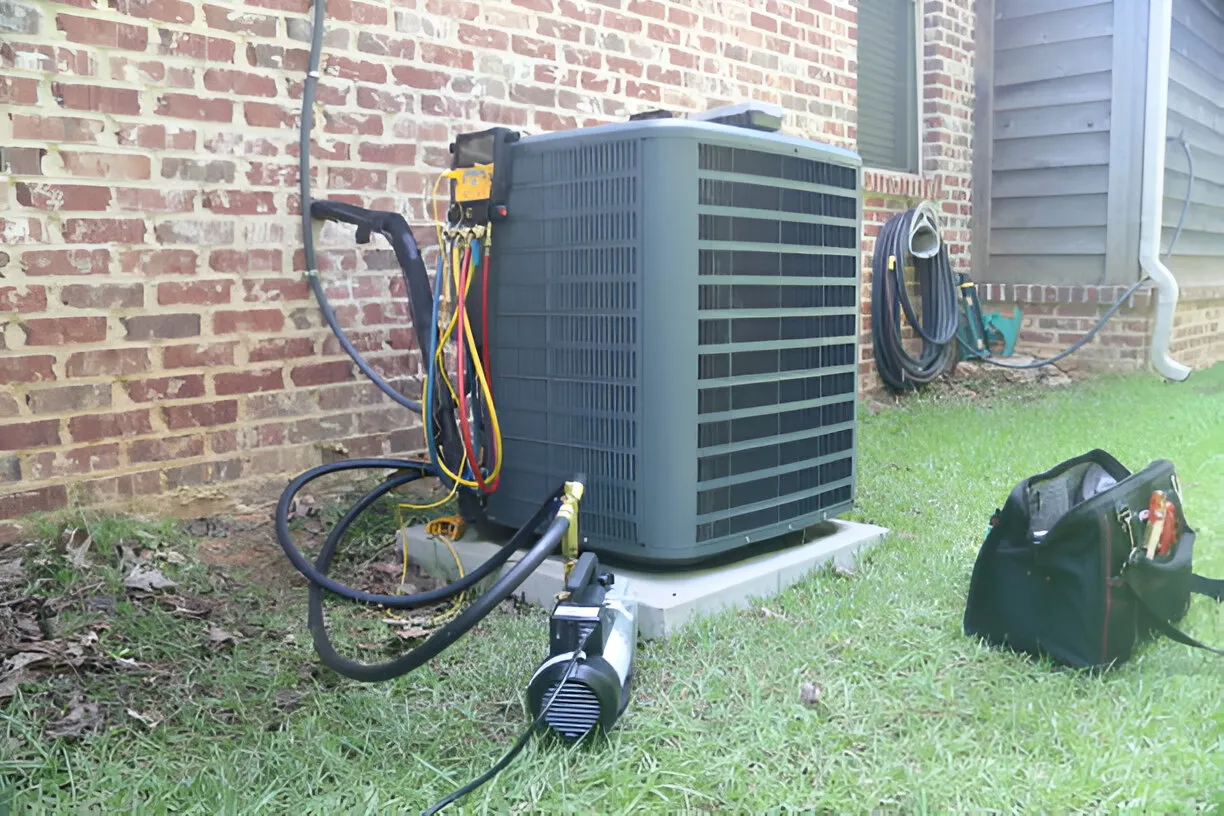
Why a heat pump makes sense in Amlin, OH
Heat pumps provide both efficient cooling and heating by moving heat rather than creating it. In Amlin’s climate, modern heat pumps deliver reliable heating through mid-winter and superior humidity control in summer, often outperforming older fossil fuel systems on efficiency. For homeowners looking to reduce fossil fuel use, increase comfort, and capture available incentives, a properly installed heat pump can be a long-term, cost-effective solution.
Common heat pump systems and which suits Amlin homes
Selecting the right system begins with understanding options and local needs:
- Air-source heat pumps: Most common choice. Efficient for typical Amlin homes with existing ductwork or for outdoor condenser placement.
- Ductless mini-splits: Ideal for homes without ducts, additions, or zoned heating needs. Offer flexible placement and high efficiency.
- Dual-fuel systems: Pair a heat pump with a furnace for extreme-cold backup, helpful in occasional deep cold snaps.
- Ground-source (geothermal) heat pumps: Highly efficient but require more site space and higher upfront cost; best when long-term savings justify the investment.
Initial site assessment and load calculations
A professional installation begins with a detailed site visit:
- Evaluate insulation levels, window orientation, attic and basement conditions, and air leakage to determine realistic heating and cooling loads.
- Perform Manual J load calculations to size the system correctly. Oversized units cycle inefficiently; undersized units struggle on the coldest days.
- Inspect existing ductwork or determine placement for indoor units in ductless systems. For homes in older parts of Amlin, expect to address leakage or undersized ducts.
- Consider outdoor unit placement for noise, airflow, and winter protection—avoid low-lying areas prone to snow build-up and allow adequate clearance for service access.
Ductwork or placement considerations
Ducts dramatically affect performance:
- If using existing ducts, inspect for leaks, insulation gaps, and proper sizing. Sealing and insulating ducts often improves comfort more than upsizing the heat pump.
- For ductless systems, plan indoor head locations for even coverage and aesthetics. Avoid blocked airflow and plan linesets that minimize visible runs.
- For outdoor units, ensure a solid, level pad, proper setback from property lines per local code, and clearance for service and winter airflow.
Permits and code compliance in Amlin, OH
Heat pump installations must follow local and state building codes:
- Submit permits as required by Franklin County or the appropriate local jurisdiction. Typical reviews cover electrical connection, refrigerant handling, and mechanical safety.
- Installations must comply with Ohio mechanical and energy codes. Licensed technicians will handle refrigerant certification and electrical hook-up per code.
- If altering ducts or adding combustion equipment (in dual-fuel setups), additional inspections may be required.
Step-by-step installation process
A typical professional installation follows these stages:
- Pre-install preparation: Confirm load calculations, order equipment, and schedule inspections if needed.
- Site prep: Install or modify indoor units, route refrigerant lines, and prepare the outdoor pad.
- Duct or indoor head work: Seal, insulate, and balance ducts or mount ductless heads in planned locations.
- Outdoor unit install: Position condenser on pad, connect refrigerant lines and electrical feed.
- Refrigerant charging and vacuuming: Evacuate lines to remove moisture and charge per manufacturer specs.
- Electrical and controls: Connect disconnects, thermostats, and system controls. Program controls for zoning or smart thermostats.
- Final inspections: Coordinate with local inspectors for permit sign-off.
Post-installation testing and commissioning
Proper commissioning ensures the system performs as intended:
- Verify correct refrigerant charge and oil levels, measure airflow and temperature splits, and confirm electrical loads.
- Test system operation in both heating and cooling modes across multiple zones.
- Calibrate thermostats and explain control interfaces to homeowners.
- Provide a commissioning checklist showing measured values and settings for future reference.
Warranty, handover, and homeowner education
A thorough handover protects your investment:
- Document manufacturer and installer warranties, including labor and parts coverage and any required maintenance to keep warranties valid.
- Provide a written equipment and service manual with serial numbers, recommended maintenance schedule, and emergency shut-off instructions.
- Walk the homeowner through basic maintenance tasks: filter changes, outdoor unit clearing, and thermostat operation. Explain signs that indicate a service call is needed.
Financing and rebate guidance for Amlin residents
Several options can lower upfront costs:
- Federal tax credits for qualifying high-efficiency heat pumps may be available—retain equipment specifications and invoices for tax documentation.
- State and local utilities sometimes offer rebates or efficiency incentives for heat pump installations. Check with your electric provider for current programs.
- Many homeowners finance installations through home improvement loans or energy-efficiency financing programs; review terms for interest rates and repayment periods.
- Keep copies of permits, energy ratings (SEER, HSPF, or COP), and manufacturer certifications to support rebate applications.
Typical problems and how they are addressed
Understanding common issues helps set expectations:
- Short cycling: Usually from oversized equipment or airflow restrictions—resolved by correct sizing and duct improvements.
- Insufficient heating on the coldest days: May require supplemental heat or a dual-fuel approach in extreme cold.
- Noise or vibration: Often linked to improper mounting; corrected with vibration pads and secure mounting.
- Uneven temperatures: Addressed with zoning, duct balancing, or additional indoor units for ductless systems.
Maintenance and long-term benefits
Routine care keeps performance high:
- Change or clean filters regularly, keep the outdoor unit clear of debris and snow, and schedule annual professional tune-ups.
- Properly maintained systems last longer, preserve efficiency, and maintain warranty coverage.
- Benefits include steady year-round comfort, improved humidity control, and lower operational carbon footprint—advantages especially relevant to homeowners in Amlin looking to increase comfort and resilience against Ohio’s seasonal extremes.
This overview gives Amlin homeowners a clear, practical roadmap for heat pump installation—from selection and permitting through commissioning and ongoing care—so you can plan confidently and get the best performance from your investment.
Hot Deals & Cool Savings

.webp)
New Service Agreement Membership
.webp)
Any New Client Service
Next Service for Referring a New Client
New Service Agreement Membership
Any New Client Service
Next Service for Referring a New Client
.webp)
.webp)

Service Areas
