
HVAC Tune-up in New Albany, OH
Schedule a professional HVAC tune-up in New Albany, OH to boost efficiency, reliability, and comfort with a thorough seasonal inspection. Learn more.

Keeping your heating and cooling system running reliably and efficiently is essential for New Albany homes. A professional HVAC tune-up addresses hidden problems before they become costly breakdowns, improves comfort during hot, humid summers and cold, often rapidly changing winters, and saves energy over the long term. Best Service Heating & Cooling brings decades of local experience to seasonal HVAC tune-ups in New Albany, OH, with a detailed, safety-focused inspection and service process designed around the specific climate and home construction common to this community.
Why a seasonal HVAC tune-up matters in New Albany
New Albany experiences warm, humid summers and cold winters with freeze-thaw cycles. Those weather extremes place dual demands on HVAC systems: air conditioners must remove heat and moisture efficiently during muggy months, while furnaces and heat pumps must deliver reliable heat when temperatures drop. Additional local factors that influence HVAC performance include:
- Spring and summer pollen and fall leaves that clog outdoor units and ductwork.
- High summer humidity that causes longer AC run times and can lead to coil corrosion, mold, and poor dehumidification.
- Winter temperature swings and occasional hard freezes that stress heat exchangers, refrigerant pressures, and thermostat calibration.
- Many New Albany homes are newer and larger, often with zoned HVAC or multiple systems, increasing the importance of balanced performance and matching refrigerant and airflow to duct design.
A seasonal tune-up tuned to these realities reduces the chance of midseason failures, improves energy efficiency, and helps maintain steady indoor comfort across seasonal transitions.
Common HVAC issues we see in New Albany homes
Homeowners in the New Albany area typically call for service when systems show symptoms that tune-ups can often prevent or diagnose early. Typical issues include:
- Weak cooling during heat waves despite the compressor running.
- Short cycling that causes uneven temperatures and increased wear.
- Elevated utility bills tied to reduced system efficiency.
- Noisy operation from bearings, belts, or failing motors.
- Uneven heating in multi-level or zoned homes.
- Frequent filter clogging due to tree pollen and construction dust.
- Thermostat inaccuracies that lead to overcooling or overheating.
Regular tune-ups can catch the root causes of these symptoms before they escalate into emergency repairs or premature equipment replacement.
What a complete HVAC tune-up includes
A professional HVAC tune-up is more than a quick look. Best Service Heating & Cooling follows a thorough, systematic checklist that covers safety, airflow, refrigeration, combustion (if applicable), and controls. During a seasonal tune-up in New Albany, the typical tasks performed include:
- Safety checks
- Verify proper operation of safety switches, high-pressure cutouts, and the ignition system on furnaces.
- Inspect heat exchanger (for visible cracks or soot) and combustion components where applicable.
- Ensure electrical connections are secure and breakers, fuses, and wiring show no signs of overheating.
- Cleaning coils and outdoor unit care
- Clean evaporator and condenser coils to restore heat transfer efficiency.
- Remove debris, leaves, and pollen from the outdoor unit and check for proper clearance and level mounting.
- Inspect coil fins and straighten minor fin damage to improve airflow.
- Checking refrigerant and pressures
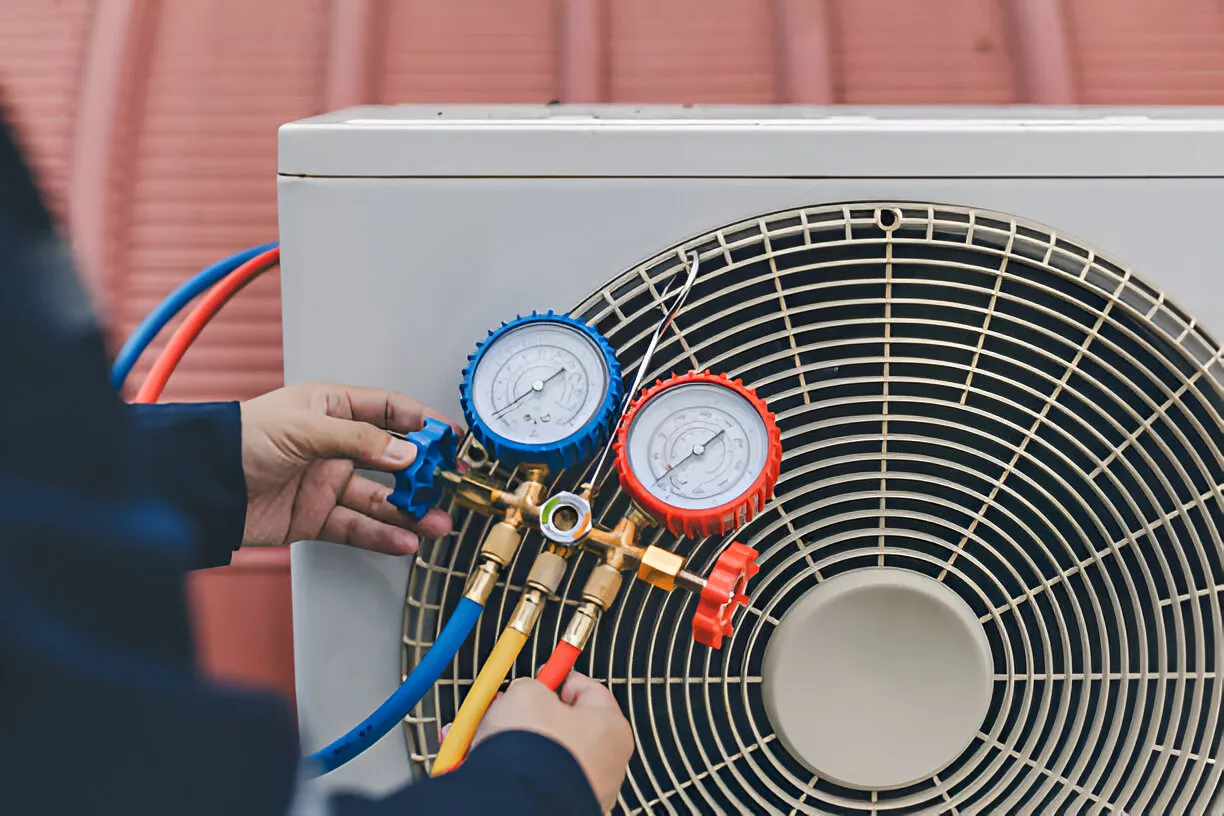
- Measure refrigerant charge and system pressures to confirm proper levels and detect leaks.
- Evaluate compressor performance and record baseline pressures for future diagnostics.
- Recommend leak repair when pressures indicate loss of refrigerant.
- Thermostat calibration and controls
- Test thermostat accuracy and recalibrate if temperature readings are off.
- Verify programming and backup batteries where applicable to maintain schedules and energy savings.
- Filter inspection and replacement
- Inspect air filters and replace with the correct MERV rating for the home and system.
- Advise on filter selection based on indoor air quality needs and system capacity.
- Lubrication and mechanical checks
- Lubricate motors, bearings, and moving parts where manufacturer specifications require.
- Inspect belts and pulleys for wear and proper tension; replace if frayed or cracked.
- Performance testing and airflow diagnostics
- Measure airflow and static pressure to ensure ductwork and fans are balanced.
- Test system run times, start-up amperage, and overall performance under load.
- Check condensate drain and pan for clogs to prevent water damage and microbial growth.
- System documentation
- Provide a written report of findings, recorded pressures, temperatures, and recommended repairs.
- Discuss observed trends that could indicate future issues.
Each of these tasks helps preserve component life, maintain heating and cooling capacity, and protect indoor air quality for New Albany homes.
The tune-up process: step-by-step so you know what to expect
A professional tune-up follows a logical sequence that prioritizes safety and accurate diagnostics.
Initial system walk-through and history
- The technician reviews previous service records and any recent complaints to focus the inspection.
Safety and electrical inspection
- Power is verified off for certain inspections; electrical connections, contactors, and capacitors are assessed first.
Airflow and filter check
- Filters are inspected and replaced as needed before measuring airflow so readings reflect normal operation.
Refrigeration and compressor testing
- With the system running, refrigerant pressures are measured and compared to manufacturer specifications.
Mechanical lubrication and adjustments
- Motors, bearings, and belts receive attention to quiet operation and prevent premature wear.
Coil and condensate inspection
- Evaporator and condenser coils are cleaned, and the condensate removal system is tested.
Thermostat and controls verification
- Controls are calibrated, and communication between indoor and outdoor units is confirmed.
Final performance testing and documentation
- The system is tested under load, run times are monitored, and the technician provides a summary of findings and recommended next steps.
This structured approach ensures nothing important is missed and that you have a clear record of equipment health over time.
Repairs and solutions commonly recommended after tune-ups
A tune-up often reveals opportunities to restore efficiency or prevent failure. Typical solutions may include:
- Refrigerant leak repair and recharge
- If pressures indicate a leak, locating and repairing it prevents damage to compressors and ensures efficient cooling.
- Capacitor or contactor replacement
- Weak start capacitors or failing contactors cause hard starts and strain the compressor; replacing them restores reliable operation.
- Motor or blower wheel service
- Rebalancing or replacing worn blower components corrects airflow issues that cause short cycling and uneven temperatures.
- Duct sealing and insulation
- High static pressure or heat loss/gain across ducts can be remedied with targeted sealing and added insulation in attics or crawlspaces.
- Thermostat upgrade or recalibration
- Programmable or smart thermostats can improve comfort and reduce energy costs when correctly configured.
- Drain line clearing and condensate control
- Clearing clogs and adding safety switches prevents water damage and microbial growth in systems prone to high humidity.
Each recommended repair is evaluated for urgency, and technicians document why a particular action is needed, how it will improve performance, and what consequences might follow if deferred.
How often should you schedule HVAC tune-ups in New Albany
For most homes in New Albany, the recommended frequency is:
- Air conditioning tune-up: annually, ideally in spring before the heat and humidity of summer arrive.
- Heating tune-up: annually, ideally in fall before the first prolonged cold spell.
Homes using heat pumps should receive two seasonal inspections per year, one in spring and one in fall, because the same equipment performs both heating and cooling functions. Homes with heavy pollen exposure, indoor pets, or higher occupancy that increases filter loading may benefit from more frequent filter checks, such as quarterly.
Annual tune-ups preserve warranties, maximize efficiency, and reduce the risk of midseason failures that are inconvenient and often more expensive to repair.
Maintenance plans and how tune-ups fit in
Routine tune-ups are the foundation of an effective HVAC maintenance plan. Best Service Heating & Cooling offers a structured Maintenance Plan that integrates seasonal tune-ups into ongoing care for your system. Key features commonly associated with such plans include:
- Scheduled seasonal inspections to keep systems tuned for summer and winter demands.
- Priority service in emergencies to reduce downtime.
- Regular discounts on diagnostic service calls and repairs to reduce long-term ownership costs.
- Documentation and tracking of system history to make repair and replacement decisions data driven.
- Potential energy savings from consistent efficiency improvements.
Specifically, the Best Service Maintenance Plan provides extended equipment life, lower utility bills through improved efficiency, a 15 percent discount on service calls, 24-hour emergency service availability, and other membership benefits that reward proactive care. When tune-ups are included in a plan, homeowners receive consistent, documented maintenance that strengthens system reliability and cost predictability.
Seasonal timing and why it matters in New Albany
Timing a tune-up to the seasons in New Albany is important because of local weather patterns:
- Spring tune-ups for air conditioners: Cleaning coils and verifying refrigerant before peak season keeps systems running efficiently when humidity spikes. Addressing pollen and spring debris prevents clogged outdoor coils and restricted airflow.
- Fall tune-ups for heating systems: Confirming ignition systems, heat exchangers, and combustion safety before cold snaps ensures safe and reliable heat when temperatures drop. Early detection of issues avoids emergency service during bitter cold.
- Pre- and post-storm checks: After heavy spring or fall storms that bring tree debris, a quick check of the outdoor unit can prevent blocked airflow and frozen coils.
Scheduling tune-ups ahead of seasonal extremes reduces the chance of surge-demand failures and often results in better technician availability.
Long-term benefits of regular tune-ups
Investing in seasonal tune-ups yields measurable benefits for New Albany homeowners:
- Improved reliability and fewer emergency breakdowns.
- Lower energy bills through restored efficiency.
- Longer equipment lifespan by reducing wear on compressors, motors, and heat exchangers.
- Better indoor air quality from clean coils, filters, and condensate management.
- Safer operation with verified combustion safety and electrical integrity.
- Clear maintenance records that can increase resale value and simplify decisions about system replacement.
These benefits compound over time. A well-maintained HVAC system can operate closer to its original efficiency specifications for years longer than a neglected system.
What to expect during a technician visit
When a licensed technician from Best Service Heating & Cooling conducts a tune-up, homeowners in New Albany can expect:
- Professional arrival and a quick review of the home systems and history.
- A systematic inspection and service of both indoor and outdoor components.
- Replacement of filters with the appropriate specification for the system.
- Documentation of measurements, tests performed, and any recommendations.
- Clear explanations of needed repairs, why they are necessary, and what deferred repairs may cause.
Technicians document their findings and leave records that make it easier to track system performance year to year.
Choosing the right tune-up for your home
Not all tune-ups are identical. Consider the following when evaluating a seasonal service:
- Equipment type: Furnaces, boilers, heat pumps, and split-system air conditioners each require component-specific checks.
- Age and condition: Older systems often need additional attention to controls, refrigerant seals, and electrical components.
- Indoor air quality needs: Homes with allergy sufferers, pets, or recent renovations may warrant higher-grade filtration or additional duct cleaning.
- Usage patterns: High-use homes, such as those with frequent occupants or home businesses, may need more frequent service intervals.
Best Service Heating & Cooling combines technical know-how with local experience in New Albany to tailor tune-ups to the home and system.
Common myths about HVAC tune-ups
Clarifying misunderstandings helps homeowners make better choices:
- Myth: Tune-ups are only needed when something breaks.
- Fact: Preventive maintenance identifies problems early, which is typically less expensive than emergency repairs and reduces downtime.
- Myth: All technicians perform the same checks.
- Fact: Quality varies widely. A comprehensive tune-up documents pressures, temperatures, and safety checks rather than performing a brief visual inspection.
- Myth: New systems do not need tune-ups.
- Fact: Manufacturer warranties often require scheduled maintenance to remain valid, and new systems perform best with an initial baseline tune-up.
Understanding these points helps New Albany homeowners prioritize preventative care.
Hot Deals & Cool Savings

.webp)
New Service Agreement Membership
.webp)
Any New Client Service
Next Service for Referring a New Client
New Service Agreement Membership
Any New Client Service
Next Service for Referring a New Client
.webp)
.webp)

Service Areas
