
HVAC Tune-up in Hilliard, OH
HVAC tune-up in Hilliard, OH ensures efficient heating and climate control, preventive maintenance, and safer, more comfortable home. Schedule your tune-up today.

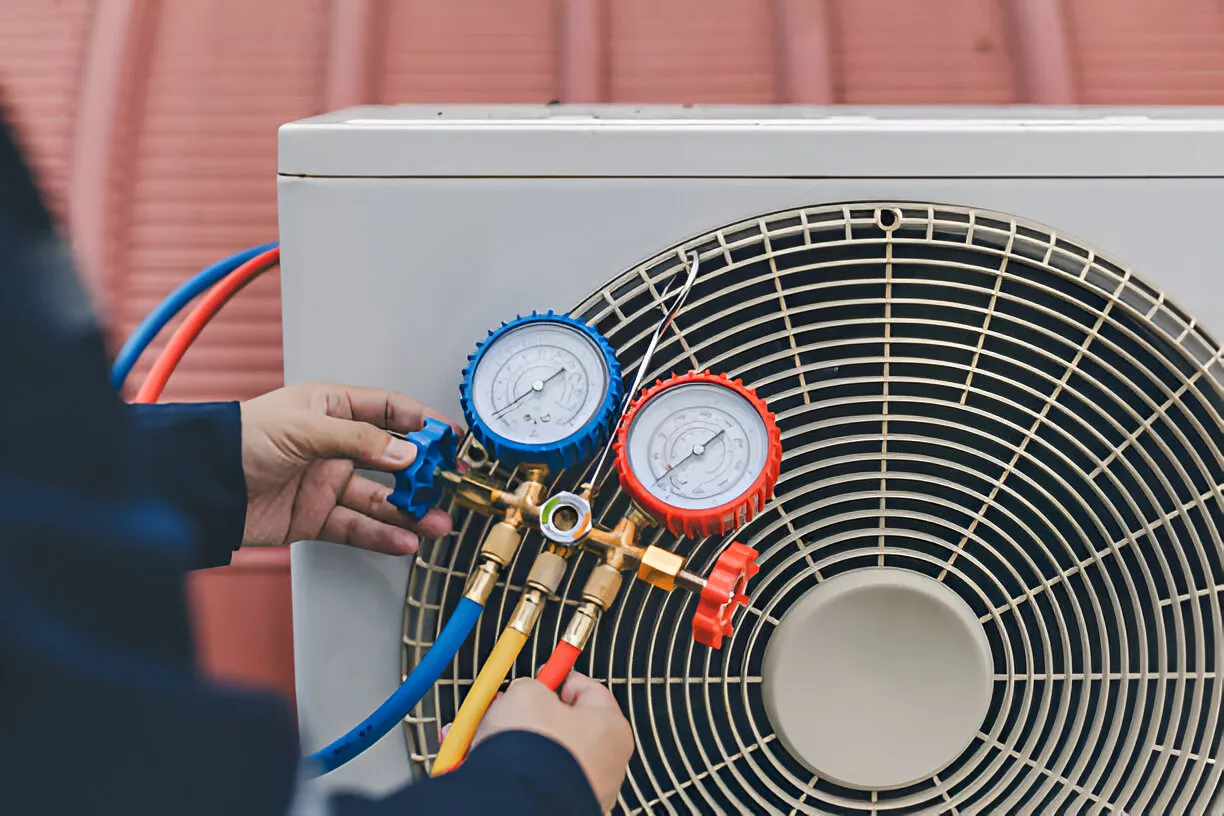
Keeping your heating and cooling system tuned and ready is one of the most effective ways to protect comfort, safety, and energy costs in Hilliard, OH homes. Best Service Heating & Cooling provides seasonal HVAC tune-up services that go beyond a quick inspection. Our approach focuses on detailed system cleaning, refrigerant and pressure checks, thermostat calibration, safety inspections, and performance testing so your equipment runs reliably when central Ohio weather swings from humid summer heat to cold winter nights. A professional tune-up identifies small issues before they become expensive failures, improves efficiency, and helps maintain indoor air quality for your family.
Why an HVAC tune-up matters for Hilliard homes
Hilliard sits in central Ohio where summers are warm and humid and winters can be bitter and dry. Those seasonal extremes put predictable stress on HVAC systems:
- Summer humidity increases runtime for air conditioners, which accelerates compressor and coil wear and raises the risk of condensate drain clogs and mold growth.
- Spring pollen and fall leaves increase filter loading and duct contamination, reducing airflow and system efficiency.
- Cold winters stress furnaces and heat pumps with frequent cycling, increasing the chance of ignition or heat exchanger issues.
- Road salt, seasonal moisture, and age-related corrosion can cause refrigerant leaks or electrical failures on outdoor condensing equipment.
A full HVAC tune-up adapted to local conditions lowers the risk of midseason breakdowns, reduces utility bills, and helps your system reach the end of its expected service life with fewer expensive repairs.
Common HVAC tune-up issues in Hilliard, OH
During tune-ups we frequently find the same issues in Hilliard homes. Addressing these proactively restores comfort and efficiency:
- Dirty evaporator and condenser coils that reduce heat transfer and force longer run cycles.
- Low refrigerant levels from leaks, causing poor cooling performance and compressor strain.
- Clogged condensate drains or pans that can overflow and cause water damage or promote microbial growth.
- Thermostats out of calibration that cause short cycling or inconsistent temperatures between rooms.
- Worn or frayed electrical wiring and loose connections that create safety hazards and reduce reliability.
- Ignition and burner buildup in furnaces that lead to inefficient combustion or incomplete ignition.
- Dirty or restricted air filters that reduce airflow, lower efficiency, and degrade indoor air quality.
- Duct leaks and poor airflow balance that create uneven heating or cooling and force the system to run longer.
- Inadequate lubrication on moving parts causing increased friction and premature wear.
- Safety concerns such as cracked heat exchangers or elevated carbon monoxide risk in older equipment.
Finding and correcting these items during scheduled tune-ups prevents emergency calls and helps maintain safer indoor environments.
Seasonal tune-up focus: spring and fall services
Most homes benefit from two focused tune-ups each year: an AC tune-up in the spring and a heating tune-up in the fall. Each visit targets system components most stressed by the upcoming season.
Spring AC tune-up focus
- Clean condenser coils and clear debris from outdoor unit.
- Check refrigerant pressure and test for leaks.
- Inspect and clean evaporator coil and condensate drain.
- Test compressor operation and electrical components.
- Calibrate thermostat and inspect ductwork for summer airflow issues.
- Verify proper refrigerant charge and superheat/subcooling as applicable.
- Confirm condensate pump and drain are functioning to prevent water damage.
Fall heating tune-up focus
- Inspect and clean burners, pilot assembly, and heat exchanger.
- Test ignition system and limit controls.
- Check flue and venting for blockages and safe draft.
- Measure combustion efficiency where applicable.
- Test safety switches and carbon monoxide detectors.
- Lubricate blower motor bearings and inspect belts.
- Balance airflow and inspect ducts for winter heat distribution.
Both visits include the technician checklist described below and a written record of inspected items and any recommendations.
What a professional HVAC tune-up includes
A thorough tune-up is methodical and documented. Best Service Heating & Cooling follows a detailed process that covers safety, performance, and efficiency. Typical elements included in a standard seasonal tune-up:
- System cleaning
- Evaporator coil cleaning to restore heat transfer.
- Condenser coil cleaning and clearing around the outdoor unit.
- Burner and pilot cleaning for gas furnaces.
- Removal of debris from condensate pan and drain lines.
- Refrigerant and pressure checks
- Measure refrigerant pressures and temperatures under load.
- Check for signs of leaks and verify proper charge to manufacturer specs.
- Evaluate compressor performance and cycling.
- Thermostat calibration
- Verify temperature sensing accuracy and program settings.
- Confirm compatibility with system controls and zoning.
- Check communication with smart thermostats and batteries.
- Safety inspections
- Visual and test inspection of electrical connections and wiring for heat, wear, or arcing.
- Carbon monoxide checks for combustion appliances.
- Heat exchanger inspection for cracks or corrosion where accessible.
- Verify operation of safety limit switches and roll out sensors.
- Performance testing
- Measure airflow and static pressure to identify blockages or duct leakage.
- Test blower motor speed and condition.
- Measure supply and return temperature differentials to assess efficiency.
- Evaluate system runtime and cycle frequency.
- Filter and airflow
- Inspect filter condition and recommend replacement if needed.
- Inspect supply and return grilles for obstructions.
- Check ductwork access points for signs of leaks or animal intrusion.
- Electrical and mechanical
- Tighten electrical terminals and inspect capacitors and contactors.
- Measure voltage and amperage where indicated.
- Lubricate motors, bearings, and moving parts.
- Inspect belts and pulleys and adjust or replace if worn.
- Documentation
- Provide a technician checklist of all inspected items and the condition found.
- Record measured values such as pressures, temperature splits, amperage, and voltages.
- Provide maintenance recommendations and note any parts that may require future attention.
Technician checklist of inspected items
A clear checklist helps homeowners understand exactly what was inspected and why. Typical items on our tune-up checklist include:
- Inspect thermostat settings and calibration
- Check and test air filter and recommend replacement
- Clean or wash evaporator coil where accessible
- Clean condenser coil and clear surrounding area
- Inspect and clean condensate drain and pan
- Check refrigerant pressures and look for leaks
- Test compressor operation and controls
- Inspect blower motor, fan blades, and housing
- Measure supply and return airflow
- Check ductwork for visible leaks or disconnected joints
- Inspect electrical connections, capacitors, and contactors
- Measure voltage and motor amperage
- Inspect burner assembly, ignition, and flame sensor for furnaces
- Check heat exchanger (visual) and venting for flue gases
- Test safety controls, high limit switches, and emergency shutdowns
- Inspect belts and lubricate bearings and motors
- Test system startup and shutdown sequences
- Record system performance values and note recommendations
Each item is recorded and explained so you know what components are working correctly and which items need monitoring or replacement.
Detailed explanations of key tune-up tasks
Cleaning coils
- Dirty coils limit heat transfer and force the system to run longer. Evaporator coils can accumulate dust from the return air and degrade cooling performance. Condenser coils get outdoor debris, grass clippings, and built-up residue that limit outdoor heat rejection. Coil cleaning restores efficiency and reduces runtime.
Refrigerant and pressure checks
- Proper refrigerant charge is critical for cooling capacity and compressor longevity. Undercharge leads to poor cooling and excessive compressor wear. Overcharge causes high head pressure and premature failure. Measuring pressures and temperature differentials under load is the reliable way to verify charge and identify leaks.
Thermostat calibration
- Today’s thermostats, including programmable and smart models, must be set and communicating correctly. A miscalibrated thermostat or improper programming can cause frequent short cycles, wasted energy, and hot or cold spots. Calibration ensures the thermostat accurately reflects room temperature and the system responds correctly.
Safety inspections and combustion testing
- Gas furnaces must be inspected for safe combustion and venting. Flame quality, burner cleanliness, and heat exchanger condition impact safety and efficiency. Carbon monoxide checks and visual heat exchanger inspections are central to protecting occupants from dangerous combustion byproducts.
Performance testing and airflow balancing
- Measuring supply and return temperatures, static pressure, and airflow pinpoints problems that are not obvious by sight. Restricted airflow from clogged filters, closed dampers, or duct leaks can reduce system performance, lower comfort, and increase energy use. Balancing airflow improves comfort and reduces system stress.
Electrical checks and component integrity
- Loose electrical connections and failing capacitors are common failure points that create intermittent operation or sudden breakdowns. Tightening connections, testing capacitor health, and measuring motor currents prevents failures and improves reliability.
Condensate and drainage
- Air conditioning and high-efficiency furnaces produce condensate that must be properly routed away. Blocked drains create backups, water stains, and mold growth. Clearing and testing these drains prevents property damage and microbial issues.
How regular tune-ups extend equipment life and lower costs
Regular maintenance directly impacts long-term costs and reliability:
- Improved efficiency: Clean and calibrated systems use less energy and lower monthly utility bills.
- Reduced repair frequency: Identifying weak parts early avoids major component failures that are expensive to replace.
- Longer equipment life: Systems maintained on schedule last longer and provide more value before replacement.
- Warranty compliance: Many manufacturer warranties require regular maintenance to remain valid.
- Enhanced safety: Detecting combustion or electrical hazards reduces the risk of unsafe operation.
- Better indoor air quality: Clean components and proper filtration lower allergy triggers and pollutants in homes.
In a place like Hilliard, where humidity and temperature swings are significant across seasons, the cumulative benefit of scheduled tune-ups shows quickly in month-to-month comfort and cost savings.
What homeowners should expect during a tune-up visit
A professional tune-up is efficient and transparent. Typical expectations:
- Arrival and inspection: The technician will identify your system layout, confirm system type and age, and discuss any recent symptoms.
- System startup and baseline testing: The system is started and measured under typical load to establish performance numbers.
- Component cleaning and adjustments: Coils, burners, filters, and drains are cleaned; electrical connections are tightened; parts are lubricated.
- Measuring and recording: Pressures, temperatures, voltages, and airflow readings are recorded for comparison over time.
- Review and recommendations: The technician explains findings in plain terms, notes any safety concerns, and lists recommended maintenance or repairs for future planning.
Most tune-ups take between 60 and 90 minutes depending on system complexity and condition. Detailed records allow you to track system health year over year.
Practical homeowner tips between tune-ups
Routine homeowner attention can help your HVAC system perform consistently:
- Replace or clean filters monthly to every three months depending on filter type and household conditions.
- Keep outdoor condenser units clear of vegetation, leaves, and debris.
- Keep supply and return registers unobstructed by furniture or drapery.
- Note and log any unusual sounds, odors, or performance changes and record dates so a technician can diagnose trends.
- Maintain a consistent thermostat schedule to reduce wide temperature swings that stress equipment.
- Ensure attic and crawl space insulation and ventilation are adequate to reduce HVAC load.
Simple preventive steps combined with professional tune-ups yield the best reliability and efficiency.
When a tune-up will not be enough
A tune-up restores and optimizes systems that are fundamentally sound. Some conditions require repair or replacement rather than maintenance:
- Failed compressors, cracked heat exchangers, or major refrigerant system damage need component replacement.
- Systems that are significantly undersized or oversized for the home may require a system design review.
- Equipment past expected service life may be less cost effective to repair than to replace, especially when efficiency gains of newer models are considered.
A thorough tune-up visit will identify these situations and provide clear data and recommendations to help homeowners make informed decisions.
Maintenance plans and long term care
Enrolling in a regular maintenance plan creates continuity of care for HVAC equipment. Benefits of scheduled plans include predictable inspections, documented service history, priority scheduling during peak seasons, and often discounts on repairs. For Hilliard homeowners who rely on heating and cooling across varied weather, a structured maintenance rhythm prevents seasonal surprises and preserves system warranties.
Best Service Heating & Cooling has provided residential HVAC services in central Ohio for decades and designs tune-up visits with local weather and building characteristics in mind. Our field experience with Hilliard neighborhoods, older homes, and newer builds informs what we inspect and why. Well maintained systems deliver consistent comfort, lower utility costs, and safer operation.
Hot Deals & Cool Savings

.webp)
New Service Agreement Membership
.webp)
Any New Client Service
Next Service for Referring a New Client
New Service Agreement Membership
Any New Client Service
Next Service for Referring a New Client
.webp)
.webp)

Service Areas
