
HVAC Tune-up in Grandview, OH
HVAC tune-up in Grandview, OH ensures efficiency and reliability; schedule now for seasonal maintenance, safety checks, and improved comfort.

Keeping your heating and cooling system running smoothly is one of the most effective ways to protect comfort, safety, and energy costs in Grandview, OH. A professional HVAC tune-up addresses the seasonal stresses that Central Ohio weather places on equipment, finds small problems before they become major failures, and helps systems run more efficiently through the hottest and coldest months. Best Service Heating & Cooling brings local experience and proven service procedures to every tune-up, so Grandview homes stay comfortable and dependable year round.
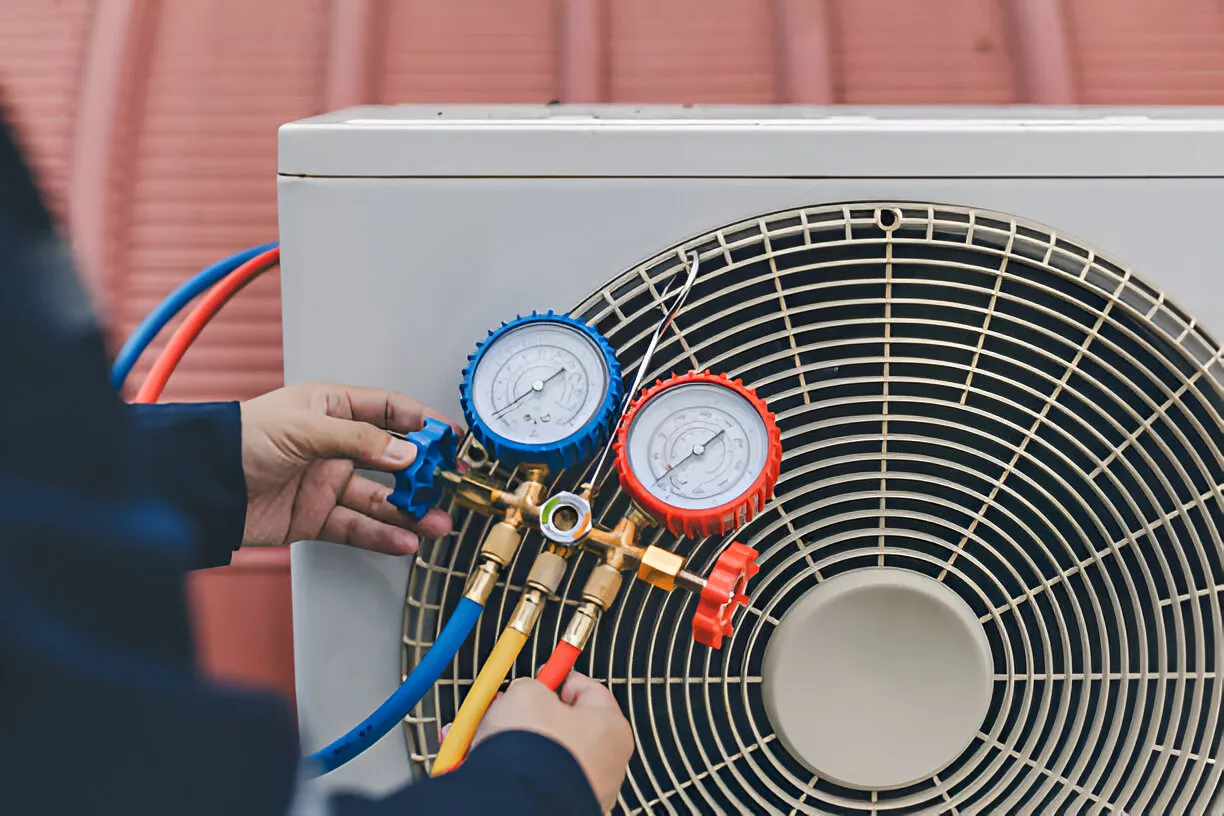
Why a seasonal HVAC tune-up matters in Grandview, OH
Grandview homeowners face a full range of weather: hot, humid summers and cold winters with freeze-thaw cycles. Those seasonal extremes expose HVAC systems to higher load and more wear. High summer humidity makes air conditioners work harder to remove moisture, which stresses coils, compressors, and refrigerant circuits. Winter heating cycles and condensation can create soot and burner deposits on furnaces and boilers. A tune-up timed for spring and fall ensures systems are clean, safe, and prepared for peak demand.
Regular tune-ups reduce the chance of midseason breakdowns, improve indoor comfort, and often lower monthly utility bills by restoring efficiency. With decades of service in the Columbus area, Best Service Heating & Cooling applies a systematic inspection and maintenance process tailored to Grandview homes and local conditions.
What an HVAC tune-up includes
A thorough HVAC tune-up is more than a quick inspection. Our approach covers safety, performance, and preventive care for both cooling and heating systems. Typical tune-up tasks include:
- Visual system inspection
- Check equipment age, model, and obvious wear.
- Inspect outdoor condenser and indoor air handler or furnace for damage, corrosion, and debris.
- Filter check and replacement
- Evaluate air filter condition and recommend or replace with the correct size and MERV rating.
- Coil cleaning
- Clean evaporator and condenser coils to restore heat transfer efficiency and airflow.
- Burner cleaning and combustion inspection (gas heating)
- Remove soot and deposits, inspect flame for proper color and stability, and check heat exchanger for cracks or corrosion.
- Refrigerant check
- Measure refrigerant pressures and temperatures, compare to manufacturer specifications, and perform leak checks when needed.
- Airflow and static pressure check
- Measure supply and return airflow, check duct leaks and register performance, and measure static pressure to detect blockages.
- Thermostat calibration
- Verify thermostat accuracy, temperature differentials, and control settings for optimal comfort and efficiency.
- Electrical system inspection
- Tighten connections, test capacitors, contactors, relays, and motors, and evaluate safety controls.
- Safety and performance testing
- Test limit switches, pressure switches, condensate safety, and combustion safety where applicable. Inspect venting and combustion air for safe operation.
- Condensate drain maintenance
- Clear condensate lines and pans to prevent overflow and mold growth.
- Lubrication and belt checks
- Lubricate bearings and inspect belts and pulleys for wear.
- System performance report
- Record operating temperatures, pressures, amperages, and other baseline readings for comparison on future visits.
Each of these checks targets common failure points that are often hidden until a system fails. Including them in a seasonal tune-up saves time, energy, and money over the life of the equipment.
Common HVAC tune-up issues in Grandview and how they are addressed
During routine tune-ups in Grandview, certain problems recur because of local climate and housing stock. Recognizing these allows technicians to focus on the most impactful repairs.
- Dirty or clogged coils: Reduced cooling capacity and higher run time. Solution: professional coil cleaning restores airflow and performance.
- Low refrigerant: Causes poor cooling and system strain. Solution: pressure checks, leak detection, and repair before recharging refrigerant.
- Clogged filters: Short cycling, reduced airflow, and high energy use. Solution: replace filters and advise on appropriate replacement intervals.
- Faulty thermostats: Incorrect temperature control or short cycling. Solution: recalibration or replacement with a compatible control.
- Worn electrical components: Capacitor or motor failures can cause intermittent operation or no-start conditions. Solution: test and replace failing components during or after the tune-up.
- Dirty burners or failing ignitors: In heating season, these lead to delayed ignition, noisy operation, or incomplete combustion. Solution: clean burners, test ignitors, and inspect heat exchangers.
- Clogged condensate drains: Water backup and potential indoor water damage. Solution: clear drain lines and treat with approved cleaners.
- Duct leaks and pressure imbalance: Uneven heating and cooling, higher bills. Solution: identify major leaks and recommend targeted duct sealing or balancing.
- Excessive humidity: Air conditioning inefficiency or undersized equipment relative to humidity loads. Solution: optimize system settings and discuss supplemental dehumidification if needed.
Addressing these during a tune-up minimizes discomfort and reduces the likelihood of emergency repairs in peak months.
Diagnostic process: how technicians find the root cause
A careful diagnostic process separates a quick fix from a long-term solution. Best Service Heating & Cooling technicians follow logical steps that combine observation with measurement.
- System history and homeowner concerns: Start with any specific complaints — noise, uneven temperature, high bills.
- Visual inspection: Look for obvious signs of damage, corrosion, or debris around outdoor and indoor units.
- Electrical tests: Verify voltage and amperage to motors and compressors, and test capacitors and relays.
- Airflow measurements: Use anemometers and manometers to check supply and return airflow and static pressure.
- Refrigerant diagnostics: Attach manifold gauges to measure suction and discharge pressures and calculate superheat/subcooling for charge verification.
- Temperature differentials: Measure entering and leaving air temperatures across coils to assess heat transfer efficiency.
- Combustion analysis for gas systems: Test flame characteristics, CO levels, and venting to ensure safe combustion.
- Safety control checks: Test switches and sensors that protect against unsafe conditions.
- System performance baseline: Record readings for future comparisons and to quantify improvement after maintenance.
This systematic approach helps technicians recommend the most appropriate repairs or adjustments and identify when replacement may be the most cost-effective option.
Repairs and solutions performed during a tune-up
A tune-up often resolves minor issues on the spot. Typical repairs performed during a tune-up include:
- Coil and fin cleaning and straightening
- Filter replacement
- Tightening electrical connections
- Replacing worn belts, pulleys, or minor mechanical parts
- Capacitor or contactor replacement when failing
- Clearing condensate lines and replacing clogged drain pans
- Thermostat replacement or recalibration
- Minor refrigerant top-off after confirmed leak repair
- Adjusting blower speeds or fan settings to restore airflow
Some problems will be identified that require larger repairs or part replacement outside the scope of a routine tune-up. When that occurs, technicians document the issue, explain the impact, and provide options on how best to resolve it based on safety, efficiency, and longevity.
Expected service duration
How long a tune-up takes depends on system type, age, and condition. Typical durations are:
- Standard central air conditioner or furnace tune-up: 60 to 90 minutes.
- Older systems or heavily soiled equipment: up to 2 hours.
- Combined HVAC systems (full furnace and A/C service in one visit): 90 to 150 minutes.
- Complex systems (heat pumps, multi-stage systems, packaged units): variable; technician documents if additional time is required.
Technicians work methodically to avoid rushing tasks that impact safety or future performance. Time estimates include testing, cleaning, small repairs, and documenting baseline readings.
Seasonal differences: spring AC tune-up vs fall furnace tune-up
While many items overlap, seasonal tune-ups emphasize different components.
Spring AC tune-up tasks often prioritize:
- Condenser coil cleaning and outdoor unit inspection
- Refrigerant system check and leak test
- Evaporator coil inspection and cleaning
- Airflow measurements and duct checks
- Thermostat set up for cooling cycles
Fall furnace tune-up tasks often prioritize:
- Burner cleaning and combustion inspection
- Heat exchanger inspection for cracks or corrosion
- Ignition system testing and adjustments
- Gas pressure checks and venting inspection
- Safety switch and limit testing
Scheduling a tune-up before peak seasons ensures systems are ready when the area experiences prolonged heat or cold.
How often to schedule tune-ups and maintenance plan benefits
For most Grandview homes, the best practice is:
- Air conditioning: annual tune-up in spring before heavy cooling demand.
- Heating: annual tune-up in fall before heating season begins.
- High-efficiency or older systems: consider biannual checks to split focus and catch issues early.
- Heat pumps: tune-up twice per year if they provide both heating and cooling.
Regular documented maintenance can also help maintain manufacturer warranties and improve resale value. Best Service Heating & Cooling offers a structured Maintenance Plan that outlines scheduled visits, baseline documentation, and ongoing service discounts, which helps homeowners keep systems in top condition over the long term.
Benefits of regular HVAC tune-ups for Grandview homes
Investing in routine tune-ups delivers measurable benefits for Grandview households:
- Improved reliability: Preventive inspections catch wear and tear before it becomes a breakdown during extreme weather.
- Lower utility bills: Clean coils, proper refrigerant charge, and optimized airflow reduce energy consumption. Many homeowners see reduced energy usage after tune-up.
- Extended equipment life: Less strain on motors and compressors delays the need for costly replacements.
- Enhanced comfort: Better airflow and balanced systems reduce hot or cold spots and maintain consistent humidity control.
- Safer operation: Combustion testing, burner cleaning, and safety control checks reduce the risk of carbon monoxide and other hazards.
- Better indoor air quality: Clean filters and coils, along with drain maintenance, reduce mold, dust, and allergens.
- Documentation for warranty and resale: Regular service records support warranty claims and show prospective buyers a well-maintained system.
These benefits are especially relevant in Grandview where seasonal extremes and older housing stock can magnify the consequences of neglected maintenance.
Signs you need a tune-up now
If you notice any of these issues, scheduling a tune-up or inspection should be a priority:
- Higher than normal energy bills without lifestyle changes
- Weak or uneven airflow from vents
- System short cycling (turns on and off rapidly)
- Strange noises such as banging, rattling, or hissing
- Refrigerant-related symptoms: poor cooling and ice on the evaporator coil
- Yellow or irregular furnace flame indicating combustion issues
- Water or moisture around indoor or outdoor units
- Odors from vents indicating mold or burned wiring
Addressing these signs early reduces repair costs and improves safety.
Preventive tips homeowners can use between tune-ups
Homeowners can do a few simple, safe tasks to complement professional tune-ups:
- Replace or clean filters every 1 to 3 months depending on occupancy, pets, and filter rating.
- Keep outdoor condenser clear of leaves, mulch, and debris for proper airflow.
- Maintain a 2-foot clearance around outdoor units.
- Close registers in unused rooms sparingly; proper airflow balance matters more than simply closing vents.
- Keep attic and crawlspace insulation and ventilation in good condition to reduce HVAC load.
- Program thermostats for efficient set points and avoid rapid setpoint changes.
- Ensure condensate lines remain clear by occasionally flushing with manufacturer-approved solutions.
- Watch for warning lights or fault codes on newer systems and document occurrences for the next service visit.
These small steps help keep systems performing between professional visits.
Why choose Best Service Heating & Cooling for HVAC tune-up in Grandview, OH
Best Service Heating & Cooling brings local focus and decades of experience to every tune-up. Our credentials and approach include:
- Longstanding service in the Columbus region since 1992, with deep familiarity of Grandview home needs and climate impacts.
- Trained and licensed technicians who follow systematic diagnostic and maintenance procedures for safety and reliability.
- Maintenance offerings that include scheduled visits and documented service histories to protect equipment and warranties.
- Practical, transparent assessments that identify immediate fixes and recommend cost-effective solutions for longer-term issues.
- Commitment to customer safety through thorough combustion testing, venting checks, and electrical inspections.
Choosing a provider that understands how Central Ohio weather and Grandview housing patterns affect system wear leads to more targeted maintenance and longer equipment life.
Hot Deals & Cool Savings

.webp)
New Service Agreement Membership
.webp)
Any New Client Service
Next Service for Referring a New Client
New Service Agreement Membership
Any New Client Service
Next Service for Referring a New Client
.webp)
.webp)

Service Areas
