
HVAC Tune-up in Downtown Columbus, OH
HVAC Tune-Up service in Downtown Columbus, OH helps boost efficiency, extend equipment life, and prevent breakdowns. Learn more and schedule today.

An annual HVAC tune-up is one of the most effective ways to protect your home comfort, lower utility bills, and prevent inconvenient breakdowns. In Downtown Columbus, OH, where hot humid summers and cold, wet winters stress heating and cooling systems, a professional HVAC tune-up from Best Service Heating & Cooling ensures your equipment runs reliably when you need it most.
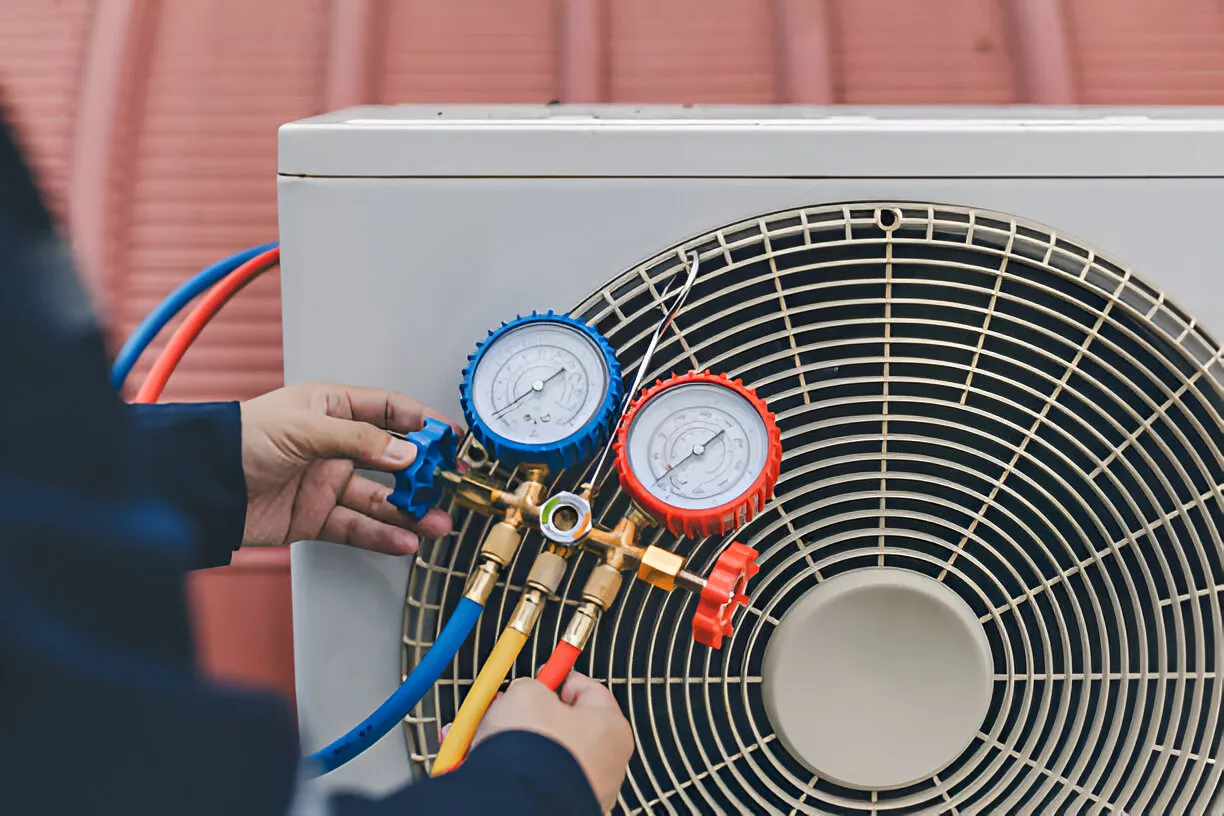
Why a seasonal HVAC tune-up matters in Downtown Columbus
Downtown Columbus presents a unique set of conditions that affect HVAC performance:
- Summers bring high humidity and frequent heat waves that force air conditioners and heat pumps to run continuously. Excess moisture also encourages mold growth in drains and ducts.
- Winters are cold, often with wet snow and freeze-thaw cycles that can strain furnaces, boilers, and outdoor condensing units.
- Many Downtown Columbus residences are older row homes, renovated apartments, or high-rise condos with compact mechanical spaces and duct systems susceptible to dust, debris, and airflow restrictions.
- Urban air contains higher levels of particulates, pollen during spring, and vehicle exhaust that can clog filters, coils, and outdoor fan motors faster than in suburban areas.
A properly executed tune-up addresses these stressors by restoring airflow, checking refrigerant and safety systems, cleaning critical components, and documenting system performance. Best Service Heating & Cooling brings local experience and a structured tune-up process tailored to Downtown Columbus homes and buildings.
What a complete HVAC tune-up includes
A professional seasonal tune-up is more than a quick filter change. Best Service Heating & Cooling follows a comprehensive checklist that covers the whole system and provides a clear performance report and recommended repairs. Typical tune-up components include:
- System inspection
- Visual and operational inspection of furnace, air handler, condensing unit, or heat pump
- Inspection of ductwork visible from access points for leaks, loose connections, and contamination
- Verification of proper ventilation and combustion air for fossil fuel equipment
- Cleaning services
- Evaporator and condenser coil cleaning to remove dirt that reduces heat transfer
- Burner and heat exchanger cleaning on furnaces and boilers to ensure efficient combustion
- Condensate drain and pan cleaning to prevent clogs and water damage
- Debris removal around outdoor units and intake screens
- Component testing and calibration
- Thermostat calibration and verification of setpoint and control response
- Safety control tests including limit switches, pressure switches, flame sensors, and rollout protection
- Electrical connections inspection and tightening to reduce arcing and component stress
- Motor and fan inspection, lubrication if applicable, and belt condition checks
- Refrigerant and airflow checks
- Refrigerant level verification and leak check when indicated
- Suction and discharge pressure readings for cooling systems
- Airflow measurements and static pressure checks to identify blockages, undersized return paths, or duct leakage
- Filter inspection and replacement recommendations based on system needs and indoor air quality
- Performance reporting and recommendations
- System performance summary including temperature split, airflow observations, and electrical load data
- Identification of failing components or safety concerns with prioritized repair recommendations
- Energy efficiency observations and potential upgrade suggestions such as programmable thermostats or zoning
- Documentation and follow-up
- Written report left with the homeowner or property manager detailing findings and next steps
- Explanation of how tune-up results affect warranty or maintenance plan coverage
- Option to enroll or update preventative maintenance agreement for scheduled future visits
Common HVAC issues in Downtown Columbus and how tune-ups prevent them
Downtown Columbus homes often show recurring HVAC problems that tune-ups are designed to catch early. Here are the most frequent issues and the tune-up actions that stop them from becoming emergencies.
- Reduced cooling capacity and higher electric bills
- Cause: Dirty coils, low refrigerant, clogged filters, or restricted airflow
- Tune-up solution: Coil cleaning, refrigerant level checks, filter replacement, and airflow balancing restore efficiency and lower operating cost.
- Short cycling or frequent on-off cycles
- Cause: Oversized equipment, dirty systems, thermostat miscalibration, or safety-related shutdowns
- Tune-up solution: Thermostat calibration, electrical and control testing, and airflow correction to allow longer, stable run cycles and reduce wear.
- Clogged condensate drains and water leaks
- Cause: Urban dust, mold growth, and pollen clog condensate lines and pans
- Tune-up solution: Drain cleaning, trap inspection, and condensate safety switch testing prevent water damage and mold.
- Poor heating performance or uneven temperatures
- Cause: Dirty burners, weak blower motors, duct leaks, or failing ignition components
- Tune-up solution: Burner cleaning, blower inspection and calibration, duct sealing recommendations, and safety control tests ensure safe, even heat distribution.
- Strange noises or vibrations
- Cause: Loose components, failing motors, misaligned belts, or refrigerant issues
- Tune-up solution: Tightening electrical and mechanical parts, lubrication, and component checks address noise and prevent failure.
- Indoor air quality concerns
- Cause: Dirty coils, filters, and ducts circulating dust, pollen, or combustion byproducts
- Tune-up solution: Filter guidance, coil cleaning, condensate maintenance, and recommendations for air purification or humidification options.
The diagnostic and tune-up process explained
Best Service Heating & Cooling follows a methodical approach that emphasizes safety, performance, and documentation. The visit typically follows this flow:
Pre-inspection walkthrough
- Confirm system type, age, and any known issues with the homeowner or building manager.
- Note mechanical room access restrictions common in Downtown Columbus apartments and condos.
Safety and power checks
- Verify proper power disconnects and visually inspect wiring and fuses.
- Perform combustion safety checks on gas-fired equipment, including flue and venting inspection.
System startup and operational checks
- Run heating and cooling cycles to observe baseline operation.
- Listen for abnormal noises and watch for irregular cycling.
Cleaning and preventive service
- Clean coils, burners, condensate lines and pans, air intake screens, and accessible interior surfaces.
- Replace or advise on replacement of air filters appropriate to the home’s indoor air quality needs.
Calibration and performance measurements
- Calibrate thermostat and test all safety controls.
- Measure refrigerant pressures, temperature split across evaporator coil, and motor amperage.
- Check static pressure and supply/return airflow where accessible.
Documentation and recommendations
- Prepare a clear report showing observed readings, maintenance performed, and recommended repairs or upgrades.
- Explain how recommended repairs impact safety, efficiency, and system longevity.
Preventative maintenance alignment
- Discuss how this tune-up fits into an ongoing maintenance plan that schedules future inspections and creates service records.
This structured process is designed to be thorough yet respectful of Downtown Columbus properties where access and timing can be constrained.
Typical repairs identified during tune-ups and why they matter
Tune-ups frequently identify small but critical repairs that, if left unattended, lead to costly failures. Common findings include:
- Dirty or failing blower motors that reduce airflow and overheat systems
- Worn capacitors and relays that cause intermittent compressor or motor failures
- Low refrigerant from minor leaks that reduce cooling efficiency and harm compressors
- Cracked heat exchangers or failing ignition components that pose safety risks for fossil fuel systems
- Leaky ducts in constrained downtown spaces that lead to uneven comfort and wasted energy
Addressing these issues early preserves equipment life, prevents sudden outages during extreme weather, and keeps homes safer. Best Service Heating & Cooling documents each issue and explains the safety and efficiency implications so homeowners in Downtown Columbus can make informed decisions.
How tune-ups tie into preventative maintenance agreements
A single tune-up provides immediate value, but repeating tune-ups as part of a structured preventative maintenance agreement multiplies benefits. Best Service Heating & Cooling’s maintenance plan framework is tailored to central Ohio needs and emphasizes consistent care.
Benefits of a preventative maintenance agreement:
- Scheduled seasonal inspections timed before heavy-use seasons (spring for cooling, fall for heating) to ensure peak performance when it matters.
- Priority scheduling and predictable service windows that accommodate downtown living and limited access.
- Consistent performance history and documentation that helps with warranty compliance and resale disclosures.
- Discounts on repair labor and parts under many maintenance plan structures, reducing lifetime operating cost.
- Lower likelihood of emergency service calls during extreme weather because systems are kept in tune.
Preventative agreements typically include at least two tune-up visits per year, safety checks, filter reminders, and a written summary after each visit. They are especially valuable in Downtown Columbus where seasonal extremes and urban conditions accelerate wear.
Energy, safety, and longevity benefits of regular tune-ups
Investing in seasonal tune-ups is not just about preventing breakdowns. The broader benefits include:
- Energy efficiency improvements: Clean coils, correct refrigerant charge, proper airflow, and well-calibrated controls can restore or improve system efficiency, lowering monthly energy consumption.
- Extended equipment life: Reducing mechanical stress, preventing overheating, and keeping lubricated parts functioning increases the useful life of compressors, motors, and heat exchangers.
- Improved indoor comfort: Balanced airflow and correct thermostat operation translate into more consistent temperature and humidity control throughout the home.
- Health and indoor air quality: Clean condensate lines, coils, and filters reduce mold growth and particulate circulation.
- Safety assurance: Testing combustion and safety controls on furnaces and boilers prevents carbon monoxide risks and unsafe operating conditions.
For Downtown Columbus residents, these benefits protect against the higher cost of living impacts from inefficient systems and reduce the disruption of system failures in dense residential settings.
Maintenance tips Downtown Columbus homeowners can use between tune-ups
Between professional visits, a few simple habits help maintain system performance:
- Replace filters according to use and manufacturer recommendations. In downtown homes with higher indoor particulates, monthly checks are often necessary during high-use seasons.
- Keep outdoor units clear of leaves, snow, and debris. Even small blockages can reduce efficiency.
- Ensure return vents are not blocked by furniture or curtains to maintain proper airflow.
- Run a humidifier or dehumidifier as needed. High summer humidity increases cooling load, while winter dry air strains heat systems.
- Watch for signs of reduced performance: odd odors, water on the floor near equipment, increased noise, or steady rises in utility usage.
These steps, combined with professional tune-ups, keep HVAC systems operating smoothly and cost-effectively.
What to expect in the tune-up report
After a Best Service Heating & Cooling tune-up, Downtown Columbus homeowners receive a clear performance report that typically includes:
- Summary of services completed (cleaning, tests, adjustments)
- Measured values such as temperature split, refrigerant pressures, and motor amperages
- Safety test results and any immediate safety concerns
- Recommended repairs or part replacements prioritized by safety and performance impact
- Notes on indoor air quality and filter recommendations
- Suggested schedule for the next maintenance visit and how this visit ties into a maintenance agreement
This documentation helps homeowners track equipment condition over time and supports warranty requirements for many manufacturers.
Long term value: tune-ups and equipment replacement planning
Regular tune-ups produce a service history that helps determine the right time to repair versus replace. Patterns such as increasing repair frequency, declining efficiency despite tune-ups, or major component failures can signal the value of replacement. For Downtown Columbus homes where space and installation logistics matter, early planning informed by tune-up data helps manage transitions to new equipment with minimal disruption.
Company experience and local perspective
Best Service Heating & Cooling has served Columbus neighborhoods since 1992 and understands the specific challenges Downtown Columbus homes face. This local experience informs:
- How frequently components need attention due to urban dust and pollen
- The best approaches to access and service in high-rise condos and older row houses
- Seasonal timing to tune systems before heat waves or cold snaps to prevent emergency calls
Best Service Heating & Cooling emphasizes clear documentation, safety testing, and practical recommendations tailored to each property.
Hot Deals & Cool Savings

.webp)
New Service Agreement Membership
.webp)
Any New Client Service
Next Service for Referring a New Client
New Service Agreement Membership
Any New Client Service
Next Service for Referring a New Client
.webp)
.webp)

Service Areas
