
HVAC Replacement in Franklinton, OH
Explore full-system HVAC replacement in Franklinton, OH, including Manual J sizing, energy efficiency, timelines, warranties, and financing options for installation.

Replacing an entire HVAC system is one of the most significant home investments for comfort, energy savings, and indoor air quality. For homeowners in Franklinton, OH, where summers are hot and humid and winters can dip well below freezing, a properly chosen and installed system matters more than just temperature control.
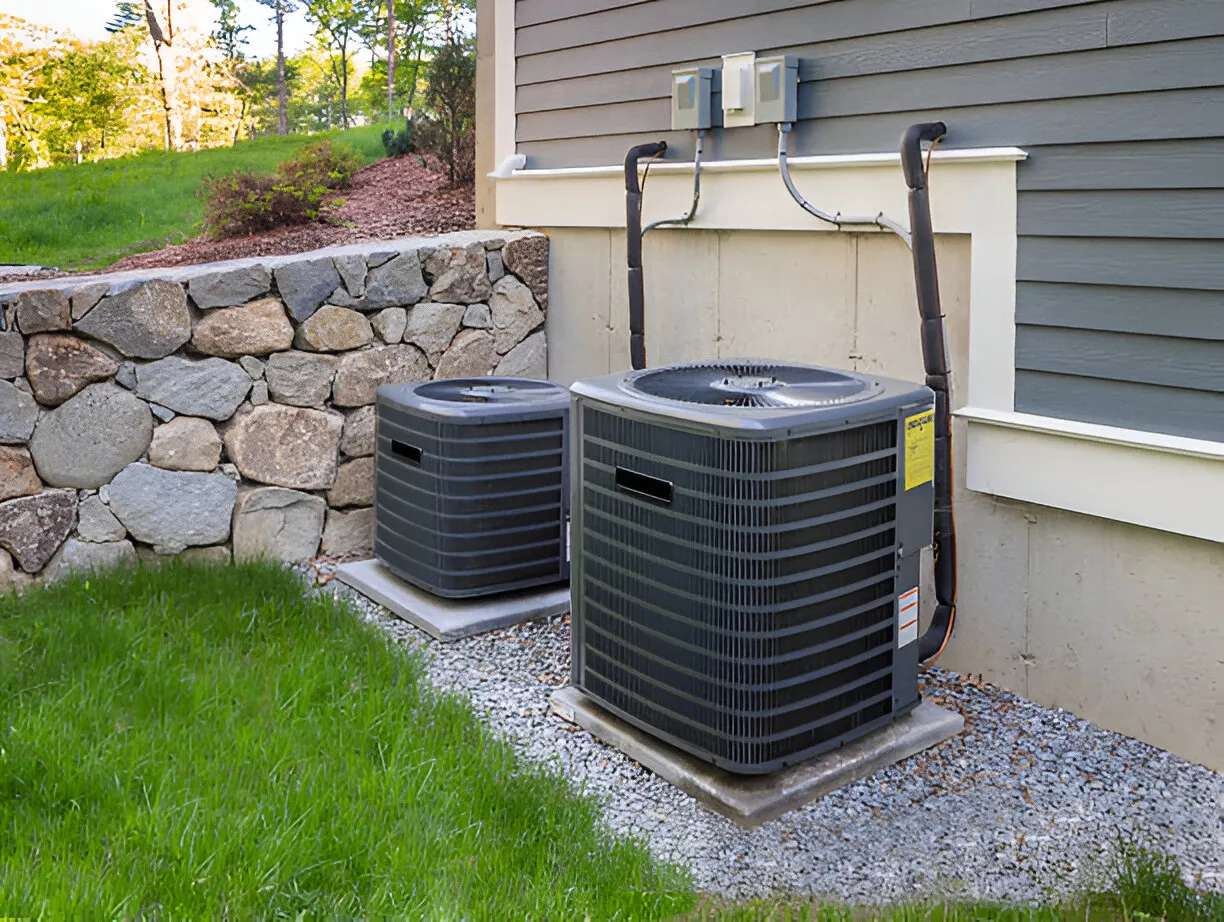
Why full-system replacement matters in Franklinton homes
- Franklinton is part of the Columbus microclimate with humid summers and cold, sometimes prolonged winters. Systems that are undersized or old struggle to maintain comfort and keep indoor humidity under control.
- Many homes in Franklinton are older and may have aging ductwork, poor insulation, or space constraints that affect equipment selection and installation strategy.
- Replacing an entire system at once ensures equipment is matched and optimized: furnace, outdoor condensing unit (AC or heat pump), indoor coil, thermostat, and ductwork are sized and configured to work together for peak efficiency and comfort.
Common HVAC issues that point toward replacementYou may be considering a replacement because of frequent breakdowns or rising energy bills. Typical signs that replacement is the better investment versus repeated repairs include:
- Age of equipment: Furnaces over 15-20 years or central AC units over 10-15 years often lose efficiency and face increasing component failures.
- Frequent repairs: Multiple service calls in a short window indicate systemic wear; repair costs approaching the value of a newer system signal replacement.
- Major component failures: Compressor burnout, cracked heat exchangers, or refrigerant systems reliant on obsolete refrigerants are common replacement triggers.
- Inadequate comfort: Rooms that never get comfortable, excessive humidity in summer, or inconsistent heating across the home often mean the system is improperly sized or the ductwork is inadequate.
- Rapidly rising utility bills: Older systems with lower AFUE or SEER ratings can cost substantially more to run.
- Safety concerns: Furnaces with cracked heat exchangers, spillage, or unsafe combustion conditions should be replaced promptly.
When repair is still reasonable
- Single, isolated failures on otherwise reliable, modern equipment can be repaired cost effectively.
- If the system is relatively new (under 8-10 years) and energy performance remains acceptable, targeted repairs and preventative maintenance can extend life.
- Cosmetic or minor component replacements that restore efficiency and safety without large capital expenditure.
Equipment options: furnaces, air conditioners, and heat pumpsSelecting the right technology for your Franklinton home balances upfront cost, fuel availability, efficiency goals, and performance in seasonal extremes.
Furnaces (gas and electric)
- Gas furnaces: Common for central Ohio. Modern condensing furnaces offer high AFUE efficiency (90% plus) and lower operating cost during cold months. Look for variable-speed blowers and multi-stage burners for better comfort and humidity control.
- Electric furnaces: Less common for whole-house heating due to higher operating cost, but may be used where gas is unavailable or for supplemental systems.
Air conditioners (central split systems)
- Central AC paired with a furnace or air handler is standard in many homes. Newer units with higher SEER ratings (Seasonal Energy Efficiency Ratio) deliver better cooling efficiency. Variable-speed or two-stage compressors improve performance and humidity control in humid Franklinton summers.
Heat pumps (air-source and ductless options)
- Cold-climate air-source heat pumps have improved significantly and now perform well in our Ohio winters for many homes. Heat pumps provide both heating and cooling with high efficiency, and modern models with variable-speed inverters maintain comfort at lower outdoor temperatures.
- Ductless mini-splits are a flexible option for additions, zoned comfort, or homes with limited ductwork. They can be an efficient replacement where installing ducts is impractical.
Hybrid systems
- A combination of heat pump and gas furnace can provide electric heat for mild seasons and gas backup for the coldest days, optimizing efficiency and fuel cost.
Key equipment features to consider
- SEER and EER: Higher SEER ratings indicate better seasonal cooling efficiency; EER is useful for peak load efficiency.
- AFUE: Annual Fuel Utilization Efficiency for furnaces; higher numbers mean more of the fuel converts to heat.
- HSPF: Heating Seasonal Performance Factor for heat pumps.
- Variable-speed motors and compressors: Improve comfort, reduce cycling, and enhance humidity control.
- Modulating and two-stage operation: Provide more consistent indoor temperatures and greater efficiency than single-stage units.
- Matched components: Using a coil, outdoor unit, and furnace designed to work together maximizes performance.
Sizing and design: why Manual J, D, and S matterCorrect sizing is critical. Oversized equipment cycles frequently, reduces comfort, and can increase humidity; undersized equipment will not maintain setpoints during peak conditions. Proper system design includes:
- Manual J load calculation: Determines heating and cooling needs based on home size, insulation levels, window types, orientation, occupancy, and local climate factors specific to Franklinton homes.
- Manual D duct design: Ensures ducts are the correct size and layout for balanced airflow and efficient delivery to all rooms.
- Manual S equipment selection: Matches equipment to the calculated loads and selects capacity and features appropriate for your home.
Energy-efficiency considerations specific to Franklinton
- Humid summers: Look for cooling systems with strong dehumidification capability. Variable-speed compressors and blowers reduce short cycling and remove more moisture.
- Winter performance: If switching to a heat pump, choose a model rated for cold-climate performance or a hybrid system to avoid high backup heat use on extreme cold days.
- Insulation and air sealing: Replacing equipment is an ideal time to evaluate attic and wall insulation and seal duct leaks. A well-sealed, insulated home reduces equipment size and operating costs.
- Thermostat and controls: Smart thermostats, zoning, and demand control features can significantly reduce seasonal energy use and improve comfort.
The HVAC replacement process: step-by-stepA professional, thorough process reduces surprises and produces reliable performance for years.
Initial assessment and home evaluation
- Visual inspection of existing system, ductwork, and mechanical room.
- Review of past service history, energy bills, and homeowner comfort concerns.
- Preliminary sizing discussion and equipment options overview.
Load calculations and detailed plan
- Full Manual J load calculation performed to determine exact heating and cooling loads for each space.
- Manual D duct assessment or redesign if ducts are undersized, leaky, or poorly routed.
- Manual S equipment selection to specify the capacity and features best suited to the load and budget.
Proposal and equipment selection
- Comparison of equipment types (furnace, AC, heat pump) and efficiency levels, with clear explanations of tradeoffs such as lifecycle cost versus upfront investment.
- Review of required modifications: ductwork repair/insulation, ventilation improvements, or condensate handling.
Permits and scheduling
- Local permits and inspections may be required in Columbus and Franklinton. Proper permitting ensures compliance with local codes and safe operation.
- Coordination for arrival, access, and any homeowner preparations like clearing the work area.
System removal and preparation
- Safe removal and disposals of old equipment and refrigerant per EPA regulations.
- Inspection and repair of the existing ductwork, insulation upgrades, and any necessary modifications to accommodate new equipment.
Installation
- Installation of new outdoor condensing unit, indoor furnace or air handler, evaporator coil, thermostat, and any ventilation or zoning hardware.
- Proper refrigerant charging, electrical wiring, gas hookups, and condensate drainage are completed to manufacturer specifications.
Testing, balancing, and commissioning
- Startup and detailed testing of all components.
- Airflow measurements, static pressure checks, temperature split verification, and refrigerant charge validation.
- HVAC balancing to ensure each room receives proper airflow and temperature.
- Homeowner walkthrough to explain system operation, thermostat programming, and maintenance needs.
Final inspections and documentation
- Completion of local inspections where required.
- Delivery of manufacturer warranty paperwork, installation records, and recommended maintenance schedule.
Financing options and rebatesReplacing an HVAC system is a major investment, and homeowners in Franklinton have several paths to reduce upfront cost and improve payback.
Common financing approaches
- Contractor financing programs: Many HVAC companies offer installment plans through third-party lenders with fixed monthly payments.
- Home improvement loans: Unsecured personal loans or home improvement loans can finance a full replacement.
- Home equity options: Home equity lines of credit or second mortgages may offer longer repayment terms.
- Manufacturer financing promotions: Some manufacturers offer special financing on qualifying equipment for limited periods.
Rebates, tax credits, and incentives
- Utility rebates: Local utilities and energy programs often provide rebates for high-efficiency equipment, programmable thermostats, and duct sealing. In the Columbus area, check with regional utilities and energy efficiency programs for up-to-date incentives.
- Manufacturer rebates: Equipment manufacturers periodically offer rebates on select high-efficiency models or package deals.
- Federal and state incentives: Energy efficiency tax credits and state-level incentives change periodically. High-efficiency heat pumps and certain furnace upgrades have qualified for federal credits in recent years. Verify current eligibility through tax or energy program resources.
- Combining incentives: In many cases, you can stack a utility rebate, a manufacturer rebate, and any qualifying tax credit for greater savings.
How incentives are typically captured
- Rebates may require pre-approval, specified installation practices, or licensed installers. Work with your installer and local programs to confirm documentation and timing.
- Tax credits usually require retaining receipts and manufacturer certification statements for tax filing.
Expected timelines for a full HVAC replacementTimelines vary by job complexity, equipment availability, and whether ductwork or structural changes are needed. Typical schedules:
- Straight swap: 1 day. Replacing like-for-like equipment where ducts and access are adequate is often completed in a single working day with testing.
- Moderate replacement: 2 to 3 days. If some duct repairs, coil changes, or minor framing are required, expect two to three days.
- Full system with duct redesign: 3 to 7 days. Major duct redesign, insulation work, or significant structural access can extend the schedule.
- Permits and inspections: Permit processing times vary and can influence start dates. Post-installation inspections typically occur within a few days of completion.
Post-installation support and warrantiesLong-term satisfaction depends on both manufacturer coverage and installer support.
Manufacturer warranties
- Most major HVAC components include limited manufacturer warranties covering compressions, heat exchangers, or electronics for varying terms (parts warranties commonly range from 5 to 10 years; extended warranties may be available).
- Some components have conditional warranties that require professional installation and regular maintenance from a qualified contractor.
Labor and workmanship warranties
- Reputable installers typically provide a labor warranty that covers installation workmanship for a specified period. This covers issues that stem from installation errors rather than component failure.
Recommended post-installation support
- Service and maintenance plan: Regular seasonal tune-ups maintain efficiency and preserve warranties. Preventative maintenance often catches minor issues before they become failures and extends equipment life.
- System commissioning follow-ups: A follow-up visit a few weeks after installation ensures system performance under typical usage.
- Documentation: Keep installation records, owner manuals, and warranty registration details in an accessible place.
Maintenance best practices to protect your investment
- Schedule biannual maintenance: A spring cooling tune-up and a fall heating tune-up maintain performance and catch issues early.
- Replace filters regularly: Clean or replace filters according to manufacturer guidance to protect equipment and maintain airflow.
- Keep outdoor units clear: Maintain a 2 to 3 foot clear perimeter around outdoor condensers to ensure airflow.
- Monitor thermostat settings and operation: Smart thermostats can help track performance and spot irregularities.
- Seal and insulate ducts: Leaky ducts reduce efficiency and increase operating cost; resealing and insulating ducts is a high-value upgrade for older Franklinton homes.
Local considerations for Franklinton, OH installations
- Flood zones and equipment placement: Parts of Franklinton are low-lying and subject to flooding. When replacing equipment, consider elevating outdoor units and locating air handlers or furnaces above known flood levels when practical.
- Older homes and tight spaces: Many homes in the neighborhood have unique duct layouts, confined mechanical closets, or limited access. Ductless options or compact air handlers may be a practical solution when crawlspaces or attic access are restricted.
- Historic neighborhood considerations: If you live in historic housing stock, pay attention to venting routes, exterior condenser location (noise and aesthetics), and preserving original architectural elements when planning installation.
- Urban heat island effect: Franklin County urban areas can experience higher summer temperatures than surrounding rural neighborhoods. Efficient cooling and proper shading of outdoor units can mitigate local heat load impacts.
Why professional assessment and matching matter
- The cheapest upfront unit is not always the best value. An oversized high-SEER unit that is poorly matched to the home and ducts can cost more and perform worse than a properly sized mid-efficiency system.
- Professional installers perform the calculations and commissioning necessary to ensure comfort, efficiency, and equipment longevity.
- Local experience matters: Installers familiar with the Columbus and Franklinton building stock will anticipate common issues like tight mechanical rooms, old ductwork, and flood-related considerations.
Hot Deals & Cool Savings

.webp)
New Service Agreement Membership
.webp)
Any New Client Service
Next Service for Referring a New Client
New Service Agreement Membership
Any New Client Service
Next Service for Referring a New Client
.webp)
.webp)

Service Areas
