
HVAC Replacement in Baltimore, OH
HVAC replacement in Baltimore, OH delivers precise sizing, efficient equipment, and thorough testing for lasting comfort and energy savings.

Replacing an entire HVAC system is one of the most important investments you can make in your home. In Baltimore, OH, where hot, humid summers and cold, variable winters put heavy demands on heating and cooling equipment, a properly sized, modern system delivers more consistent comfort, lower energy bills, and improved indoor air quality. Best Service Heating & Cooling brings decades of residential HVAC experience to Baltimore homes, helping homeowners move from frequent repairs and poor performance to reliable, efficient comfort systems tailored to local climate and construction conditions.
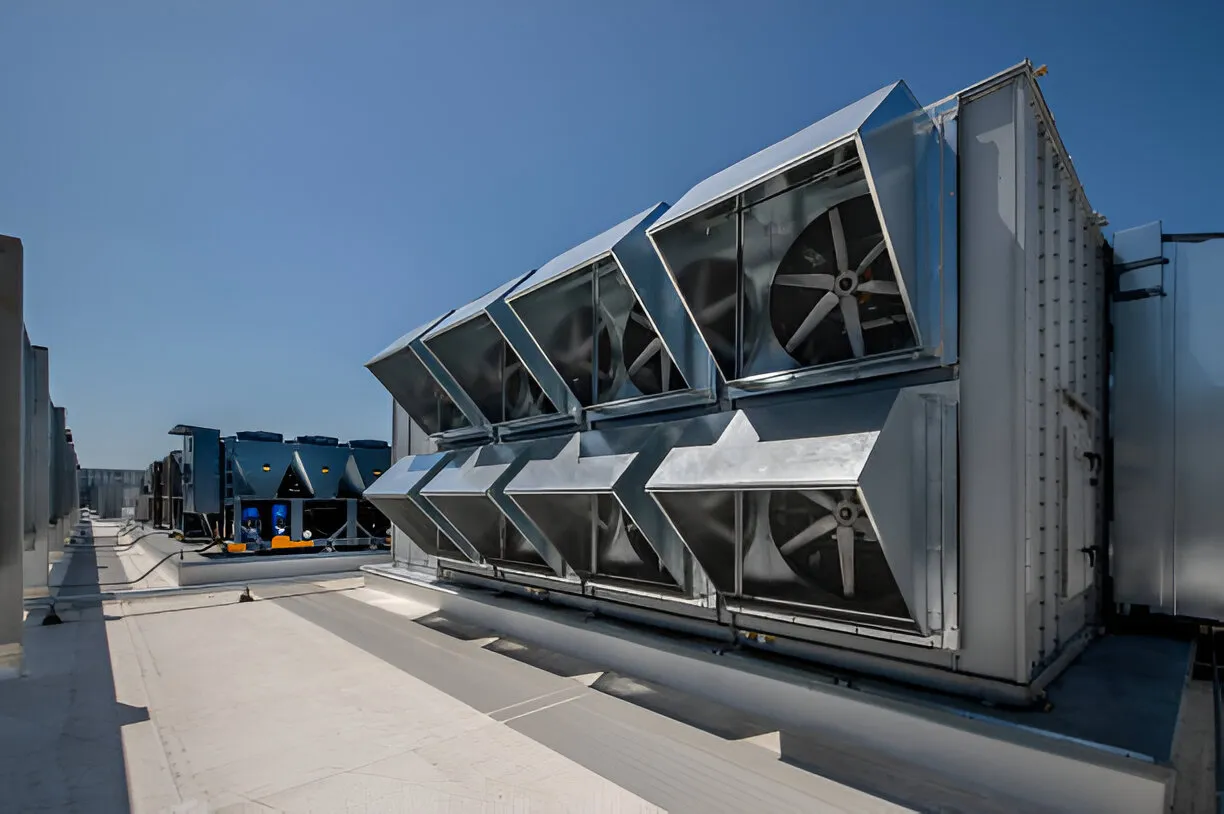
Why full-system HVAC replacement matters in Baltimore, OH
- Baltimore area homes often face seasonal extremes: warm, humid summers that need dehumidification and efficient cooling, and cold winters that require dependable heating. Older systems struggle with both.
- Many local houses were built before modern insulation and air sealing standards. An oversized or undersized system, or mismatched components, will not perform as expected in these homes.
- Replacing an entire HVAC system at once allows for matched components - outdoor unit, indoor coil, furnace or air handler, controls, and ductwork - which maximizes efficiency and extends equipment life.
- Replacement is often more cost effective than repeated repairs on aging systems that are near the end of their expected lifespan.
Common HVAC Replacement Triggers in Baltimore, OH
Homeowners typically consider full-system replacement when they experience one or more of the following:
- Frequent breakdowns or rising maintenance costs on older equipment
- Furnace age beyond 15-20 years or central air older than 10-15 years
- Noticeable uneven heating or cooling between rooms
- High utility bills despite routine maintenance
- Loud operation, cycling on and off frequently, or failing to reach set temperatures
- Refrigerant leaks, or obsolete refrigerant that is expensive to service
- Safety concerns such as cracked heat exchangers or gas leaks
- Desire for improved indoor air quality, humidity control, or advanced controls
Types of full-system replacements we install
- Gas furnace with central air conditioner - common in many Baltimore homes
- Heat pump systems - efficient choice for mild winters and humid summers; available as air-source or ductless mini-split
- Ductless split systems - ideal for historic homes or additions without ductwork
- High-efficiency packaged systems - for homes where indoor space for an air handler is limited
- Hybrid systems - combining heat pump and gas furnace for optimal year-round efficiency
Best Service Heating & Cooling evaluates each home to recommend the most appropriate system type based on the house layout, insulation, existing ductwork, and homeowner comfort priorities.
Comprehensive equipment evaluation and load calculations
A reliable replacement begins with a thorough evaluation and precise sizing:
- Visual inspection of existing equipment, electrical connections, gas lines, ductwork condition, and thermostat location.
- Measurement of indoor and outdoor conditions, airflow checks, and evaluation of previous service history.
- Manual J load calculation to determine heating and cooling loads based on square footage, insulation levels, window types, orientation, occupancy, and local climate factors in Baltimore, OH.
- Manual S equipment selection to match capacity and efficiency to the calculated load.
- Manual D duct design or assessment to determine whether duct resizing, sealing, or a new layout is required for balanced airflow.
Proper sizing is critical. Oversized equipment can short cycle and reduce comfort and efficiency. Undersized equipment will run constantly and still fail to keep the home comfortable. Best Service uses industry-standard calculations to avoid guesswork.
Energy-efficient model recommendations for Baltimore homes
When recommending equipment, we consider both efficiency ratings and real-world performance in central Ohio conditions:
- SEER and SEER2 ratings for air conditioning efficiency and seasonal cooling performance. Higher SEER is especially beneficial for hot, humid summers.
- AFUE ratings for gas furnaces to measure fuel-to-heat conversion efficiency. Modern high-efficiency furnaces deliver significant savings over older units.
- HSPF for heat pumps and cold-climate performance if a heat pump is selected.
- Variable-speed and two-stage compressors and ECM blower motors for more even temperatures, quieter operation, and better dehumidification in Baltimore summers.
- Inverter-driven compressors for tighter temperature control and lower runtime.
- Matched systems - pairing correctly sized indoor and outdoor units for optimal refrigerant charge and performance.
- Indoor air quality upgrades such as whole-home filtration, HEPA-compatible systems, UV germicidal lights, and whole-home dehumidification to combat summertime humidity and seasonal allergens.
Best Service Heating & Cooling recommends equipment based on durability, manufacturer reliability, and the homeowners comfort and efficiency goals.
Financing, rebates, and incentives
Replacing a full HVAC system is a major purchase. Options that homeowners should investigate include:
- Manufacturer rebates that vary by equipment model and promotional periods.
- Utility company incentives for high-efficiency systems or heat pumps. Local utility programs in central Ohio sometimes provide rebates for qualifying upgrades.
- Federal and state tax credits or energy incentives for certain high-efficiency or electrified systems. Eligibility and program availability change over time and may require specific documentation and equipment certifications.
- Financing options through Best Service Heating & Cooling to spread payments over time. Loan products may include low monthly payment options or deferred interest for a promotional period.
- Energy audits and pre-approval processes that help determine which incentives apply.
Before committing, homeowners should gather documentation such as existing system information, energy usage history, and project proposals to confirm incentive eligibility.
Step-by-step replacement process and timeline expectations
Full-system replacement follows a clear process to ensure quality and predictability:
Initial consultation and on-site assessment
- Typical time: 1 to 2 hours
- Goals: review system history, inspect space, gather measurements for Manual J calculations
Proposal and equipment selection
- Typical time: 1 to 7 days to prepare detailed estimates and options
- Includes recommended models, projected efficiencies, and scope of work for ductwork, electrical, and gas modifications
Permits and scheduling
- Typical time: 2 to 14 days depending on permit review and equipment lead time
- Best Service coordinates local permit applications and inspections to ensure code compliance
Pre-installation preparations
- Ordering equipment, confirming access, and any pre-job work such as attic access modification or electrical upgrades
Installation day(s)
- Typical time: 1 to 3 days for most single-family homes for split systems; larger or complex replacements may take 3 to 5 days
- Tasks include removal of old equipment, refrigerant recovery, replacement of indoor and outdoor units, duct modifications/sealing, gas and electrical hook-ups, thermostat installation, and final cleanup
Commissioning and performance testing
- On completion: thorough testing of refrigerant charge, airflow, temperature split, static pressure, startup sequence, electrical checks, and, for gas furnaces, combustion analysis and carbon monoxide checks
- Final walkthrough and documentation
- System controls review, maintenance recommendations, warranty documentation, and orientation on system operation
Timeline varies with equipment availability, permit turnaround, and the complexity of ductwork or structural modifications. Best Service provides timeline estimates tailored to each project.
Disposal of old equipment and environmental compliance
Proper removal and disposal of old HVAC equipment is required by both environmental regulations and sound practice:
- Refrigerant recovery must comply with EPA rules. Refrigerant is recovered by certified technicians to prevent greenhouse gas release.
- Recycling of metals and safe disposal of oil, PCB-containing capacitors, and other hazardous components.
- Disposal or recycling of old thermostats that may contain mercury, in accordance with local rules.
- Removal of abandoned gas lines or safe capping performed to code.
- Documentation of proper disposal or recycling is provided when requested.
Best Service Heating & Cooling follows all applicable federal, state, and local regulations during removal and disposal to protect the home and the environment.
Warranty information and aftercare
A proper warranty portfolio consists of manufacturer coverage and workmanship protection:
- Manufacturer warranties typically cover parts for a specified number of years. Some manufacturers offer limited or extended labor warranties when installed by authorized dealers.
- Best Service provides a workmanship warranty on installations. Warranty terms vary by equipment and project type and are documented at time of sale.
- Many manufacturer warranties require registration after installation and regular maintenance to remain valid.
- Routine maintenance preserves performance and protects warranty rights. Best Service offers a maintenance plan that includes seasonal tune-ups, priority service, and discounts on repairs.
- Understanding warranty exclusions is important: normal wear, improper maintenance, and unauthorized repairs can void coverage.
Homeowners should retain paperwork, warranty registrations, and maintenance records for future reference.
Post-installation performance testing and commissioning
Reliable performance is verified through thorough testing:
- Airflow measurements to verify proper CFM to each major supply.
- Static pressure checks and duct leakage assessment when necessary.
- Refrigerant charge verification and superheat/subcooling testing to ensure efficient compressor operation.
- Temperature split analysis across the evaporator coil to confirm sensible cooling performance.
- Combustion analysis on gas furnaces to check proper fuel-to-air ratios and safe venting.
- Carbon monoxide testing at the appliance and in living spaces for safety.
- Thermostat calibration and Wi-Fi smart thermostat configuration if installed.
- Documentation of test results and recommended adjustments for optimal comfort.
Commissioning ensures the new system performs as intended and that homeowners understand system operation and maintenance requirements.
What to expect after replacement
- Improved comfort with more consistent temperatures and humidity control.
- Lower monthly utility bills when replacing aging equipment with high-efficiency models.
- Quieter operation and better indoor air quality with proper filtration and balanced airflow.
- Reduced repair calls and extended system life when matched equipment is installed and maintained.
- Predictable performance and documented safety with professional commissioning and warranty coverage.
Choosing the right replacement partner in Baltimore, OH
When selecting a contractor for full-system replacement, consider:
- Local experience with Baltimore and central Ohio homes, climate, and building types.
- Proper licensing and insurance. Best Service Heating & Cooling operates with licensed technicians and has served central Ohio since 1992.
- Certifications and manufacturer-authorized installation status for warranty compliance.
- Clear, written proposals that include load calculations, equipment specifications, labor details, and warranty terms.
- Professional installation procedures that include refrigerant recovery, electrical and gas safety checks, and post-install testing.
- Transparent discussions of financing and available rebates without pressure.
Best Service Heating & Cooling offers long-term local experience, an A+ BBB accreditation, and a commitment to industry best practices that helps protect homeowner investments.
Maintenance recommendations to protect your investment
- Schedule biannual tune-ups - minimum of annual inspections for both heating and cooling functions to maintain efficiency and detect issues early.
- Replace air filters monthly or per manufacturer guidance; higher MERV filters improve filtration but may require blower adjustments.
- Keep outdoor units clear of vegetation and debris; maintain proper airflow around outdoor condensers.
- Use programmable or smart thermostats to reduce runtime while maintaining comfort.
- Address small issues promptly to avoid larger failures, such as noisy bearings, accumulating ice on coils, or persistent short cycling.
Regular maintenance extends equipment life and helps maintain warranty coverage.
Estimated system lifespans and replacement considerations
- Central air conditioners: typically 12-15 years; modern high-efficiency models can last longer with proper maintenance.
- Furnaces: 15-20 years depending on type and maintenance history.
- Heat pumps: 10-15 years for air-source units; longevity increases with regular service and proper installation.
- Ductless systems: 10-15 years with good care.
Age is only one factor; efficiency, repair history, and comfort performance determine whether replacement is the best choice.
Hot Deals & Cool Savings

.webp)
New Service Agreement Membership
.webp)
Any New Client Service
Next Service for Referring a New Client
New Service Agreement Membership
Any New Client Service
Next Service for Referring a New Client
.webp)
.webp)

Service Areas
