
HVAC Replacement in Amlin, OH
Explore HVAC replacement in Amlin, OH: Learn more about evaluation, sizing, removal, installation, and post-install testing for reliable comfort.

Replacing an HVAC system is one of the most important investments you can make in your home comfort, energy bills, and indoor air quality. For homeowners in Amlin, OH, where humid summers and cold, snowy winters put heavy seasonal stress on heating and cooling equipment, a correctly executed HVAC replacement improves reliability, reduces operating costs, and ensures consistent comfort year round. Best Service Heating & Cooling brings decades of residential replacement experience to Amlin homes, focusing on accurate evaluation, right-sized equipment, energy-efficient options, responsible removal, and thorough testing after installation.
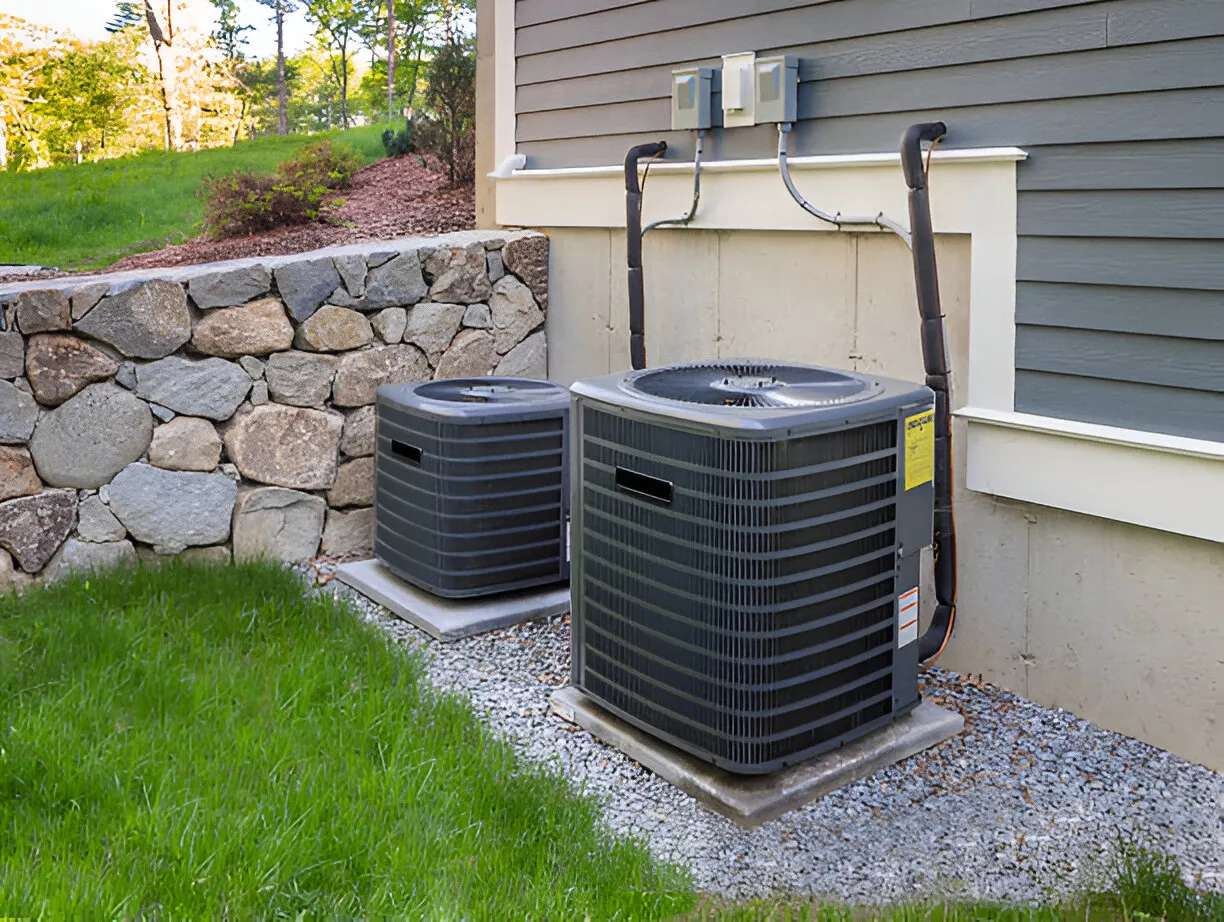
Why Amlin homeowners replace HVAC systems
- Aging equipment becomes costly to operate and unreliable during peak weather. Central Ohio temperature swings and summer humidity increase runtime and accelerate wear.
- Modern systems deliver higher efficiency, better humidity control, and quieter operation compared with units installed 10 to 20 years ago.
- Poorly sized or improperly installed equipment cannot maintain comfort and may increase energy use even when rated high-efficiency.
- Incentives, manufacturer warranties, and financing options make replacement feasible for many families who previously delayed upgrades.
Best Service Heating & Cooling applies local climate understanding and industry best practices to recommend replacements that match Amlin homes and lifestyle.
Common HVAC replacement scenarios in Amlin, OH
- Central air conditioner or heat pump at end of useful life (typically 10 to 15 years for AC/heat pumps).
- Furnaces older than 15 to 20 years experiencing increasing repair frequency.
- Homes with frequent compressor or coil failures due to age, corrosion, or poor maintenance.
- Systems undersized for remodeled or added living space.
- Excessive humidity, high energy bills, or uneven temperatures indicating limited capacity or duct problems.
- Obsolete refrigerant systems that are costly to service.
Each scenario demands a careful assessment to determine whether replacement is the best long-term choice.
How our technicians evaluate aging equipment
A thorough, methodical evaluation separates a short-term repair from a smart replacement. Typical evaluation components include:
- System age and maintenance history. We document install year, service records, and prior repairs to identify patterns of failure.
- Performance testing. We measure supply and return temperatures, static pressure, refrigerant charge, and airflow to quantify system health.
- Visual inspection. Corrosion, rust, oil stains, and evidence of refrigerant leaks are noted. We also inspect heat exchangers and burner assemblies in gas furnaces for cracks or damage.
- Efficiency assessment. We compare current energy use with expected performance for the unit model and determine how much efficiency is lost from wear or component failure.
- Home comfort and ductwork review. We inspect ducts for leaks, obstructions, or poor insulation that can undermine even a new system.
- Safety checks. For combustion appliances, we test for proper venting, CO risk, and safe operation.
This comprehensive assessment ensures replacement recommendations are grounded in facts about the system and the home.
Replacement versus repair: clear criteria we use
Deciding between repairing and replacing equipment requires balancing immediate cost with long-term value. Common criteria we use for HVAC replacement in Amlin, OH include:
- Age threshold: If a central air conditioner or heat pump is approaching 12 to 15 years, or a furnace is older than 15 to 20 years, replacement is frequently more cost effective.
- Repair history: Repeated repairs, especially on major components like compressors or heat exchangers, favor replacement.
- Cost of upcoming repairs: If a single repair exceeds a meaningful percentage of replacement cost, replacement is recommended.
- Efficiency differential: Older equipment with low SEER or AFUE ratings may never approach the efficiency of current models; long-term energy savings tip replacement toward value.
- Safety concerns: Cracked heat exchangers, leaking refrigerant, or unsafe electrical conditions necessitate replacement for safety.
- Home changes: Additions, renovations, or improvements that increase load often require a new, properly sized system.
Best Service Heating & Cooling provides transparent comparisons showing repair cost, expected remaining life, and projected energy savings so Amlin homeowners can make informed decisions.
Selecting the right energy-efficient system
Choosing a new system should prioritize comfort, efficiency, and proper sizing. Key considerations we cover with homeowners:
- System type: Central air conditioner and gas furnace split systems, heat pumps, ductless mini-splits, and hybrid options each have pros and cons in Amlin’s climate. Heat pumps have gained efficiency in mild winters, while high-efficiency furnaces remain common for colder stretches.
- Efficiency ratings: For cooling, SEER (Seasonal Energy Efficiency Ratio) indicates efficiency. For heating, AFUE (Annual Fuel Utilization Efficiency) measures furnace efficiency and HSPF measures heat pump heating efficiency. ENERGY STAR certified models often qualify for rebates.
- Indoor air quality: Options for upgraded filtration, UV light, humidity control, and whole-home ventilation are integrated during replacement to match the homeowner’s indoor air priorities.
- Noise and comfort features: Variable-speed compressors and modulating furnaces deliver quieter operation, more consistent temperatures, and better humidity control — important during Amlin’s humid summers.
- Lifecycle and serviceability: We evaluate manufacturer reliability, local parts availability, and serviceability to ensure long-term value.
We discuss tradeoffs between higher upfront cost and ongoing operational savings so homeowners can select the equipment that fits both comfort goals and budget.
Proper sizing and load calculation
Accurate sizing is one of the most important steps in an HVAC replacement. Oversized or undersized equipment leads to comfort issues, short cycling, humidity problems, and premature component wear. Our process includes:
- Manual J load calculation: We use industry-standard Manual J to calculate heating and cooling loads based on home construction, insulation, window types, orientation, duct losses, and occupancy.
- Duct assessment: We perform leakage testing and measure airflow to confirm ducts can deliver required air volume. If ducts are undersized or leaky, we include ductwork corrections in the replacement plan.
- Equipment matching: After calculating load, we select equipment and coil combinations that match the requirements, avoiding common mistakes like installing a high-capacity condenser with a mismatched indoor coil.
- Future-proofing: If homeowners plan insulation upgrades or additions, we model future loads so the new system remains appropriate over time.
Proper load calculation maximizes efficiency and comfort while protecting the new equipment.
Removal and disposal of old equipment
Removing the old system safely and responsibly is part of every replacement. Typical steps include:
- Safe disconnect and decommissioning: We follow local code for electrical disconnection, gas shutoff and cap, and refrigerant recovery performed by certified technicians.
- Refrigerant recovery and recycling: Refrigerant is recovered to comply with EPA regulations. We document recovery and disposal.
- Responsible disposal and recycling: Metal components, copper tubing, and scrap are recycled when possible. Hazardous materials are handled according to Ohio and federal requirements.
- Site cleanup: We protect floors and landscaping during removal and leave the home broom-clean after the work.
Best Service Heating & Cooling adheres to environmental and safety standards to minimize impact and leave your property clean.
Installation timeline and what to expect
A well-managed replacement follows a clear schedule so homeowners understand the project scope. Typical timeline elements:
- Pre-installation: Load calculations, system selection, and permit acquisition when required.
- Day of installation: Indoor and outdoor units removed, new equipment set in place, duct adjustments made, refrigerant lines connected, electrical and gas hookups completed. Installation time varies from one to three days depending on system complexity and any ductwork modifications.
- Start-up and calibration: Technicians charge refrigerant, adjust airflow, program thermostats, and perform initial system balancing.
- Final walkthrough: We explain system operation, thermostat settings, and maintenance needs to the homeowner.
Permitting and supply availability can affect schedule; we coordinate to minimize disruption and keep the project on track.
Brands, warranties, and parts availability
Selecting a reputable brand and understanding warranty coverage protects your investment. We work with recognized manufacturers that offer:
- Manufacturer parts and labor warranties on compressors, coils, and major components.
- Extended warranty options for peace of mind.
- Local parts distribution to minimize downtime for future repairs.
We review warranty terms in plain language, explaining what is covered, registration requirements, and typical exclusions so Amlin homeowners know what protection they have.
Financing options and rebate assistance
Amlin residents can make larger HVAC investments manageable through financing and incentives. Replacement financing options commonly offered include flexible payment plans and term loans designed for home improvements. Additionally:
- Utility rebates: Local utilities and energy programs occasionally offer rebates for high-efficiency equipment or air sealing and insulation work that reduces system load. AEP Ohio and local energy assistance programs periodically run incentives.
- Manufacturer rebates: Seasonal or model-specific rebates from equipment manufacturers can lower cash outlay.
- Federal and state incentives: Energy efficiency tax credits and incentives for heat pumps or qualifying equipment may be available under applicable federal and state programs.
- Rebate paperwork assistance: Best Service Heating & Cooling helps by providing documentation, efficiency specifications, and required receipts to support rebate and tax credit applications.
We provide a clear summary of available options and the documentation required so homeowners can evaluate net cost and payback timelines.
Post-installation testing and commissioning
A replacement is not complete without rigorous testing to ensure performance and efficiency targets are met. Commissioning steps include:
- Refrigerant charge verification and superheat/subcooling checks to factory specifications.
- Airflow measurement and static pressure checks to confirm adequate air delivery.
- Combustion analysis for fuel-fired equipment to verify safe, efficient operation.
- Thermostat calibration and control testing to ensure correct staging and setback operation.
- System balancing and airflow adjustments to address room-by-room comfort.
- Documentation of measured performance and recommendations for maintenance.
This final validation confirms your new system will operate safely, efficiently, and reliably in Amlin’s climate.
Common upgrades to consider during replacement
When replacing an HVAC system, certain upgrades often improve long-term comfort and efficiency:
- Programmable or smart thermostats for scheduling and remote control.
- Variable-speed blower motors for quieter, more consistent operation and improved humidity control.
- Whole-home humidification or dehumidification to address central Ohio humidity extremes.
- Zoned systems or dampers to balance comfort across remodeled spaces.
- Upgraded filtration and air cleaners to reduce allergens and improve indoor air quality.We evaluate each upgrade based on home needs and long-term value.
Longevity, maintenance, and expected savings
A properly installed, right-sized system that receives regular maintenance will last longer and perform better. Typical expectations:
- New AC or heat pump units can last 12 to 15+ years when properly maintained.
- Modern high-efficiency furnaces can last 15 to 20+ years with routine servicing.
- Regular preventive maintenance reduces emergency repairs, maintains efficiency, and preserves warranty coverage.
- Energy savings depend on equipment replaced, but upgrading from an older system to a modern high-efficiency unit often produces measurable reductions in cooling and heating bills, especially when combined with duct sealing and insulation improvements.
We provide maintenance plans tailored to new equipment to protect performance and warranty coverage.
Benefits specific to Amlin, OH homes
- Better humidity control during hot, muggy Ohio summers reduces mold risk and improves comfort.
- Improved cold-weather performance during Amlin’s winters results in fewer cold calls and more consistent heating.
- Replacements that include duct testing and sealing address common issues in older Central Ohio homes that are prone to duct leakage.
- Modern refrigerants and high-efficiency compressors reduce environmental impact and may lower long-term service costs.
Best Service Heating & Cooling combines local experience with technical expertise to deliver replacements that address Amlin-specific climate challenges and home construction attributes.
What homeowners should prepare for
Preparing the home for a replacement minimizes disruption and helps the job proceed smoothly:
- Clear a pathway to the outdoor unit and indoor equipment.
- Move small furniture or items near furnaces, air handlers, or duct runs.
- Arrange pet containment during the installation period.
- Expect some noise and activity during equipment removal and installation.
Our technicians work to keep the site clean, protect flooring, and communicate about schedule and any unexpected findings.
Warranty registration, manuals, and owner orientation
After installation we provide:
- Warranty documentation and guidance on registration requirements.
- Owner manuals and a clear orientation on thermostat use and recommended maintenance intervals.
- A written summary of the equipment installed and measured performance at start-up.
Clear documentation helps homeowners maintain warranty compliance and ensures long-term satisfaction.
Hot Deals & Cool Savings

.webp)
New Service Agreement Membership
.webp)
Any New Client Service
Next Service for Referring a New Client
New Service Agreement Membership
Any New Client Service
Next Service for Referring a New Client
.webp)
.webp)

Service Areas
