
HVAC Repair in Worthington, OH
HVAC repair in Worthington, OH with fast diagnostics and durable fixes. Learn more about our transparent estimates and schedule your service today.

Keeping your home comfortable year round in Worthington, OH depends on a reliable heating and cooling system. Best Service Heating & Cooling brings decades of local experience to residential HVAC repair in Worthington, focusing on fast, accurate diagnostics, durable repairs, and clear communication so you understand your options. Whether your furnace is struggling during a cold snap, your air conditioner is underperforming on a humid July day, or a heat pump is cycling erratically through spring shoulder seasons.
Why timely HVAC repair matters in Worthington
- Worthington homes face wide seasonal swings: cold, wet winters and hot, humid summers increase system wear and the risk of failure.
- Older neighborhoods with historic homes often have legacy ductwork, tight crawlspaces, or older equipment that needs careful inspection and tailored repair solutions.
- Humidity and pollen common to central Ohio can cause condensation and filter loading that reduce airflow and efficiency, making prompt service essential to protect indoor air quality and system life.
Common residential HVAC problems in Worthington, OHThese are the most frequent issues our technicians see in Worthington homes and what they typically indicate:
- Furnace will not start: often a failed ignition system, limit switch, or control board issue; can also be a blocked flue or gas supply problem.
- Short cycling (system turns on and off frequently): usually caused by improper airflow, a faulty thermostat, or overheating from restricted return air or a failing heat exchanger.
- Uneven heating or cooling: ducts that are leaking, blocked, or poorly balanced; failing zone controls or thermostat placement issues.
- Weak airflow from vents: dirty filters, failing blower motors, duct leaks, or collapsed flex duct in older installations.
- AC blowing warm air or not cooling adequately: refrigerant leaks, failed compressor, clogged condenser coil, or stuck expansion device.
- Frozen evaporator coil: restricted airflow or low refrigerant causing heat transfer problems.
- Strange noises or odors: motor bearings, loose components, gas odors, or burnt electrical smells that require immediate attention.
- Heat pump reversing or not switching to heat: reversing valve failure, low refrigerant, or control board malfunctions.
- Carbon monoxide concerns: cracked heat exchangers or combustion problems in gas furnaces require immediate and professional diagnosis.
How Best Service Heating & Cooling diagnoses HVAC problemsProfessional diagnostics follow a consistent, safety-first sequence designed to identify root causes rather than temporary fixes:
- Interview and symptom review: the technician gathers observations about when the problem started, patterns, previous repairs, and any safety concerns like gas smells.
- Safety checks: gas line and combustion inspection for furnaces, carbon monoxide testing if combustion equipment is present, and electrical safety verification.
- Visual and mechanical inspection: look for signs of wear, corrosion, wiring problems, loose parts, refrigerant oil stains, and venting issues.
- Airflow and duct assessment: measure static pressure, inspect filters, and check return and supply registers for blockages or leaks.
- Electrical and control tests: verify voltage, current draw on motors, capacitor health, control board diagnostics, and thermostat calibration.
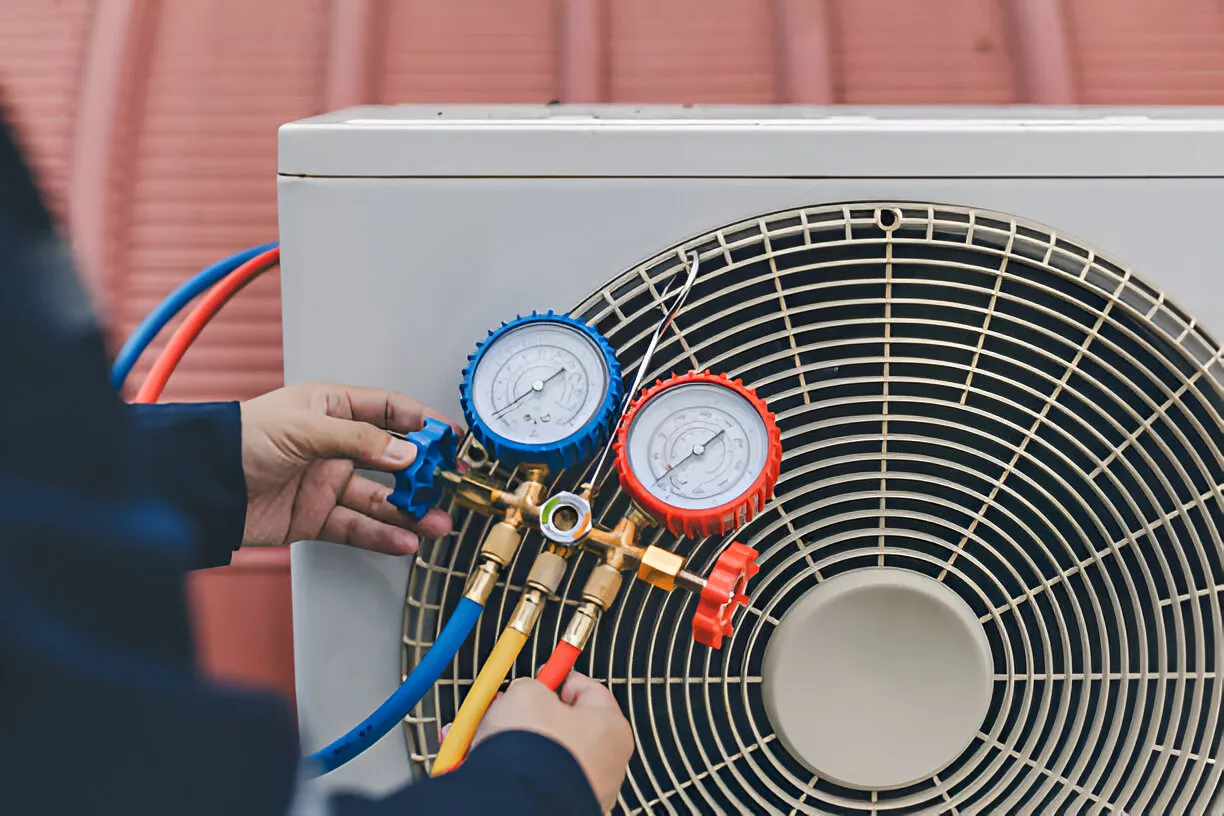
- Refrigerant system checks: gauge refrigerant pressures, inspect condenser and evaporator coils, and check for compressor and metering device operation.
- Combustion and efficiency measurements: for gas-fired equipment, test flue draft, combustion efficiency, and heat exchanger integrity when indicated.
- Diagnostic report and options: provide a written, itemized summary of findings, prioritized recommendations, and repair versus replacement analysis.
Typical repair procedures and what they includeRepairs range from simple parts replacement to more complex system overhauls. Common repairs performed in Worthington homes include:
- Filter and preventive cleanings: replacing filters, cleaning coils and condensate pans to restore airflow and prevent freeze-ups.
- Electronic control and thermostat replacement: updating failing control boards, relays, or thermostats to restore proper sequencing and energy savings.
- Ignition and gas valve repair: replacing electronic igniters, pilot assemblies, or gas valves that prevent safe furnace operation.
- Motor, blower, and belt service: replacing or rebalancing blower motors and belts that cause weak airflow or noise.
- Capacitor and contactor replacement: common failures in AC condenser units and air handlers that prevent startup or cause unreliable operation.
- Refrigerant leak repair and recharge: locating and repairing leaks, testing, and restoring proper refrigerant charge for peak cooling capacity.
- Compressor and condenser repairs: diagnosing motor or compressor failures and evaluating repair versus replacement based on age and efficiency.
- Heat exchanger and flue repair: addressing cracks, corrosion, or venting issues in gas appliances; when a heat exchanger is compromised, replacement is generally recommended for safety.
- Duct sealing and repair: fixing leaks, insulating ducts, and balancing airflow to improve comfort and efficiency.
- Coil cleaning and system flushing: cleaning or replacing coils and flushing drainage lines to prevent microbial growth and improve heat transfer.
Emergency and rapid-response repair options in Worthington
- Seasonal spikes in service calls are common during heat waves and cold snaps. Best Service Heating & Cooling provides prioritized, rapid-response scheduling for urgent failures to restore safe heating or cooling quickly.
- Emergency diagnostics include immediate safety checks for gas smell, CO presence, or electrical hazards, with clear homeowner guidance on safe temporary steps (for example, evacuate and ventilate if strong gas odor or CO is detected).
- For household members who depend on regulated indoor temperatures due to health needs, technicians can expedite service and recommend short-term mitigation such as portable heating or cooling solutions until repairs are completed.
Parts replacement: OEM quality and warranty clarity
- Best Service Heating & Cooling uses a combination of manufacturer original equipment parts and high-quality aftermarket components where appropriate; choices are explained in writing so homeowners understand the tradeoffs between cost, longevity, and warranty coverage.
- Manufacturer parts generally carry the original warranty from the equipment maker, while replacement components supplied by Best Service are accompanied by a workmanship warranty to cover installation. The specific warranty terms vary by part and manufacturer and are documented in the estimate and service paperwork.
- When major components like compressors, heat exchangers, or control boards are needed, the technician will outline expected service life improvements and provide an upfront comparison of repair versus replacement to help homeowners make informed decisions.
Technician qualifications and standards
- All technicians operating in Worthington are trained to industry standards and receive ongoing education in new equipment, refrigerant handling, safety protocols, and diagnostic technology. Many technicians hold industry-recognized certifications such as NATE (North American Technician Excellence) and EPA Section 608 for refrigerant handling.
- Technicians undergo background checks and are instructed to present identification upon arrival, describe the planned diagnostic steps, and provide a clear written estimate before proceeding with any non-emergency work.
- Safety and professionalism are emphasized: technicians follow protective procedures for home entry, workspace protection, and thorough cleanup after repairs to respect your home.
Pricing transparency and how estimates work
- Accurate, transparent pricing is part of professional HVAC repair. After a complete diagnostic, you receive a written, itemized estimate that lists labor, parts, and any additional services recommended. The estimate explains which repairs are necessary for immediate safe operation and which are optional or recommended to extend equipment life or efficiency.
- The estimate will also list warranty information for parts and labor so you understand long term coverage. If financing or payment options are available through the company, those terms are also disclosed in writing as part of replacement recommendations.
- For maintenance plan members, certain diagnostic fees may be reduced or waived and priority scheduling is typically provided. Any differences in pricing or fees for off-hour emergency service are stated clearly in service documentation.
What to expect on the day of service
- Before arriving, the technician confirms the appointment window and symptom history. Upon arrival, they identify themselves and explain the diagnostic plan.
- Initial inspection and testing are performed with the system running if safe; technicians use digital gauges, combustion analyzers, airflow meters, and thermal imaging where needed for a non-invasive assessment.
- After diagnosing the problem, the technician will present findings, answer questions in plain language, and deliver an itemized estimate. Homeowners choose how to proceed from the presented options.
- Work is performed with care to minimize disruption. Technicians protect floors and furniture as needed and remove debris and old parts at the completion of the job. A final system test confirms proper operation and the technician documents the repair details and warranty coverage.
Practical troubleshooting homeowners can try firstIf you experience a problem, these safe, simple checks can help identify or resolve minor issues while you arrange professional service:
- Change or check the air filter for heavy restrictions.
- Ensure the circuit breaker for the HVAC equipment has not tripped and that the outdoor condenser unit switch is on.
- Verify thermostat settings and replace thermostat batteries if the thermostat appears unresponsive.
- Confirm that supply and return registers are open and unblocked by furniture or drapes.
- For gas furnace owners: if you smell gas, evacuate the home and follow local emergency instructions rather than attempting troubleshooting; a professional must inspect immediately.
If those steps do not resolve the issue or if you detect electrical burning smells, strong gas odors, or suspected carbon monoxide, discontinue use and seek professional inspection right away.
Maintenance to reduce repair frequencyRegular maintenance dramatically reduces unscheduled failures and extends equipment life:
- Schedule seasonal tune-ups: clean coils, check refrigerant charge, lubricate motors, test safety controls, and inspect flue and heat exchanger integrity for combustion appliances.
- Replace filters regularly according to manufacturer recommendations or more often during pollen seasons and high humidity.
- Consider duct inspection and sealing for older Worthington homes where ducts run through unconditioned spaces.
- Evaluate system age and efficiency: when equipment nears the end of its expected life, planned replacement can avoid emergency breakdowns and improve comfort and efficiency.
How scheduling a service call typically works
- Homeowners describe symptoms and preferred availability, and a service appointment is set within an available window; priority scheduling is often available for emergency situations or maintenance plan members.
- When scheduling, provide the system age, brand, and any recent service history if known to help the technician prepare with the right tools and parts.
- On arrival the technician performs a diagnostic, provides a written estimate, and explains repair or replacement options before any work begins. Paperwork includes warranty details and documentation of the completed work.
Energy and efficiency considerations specific to Worthington
- Worthington’s humid summers and cold winters create high seasonal loads. Proper refrigerant charge, clean coils, and correctly sized equipment make a measurable difference in monthly energy use.
- Older systems and undersized ductwork in historic Worthington homes often force systems to run longer and work harder, which leads to higher energy bills and a greater likelihood of breakdown. Duct sealing, insulation, and properly sized replacements are common recommendations to improve comfort and reduce operating costs.
- Upgrading thermostats to programmable or smart controls can improve comfort and savings, especially in homes with variable occupancy or vacation schedules.
Why documentation and communication matter
- Clear, written diagnostic reports and itemized estimates protect both homeowners and technicians by setting expectations for scope, cost, and warranty.
- A documented history of repairs and parts replaced helps with future diagnostics and supports warranty claims. Best Service Heating & Cooling emphasizes complete communication so homeowners in Worthington understand the scope of work and long-term implications of repair choices.
Hot Deals & Cool Savings

.webp)
New Service Agreement Membership
.webp)
Any New Client Service
Next Service for Referring a New Client
New Service Agreement Membership
Any New Client Service
Next Service for Referring a New Client
.webp)
.webp)

Service Areas
