
HVAC Repair in Lithopolis, OH
Professional HVAC repair services in Lithopolis, OH with on-site diagnostics, swift repairs, and reliable warranty coverage. Schedule a service today.

When your home or light-commercial property in Lithopolis, OH needs HVAC repair, timely, reliable diagnostics and quality repairs matter. Best Service Heating & Cooling brings decades of local experience to diagnosing and restoring heating and cooling systems so your indoor comfort and safety are returned quickly. Lithopolis homes face humid Ohio summers, cold winters with freeze-prone periods, and seasonal pollen and dust that all affect system performance.
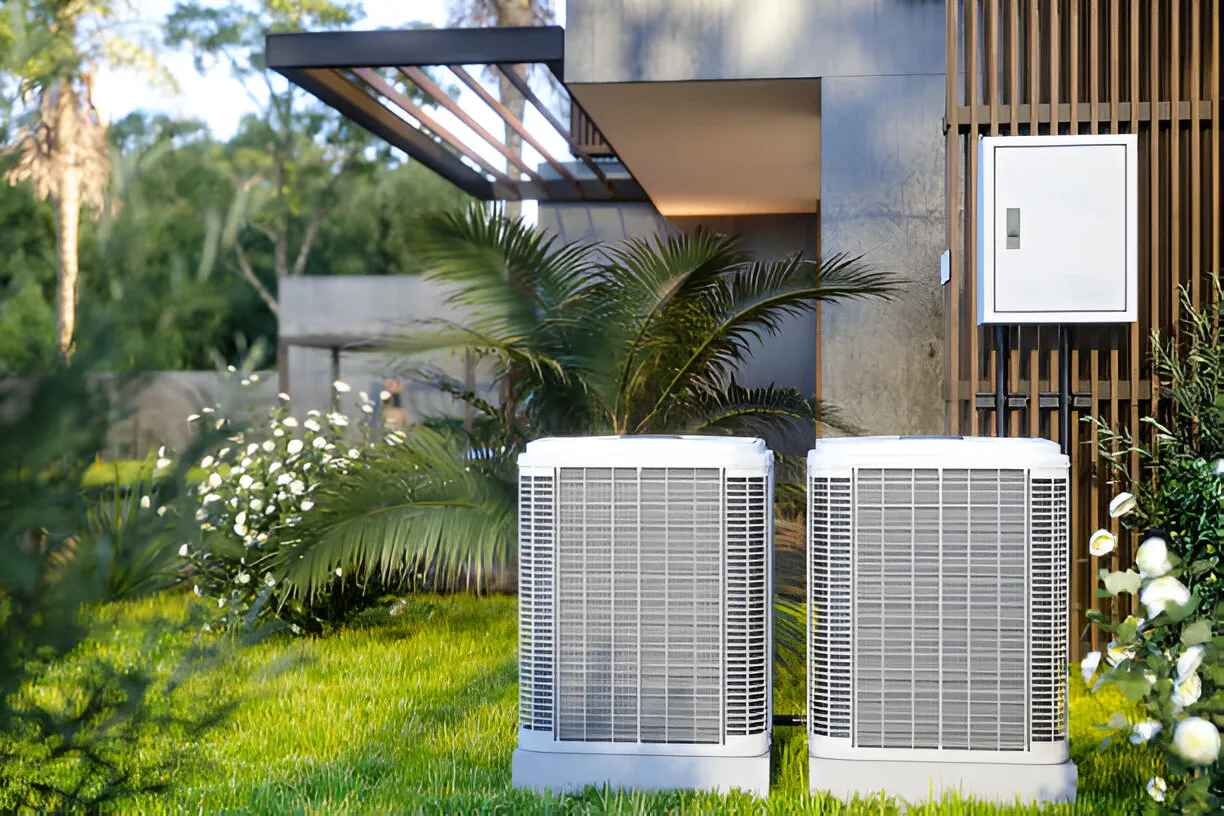
Why HVAC repair matters in Lithopolis, OH
Lithopolis experiences both hot, humid summers and cold winters. High humidity and frequent seasonal temperature swings increase wear on air conditioners, heat pumps, and furnaces. Moisture accelerates corrosion in outdoor units and leads to clogged drain lines and coil fouling. Winter freeze cycles can stress heat exchangers and outdoor heat pump components. In older Lithopolis homes, aging ductwork, settling foundations, and 1970s and 1980s mechanical systems add another layer of complexity. Prompt HVAC repair prevents more costly breakdowns, improves energy efficiency, protects indoor air quality, and preserves equipment life.
Best Service Heating & Cooling has served central Ohio since 1992, with a focus on residential and light-commercial systems. Our local knowledge helps identify failure patterns common to Lithopolis properties, and our technicians arrive prepared to diagnose, repair, or recommend the right solution for your system.
Common HVAC failure symptoms in Lithopolis homes and small businesses
Recognizing early symptoms helps avoid emergency failures. Common signs you need professional HVAC repair include:
- Inconsistent temperatures between rooms or floors, often caused by duct leaks, blocked vents, or failing compressors.
- Weak airflow from vents, which can indicate blower motor issues, clogged filters, obstructed ductwork, or frozen coils.
- Unusual noises such as grinding, banging, or high-pitched squeals that suggest failing bearings, loose components, or motor problems.
- Frequent short-cycling of the furnace or AC, which points to refrigerant issues, oversized equipment, or safety control problems.
- Higher-than-normal utility bills despite similar usage patterns, often from reduced system efficiency or failing components.
- System that will not start or repeatedly trips circuit breakers, indicating electrical issues, control board faults, or compressor problems.
- Odors from vents or equipment: musty smells may indicate mold or clogged drain lines, while burning smells indicate electrical issues or overheated components.
- Visible leaks around equipment, including refrigerant or water, which require immediate attention to prevent damage.
- Pilot light or ignition problems in furnaces, leading to unreliable heating or safety lockouts.
- Repeated need for refrigerant top-ups, signaling a leak that must be located and repaired.
These symptoms may overlap between heating and cooling seasons in Lithopolis. Timely professional diagnostics prevent escalation and increase the chance of repairing components instead of full replacement.
Types of HVAC repair services we handle
Best Service Heating & Cooling provides diagnostic and repair services for common residential and light-commercial systems in Lithopolis, including:
- Central air conditioners and air handlers
- Heat pumps and ductless mini-split systems
- Gas and oil furnaces
- Boilers and hydronic heating components
- Thermostats and zone control systems
- Refrigerant leak detection and repair
- Indoor air quality components such as humidifiers and air cleaners
- Ductwork repairs and modifications for airflow balance
- Emergency repairs for system failures and safety issues
We work with most major brands and both current and legacy equipment commonly found in Lithopolis homes. Repairs range from minor component replacements to more comprehensive system restoration where warranted.
On-site diagnostic and troubleshooting process
A thorough on-site diagnostic process is the foundation of effective HVAC repair. Best Service Heating & Cooling follows a systematic troubleshooting approach so technicians identify the root cause, not just symptoms. Typical diagnostic steps include:
- Visual inspection: Check outdoor units, indoor air handler or furnace, ductwork access, filters, condensate lines, and electrical connections. Technicians look for obvious damage, corrosion, or leaks.
- System history review: Gather information about recent performance, unusual sounds, error codes, thermostat behavior, and when the problem began.
- Filter and airflow check: Verify filter condition and measure static pressure and airflow to assess blockages or blower issues.
- Electrical and control testing: Inspect fuses, breakers, contactors, capacitors, relays, and control boards. Test safety switches and limit controls on furnaces.
- Refrigerant and pressure checks: For cooling systems and heat pumps, measure refrigerant pressures and superheat/subcooling to detect leaks or undercharge/overcharge conditions.
- Combustion and venting tests: For gas furnaces and boilers, test combustion efficiency, inspect heat exchangers for cracks, and ensure proper venting and carbon monoxide safety.
- Component-level testing: Use multimeters and specialized tools to test motors, capacitors, compressors, and sensors.
- Leak and moisture diagnostics: Check condensate drains, pans, and drain lines for clogs or standing water. Dye or electronic leak detection used for refrigerant leaks.
- Thermal imaging and temperature measurements: Use infrared tools to find heat loss, airflow imbalances, and failing components.
After diagnostics, the technician provides a clear explanation of findings and outlines repair options, remaining transparent about parts and labor needs, typical timelines, and any safety considerations specific to the property.
Common repairs and parts replacement explained
Understanding common repairs helps property owners evaluate recommendations. Typical repair categories include:
- Refrigerant leak repair and recharge: Locating leaks with electronic detectors or UV dye, repairing the leak, and recharging the system to correct charge levels. Proper repair prevents compressor damage and restores efficiency.
- Compressor and fan motor replacement: Failure of outdoor compressors or condenser fan motors requires careful diagnosis. Replacing these components is often more cost effective than full system replacement when the rest of the equipment is in good condition.
- Capacitor and contactor replacement: Short-lived but critical electrical components that cause many AC start-up failures. Replacing weak capacitors or burnt contactors often restores reliable operation.
- Blower motor and belt repairs: Weak airflow is frequently due to failing blower motors, worn belts, or clogged blower wheels. Repair or replacement corrects airflow and efficiency problems.
- Ignition control and flame sensor repair: Furnaces that will not stay lit or repeatedly cycle often have dirty flame sensors or failing ignition modules. Cleaning or replacing these parts stops nuisance lockouts.
- Heat exchanger and combustion safety repairs: Cracked heat exchangers or venting failures are serious safety concerns. Technicians inspect and recommend repair or replacement to prevent carbon monoxide risk.
- Thermostat replacement or recalibration: Incorrect temperature control can be resolved by upgrading to a modern, compatible thermostat or recalibrating current controls.
- Drain line and condensate pan cleaning: Blocked drains cause water damage and indoor humidity issues. Clearing lines and installing proper traps or safety switches prevents overflow.
- Duct repairs and sealing: Leaky ducts reduce efficiency and comfort. Sealing major leaks and repairing damaged sections improves airflow and lowers utility costs.
- Control board and sensor replacement: Faulty boards or sensors cause intermittent system faults. Replacing these restores proper diagnostics and control functions.
- Boiler component replacement: Circulator pumps, zone valves, and pressure controls are common failure points in hydronic heating systems and are repaired to restore even heating.
When parts are obsolete or the system has multiple failures, the technician will outline options including staged repairs or system replacement. Recommendations balance short-term repair with long-term operating cost and safety.
Emergency response and typical repair timelines
Emergency HVAC situations occur in the hottest or coldest weather. Best Service Heating & Cooling understands the urgency of restoring comfort and safety, particularly for vulnerable residents or businesses with sensitive operations. Emergency response considerations for Lithopolis properties include:
- Typical emergency service windows: For immediate safety concerns and no-heat or no-cool emergencies during extreme temperatures, experienced providers in central Ohio aim for same-day or next-business-day emergency dispatch depending on call volume and weather events.
- Prioritization of safety issues: Carbon monoxide alarms, gas leaks, electrical hazards, and major water leaks are treated as top priority.
- Diagnostic-to-repair timelines: Many repairs can be completed during the initial visit if parts are on-hand. For specialized components or older systems that require ordering parts, temporary measures may be applied to maintain safe operation until full repair.
- On-site parts availability: Technicians carry commonly used parts such as contactors, capacitors, fan motors, filters, and belts to maximize chance of first-visit resolution.
- Temporary fixes versus permanent solutions: In emergencies, temporary fixes may restore basic function. The technician will document temporary measures and recommend permanent follow-up repairs to prevent repeat issues.
Lithopolis-specific factors like narrow rural road access during winter storms or limited daylight in cold months can affect response times. Local knowledge and planning reduce delays; experienced providers anticipate seasonal spikes and stock common parts accordingly.
Scheduling a service call and what to expect during the visit
Scheduling for HVAC repair follows a predictable workflow that respects your time and property. Typical scheduling and visit expectations include:
- Appointment windows: Service appointments usually include a scheduled arrival window to accommodate travel and traffic. Technicians arrive prepared with basic diagnostic tools and common replacement parts.
- Access and safety protocols: Technicians will ask for safe access to indoor units, outdoor units, and utility shutoffs if needed. Please ensure clear pathways and secure pets.
- Diagnostic confirmation: Expect the technician to confirm the problem symptoms and system history before beginning diagnostic testing. This helps replicate intermittent issues.
- Upfront explanation: After diagnosis, the technician explains findings, details recommended repairs, and outlines the parts and labor involved without unnecessarily technical language.
- Repair documentation: Technicians provide documentation of repairs performed, replaced parts, and any safety checks completed. For light-commercial clients, more detailed reports may include performance readings and recommendations for preventive maintenance.
- Post-repair verification: After repairs, systems are tested to confirm proper operation, airflow balance, thermostat calibration, and safety settings such as limit switches or pressure controls.
- Follow-up recommendations: Technicians will recommend any necessary follow-up work, maintenance plan enrollment, or further monitoring procedures to avoid recurrence.
Best Service Heating & Cooling emphasizes clear communication and professional conduct, reflecting more than three decades of experience serving central Ohio customers.
Warranty and protection you can expect
Repair warranties provide confidence that work will hold up after the technician leaves. Typical warranty and protection information to expect includes:
- Manufacturer warranties: Replacement parts installed in your system may still carry the original manufacturer warranty. Technicians will explain which parts retain factory warranty coverage and what steps are needed for claims.
- Labor warranty: Many reputable service providers offer a labor warranty covering the workmanship of installed parts for a defined period. This warranty typically covers repair-related failures that arise from the replaced component or installation.
- Warranty documentation: After repair, you should receive written documentation outlining warranty coverage, any exclusions, and steps to file a claim if a covered issue reoccurs.
- Maintenance requirements: Warranties often require routine maintenance to remain valid. Technicians will explain recommended service intervals and how regular maintenance preserves warranty protection and system life.
- Light-commercial considerations: Commercial equipment warranties may differ from residential coverage and can include different parts and labor terms. Detailed documentation will clarify commercial warranty terms.
Best Service Heating & Cooling supports customers by providing clear warranty information and honoring workmanship commitments consistent with industry best practices and local regulations.
Pricing structure and transparency (without specific costs)
Transparent pricing practices help customers make informed decisions. While specific pricing varies by system type, age, parts required, and the complexity of repairs, you can expect the following practices:
- Clear estimate before work begins: Technicians provide an estimate of recommended repairs, including parts and labor. Estimates clarify what is included, what is optional, and the expected timeline.
- Diagnostic fee policies: A diagnostic or trip fee may apply to cover the on-site troubleshooting and testing performed to identify the problem. That fee is often applied toward the repair cost when work is completed.
- Itemized invoicing: After repair, customers receive an itemized invoice listing parts, labor hours, and any applicable service charges so you can understand each cost component.
- Approval for additional work: If technicians discover additional repairs during the job, they will pause and obtain approval before proceeding, except in safety-critical situations where immediate action is required.
- Financing and payment options: For larger repairs or replacements, many companies offer financing or payment plan options. Technicians can explain available options without pressure.
- Price vs. value considerations: When weighing repair versus replacement, technicians will present the likely lifespan extension, efficiency gains, and risk of future failures to help you evaluate value beyond initial cost.
These transparency practices allow Lithopolis homeowners and light-commercial customers to make confident decisions aligned with budget, safety, and long-term comfort goals.
Preventive maintenance to avoid repairs
Preventive maintenance is the most cost effective way to avoid urgent HVAC repairs. Key maintenance tasks and benefits include:
- Regular tune-ups: Seasonal tune-ups for both heating and cooling systems catch wear issues early, maintain efficiency, and extend equipment life.
- Filter replacement: Changing filters regularly preserves airflow and protects indoor air quality. In Lithopolis, pollen season and household pets increase the need for timely replacements.
- Condensate and drain maintenance: Clearing condensate lines and ensuring proper drainage prevents water damage and microbial growth.
- Coil cleaning: Dirty coils reduce cooling capacity and increase run-times. Cleaning coils improves comfort and lowers energy use.
- Duct inspections and sealing: Sealing leaky ducts reduces energy waste and improves distribution of conditioned air throughout the home.
- Thermostat calibration and upgrades: Ensuring thermostats are accurate and, if needed, upgrading to programmable or smart controls prevents unnecessary runtime and improves comfort.
- Combustion safety checks: Annual furnace inspections examine heat exchangers, combustion efficiency, and venting to prevent safety hazards.
For Lithopolis residents, a proactive maintenance plan is especially valuable before extreme summer heat or the first cold snap of winter. Regular maintenance often reduces emergency repair frequency and qualifies equipment for warranty protection.
Why local expertise matters
Local experience is more than convenience. Best Service Heating & Cooling has operated in central Ohio since 1992 and understands how the Lithopolis climate, housing stock, and community needs affect HVAC systems. Local expertise delivers benefits such as:
- Knowledge of common system types and installation practices used in area homes
- Understanding of how Ohio humidity, freeze cycles, and seasonal pollen impact performance
- Preparedness for seasonal spikes and weather-related response needs
- Familiarity with building and safety codes that apply to local residential and light-commercial properties
A locally-focused provider balances practical repair recommendations with long-term system performance for Lithopolis properties.
Hot Deals & Cool Savings

.webp)
New Service Agreement Membership
.webp)
Any New Client Service
Next Service for Referring a New Client
New Service Agreement Membership
Any New Client Service
Next Service for Referring a New Client
.webp)
.webp)

Service Areas
