
HVAC Repair in Lewis Center, OH
HVAC repair in Lewis Center, OH delivers fast diagnostics, transparent estimates, and expert service with warranty-backed results. Learn more.

Keeping your home comfortable year round in Lewis Center, OH depends on dependable HVAC repair and fast, accurate diagnostics when something goes wrong. Best Service Heating & Cooling provides professional HVAC repair in Lewis Center, OH with experienced technicians, transparent estimates, and repair warranties tailored to the climate and construction common to this community. Whether you have a malfunctioning furnace in the dead of winter, an air conditioner that struggles through muggy July afternoons, or seasonal duct problems that reduce indoor comfort.
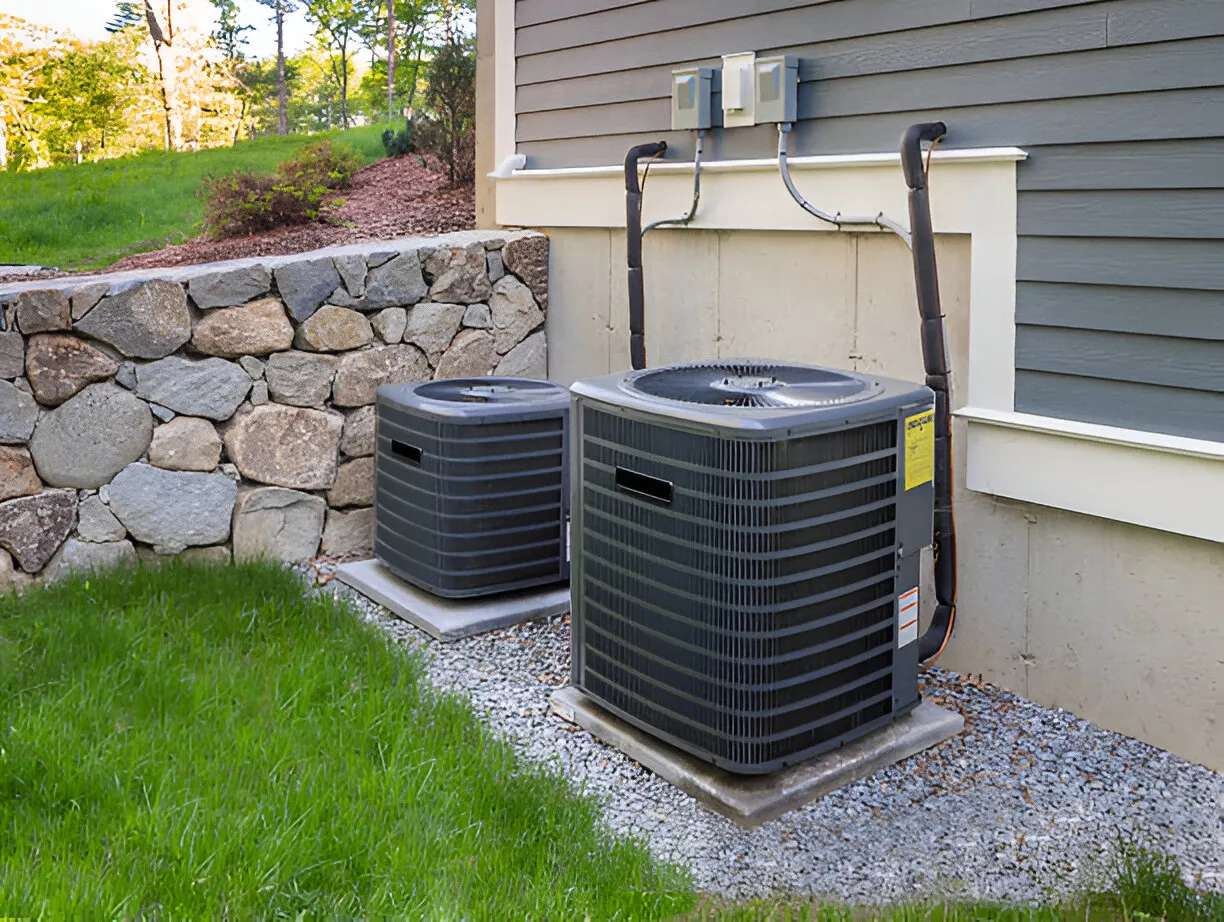
Why timely HVAC repair matters in Lewis Center, OH
- Summers are hot and humid, placing heavy demand on air conditioners and heat pumps. Small faults can quickly become system failures during heat waves.
- Winters bring freezing nights and cold stretches. A compromised furnace or heat pump that is not repaired promptly can lead to unsafe conditions and comfort loss.
- Local homes range from newer subdivisions to older houses with legacy ductwork. Duct leaks and outdated controls are common and reduce system efficiency.
- Prompt repairs reduce energy bills, prevent secondary damage (frozen pipes, moisture buildup, uneven heat), and extend equipment life.
Common HVAC problems in Lewis Center homesThis section covers the most frequent issues our technicians diagnose and repair in Lewis Center, OH.
Air conditioners and central AC systems
- Insufficient cooling or uneven cooling between rooms. Often caused by low refrigerant, clogged filters, failing compressors, or duct imbalances.
- Short cycling. Compressor or control problems can cause the AC to turn on and off frequently, increasing wear and energy use.
- Frozen evaporator coils. Restricted airflow from dirty filters or blower failures can cause coil icing and loss of cooling.
- Loud or unusual noises. Failing motors, loose components, or failing compressor bearings generate rattles, screeches, or banging.
Furnaces and gas heating systems
- No heat or intermittent heating. Commonly caused by malfunctioning thermostats, failed ignition systems, or blocked burners.
- Pilot light or ignition failure in older furnaces. Electronic ignition or flame sensor problems also cause furnace shutdowns.
- Soot, odors, or yellow burner flames. These are signs to address combustion issues promptly for safety and efficiency.
- Blower motor failures. Reduced airflow or noisy operation often stems from motor wear or capacitor failure.
Heat pumps and ductless systems
- Reduced heating performance in cold snaps. Heat pumps can lose efficiency at lower temperatures and may need calibration or supplemental electric elements.
- Reversing valve or controls not switching correctly. This results in the system running in the wrong mode or failing to transition between heating and cooling.
- Refrigerant leaks and low refrigerant charge. Heat pumps operating with insufficient refrigerant will have reduced capacity and risk compressor damage.
Ductwork and indoor air distribution
- Leaky or disconnected ducts. Air loss in attics, crawlspaces, or wall cavities reduces comfort and wastes energy.
- Poor airflow in specific rooms. Balancing issues, closed or blocked vents, and improper duct sizing are common causes.
- Dirty ducts and indoor air contaminants. Excess dust and pollen from our local pollen seasons can increase allergen exposure and reduce system performance.
Controls, thermostats, and electrical
- Thermostat calibration or communication failures. Incorrect temperature readings or unresponsive controls can mask larger issues.
- Tripped breakers or electrical faults. Capacitor and contactor faults are common sources of intermittent operation or failures.
- Smart system integration problems. Newer Wi Fi thermostats and zoning controls can have setup or connectivity problems that affect system operation.
How Best Service Heating & Cooling diagnoses HVAC problemsProfessional diagnostics follow a logical, documented sequence to identify root causes, avoid unnecessary repairs, and provide accurate estimates.
Pre arrival review
- Review customer description and system history. This ensures technicians bring required tools, parts, and diagnostic equipment.
Onsite safety and baseline checks
- Visual inspection of equipment and wiring for obvious hazards.
- Check safety devices and proper venting for combustion systems as a first priority.
System operation and symptom verification
- Run system in relevant mode to observe operation, listen for noises, and verify the reported problem.
- Check thermostat settings and confirm user controls.
Component-specific testing
- Electrical tests: verify voltages, current draws, and capacitor integrity.
- Refrigeration tests: measure pressures and temperatures to check refrigerant charge and compressor performance.
- Combustion and airflow: inspect burners, heat exchanger condition, flue venting, and measure airflow across coils and heat exchangers.
- Duct inspection: assess visible duct seams, register balance, and use smoke testing or pressure testing where needed.
Diagnostics summary and recommendations
- Document findings and explain the likely causes and consequences if left unrepaired.
- Provide repair options: repair versus replacement if equipment is old or repairs would be temporary.
Typical HVAC repair workflowWhen repair work is appropriate, a clear workflow helps homeowners understand timing, cost transparency, and expected outcomes.
Estimate and scope
- After diagnostics, homeowners receive a written estimate that lists parts, labor, anticipated timeline, and warranty coverage for the repair work. Estimates differentiate between recommended repairs and optional improvements.
Parts and procurement
- Technicians confirm parts availability. For common failures, many parts are stocked on trucks to enable same day repairs. For specialty parts, scheduling will reflect lead times.
Scheduling and arrival window
- Repair appointments include an arrival window. Technicians arrive prepared with safety gear and diagnostic documentation.
Repair execution
- Technicians isolate power and follow safety procedures.
- Faulty components are replaced or repaired, followed by system reassembly.
- System performance is tested under load to confirm the repair.
Post repair verification and documentation
- Final measurements (temperatures, pressures, airflow, electrical values) are recorded.
- Homeowner receives an explanation of what was repaired, care tips, and any recommended follow up.
Emergency and after hours HVAC repair in Lewis Center, OHEmergencies happen outside normal business hours. Our approach to urgent HVAC repair balances safety, rapid response, and clear communication.
- After hours protocols prioritize life safety issues such as complete loss of heat during freezing temperatures, gas smells, or electrical hazards.
- For emergency service requests, dispatch prioritizes the most critical calls first and communicates expected arrival times or interim safety steps to the homeowner.
- Emergency visits include a focused diagnostic to stabilize the system and clear explanation of next steps for full repair or temporary measures to restore safe operation.
Transparent pricing and repair estimatesHomeowners in Lewis Center deserve clear, itemized repair estimates that make trade offs between cost and longevity easy to compare.
- Written estimates outline parts required, labor hours, applicable diagnostic fees, and warranty terms. Estimates clarify whether a recommended repair is strictly necessary to restore safe operation or a suggested upgrade to improve efficiency or reliability.
- Where possible, repair vs replacement comparisons include expected remaining life of existing equipment, energy impact, and long term cost considerations.
- Flat rates for common repairs and time and materials estimates for complex jobs are explained so homeowners understand billing methods.
- Estimates include any available manufacturer parts warranties and the standard workmanship warranty on repairs.
Technician qualifications, licensing, and safetyBest Service Heating & Cooling emphasizes training, licensing, and accountability for every technician working on Lewis Center homes.
- All technicians are trained in modern HVAC diagnostic methods, safety procedures, and customer communication practices.
- Company maintains required Ohio licensing and complies with state regulations for HVAC contractors. Licensing verifies the company meets professional and insurance requirements for residential HVAC work.
- Technicians receive ongoing training on new refrigerants, heat pump technologies, smart system integration, and local building code updates.
- Background checks and customer care training ensure each technician represents the company with professionalism in your home.
Repair warranties and parts guaranteesReliable repair work includes both workmanship assurances and adherence to manufacturer parts warranties.
- Workmanship warranty: Repairs performed on residential HVAC systems are backed by a workmanship warranty that covers the repaired component for a defined period. Warranty terms are provided on the estimate and on completion paperwork.
- Manufacturer parts warranty: Replacement parts often carry manufacturer warranties. Documentation of part warranties is provided along with the invoice.
- Warranty terms include clear limitations and steps for warranty claims, including inspection requirements and conditions that can void a warranty such as improper maintenance or tampering.
Preventive maintenance to avoid frequent repairsRegular maintenance reduces the need for emergency repairs and improves system efficiency in Lewis Center homes.
- Seasonal tune ups for heating and cooling systems catch small faults before they escalate and maintain efficiency during heavy use.
- Filter replacement, coil cleaning, and blower maintenance are among the most impactful tasks.
- Duct inspection and sealing reduce energy loss and balance comfort across the home.
- Maintenance plans often include priority scheduling, diagnostic discounts, and reduced emergency rates for members. Maintenance intervals are recommended based on system type and usage.
Common repair timelines and what affects themRepair timelines vary depending on the complexity of the problem and parts availability.
- Minor repairs such as capacitor replacement, filter changes, or thermostat recalibration may be completed the same day.
- Compressor replacements, heat exchanger repairs, or major refrigeration work may require parts that can extend repair time to multiple days.
- Duct repairs that require attic access or extensive sealing may take longer, especially in homes with limited access.
- Complexity is influenced by system age, manufacturer parts availability, and whether multiple systems or components are involved.
Energy and safety checks performed during repairRepairs consider both performance and household safety.
- Carbon monoxide and combustion safety checks for gas equipment ensure safe venting and combustion efficiency.
- Electrical load and breaker evaluations detect overloads and potential fire risks.
- Refrigerant handling follows regulations for proper recovery and disposal.
- Post repair performance testing verifies correct temperatures, airflow, and electrical parameters.
How Best Service Heating & Cooling handles sensitive homesLewis Center includes households with infants, elderly residents, and allergy sensitivities. Technicians practice protocols to minimize disruption and protect indoor air quality.
- Use of drop cloths, shoe covers on request, and careful equipment handling reduces mess.
- Indoor air quality considerations such as high efficiency filters or UV systems are discussed where appropriate.
- Technicians communicate estimated time on site and any temporary measures to maintain comfort during repairs.
Scheduling service or requesting a written estimateTo arrange HVAC repair in Lewis Center, homeowners can use the company scheduling resources provided on the business site.
- Use the online service request form to describe symptoms, system make and model, and preferred service windows. The form allows uploading photos or documents to speed diagnosis.
- For a written repair estimate, request that a technician perform a diagnostic visit. The diagnostic visit is used to produce a detailed written estimate that lists parts, labor, anticipated timeline, and warranty coverage.
- For emergency issues, follow the emergency response instructions on the service page to indicate an urgent request so dispatch can prioritize the visit.
Why local expertise matters for HVAC repair in Lewis Center, OHLocal knowledge improves repair outcomes and system longevity.
- Technicians familiar with Lewis Center homes understand typical construction patterns, attic and crawlspace accessibility, and how local weather cycles affect system performance.
- Local service providers are often better equipped with commonly needed parts for area homes and have real world experience with systems common to the market.
- Understanding local codes and permitting requirements avoids delays on major repairs or system replacements.
What to expect after a repairAfter repairs, homeowners receive documentation and guidance to maintain system health.
- Service report summarizing diagnostic findings, repair work completed, measurements taken, and parts used.
- Warranty paperwork and how to file a claim if issues recur within the warranty period.
- Recommended follow up items, such as filter replacement frequency, suggested maintenance intervals, or considerations for future upgrades.
- Homeowner education on safe operation and troubleshooting steps to share with household members.
Hot Deals & Cool Savings

.webp)
New Service Agreement Membership
.webp)
Any New Client Service
Next Service for Referring a New Client
New Service Agreement Membership
Any New Client Service
Next Service for Referring a New Client
.webp)
.webp)

Service Areas
